

The consumer landscape for holiday gift-giving has undergone a significant transformation, moving away from generic mass-market items toward niche products that prioritize accessibility, sustainability, and artisanal craftsmanship. As global travel patterns stabilize and the focus on home-based wellness intensifies, a new category of "lifestyle-adaptive" products has emerged. This shift is particularly evident in the curation of specialized goods that cater to individuals with specific health requirements, such as those managing chronic conditions like spinal cerebrospinal fluid (CSF) leaks or celiac disease, while remaining highly functional for the general population.

Evolution of the Travel and Wellness Retail Sector
The transition from traditional travel souvenirs to functional wellness tools reflects a broader trend in the global retail market. Historically, gift guides for travelers focused on portable luggage, international roaming solutions, and guidebooks. However, the modern market has seen a convergence of health-conscious consumerism and ergonomic design. For many, the definition of "travel" has expanded to include the journey of health recovery and the maintenance of a high quality of life within the domestic sphere.

This evolution is mirrored in the history of long-standing brands that have found a second life in the 21st century. The Blackwing 602 pencil, for instance, represents a bridge between historical prestige and modern utility. Originally introduced in the 1930s and used by cultural icons like John Steinbeck and Chuck Jones, the pencil faced discontinuation in 1998. Its revival in 2010 by the California Cedar Products Company capitalized on a resurgence in the demand for analog tools, a market segment that has grown as digital fatigue becomes a common consumer complaint.

Adaptive Design and the Growth of Hands-Free Technology
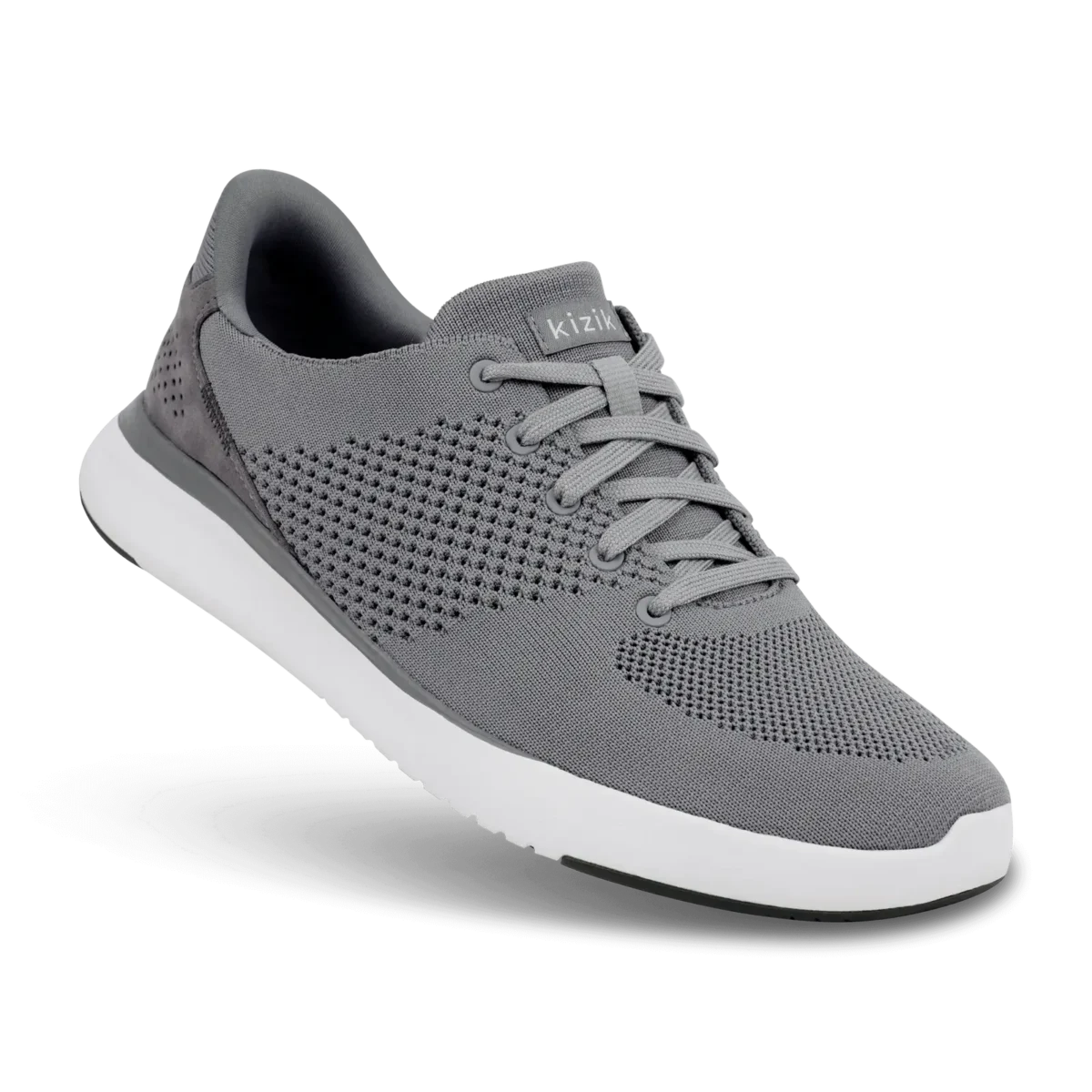
One of the most significant developments in the footwear industry is the rise of adaptive technology. The brand Kizik has emerged as a leader in this space, utilizing patented titanium-strength springs in the heel to allow for completely hands-free application. While initially marketed toward convenience-seekers, the broader implications for the accessibility community are profound.
According to market analysis, the global adaptive clothing market is projected to reach significant valuations by 2030, driven by an aging population and an increasing awareness of the needs of individuals with limited mobility. For patients with spinal CSF leaks, for whom bending or crouching can exacerbate symptoms, hands-free footwear is not merely a convenience but a medical necessity. The introduction of winter-specific models and Chelsea boots indicates a maturing product line that seeks to blend aesthetic appeal with functional inclusivity.

The Intersection of Culinary Ergonomics and Health
The kitchenware industry is also seeing a shift toward ergonomic tools that reduce physical strain. Nakano, a manufacturer of Japanese cutlery, has gained traction by producing lightweight chef’s knives that maintain high-carbon steel performance without the heavy weight of traditional Western knives. A standard professional chef’s knife often weighs significantly more than the 185-gram models favored by those with nerve pain or spinal injuries.

This focus on weight and balance is a critical factor for home cooks managing chronic pain. The trend toward "lightweight durability" allows for the continuation of culinary hobbies among populations that would otherwise be excluded from the kitchen. Furthermore, the aestheticization of kitchen tools—exemplified by OTOTO Design’s whimsical products like the Nessie tea infuser and the "spaghetti monster" strainer—serves to inject a sense of playfulness into the domestic routine, a psychological benefit that industry experts suggest improves overall well-being.

Global Health and the Digital Solutions for Dietary Restrictions
For the estimated 1% of the global population living with celiac disease, international travel presents a complex set of logistical challenges. The development of specialized gluten-free translation cards represents a critical intersection of health and tourism. These tools have evolved from simple phrases to comprehensive medical explanations that account for cross-contact and local ingredient nuances.

The digitization of these resources—moving from physical cards to high-resolution PNG and PDF files—reflects the broader trend of "digital health nomadism." With over 12,000 units sold across 15 languages, these cards provide a data-driven solution to a persistent travel problem. By involving translators familiar with specific medical conditions, these products ensure a level of accuracy that standard translation software often fails to provide, thereby reducing the risk of accidental allergen exposure in foreign markets.

Sustainability and Ethical Sourcing in the Luxury Goods Market
The jewelry and decor sectors are increasingly being scrutinized for their environmental impact. Kamoka Pearls, based in the Ahe Atoll of Tahiti, provides a case study in sustainable luxury. Unlike traditional pearl farming, which can sometimes disrupt local ecosystems, Kamoka utilizes wind and solar power and follows farming practices that have been shown by National Geographic to increase local fish populations.

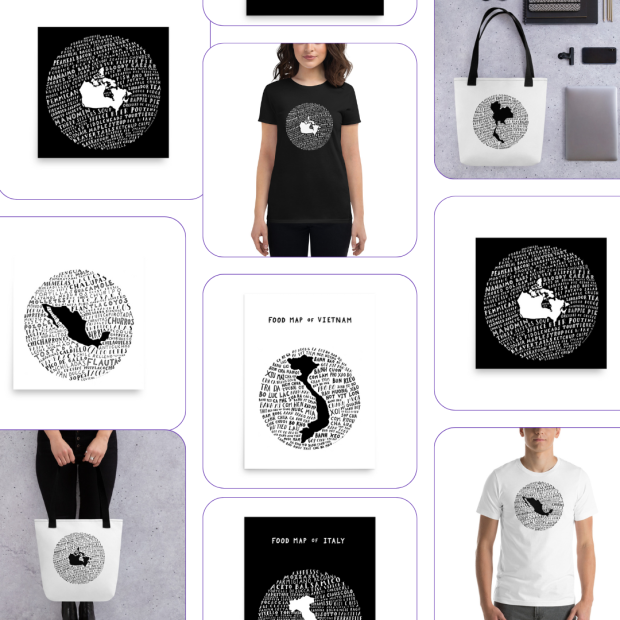
The brand’s "Mana Bracelet," constructed with kangaroo leather—noted for its superior tensile strength—is designed for durability in active environments. This move toward "adventure-ready luxury" caters to a demographic that values both ethical production and the ability to wear high-quality items during physical activities like surfing or hiking. Similarly, the use of upcycled packaging and sustainable yarns in the production of artisanal goods, such as knitted cacti and hand-embroidered maps, highlights a shift toward a circular economy in the gift market.

Photobiomodulation: The Mainstream Adoption of Red Light Therapy
Once reserved for clinical settings, red light therapy (photobiomodulation) has transitioned into a portable consumer product category. Devices like the FlexBeam utilize specific wavelengths of red and near-infrared light to stimulate cellular repair and reduce inflammation. For individuals with complex conditions like mast cell activation syndrome (MCAS), the ability to select specific wavelengths (such as level 3 settings at higher nanometers) is essential for avoiding adverse reactions.

Clinical research into red light therapy suggests that it can effectively manage nerve pain and improve sleep quality by influencing circadian rhythms. The portability of these devices allows for consistent treatment, which is a key factor in the management of chronic spinal pain. As consumers become more educated on the science of light therapy, the market for home-use medical-grade LEDs is expected to expand beyond specialty health circles into the general wellness market.

The Cultural Impact of Niche Art and "Analog" Entertainment
The holiday season often sees a resurgence in analog entertainment, such as puzzles and board games. The "Trip Chaser" card game, developed by travel industry veterans, leverages the "gamification" of travel logistics, challenging players to navigate the complexities of international transit. This type of entertainment serves as a social bridge, allowing travelers to share their experiences in a competitive yet accessible format.

Simultaneously, the rise of niche illustrators on social media has created a robust market for relatable, often humorous, art. Brands like Birdstrips and Effin Birds have tapped into a cultural zeitgeist that combines nature appreciation with existential humor. This "fowl language" subculture represents a unique segment of the stationery and print market, where the juxtaposition of classic Victorian-style bird illustrations with modern, irreverent text resonates with a younger, digitally-native audience.

Broader Implications and Market Outlook
The trends highlighted in this guide suggest that the future of the holiday gift market lies in specialization. Consumers are no longer satisfied with one-size-fits-all solutions; they are seeking products that reflect their personal values, health needs, and aesthetic preferences.

Key takeaways for the 2024 retail season include:

- Accessibility as a Standard: Features once considered "specialty," such as hands-free entry or lightweight materials, are becoming desirable features for the general public.
- Sustainability as a Narrative: Brands that can demonstrate a positive environmental impact, such as Kamoka Pearls or Sadie and June, have a competitive advantage.
- The Rise of Health-Tech: Medical-grade technology is becoming increasingly miniaturized and user-friendly for home use.
- Niche Communities: Digital platforms have allowed for the growth of highly specific interests (e.g., celiac travel, "bird-swearing" enthusiasts) to become viable commercial markets.
As the retail industry continues to adapt to a post-pandemic world, the emphasis on quality, utility, and empathy in design is likely to remain the primary driver of consumer choice. The integration of health-focused features into everyday lifestyle products not only serves those with chronic illnesses but enhances the user experience for all consumers, signaling a move toward a more inclusive and thoughtful global marketplace.
