

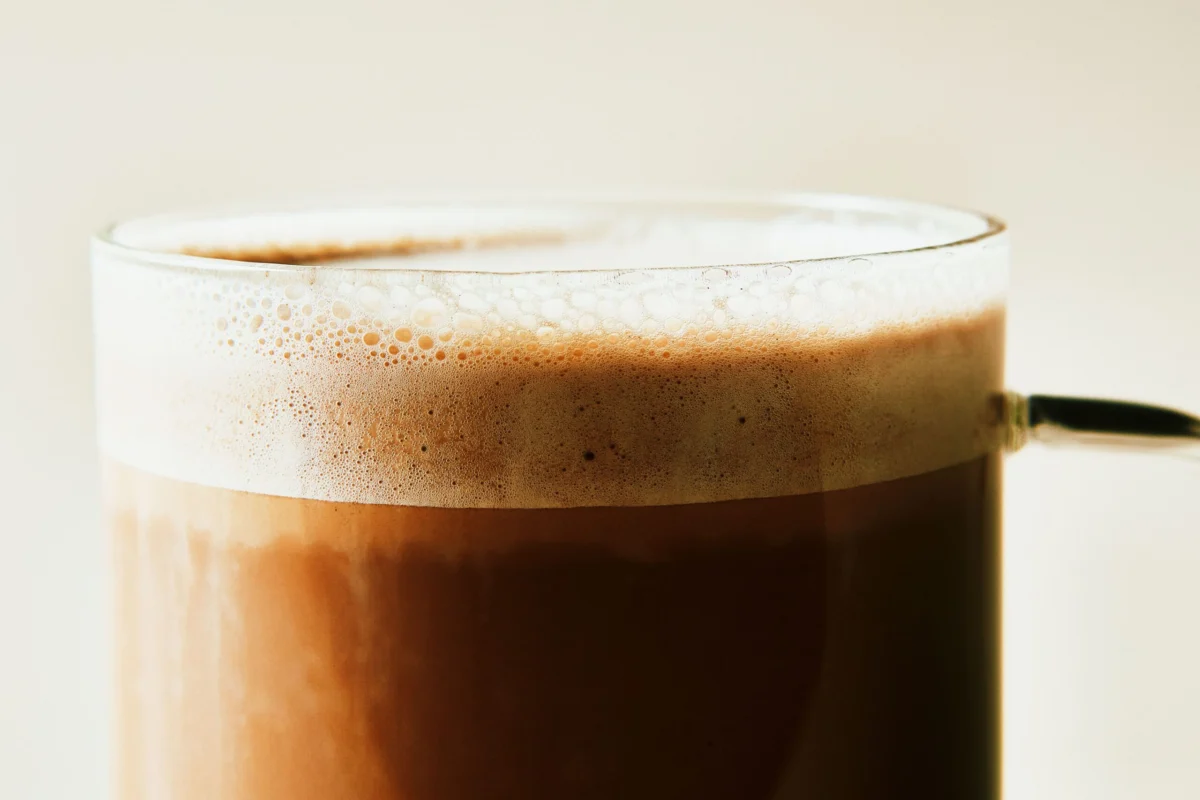
A comprehensive taste test has identified the premier instant hot chocolate mixes capable of delivering the nuanced depth and creamy consistency typically associated with artisanal, homemade preparations, but with the convenience that modern consumers demand. This rigorous evaluation, encompassing 15 leading supermarket and specialty varieties, sought to distinguish mixes that offer a truly satisfying experience, moving beyond mere sugary sweetness to encompass rich chocolate flavor, balanced sweetness, and a desirable texture. The findings highlight a diverse range of preferences, from nostalgic comfort to luxurious indulgence and sophisticated, complex notes.
The assessment, conducted by a panel of culinary experts, scrutinized each hot chocolate mix under controlled conditions, adhering strictly to package preparation instructions, utilizing either hot water or milk as specified. Participants sampled the beverages blind, evaluating them based on three critical criteria: intensity and authenticity of chocolate flavor, optimal sweetness balance, and overall mouthfeel. The objective was to identify products that transcended the often-maligned reputation of instant mixes, proving that quick preparation does not necessitate a compromise on quality.
Historical Roots and Evolution of Chocolate Beverages
To fully appreciate the modern instant hot chocolate, it is pertinent to consider the rich history of chocolate as a beverage. Its origins trace back over 3,000 years to ancient Mesoamerican civilizations, notably the Olmecs, Mayans, and Aztecs. For these cultures, cacao was far more than a simple foodstuff; it held profound spiritual and cultural significance. Early preparations involved grinding cacao beans, mixing them with water, chili peppers, cornmeal, and other spices, and frothing the mixture. This beverage, often bitter and potent, was consumed during rituals, by warriors, and among the elite, believed to impart wisdom and vitality. It bore little resemblance to the sweet, milky concoctions popular today.
Chocolate arrived in Europe in the 16th century, brought back by Spanish conquistadors. Initially, it was a bitter drink consumed by the aristocracy, gradually undergoing a transformation with the addition of sugar and spices like cinnamon and vanilla, adapting to European palates. The 17th and 18th centuries saw chocolate houses emerge as fashionable social hubs, particularly in London and Paris, where the beverage became a symbol of sophistication and luxury. The industrial revolution brought about further innovations, including the invention of the cocoa press by Coenraad Johannes van Houten in 1828, which separated cocoa butter from cacao solids, leading to cocoa powder. This development was pivotal, making chocolate more affordable and accessible, and laying the groundwork for the modern hot chocolate mix. The late 19th and 20th centuries witnessed the rise of mass-produced instant cocoa, capitalizing on convenience and appealing to a broader market, often targeting children and families. This long evolution underscores the enduring appeal and adaptability of chocolate as a beloved beverage.

The Contemporary Hot Chocolate Market: A Landscape of Choice
The instant hot chocolate market today is a dynamic and expanding segment within the broader beverage industry. Driven by consumer demand for convenient yet high-quality comfort foods, it caters to a spectrum of tastes and occasions. Market analyses consistently show a steady growth trajectory, with consumers increasingly seeking products that offer both ease of preparation and a premium sensory experience. This trend has led to a diversification of offerings, from budget-friendly options to gourmet, single-origin varieties.
Manufacturers are responding to evolving consumer preferences, which include a heightened awareness of ingredient sourcing, a desire for less artificial additives, and an appreciation for artisanal craftsmanship. The global hot chocolate market is valued in the billions of dollars, with significant contributions from North America and Europe, and burgeoning growth in Asia-Pacific. The cold-weather months invariably see a surge in sales, positioning hot chocolate as a seasonal staple and a year-round comfort. The competitive landscape includes established giants like Swiss Miss and Starbucks, alongside premium brands such as Ghirardelli, Guittard, Dandelion Chocolate, Jacques Torres, and Valrhona, all vying for consumer loyalty by emphasizing different attributes from nostalgic appeal to sophisticated flavor profiles.
Unveiling the Top Performers: A Trio of Excellence
The extensive taste test, meticulously designed to minimize bias, concluded with three distinct hot chocolate mixes earning top honors, each catering to a specific craving and demonstrating exemplary qualities within its category.

1. The Best Classic Hot Chocolate: Starbucks Classic Hot Cocoa
For those who cherish the comforting, familiar taste of traditional hot cocoa, the Starbucks Classic Hot Cocoa emerged as the undisputed champion. It tapped into what the tasting panel affectionately termed the "nostalgia center" of their collective palates, evoking memories of frosty winter days, ice-skating excursions, or the simple pleasure of a post-sledding treat.
Senior Cooking Editor Kelsey Jane Youngman succinctly captured its essence, identifying it as "classic cocoa." This mix delivered a profoundly satisfying milk-chocolate flavor, characterized by its balanced sweetness and a remarkably silky texture. Notably, it achieved this creamy consistency even when prepared with hot water, a significant advantage for convenience. However, the panel universally recommended using milk or a preferred non-dairy alternative to unlock an even richer, more luxurious cup. While it may not offer the intricate complexities of a gourmet drinking chocolate, its straightforward, approachable profile and consistent quality made it a perennial favorite. Its widespread availability and reliable performance underscore its status as a benchmark for classic instant hot chocolate.
- Key Attributes: Nostalgic flavor, satisfying milk chocolate, silky texture, balanced sweetness.
- Ideal For: Everyday comfort, family enjoyment, a reliable classic cup.
- Purchase Information: Starbucks Classic Hot Cocoa, 30-oz. canister.
2. The Elevated Indulgence: Guittard Grand Cacao Drinking Chocolate
Stepping up from the classic, Guittard’s Grand Cacao Drinking Chocolate was lauded as the go-to choice for those seeking a more indulgent and sophisticated experience. Known for their high-quality baking products, including highly-rated chocolate chips and cocoa powder, Guittard entered the taste test with considerable expectations, which it thoroughly exceeded.

This mix distinguished itself with a significantly richer and more pronounced chocolate-forward flavor than its classic counterparts. The panel praised its flawlessly smooth texture, devoid of any grittiness or chalkiness often found in lesser mixes. Food Director Chris Morocco highlighted its expert balance, noting "just enough sweetness to get away with it" in its bittersweet profile. Unlike some premium contenders that skewed overly bitter, Guittard achieved an ideal equilibrium, offering depth without austerity. This product exemplifies how an instant mix can achieve the characteristics of a high-quality drinking chocolate, bridging the gap between convenience and gourmet appeal.
- Key Attributes: Richer, chocolate-forward, deep flavor, flawlessly smooth texture, ideal bittersweet balance.
- Ideal For: An everyday upgrade, moments requiring a touch more indulgence, discerning palates.
- Purchase Information: Guittard & Co. Grand Cacao Drinking Chocolate, 10-oz. canister.
3. The Artisanal Splurge: Dandelion Chocolate House Hot Chocolate Mix
For the connoisseur seeking an unparalleled, artisanal chocolate experience, Dandelion Chocolate’s House Hot Chocolate Mix stood in a league of its own. Crafted from single-origin chocolate, this mix transcended the conventional definition of "hot cocoa," delivering a beverage closer to a traditional European drinking chocolate.
From the very first sip, Dandelion captivated the tasters with its unique and profound character. Kelsey Youngman aptly described it as tasting "like a melted bar of dark chocolate." The panel discerned intriguing notes of red berries beneath the deep chocolate flavor, a subtle but powerful reminder, as Senior Test Kitchen Editor Jesse Szewczyk pointed out, that cacao is indeed a fruit. The sweetness in this mix was remarkably restrained, allowing the inherent complexities of the single-origin cacao to truly shine. This intentional moderation of sugar fostered an "intriguingly complex" flavor profile that compelled tasters to return for multiple sips, exploring its multifaceted notes.
At a price point exceeding $2 per ounce, Dandelion Chocolate is positioned as a special occasion indulgence rather than an everyday staple for a crowd of children fresh from sledding. It is designed to be savored, transforming a cold evening into a moment of luxurious culinary delight, akin to enjoying a fine dessert. Its commitment to single-origin beans and meticulous craftsmanship places it firmly in the gourmet segment, appealing to those willing to invest in an exceptional sensory journey.

- Key Attributes: Single-origin, intense chocolate flavor, fruity undertones, slightly bitter, thick, velvety consistency, restrained sweetness, complex.
- Ideal For: Special occasions, a luxurious dessert-like experience, gifting, true chocolate aficionados.
- Purchase Information: Dandelion House Hot Chocolate Mix, 5.6-oz reusable glass bottle or 17.6-oz. bag.
The Science of a Superior Cup: What Defines Excellence
Beyond subjective preferences, the success of these mixes lies in fundamental principles of chocolate science and sensory perception. A genuinely good hot chocolate, whether instant or homemade, hinges on several critical factors:
- Cacao Quality: The origin, fermentation, roasting, and conching of the cacao beans significantly impact the final flavor. Single-origin chocolates, like those used by Dandelion, often exhibit unique terroir-driven notes, much like wine. The fat content from cocoa butter also contributes to mouthfeel.
- Sugar Balance: Sugar is essential to mitigate cacao’s natural bitterness, but an excess can mask the chocolate’s inherent flavor. The ideal mix achieves a harmonious balance, allowing both sweetness and bitterness to play their roles.
- Emulsification and Texture: The ability of the powder to dissolve completely and create a smooth, creamy texture without grittiness or chalkiness is paramount. This depends on the fineness of the grind and the quality of the emulsifiers (if any) used. Ingredients like milk solids or starches can contribute to body and creaminess.
- Flavor Profile: A "chocolaty" taste is a baseline, but superior mixes offer depth—notes of caramel, nuts, fruit, or even earthy undertones, reflecting the complexity of the cacao itself.
Consumer Trends and Broader Implications
The findings of this taste test resonate with broader consumer trends in the food and beverage industry. There is a growing appreciation for authenticity and quality, even in convenience products. Consumers are increasingly willing to pay a premium for items that offer a superior experience, are ethically sourced, or align with artisanal values. The success of brands like Dandelion Chocolate reflects a movement towards "bean-to-bar" principles, where transparency in sourcing and meticulous production are valued.
For manufacturers, the implications are clear: innovation in instant hot chocolate is not just about new flavors, but about improving core quality. This includes exploring different cacao percentages, incorporating natural flavorings, and enhancing solubility for a consistently smooth finish. The sustained demand for comfort beverages, particularly those that offer a momentary escape or a touch of indulgence, ensures that the instant hot chocolate market will continue to evolve, offering an ever-expanding array of choices for every palate and occasion.

In conclusion, the quest for the perfect instant hot chocolate reveals a market rich in diversity and quality. From the comforting familiarity of Starbucks Classic to the indulgent depth of Guittard and the sophisticated complexity of Dandelion Chocolate, consumers now have excellent options that promise a delightful chocolate experience with minimal effort. This rigorous evaluation serves not only as a guide for consumers but also as a testament to the evolving standards within the instant beverage industry, proving that convenience and quality can indeed coexist.
Editor’s note: This story was originally published in 2022. For this update, a new taste test of 15 products was conducted. The tasting notes for Great Value, Trader Joe’s, and Whole Foods are from the original test; the remaining products were evaluated in 2026.
