

September, a month traditionally associated with new beginnings and returns to routine, is witnessing a significant resurgence of seasoned tech entrepreneurs launching ambitious new ventures. This wave of innovation sees familiar faces from the startup world re-entering the arena with a distinct focus on artificial intelligence (AI) agents, poised to revolutionize both the restaurant and travel sectors. From sophisticated AI travel assistants to comprehensive AI-driven operational tools for restaurants, these new companies are building on past successes and leveraging cutting-edge technology to address persistent industry challenges. This Tech Tracker edition highlights not only these prominent returns but also crucial product enhancements and strategic partnerships impacting the broader technology landscape.
Kayak Founders Launch Lola: An AI Travel Companion
The travel industry is set to experience a paradigm shift with the introduction of Lola, an AI assistant designed by Steve Hafner and Paul English, the visionary co-founders of the highly successful travel booking site Kayak. Launched under the umbrella of Booking Holdings, the parent company that also owns Kayak, OpenTable, and numerous other prominent booking platforms, Lola aims to go beyond mere trip planning. This sophisticated AI is engineered to not only assist users in deciding on destinations, accommodations, and dining experiences but also to seamlessly handle all bookings.
Lola operates as an intuitive chatbot, allowing consumers to engage in natural language conversations to curate and finalize their travel plans, including restaurant reservations. A key feature is its ability to learn and remember user preferences, enabling it to deliver highly personalized recommendations. The core functionality of Lola is offered free of charge, democratizing access to advanced travel planning tools. However, for those seeking enhanced benefits, paid tiers provide access to superior hotel rates, exclusive dining reservations, and a suite of additional perks, creating a tiered service model that caters to a broad spectrum of traveler needs.
The strategic acquisition of Kayak by Booking Holdings in 2004 marked a significant consolidation in the online travel agency (OTA) market. This integration allowed for synergistic growth and resource sharing. The re-emergence of Hafner and English under Booking Holdings’ ownership, with Lola as their flagship product, signals a strategic move to infuse AI capabilities directly into the booking ecosystem. This development is particularly noteworthy in an era where personalized digital experiences are increasingly becoming the benchmark for consumer satisfaction. Industry analysts suggest that Lola’s success could redefine the role of AI in travel planning, potentially leading to a more streamlined and less fragmented booking process for consumers.
Tandem: xtraCHEF Founders Bring AI Agents to Restaurant Operations
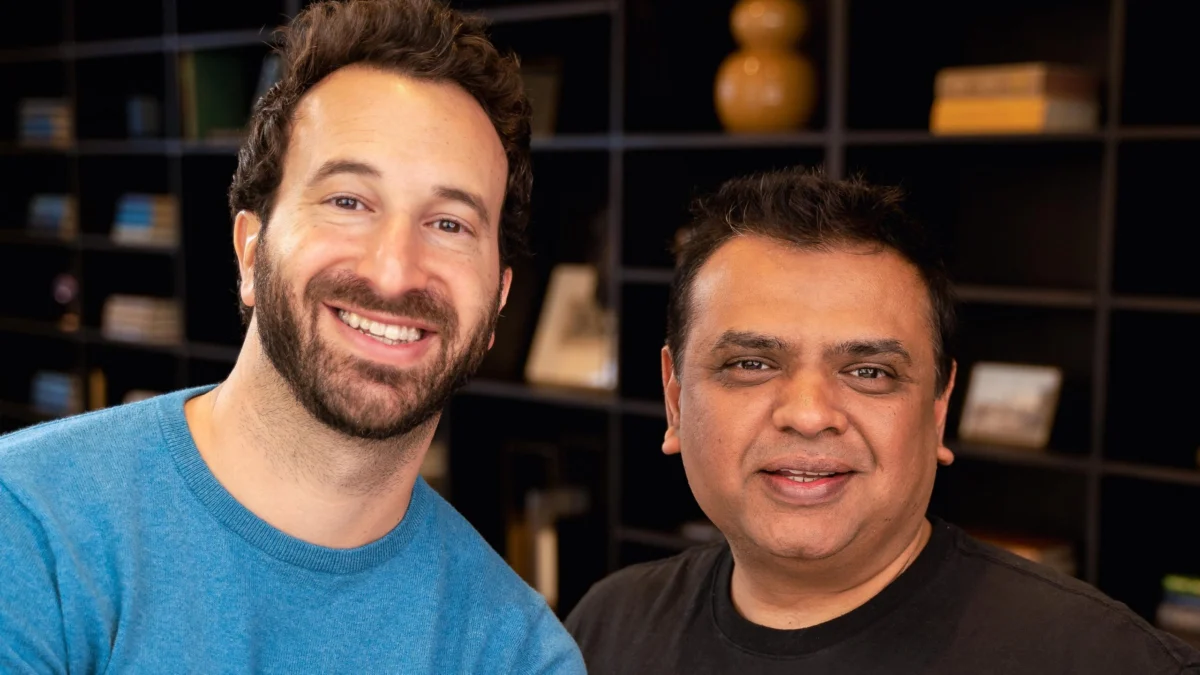
Andrew Schwartz and Bhavik Patel, the entrepreneurial duo behind xtraCHEF, a groundbreaking back-office automation system, have re-emerged with a new venture named Tandem. Their previous success culminated in the acquisition of xtraCHEF by Toast in 2021, after which they spent several years contributing to Toast’s growth. Now, they are pivoting to tackle the complex operational challenges faced by restaurants with Tandem, a company dedicated to developing AI agents designed to empower restaurant operators.
According to a company press release, Tandem’s AI agents are capable of managing a diverse array of critical business functions. These include, but are not limited to, finance, labor management, purchasing, inventory control, and marketing. The introduction of such specialized AI agents signifies a significant leap forward in restaurant technology, moving beyond task automation to intelligent operational oversight. By offloading complex and time-consuming administrative tasks to AI, restaurant owners and managers can redirect their focus toward strategic growth, customer experience, and staff development.
Tandem has successfully secured seed funding for its ambitious project and is currently engaged in a pilot program with operators across 100 locations. This hands-on approach allows for real-world testing and refinement of their AI solutions. The company has also strategically brought on board celebrity chef Michael Schulson as a founding partner. Schulson’s extensive experience as a restaurateur is expected to provide invaluable operational insights, ensuring that Tandem’s AI agents are not only technologically advanced but also deeply practical and aligned with the realities of the restaurant business. This infusion of culinary expertise into a tech startup underscores a commitment to developing solutions that are truly built for the industry, by the industry.
The broader implications of Tandem’s AI agents could be far-reaching. In an industry characterized by tight margins and high staff turnover, AI-driven operational efficiency can provide a crucial competitive advantage. It has the potential to reduce labor costs associated with administrative roles, minimize waste through better inventory management, and optimize purchasing decisions. Furthermore, by providing data-driven insights into financial performance and labor needs, Tandem’s technology could enable more strategic decision-making, helping restaurants navigate economic fluctuations and evolving consumer demands. The success of this venture could set a new standard for AI integration in the back-of-house operations of restaurants worldwide.

Crunchtime Enhances Kitchen Display Systems with Integrated Operational Suite
Crunchtime, a leading provider of restaurant operations software, is significantly enhancing its offering by integrating its core modules directly into the Kitchen Display System (KDS). This strategic move aims to transform the KDS from a simple order management tool into a comprehensive "unified operational command center" for kitchen staff. The new system seamlessly integrates Crunchtime Kitchen, Crunchtime Ops Execution, and Crunchtime Inventory tools into the daily workflow of kitchen personnel.
Beyond displaying active orders, the enhanced KDS screens will provide proactive prompts to employees, such as when to begin preparing specific items to optimize timing and reduce food waste. Crucially, workers will also be able to log waste directly at the KDS, which will then automatically update Crunchtime’s inventory management system in real-time. This level of integration promises to streamline operations, improve accuracy, and provide immediate visibility into inventory levels and potential issues.
This development represents a significant milestone in the ongoing integration between Crunchtime and QSR Automations, the KDS supplier. The two companies announced their merger in the previous year, a move that signaled a commitment to creating a more cohesive and powerful operational technology platform for the restaurant industry. By bringing Crunchtime’s robust back-office capabilities to the front lines of the kitchen, this integration aims to bridge the gap between strategic planning and day-to-day execution, fostering greater efficiency and accountability throughout the operation. The potential benefits include reduced order errors, improved prep times, better inventory control, and ultimately, enhanced profitability for restaurants.
PAR’s Guest360 Aims to Identify and Engage Anonymous Customers
PAR Technology, a prominent POS provider, is introducing Guest360, a new product designed to help restaurants gain valuable insights into their customer base, particularly those who are not enrolled in loyalty programs. A substantial portion of restaurant transactions typically come from customers ordering at the counter, drive-thru, or kiosk, who often remain anonymous. Guest360 addresses this challenge by leveraging a proprietary technology called "Profile Stitching" to create profiles for these unidentified customers.
Once profiles are established, restaurants can utilize these insights for targeted marketing campaigns. This is facilitated through an integration between Guest360 and Punchh, PAR’s established loyalty and engagement platform. By linking anonymous customer data with loyalty program participation, restaurants can gain a more holistic view of their customer behavior and preferences, enabling them to foster deeper relationships and encourage repeat business.
This new product builds upon PAR Technology’s strategic acquisition of Bridg earlier this year. Bridg specializes in utilizing credit card information and other data points to construct profiles of otherwise anonymous customers. This acquisition, valued at $27 million, underscored PAR’s commitment to enhancing its data analytics and customer engagement capabilities. Guest360 is currently being rolled out to select Punchh customers and is slated for broader deployment across the entire Punchh customer base by the end of the year. The introduction of Guest360 is expected to empower restaurants to move beyond transactional data and develop more personalized customer engagement strategies, ultimately driving revenue and customer loyalty in a competitive market.
Presto Integrates with Toast to Streamline Drive-Thru Operations
Presto, a leading AI voice supplier for drive-thrus, has announced a strategic integration with Toast, a prominent POS provider that recently launched its own drive-thru system. This partnership will enable restaurants utilizing both Toast Drive-Thru and Presto’s AI voice ordering solutions to seamlessly connect their systems. Orders handled by Presto will now flow directly and effortlessly into the Toast POS, streamlining the order-taking and processing workflow.
While Presto has historically focused on servicing large enterprise chains such as Taco John’s and Dairy Queen, this collaboration with Toast presents a significant opportunity to expand its reach. Toast’s extensive customer base, which includes a multitude of smaller and independent restaurants, could provide Presto with access to a broader market segment that may not have previously considered advanced AI voice solutions.
Toast launched its comprehensive drive-thru product in April and has since integrated with several voice AI providers. The integration with Presto is a testament to Toast’s strategy of building an open ecosystem that allows its customers to leverage best-in-class technologies. For restaurants, this integration promises to enhance order accuracy, reduce wait times, and improve the overall drive-thru experience. By automating and optimizing the initial order-taking process, staff can focus on fulfilling orders and providing customer service, leading to increased efficiency and customer satisfaction. This partnership signifies a growing trend towards interoperability in restaurant technology, where seamless integration between different platforms is becoming a key differentiator for technology providers and a critical need for restaurant operators.
