

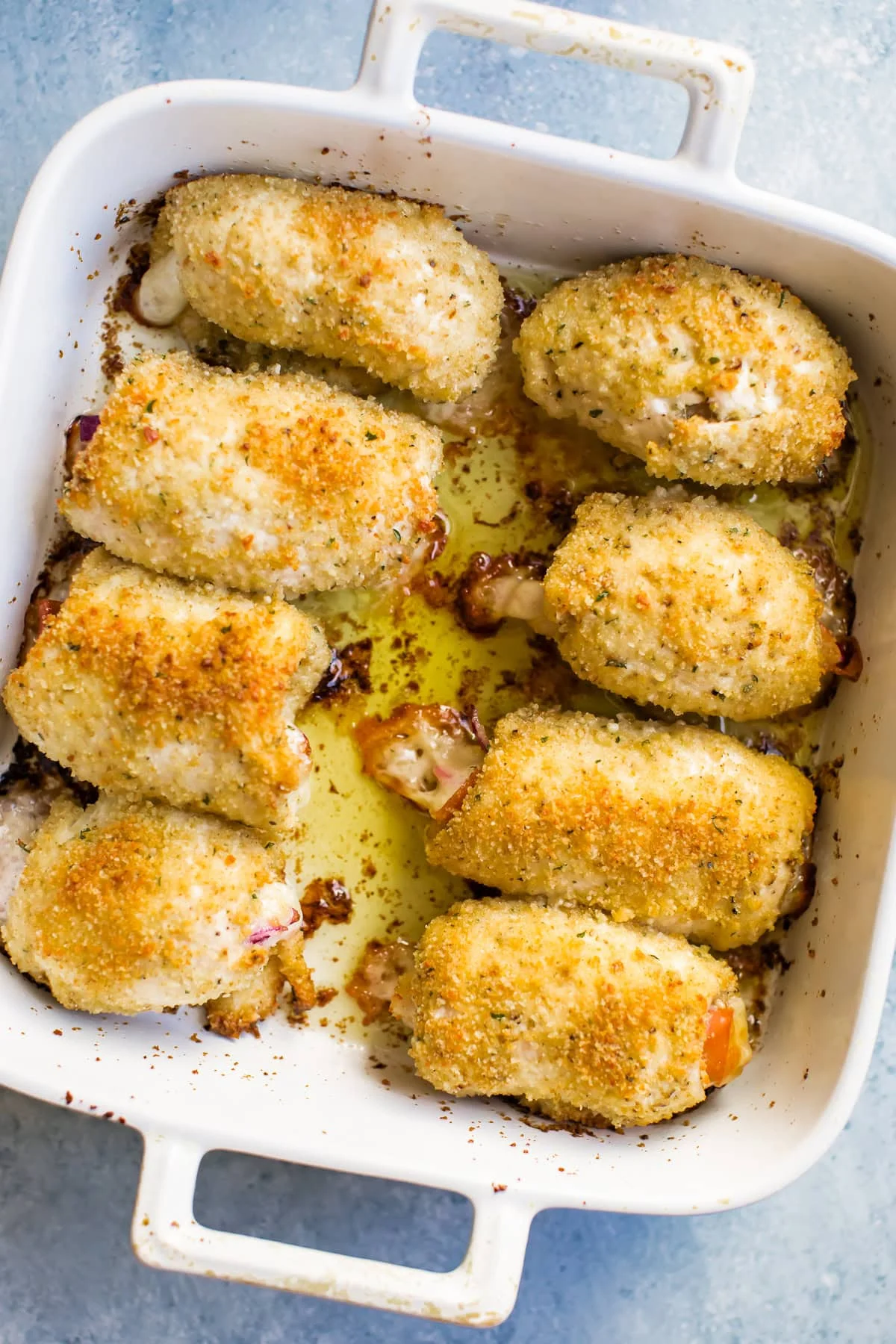
The culinary landscape continually evolves, yet certain dishes endure, blending tradition with modern sensibilities. Among these, Baked Chicken Rollatini with Prosciutto and Cheese stands out as a testament to Italian-American ingenuity, offering a sophisticated yet accessible meal that transforms everyday chicken into an experience of layered flavors and textures. This dish, characterized by tender chicken breast stuffed with savory prosciutto, melty provolone, and a hint of red onion, all encased in a vibrant, lemony breadcrumb crust and baked to golden perfection, provides a compelling alternative to conventional chicken preparations. Its appeal lies in its harmonious combination of salty, creamy, tangy, and crunchy elements, making it a favored choice for home cooks seeking both comfort and culinary refinement.
Historical Trajectory and Culinary Origins of Rollatini
The concept of "rollatini" or "involtini" is deeply rooted in Italian culinary tradition, reflecting a practical and flavorful approach to preparing various ingredients. Historically, involtini, meaning "small bundles" or "rolls," emerged from the necessity to utilize cuts of meat or vegetables efficiently, often by stuffing and rolling them. This technique allowed for the creation of hearty, flavorful dishes from simpler components, a hallmark of Italian peasant cuisine that has since been elevated to gastronomic art. While the precise origins of chicken rollatini are less documented than its veal or eggplant counterparts, it represents an adaptation of this venerable Italian tradition to more readily available and popular proteins, particularly in Italian-American kitchens. The evolution saw the introduction of ingredients like provolone and prosciutto, which became staples in many American households with Italian heritage, contributing to the dish’s widespread appeal.
By the early 20th century, as Italian immigrants settled in the United States, they brought with them a rich culinary heritage. Dishes like rollatini found new life and adaptations, incorporating local ingredients and tastes while retaining their authentic spirit. Chicken, being a versatile and widely consumed protein, naturally became a popular canvas for this stuffing and rolling technique. The "baked" iteration further reflects a modern culinary trend towards healthier preparation methods, moving away from traditional frying while still achieving desirable textures and flavors. This particular rendition, which has seen continuous enjoyment since at least 2011 according to prominent food bloggers like Gina Homolka of Skinnytaste, exemplifies how classic dishes are reinterpreted to suit contemporary dietary preferences and cooking conveniences, such as the introduction of air frying methods.
The Distinctive Elements of Baked Chicken Rollatini

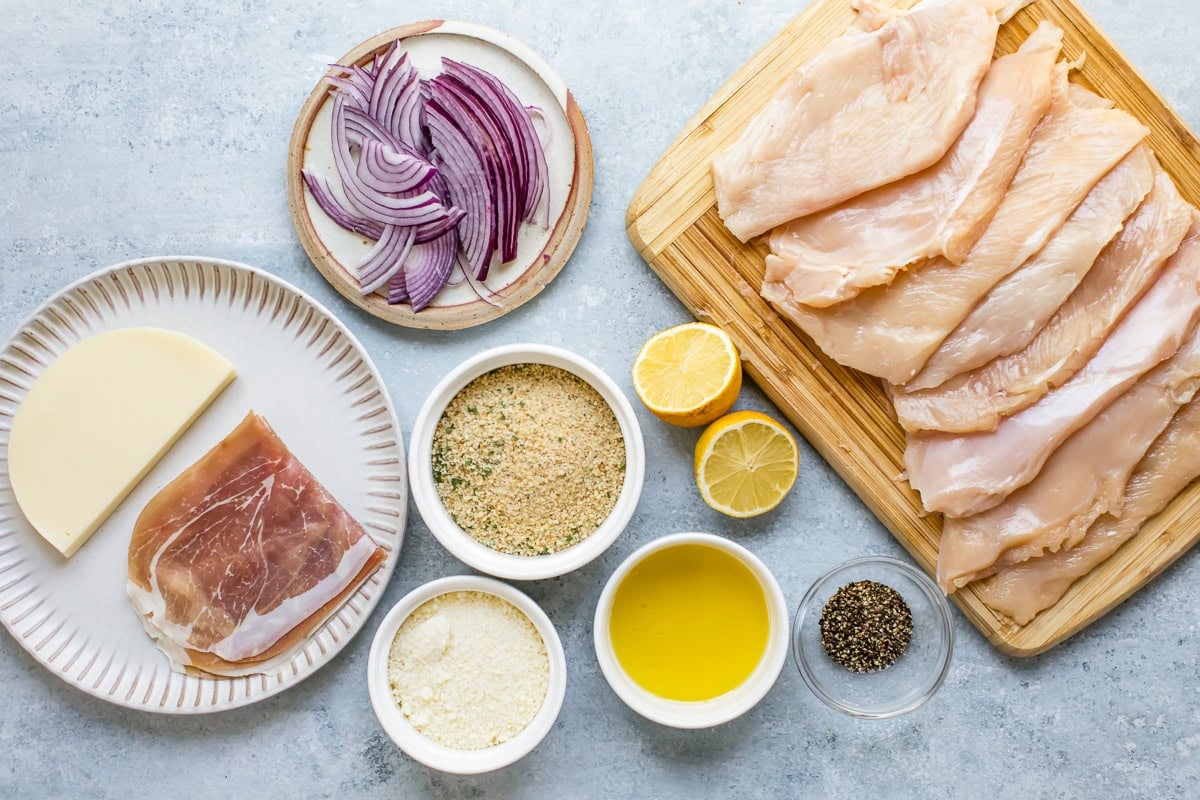
The success of Baked Chicken Rollatini with Prosciutto and Cheese lies in the careful selection and combination of its core components, each contributing a unique profile to the overall sensory experience.
- The Chicken Base: Typically, boneless, skinless chicken breasts are used, pounded thin to ensure even cooking and ease of rolling. This preparation method results in tender, succulent chicken that readily absorbs the flavors of its stuffing and coating. The choice of chicken breast also positions the dish as a lean protein option, aligning with health-conscious dining.
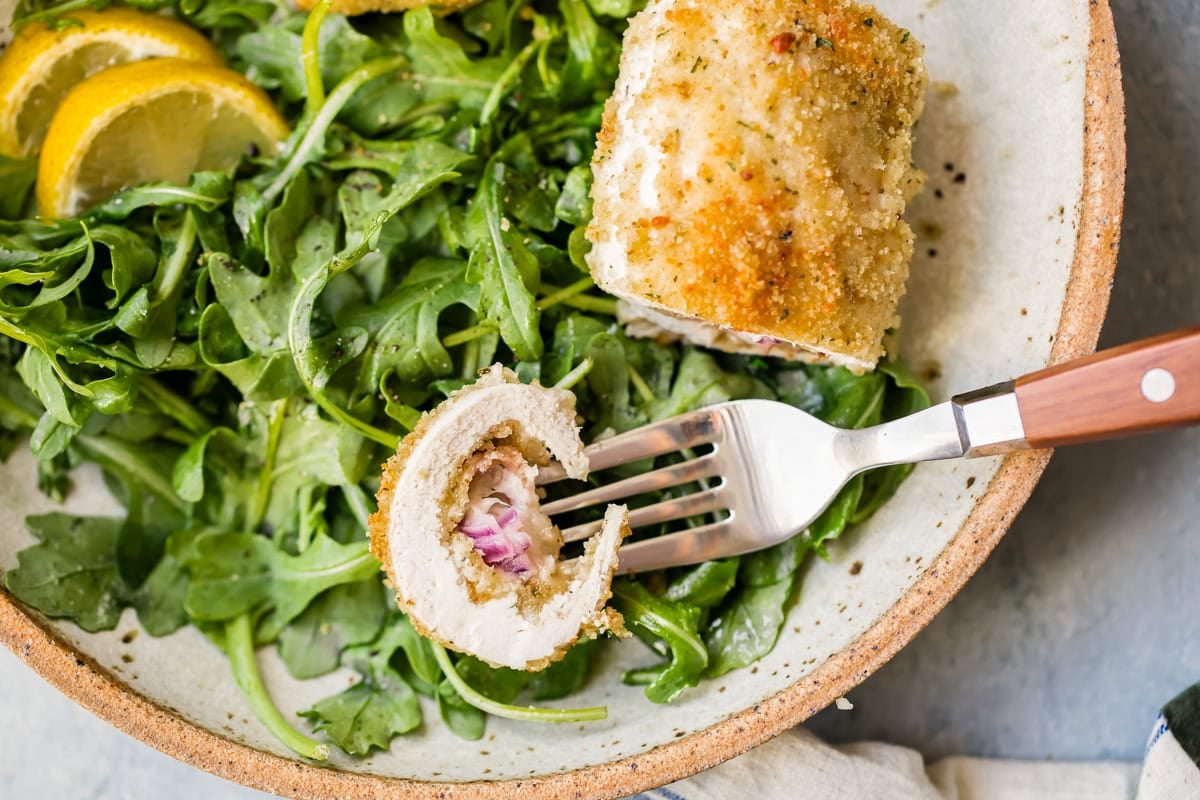
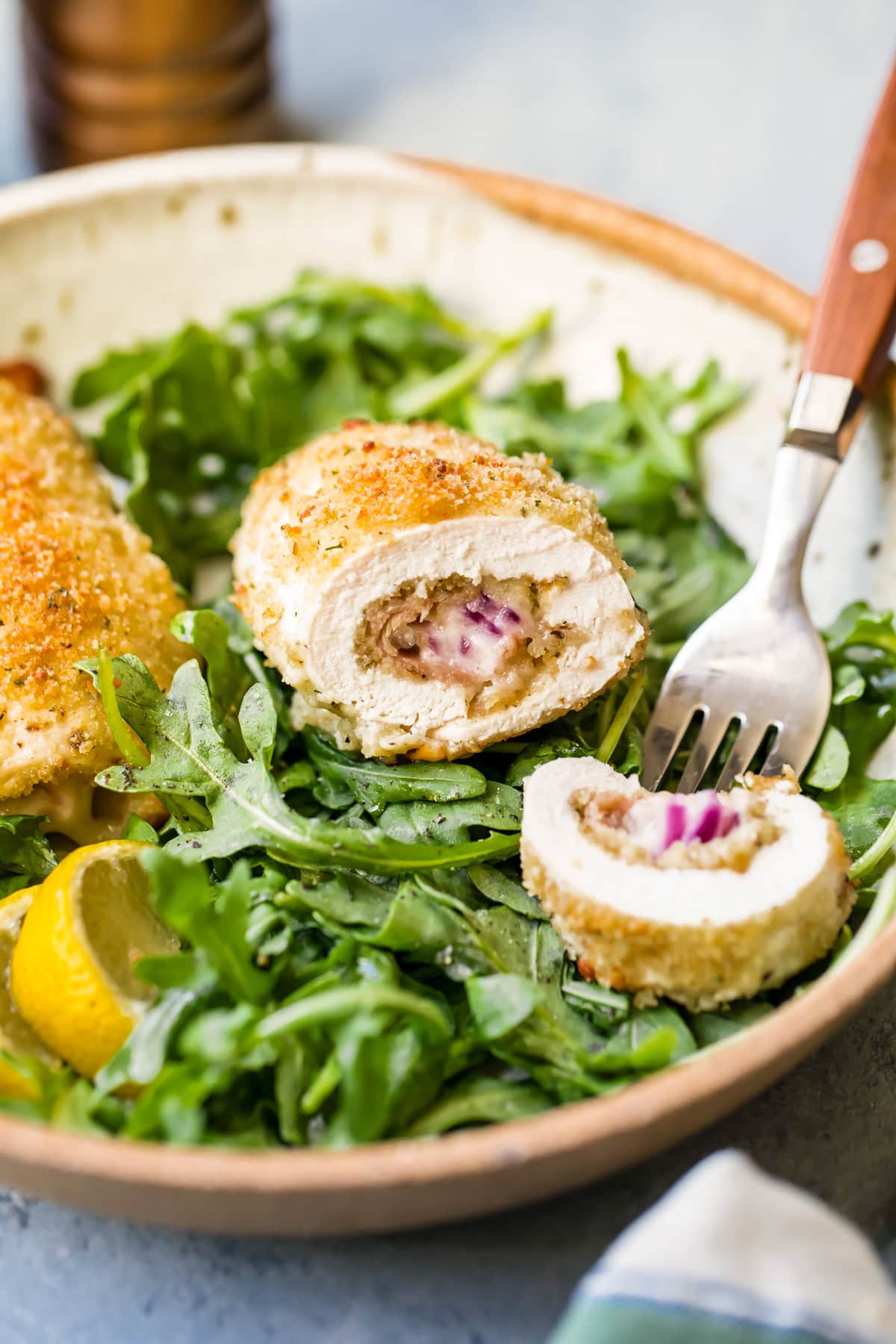
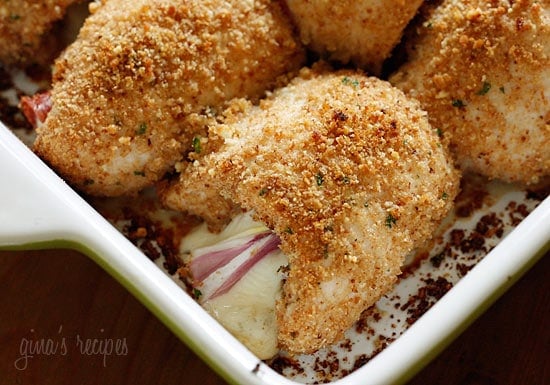
- The Savory Filling: The interior features a trifecta of flavors. Prosciutto, a dry-cured Italian ham, provides a salty, slightly sweet, and intensely savory depth. Its delicate texture melts slightly during baking, infusing the chicken with its characteristic umami. Provolone cheese, known for its excellent melting properties and mild, tangy flavor, creates a creamy, luxurious core, binding the filling together. Red onion adds a crucial counterpoint, offering a subtle sharpness and aromatic complexity that balances the richness of the prosciutto and cheese. This combination is designed for maximum flavor impact, transforming a simple chicken cutlet into a gourmet parcel.
- The Lemony Breadcrumb Coating: A defining feature of this particular rollatini recipe is its innovative breading method. Instead of the traditional egg wash, the chicken is dipped in a mixture of lemon juice and olive oil before being coated in breadcrumbs. This technique serves multiple functions: the lemon juice provides a bright, acidic zest that cuts through the richness of the filling and tenderizes the chicken, while the olive oil helps the breadcrumbs adhere evenly and contributes to a golden, crispy finish. The breadcrumbs themselves, often seasoned, provide a textural contrast, adding a delightful crunch to each bite. This method not only enhances flavor but also contributes to a lighter overall profile compared to heavier, fried coatings.
Nutritional Analysis and Dietary Considerations
Understanding the nutritional profile of Baked Chicken Rollatini is crucial for those integrating it into a balanced diet. A standard serving, typically two pieces, provides approximately 413 calories. This caloric count is well within the range for a satisfying main course, especially when paired with light, vegetable-focused sides. The dish is notably rich in protein, offering an impressive 49 grams per serving. This high protein content is beneficial for muscle maintenance and satiety, making it an excellent choice for individuals seeking to manage weight or support an active lifestyle.
Fat content stands at 17 grams, with 5.5 grams attributed to saturated fat. While moderate, these figures are significantly lower than many fried chicken preparations, underscoring the health benefits of baking. Cholesterol is 160 mg, and sodium is 899 mg. While sodium levels warrant attention, especially for individuals monitoring their intake, they can often be managed by opting for lower-sodium prosciutto or reducing additional salt in the breadcrumb mixture. Carbohydrates are relatively low at 10 grams, with 1 gram of fiber and 1 gram of sugar, making this dish suitable for those following low-carb or ketogenic diets when served with appropriate accompaniments.

Dietitians and nutritionists frequently advocate for lean protein sources like chicken, especially when prepared with minimal added fats and a focus on fresh ingredients. The baking method employed in this rollatini significantly reduces the need for excessive oil, promoting a healthier fat profile. The inclusion of red onion also contributes beneficial antioxidants and vitamins. The dish’s robust flavor profile, combined with its favorable nutritional breakdown, demonstrates how indulgent-tasting meals can be crafted to align with contemporary health and wellness goals.
Preparation Techniques and Culinary Adaptations
The preparation of Baked Chicken Rollatini, while appearing sophisticated, is designed for accessibility, emphasizing efficiency and flavor development. The process typically involves several key steps:
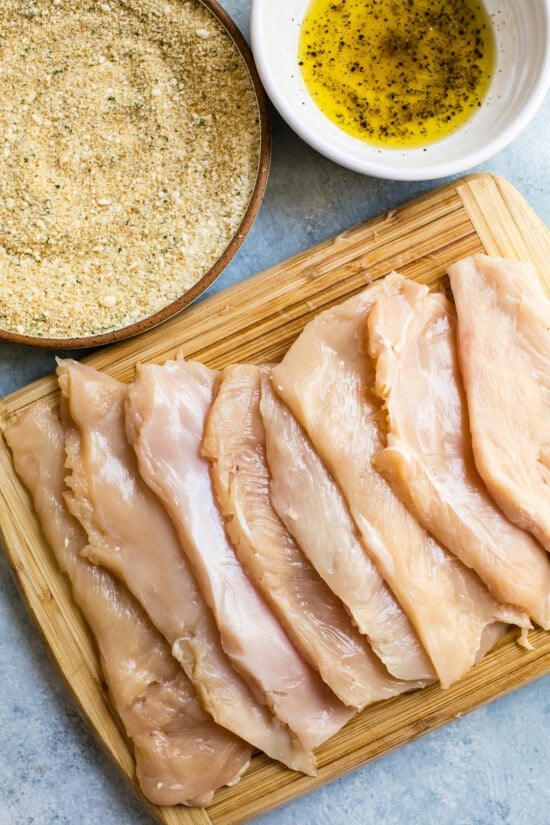
- Pounding the Chicken: Chicken breasts are typically sliced horizontally and then pounded thin between sheets of plastic wrap. This crucial step ensures that the chicken cooks evenly and is pliable enough to roll without tearing. It also increases the surface area for the stuffing and coating, maximizing flavor infusion.
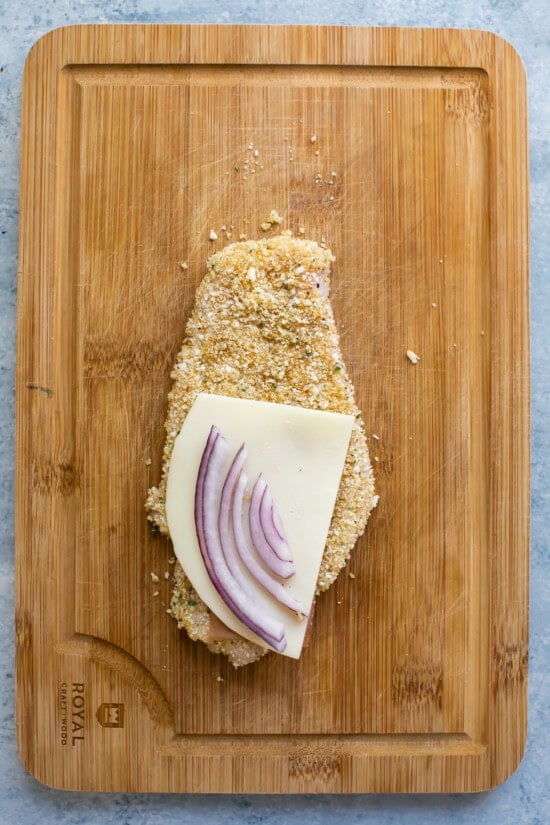
- Assembling the Filling: Layers of prosciutto, provolone, and finely sliced red onion are arranged on the flattened chicken cutlets. The order of layering can influence how the flavors meld, with cheese often placed to melt and secure the other ingredients.
- Rolling and Securing: Each chicken cutlet is carefully rolled into a tight cylinder. Toothpicks or kitchen twine are often used to secure the rolls, preventing the filling from escaping during cooking. This ensures a neat presentation and keeps the internal components intact.
- The Lemon-Oil Breading: As highlighted, the unique dipping of the rolled chicken in a mixture of lemon juice and olive oil before coating in seasoned breadcrumbs is pivotal. This imparts the characteristic brightness and aids in achieving a crispy, golden crust without the need for an egg wash, which can sometimes result in a heavier coating.
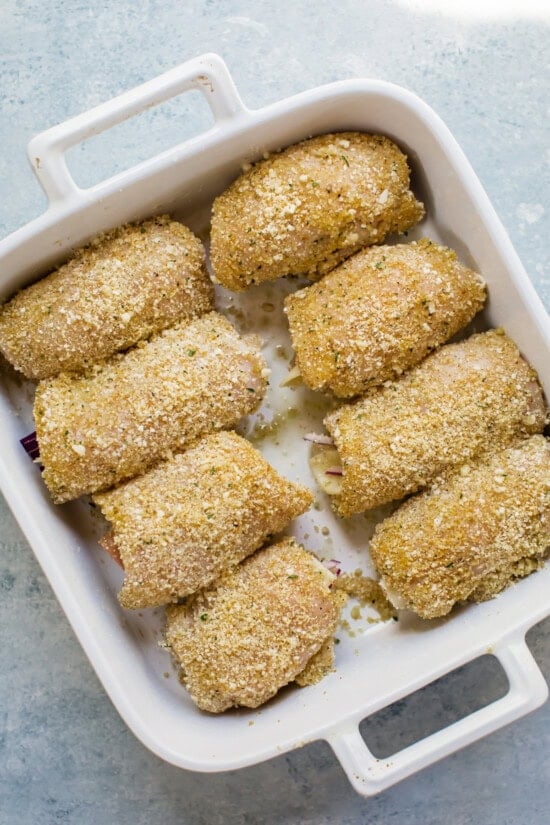
- Baking or Air Frying: The primary cooking method for this dish is baking, which yields a uniformly cooked interior and a pleasantly crisp exterior. Baking at a moderate temperature ensures the chicken remains moist while the cheese melts perfectly and the breadcrumbs toast. For enhanced convenience and speed, an air fryer offers an excellent alternative. Placing the rollatini seam-side down in a single layer, lightly spraying with oil, and air frying at 400°F for approximately 12 minutes, with a flip halfway through, achieves a similarly golden and crispy result while often reducing cooking time. The internal temperature of the chicken should reach 165°F (74°C) to ensure it is fully cooked and safe for consumption.
Serving Suggestions and Complementary Pairings
The versatility of Baked Chicken Rollatini extends to its accompaniments, allowing for diverse culinary pairings that can transform the meal from a simple weeknight dinner to an elegant feast. The richness of the prosciutto and provolone is ideally balanced by fresh, acidic, and light sides.
- Salads: A simple arugula salad, dressed with a vinaigrette, offers a peppery bitterness and acidity that cuts through the richness of the chicken. Similarly, a vibrant tomato salad, perhaps with fresh basil and mozzarella, provides a refreshing contrast. For a more substantial option, an Italian Chopped Salad brings a medley of textures and flavors, enhancing the Mediterranean theme.
- Vegetable Sides: Roasted broccoli with smashed garlic offers a robust, earthy counterpoint. Parmesan zucchini provides a complementary cheesy flavor with a lighter texture. Other excellent choices include sautéed spinach, green beans with almonds, or asparagus, all of which contribute essential nutrients and freshness.
- Grain and Pasta Dishes: For those desiring a heartier meal, lighter grain or pasta dishes can be paired. Risotto Primavera, with its creamy texture and inclusion of seasonal vegetables, complements the chicken without overwhelming it. Orzo with zucchini and tomato offers a delicate pasta option that echoes some of the flavors in the rollatini. Even a simple Cottage Cheese Cacio e Pepe can provide a creamy, peppery side, offering an interesting textural contrast. The key is to select sides that balance the dish’s inherent richness and provide textural diversity, creating a well-rounded and satisfying dining experience.
Broader Culinary Impact and Implications
The sustained popularity of dishes like Baked Chicken Rollatini with Prosciutto and Cheese speaks to several broader trends in contemporary home cooking and dining. Firstly, it underscores the enduring appeal of comfort food that can be prepared with relatively simple techniques and accessible ingredients, yet deliver complex and satisfying flavors. In an era where consumers often seek both convenience and culinary quality, recipes that offer a "special" feel without excessive effort are highly valued.
Secondly, this dish exemplifies the ongoing adaptation of classic recipes to meet modern dietary preferences. The shift from frying to baking or air frying reflects a widespread desire for healthier eating options without sacrificing taste. This adaptability ensures that traditional dishes remain relevant and enjoyable for new generations of cooks and diners. The detailed nutritional information provided alongside such recipes also empowers consumers to make informed dietary choices, aligning with a growing emphasis on transparency in food preparation.
Furthermore, the longevity of this particular recipe, championed by popular food blogs, highlights the significant role of digital platforms in disseminating culinary knowledge and fostering culinary communities. Recipes shared and refined over more than a decade demonstrate a lasting resonance with home cooks, indicating that consistency, clear instructions, and demonstrable deliciousness are key to enduring culinary influence. This dish, therefore, is not merely a recipe but a representation of how culinary traditions are preserved, innovated, and shared in the modern age, continually inspiring home cooks to explore beyond their usual repertoire. Its blend of traditional Italian flavors, health-conscious preparation, and ease of execution ensures its place as a cherished and practical option in the diverse world of home gastronomy.
