

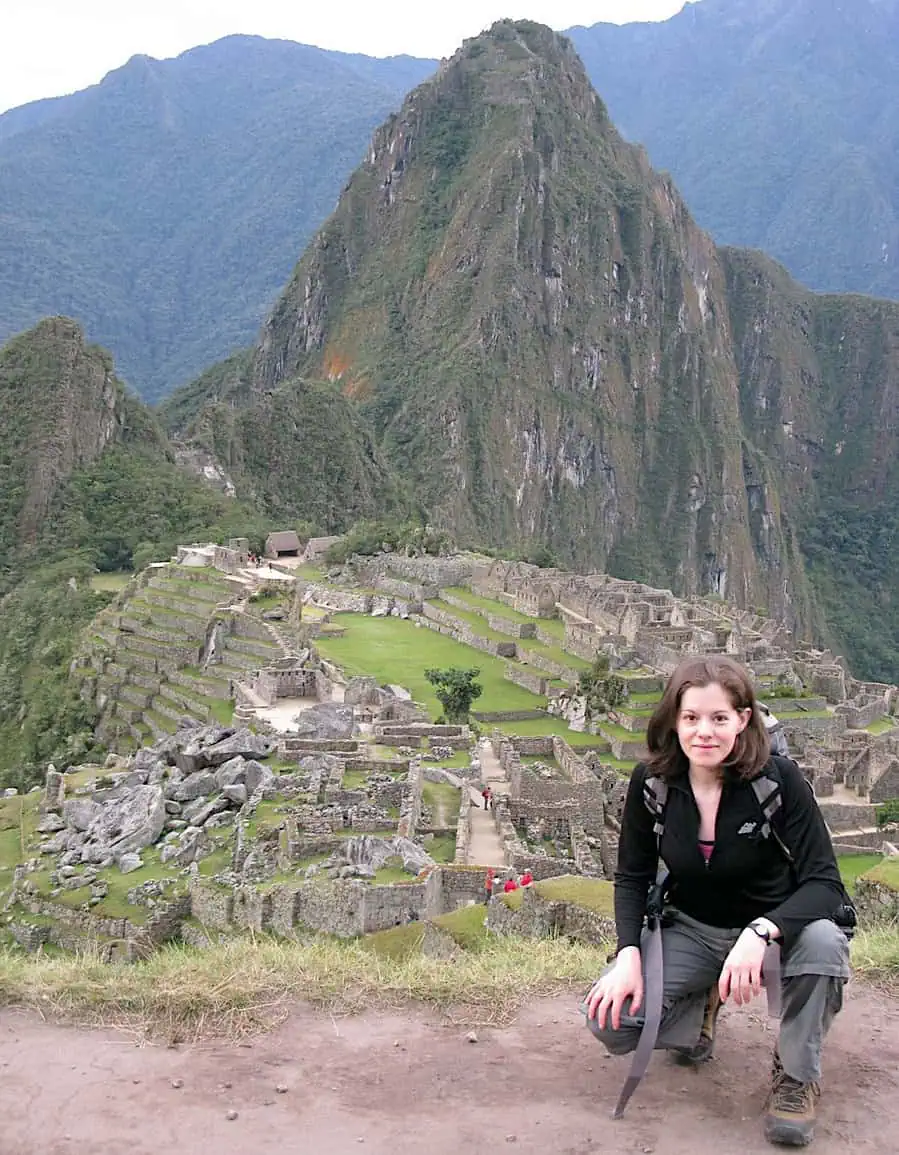
In a convergence of digital serendipity and psychological resilience, Jodi Ettenberg, the founder of the influential travel platform Legal Nomads, has recovered a massive archive of personal and professional photography stolen more than 14 years ago. The recovery of these digital assets, which document the foundational years of the modern travel blogging industry, occurred as Ettenberg continues to navigate the profound limitations of a chronic medical condition known as a spontaneous spinal cerebrospinal fluid (CSF) leak. This development has brought renewed attention to the concept of "living grief"—the ongoing mourning of one’s former self and functionality—while highlighting the rare altruism found within the digital age.
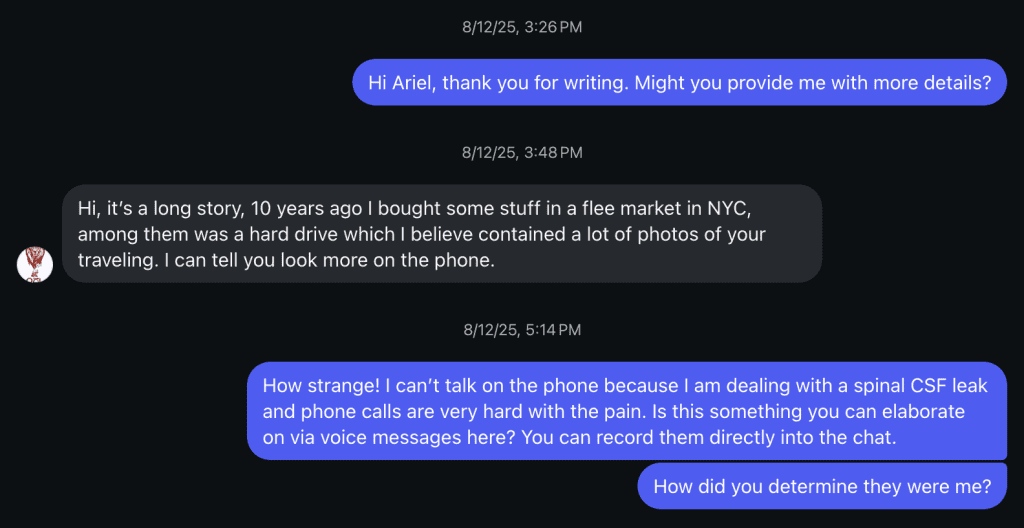
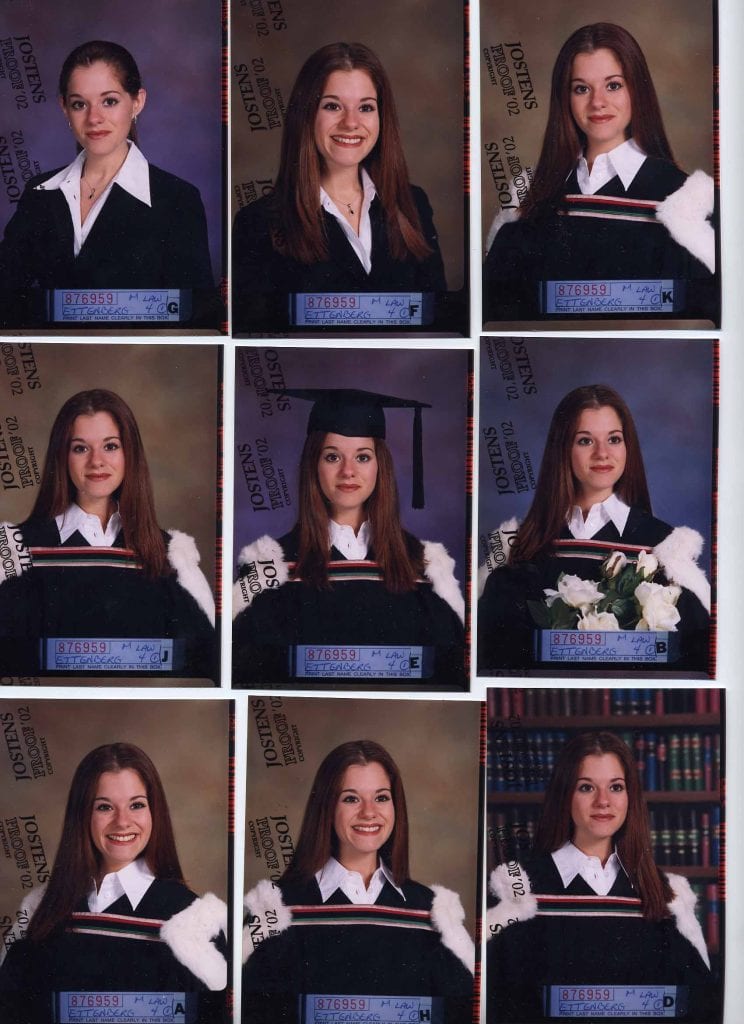
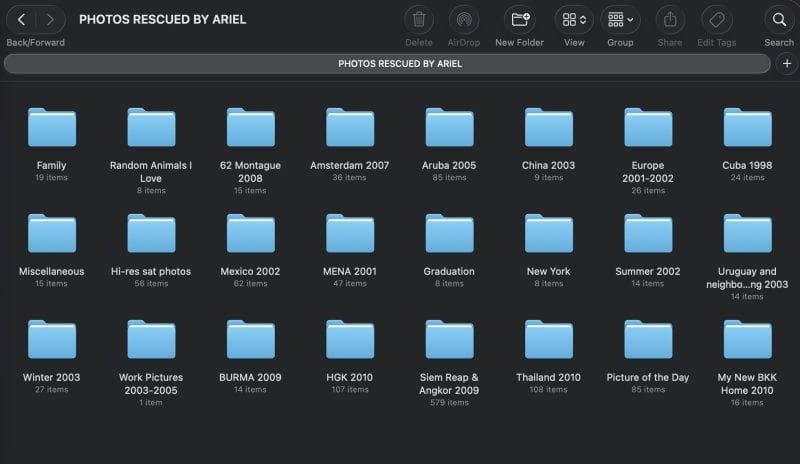
The recovery began with an unexpected social media inquiry from a New York City-based filmmaker named Ariel. Having purchased a series of external hard drives at a Brooklyn flea market over a decade ago, Ariel discovered thousands of personal files during a routine reformatting process. Recognizing that the images—which included world travel documentation and law school graduation proofs—belonged to someone who might be searching for them, Ariel preserved the data for years. Through meticulous manual searching and facial recognition of Ettenberg’s public profile, he successfully facilitated the return of the data in August 2023, coincidentally marking both Ettenberg’s birthday and the anniversary of her medical disability.
A Chronology of Loss: From Litigation to Limited Mobility
The narrative of Ettenberg’s career is one of high-stakes transition and unforeseen physical trauma. A former corporate lawyer in Montreal, Ettenberg resigned from her position in 2008 to embark on a year-long sabbatical that eventually evolved into a pioneering career in digital storytelling and culinary journalism.
The timeline of events leading to the recent recovery of her memories is marked by several key milestones:
- The 1980s: Ettenberg sustained a significant fall from a playground structure, resulting in a fractured rib and long-term spinal vulnerability. Medical experts later suggested this early trauma may have contributed to her underlying spinal fragility.
- 2008: Ettenberg launched Legal Nomads, transitioning from law to full-time travel.
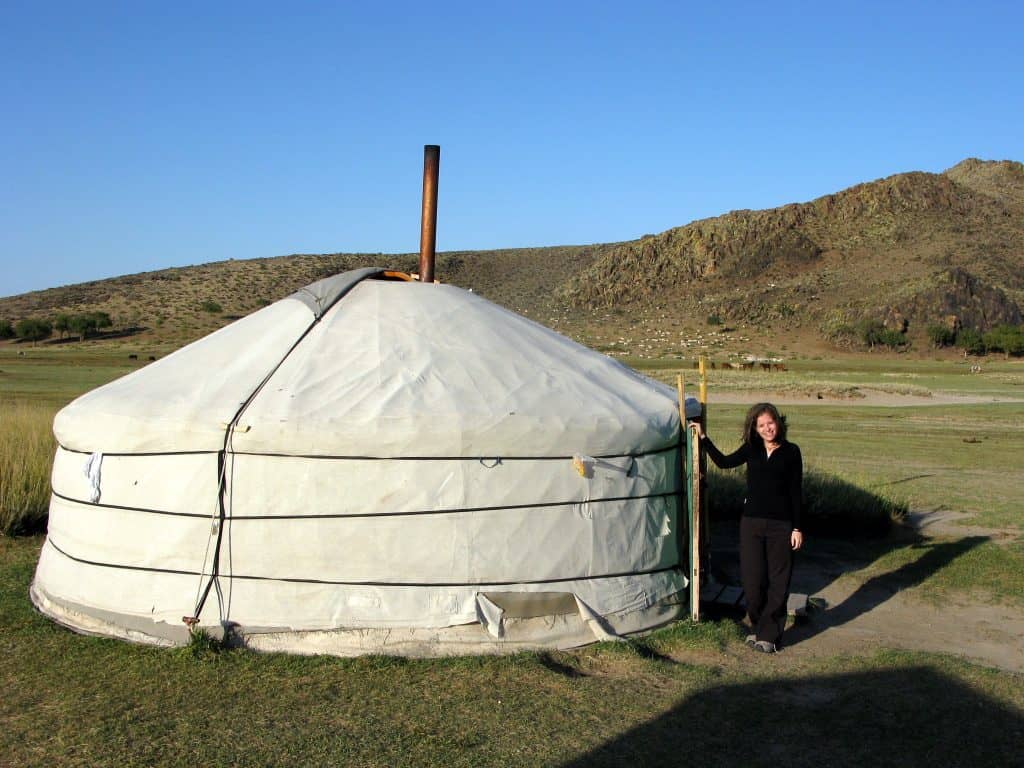
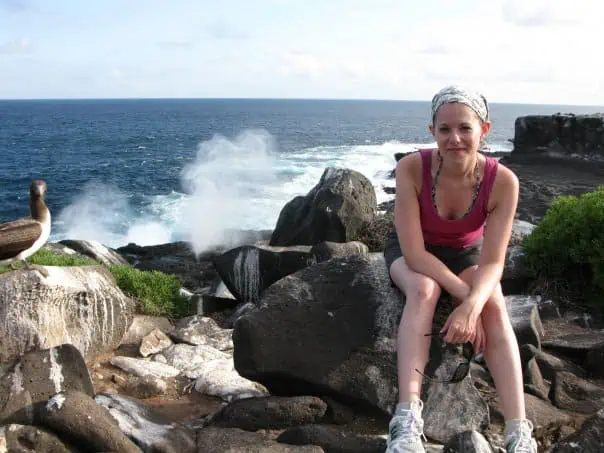
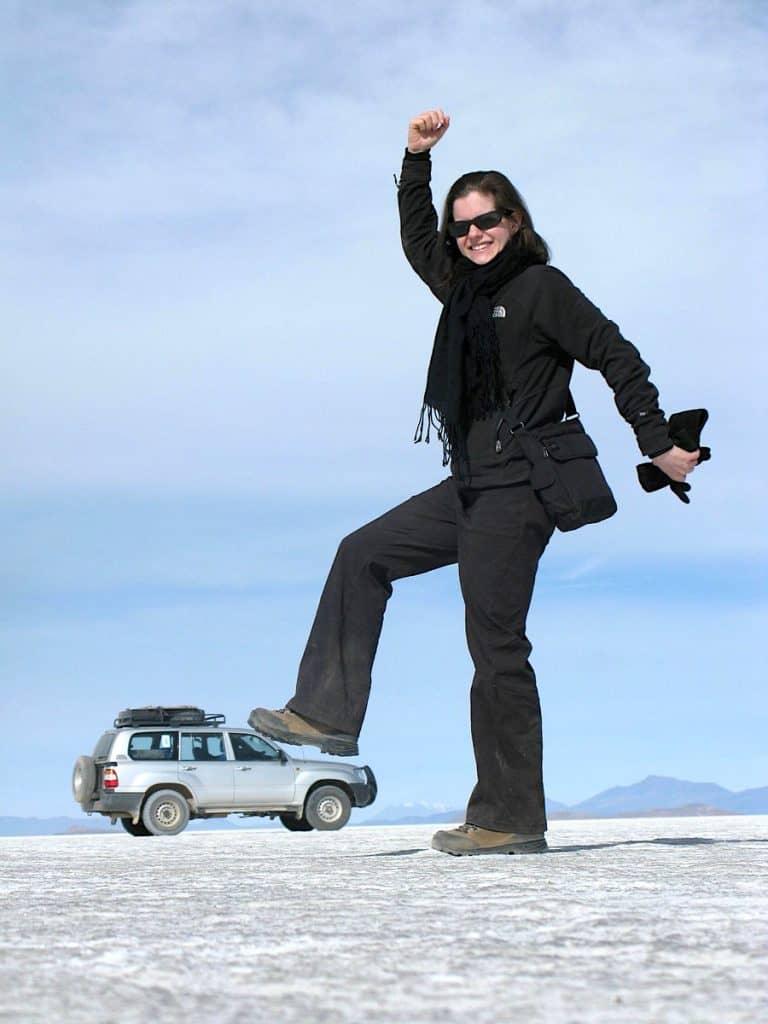
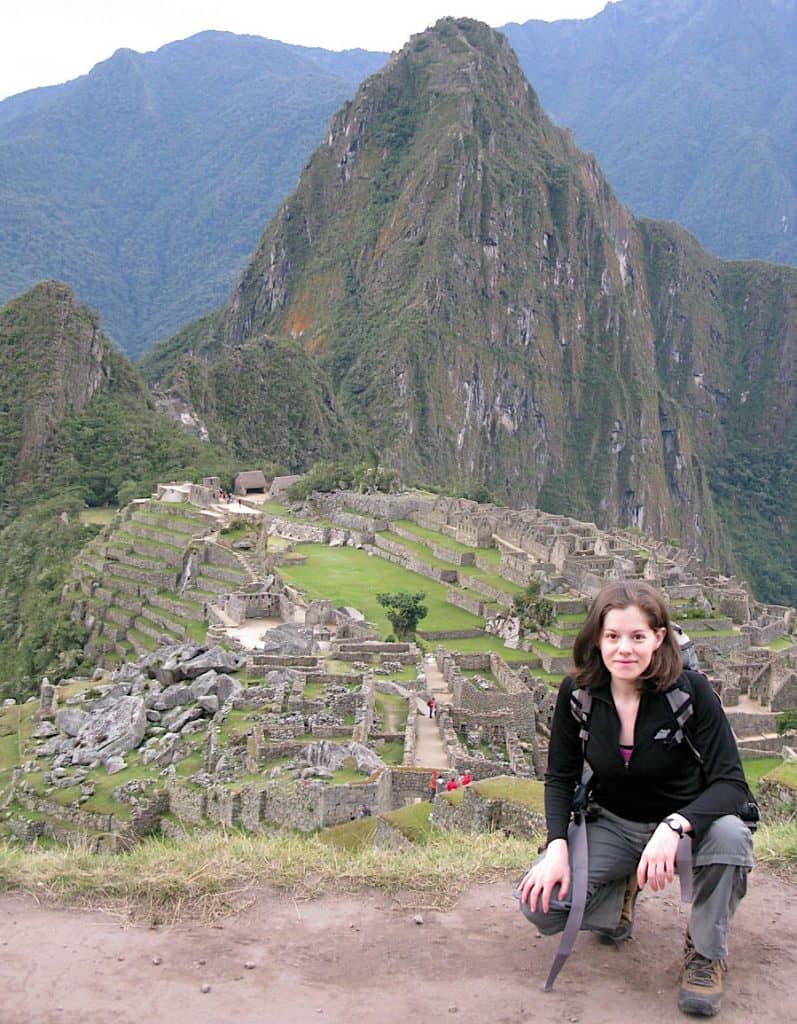
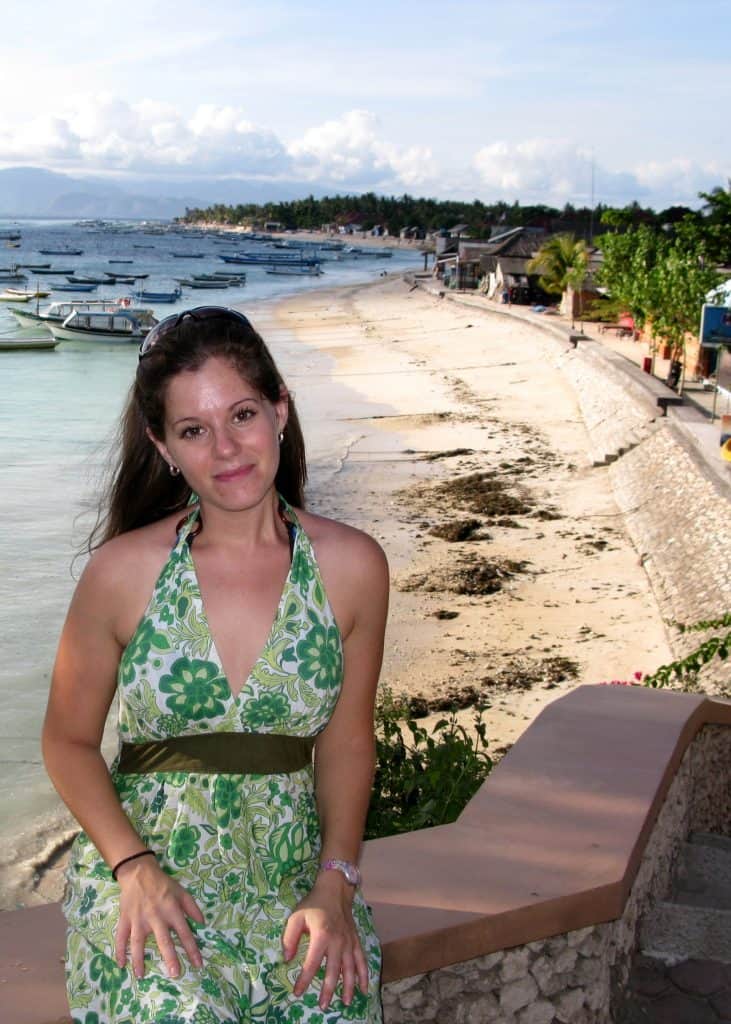
- 2010: While in Brooklyn, Ettenberg’s residence was burgled. Thieves stole her laptop and all backup hard drives containing the original high-resolution photography of her travels through Southeast Asia, South America, and Europe.
- 2017: One week after her birthday, Ettenberg underwent a routine lumbar puncture that resulted in a debilitating spinal CSF leak. This condition effectively ended her career as a traveler and rendered her largely bedridden.
- 2017 (Concurrent): During the same window as her medical procedure, Ettenberg was burgled a second time in New York, losing further digital equipment.
- 2021: A homeowner in Brooklyn discovered Ettenberg’s stolen bag from the 2017 burglary hidden inside a chimney, returning her prescription glasses and expired documents.
- August 2023: Ariel contacted Ettenberg via Instagram, leading to the restoration of the 2010 archive.
Understanding the Medical Reality: Spinal CSF Leaks
The "living grief" described by Ettenberg is rooted in the physiological reality of a spinal CSF leak. This condition occurs when a hole or tear develops in the dura mater, the tough outer membrane that holds cerebrospinal fluid around the brain and spinal cord. When this fluid leaks out, the brain loses its buoyancy and "sags" within the skull when the patient is upright, causing excruciating headaches, tinnitus, nausea, and cognitive dysfunction.
According to data from the Spinal CSF Leak Foundation, the incidence of spontaneous leaks is estimated at 5 per 100,000 people per year. However, many cases remain undiagnosed or misdiagnosed as migraines or psychiatric conditions. For Ettenberg, the leak has proven "unfixable" despite multiple interventions, leading to a permanent state of disability. This medical context is essential to understanding why the recovery of her 2010 photos is more than a simple return of property; it represents a bridge to an "able-bodied" identity that has been physically severed.

The Psychological Framework of Ambiguous Loss and Living Grief
Ettenberg’s advocacy has frequently touched upon the work of Dr. Pauline Boss, who coined the term "ambiguous loss" in the 1970s. This psychological state occurs when a person is physically present but psychologically absent (as in dementia) or psychologically present but physically absent (as in a missing person). Ettenberg has expanded this framework to include the experience of chronic illness, where the patient must mourn the "death" of their former capabilities while their physical body remains.
Sociological analysis suggests that "living grief" is often more difficult to process than bereavement because it lacks the traditional rituals of mourning—funerals, obituaries, and community support. In the case of chronic illness, the "loss" is compounded daily by the inability to perform basic tasks or maintain professional roles. Ettenberg notes that while society understands the finality of death, it is often impatient with the "interminable duration" of chronic disability, frequently placing the burden of "recovery" or "positivity" on the patient.
Data Privacy and the Altruism of the "Digital Samaritan"
The recovery of the 2010 hard drives also highlights a significant, if often overlooked, aspect of digital privacy and data security. A 2019 study by the University of Hertfordshire found that approximately 42% of used hard drives sold on the secondary market still contain personal data, despite attempts by previous owners to delete the files.

In Ariel’s case, his decision to preserve the data rather than simply reformatting the drive for his own use represents a rare act of digital altruism. Professional archivists and cybersecurity experts often emphasize that once data is stolen or sold, it is typically lost forever or exploited. The fact that a filmmaker in New York held onto these files for over a decade, waiting for the right moment to conduct a search for the owner, underscores a human element that exists beneath the surface of the hardware trade.
Broader Implications for the Chronic Illness Community
The restoration of Ettenberg’s memories has resonated deeply within the chronic illness and "spoonie" communities. Her experience serves as a case study in how the digital world can provide a sense of continuity for those whose physical worlds have shrunk.

The implications of this event are twofold:
- Validation of Narrative: For patients living with invisible illnesses, the ability to access their own history—their "proof" of a life lived before disability—can be a vital tool in maintaining mental health and a sense of self.
- The Role of Community Advocacy: Ettenberg has utilized her platform to move away from "travel inspiration" toward "disability advocacy." By sharing the details of her grief and the subsequent joy of this recovery, she provides a roadmap for others navigating similar medical traumas.
Conclusion: The Intersections of Serendipity and Resilience
As Jodi Ettenberg enters her 47th year, her life remains defined by a stark duality: the physical confinement of a spinal CSF leak and the expansive reach of her digital legacy. The recovery of her 2010 travel archives does not "cure" her condition, nor does it erase the years of living grief. However, it provides a rare moment of closure in a life currently defined by medical ambiguity.
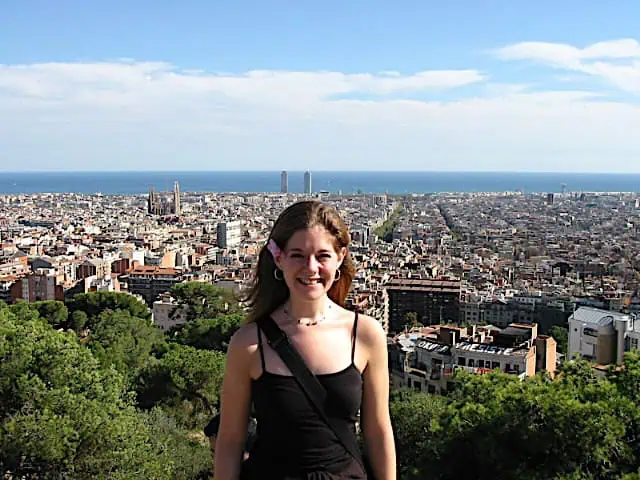
From a journalistic perspective, this story serves as a reminder of the persistence of data and the unpredictable nature of human connection in the 21st century. It highlights the necessity for greater medical awareness regarding spinal CSF leaks and a more nuanced societal understanding of chronic grief. While Ettenberg may spend the remainder of her forties in a state of limited mobility, the return of her memories ensures that the ten years she spent documenting the world remain a vivid, accessible part of her present identity. The story of the "Brooklyn Miracle" is, ultimately, a testament to the idea that even when a body is broken, the narrative of a life can be restored through the kindness of strangers and the enduring nature of digital footprints.
