

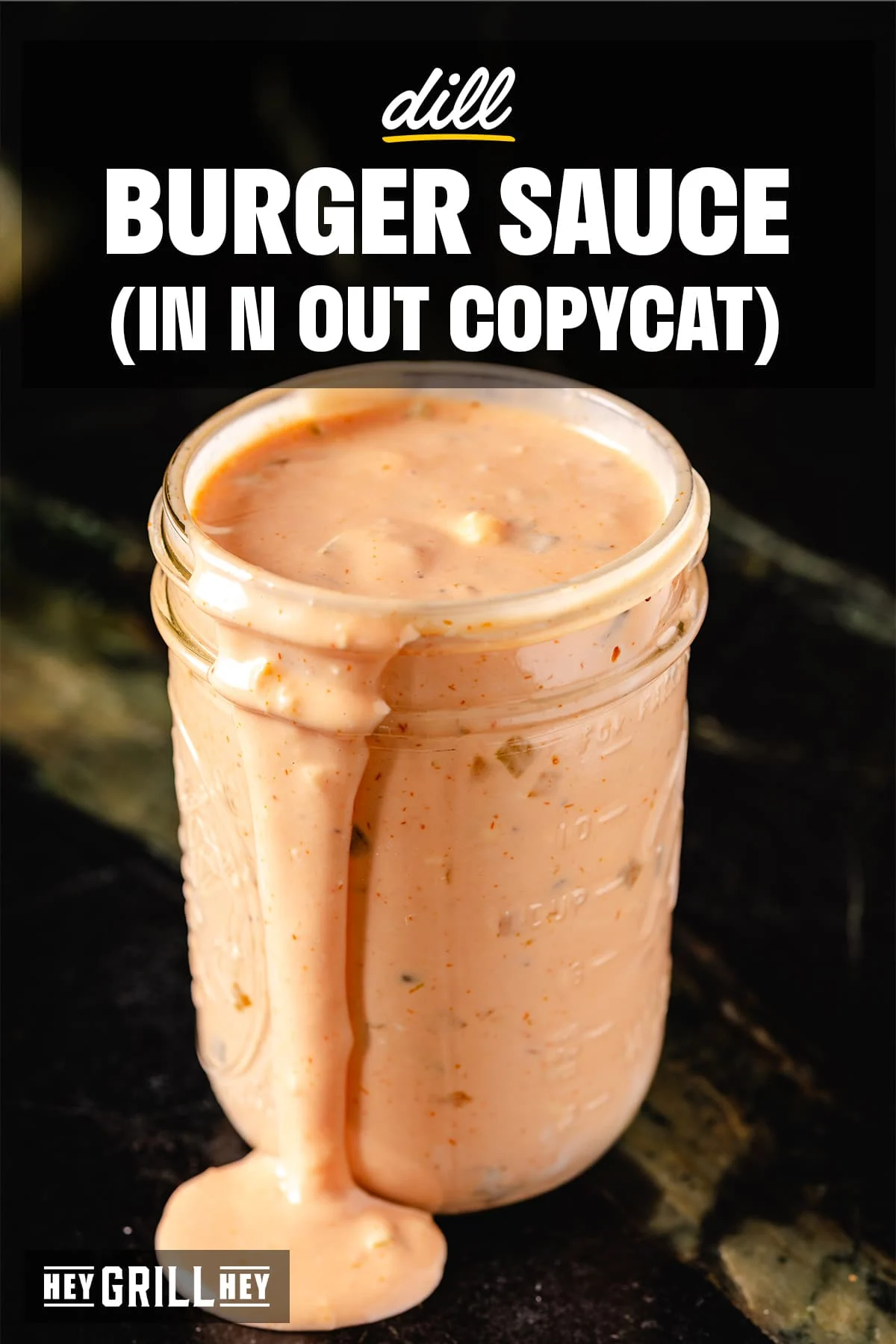
The culinary landscape of the mid-2020s has been significantly shaped by the intersection of social media virality and a growing consumer desire for high-quality, at-home replications of iconic fast-food staples. Central to this movement is the recent release of a comprehensive Dill Burger Sauce recipe by Susie Bulloch of Hey Grill Hey, designed to emulate the "spread" popularized by the California-based fast-food chain In-N-Out Burger. This recipe, characterized by its five-ingredient composition and five-minute preparation time, serves as a focal point for understanding the broader trends in the condiment industry and the "copycat" culture that has permeated digital food media. By utilizing a foundational blend of mayonnaise and ketchup augmented by diced dill pickles, sugar, and distilled white vinegar, the recipe aims to provide a nostalgic diner-style flavor profile that balances creaminess with acidity and texture.
The Historical Context of the In-N-Out Spread
To understand the significance of a "copycat" sauce, one must examine the historical origins of the original inspiration. In-N-Out Burger, founded by Harry and Esther Snyder in 1948 in Baldwin Park, California, introduced a "spread" that differed from the standard mustard and ketchup offerings of its competitors. While many fast-food chains utilized a basic Thousand Island dressing, In-N-Out’s specific ratio of ingredients became a closely guarded trade secret, fueling decades of culinary speculation.
The rise of the "Secret Menu," which includes the famous "Animal Style" burger, further elevated the status of the spread. This menu, which was not officially advertised but became common knowledge among enthusiasts, relies heavily on the application of this specific sauce. As the brand expanded across the American West, the mystique of its ingredients grew, leading to a proliferation of home-cook attempts to reverse-engineer the flavor. The modern iteration of this pursuit, as seen in the Dill Burger Sauce recipe, reflects a refined understanding of flavor balancing—specifically the use of dill pickles rather than sweet relish to provide a brighter, more zesty finish.
Chronology of the Viral "Flying Dutchman" Trend
The release of this specific sauce recipe is closely tied to the 2023-2024 resurgence of the "Flying Dutchman" burger trend on platforms such as TikTok and YouTube. The Flying Dutchman, originally an In-N-Out secret menu item consisting of two beef patties and two slices of cheese without a bun, became a viral sensation when influencers began pairing it with grilled onions and heavy applications of copycat spread.

In late 2023, digital creators began documenting their attempts to recreate this "carb-free" burger at home, citing both the rising cost of fast food and the lack of In-N-Out locations in many regions of the United States. Susie Bulloch’s contribution to this trend involved a technical breakdown of the sauce components, ensuring that the acidity of the vinegar and the crunch of the dill pickles accurately mimicked the professional product. This chronological progression from a niche regional menu item to a global digital trend highlights the power of social media in shifting consumer cooking habits.
Technical Analysis of Ingredients and Flavor Chemistry
The efficacy of the Dill Burger Sauce lies in its adherence to the principles of food science, particularly regarding emulsions and pH balance. The recipe calls for:
- Mayonnaise: Acts as the primary lipid base, providing a creamy mouthfeel and stabilizing the other ingredients through its emulsified egg yolk and oil structure.
- Ketchup: Introduces sweetness, tomato umami, and a mild vinegar tang, while also providing the signature salmon-pink hue associated with classic burger spreads.
- Diced Dill Pickles: Unlike sweet relish, which can over-saturate the sauce with sugar, diced dill pickles provide a sharp, lactic acid-driven brightness and essential texture.
- Sugar: Functions as a flavor enhancer that mitigates the sharpness of the vinegar, achieving a "roundness" on the palate.
- Distilled White Vinegar: Increases the overall acidity, which is crucial for cutting through the fat of a high-protein beef burger.
From a nutritional perspective, a standard serving of this sauce (approximately one tablespoon) contains 111 calories and 11 grams of fat. While high in lipids, the sauce is low in carbohydrates (4g) and protein (0.3g), making it a calorie-dense condiment intended for flavor enhancement rather than primary nutrition.
Economic and Social Implications of the Copycat Movement
The popularity of recipes like the Dill Burger Sauce is not merely a culinary preference but a reflection of current economic conditions. According to data from the Bureau of Labor Statistics, the Consumer Price Index for "food away from home" increased significantly between 2021 and 2024. This inflation has prompted a "DIY" (Do-It-Yourself) movement where consumers seek to replicate "luxury" or "iconic" fast-food experiences at a fraction of the cost.
Furthermore, the democratization of "secret recipes" represents a shift in power from corporate entities to independent culinary experts and home cooks. Historically, restaurant recipes were protected intellectual property. In the digital age, the collaborative nature of the internet allows for the rapid deconstruction of these products. This has forced major chains to compete not just with each other, but with the high-quality versions of their own products being made in home kitchens.

Market Trends in the Condiment Industry
The Dill Burger Sauce recipe aligns with broader market trends in the global condiment and sauce industry, which is projected to reach a valuation of over $180 billion by 2030. There is a documented consumer shift toward "premiumization" and "specialty sauces." Consumers are no longer satisfied with basic ketchup or mustard; they demand complex profiles such as "zesty," "tangy," and "artisan."
Data suggests that younger demographics, particularly Gen Z and Millennials, are the primary drivers of this trend. They are more likely to experiment with "mash-up" condiments (like the mayo-ketchup base) and are highly influenced by digital content creators. The success of the Hey Grill Hey sauce is indicative of a market where the "story" and "utility" of a sauce—such as its ability to be used as a dip for fries, a spread for sandwiches, or a dressing for salads—are as important as the flavor itself.
Storage, Safety, and Quality Control
A critical aspect of professional-grade sauce preparation is the management of shelf life and food safety. Because the Dill Burger Sauce utilizes a mayonnaise base, it is susceptible to bacterial growth if not handled correctly. Journalistic analysis of the recipe’s storage guidelines indicates that the use of an airtight container, such as a hinged glass Mason jar, is essential for maintaining freshness.
The recommended shelf life of two weeks is consistent with the stability of commercial mayonnaise once opened and mixed with acidic components like vinegar and pickles. The acidity of the vinegar acts as a mild preservative, lowering the pH of the mixture and inhibiting certain types of spoilage. However, home cooks are cautioned to maintain a constant refrigeration temperature of 40°F (4°C) or below to ensure the sauce remains safe for consumption.
The Role of Digital Food Influencers
Susie Bulloch’s emergence as a "BBQ Boss Lady" and a prominent figure on the Food Network underscores the changing nature of culinary authority. Traditional gatekeepers, such as Michelin-starred chefs or cookbook publishers, now share the stage with digital entrepreneurs who build communities through accessible, reliable content.

The Hey Grill Hey platform, which includes a website, mobile application, and YouTube channel, represents a modern media conglomerate built on the "backyard hero" archetype. By providing free access to high-demand recipes like the In-N-Out copycat spread, these influencers foster a high degree of brand loyalty. This business model relies on the "freemium" approach—providing valuable information for free while generating revenue through affiliate marketing, specialized product lines (such as rubs and sauces), and ad revenue.
Conclusion and Broader Impact
The Dill Burger Sauce is more than a simple condiment; it is a symptom of a broader cultural shift toward culinary transparency and the celebration of the American diner tradition. As consumers continue to navigate an era of high costs and digital connectivity, the ability to recreate iconic flavors at home provides a sense of agency and nostalgia.
The implications for the food industry are significant. National chains may find it increasingly difficult to maintain "secret" profiles as home cooks become more sophisticated in their understanding of flavor chemistry. Simultaneously, the rise of specialized, homemade condiments continues to challenge the dominance of mass-produced, shelf-stable alternatives. Ultimately, the success of the Dill Burger Sauce highlights the enduring appeal of the classic American flavor palette—sweet, tangy, and creamy—and its capacity to adapt to the demands of the modern, digitally-driven kitchen.
