

The Finnish Long Drink, known colloquially in its home country as "lonkero," has transitioned from a temporary solution for a mid-century sporting event into a cornerstone of Finnish national identity and a burgeoning contender in the international ready-to-drink (RTD) beverage market. Originally conceived to alleviate the pressure on bartenders during the 1952 Summer Olympics in Helsinki, the blend of gin and grapefruit soda has survived decades of shifting consumer tastes and strict alcohol regulations to become one of Finland’s most successful export products. As of the mid-2010s, the beverage has moved beyond the borders of Northern Europe, securing distribution agreements across three continents and inspiring a dedicated global following.
The 1952 Helsinki Olympics and the Birth of Lonkero
The story of the Finnish Long Drink is inextricably linked to the socio-economic recovery of post-war Finland. In the early 1950s, Finland was preparing to host the XV Olympiad, an event seen as the nation’s formal re-entry into the international community following the hardships of World War II. However, the country faced a significant logistical challenge: its hospitality infrastructure was unequipped to handle the massive influx of international tourists and athletes.
At the time, Finland operated under a highly regulated alcohol system managed by Alko, the state-owned liquor monopoly. Bartending was a labor-intensive process, and the government feared that the crowds at the Olympic Stadium and surrounding venues would overwhelm service staff, leading to long queues and public dissatisfaction. To solve this, Alko commissioned the Hartwall brewery to create a pre-mixed, bottled cocktail that could be served quickly and efficiently.
The result was the "Gin Long Drink," a mixture of Finnish gin and grapefruit soda. While intended to be a temporary product discontinued after the closing ceremonies, the drink proved so popular among both locals and visitors that production continued. It eventually became a permanent fixture in the Finnish market, carving out a unique category in the domestic beverage industry that has persisted for over seven decades.
Historical Chronology and Market Resurgence
The trajectory of the Long Drink has not always been one of uninterrupted growth. Following its 1952 debut, the beverage became a staple of Finnish life, but it faced a period of uncertainty in the late 20th century.
- 1952: Hartwall launches the original Gin Long Drink for the Helsinki Summer Olympics.
- 1970s: Changes in production and market trends led to a brief discontinuation of the original formula, though the category remained alive through various iterations.
- 1995: Finland’s entry into the European Union led to the liberalization of alcohol laws, allowing for more competition in the RTD sector. This era saw the return of the original Hartwall recipe, fueled by consumer nostalgia and a desire for authentic heritage brands.
- 2015: Hartwall initiates a major international push, signing distribution deals to bring the "Original Long Drink" to the Netherlands, Sweden, and Belgium.
- 2016: The brand enters Asian markets, specifically targeting Japan, where the culture of "highball" drinks and canned cocktails provided a receptive audience.
- 2018–Present: The beverage enters the North American market, often backed by celebrity endorsements and capitalized on the "Hard Seltzer" boom, though it distinguishes itself by using a distilled spirit base rather than fermented malt.
Technical Composition and Flavor Profile
The traditional Finnish Long Drink typically features an alcohol by volume (ABV) ranging between 5.0% and 5.5%, although stronger variants reaching up to 7.5% exist for specific retail environments. The primary flavor profile is defined by the interaction between the botanical sharpness of gin—specifically juniper—and the acidic, slightly bitter sweetness of white grapefruit.
Analytical reviews of the leading commercial versions, such as Hartwall’s Original and Laitilan Gini Long Drink, reveal a preference for a crisp, dry finish. Hartwall’s version is noted for its prominent juniper mid-palate and a citrus depth that mimics the experience of a premium Gin and Tonic but with a smoother, more integrated carbonation. In contrast, newer competitors often experiment with natural fermentation or different grapefruit varieties, such as ruby red, which results in a sweeter, less traditional profile.
The "lonkero" category is unique because it is not merely a flavored malt beverage. In Finland, the authenticity of a Long Drink is often judged by its use of real distilled gin. This distinction has become a focal point for the industry as it expands into international markets where the definition of "RTD" can vary between spirit-based and sugar-based fermentation.
Global Expansion and the Cult of Lonkero
The internationalization of the Long Drink has been driven by a combination of strategic corporate partnerships and organic "cult" demand. In the United Kingdom, specifically in coastal cities like Brighton, the beverage has appeared in niche bars as a "quirky" alternative to traditional ciders and ales. This grassroots popularity laid the groundwork for larger-scale exports.
Market data from the mid-2010s indicated a significant shift in Hartwall’s strategy. By targeting the Benelux region and Scandinavia, the company sought to capitalize on similar palate preferences in Northern Europe. The move into Japan in 2016 was particularly strategic; Japan is one of the world’s largest markets for canned "Chuhai" (shochu highballs), and the Finnish Long Drink’s profile aligned perfectly with the Japanese consumer’s preference for refreshing, citrus-forward alcoholic beverages.
In North America, the entry of the Long Drink coincided with a broader "premiumization" of the canned cocktail market. As consumers moved away from low-calorie but flavor-light seltzers, the spirit-based Finnish import offered a more robust alternative. Industry analysts suggest that the success of the drink in the U.S. is partially due to its backstory—the Olympic heritage provides a narrative that resonates with modern consumers looking for authenticity in their brands.
The DIY Phenomenon and Consumer Adaptation
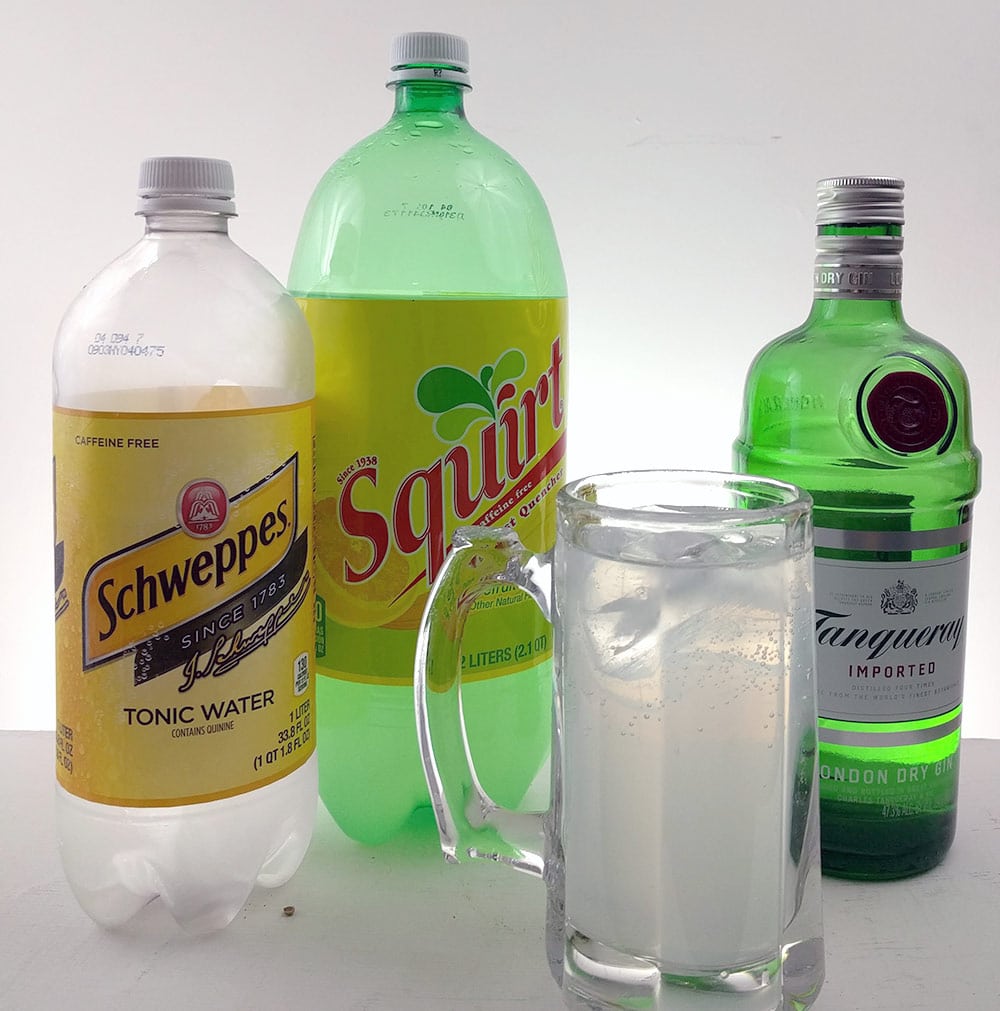
Because the Long Drink was historically difficult to find outside of Northern Europe, a robust "DIY" culture emerged among expatriates and travelers. This has led to extensive experimentation with locally available ingredients to replicate the specific "lonkero" taste.
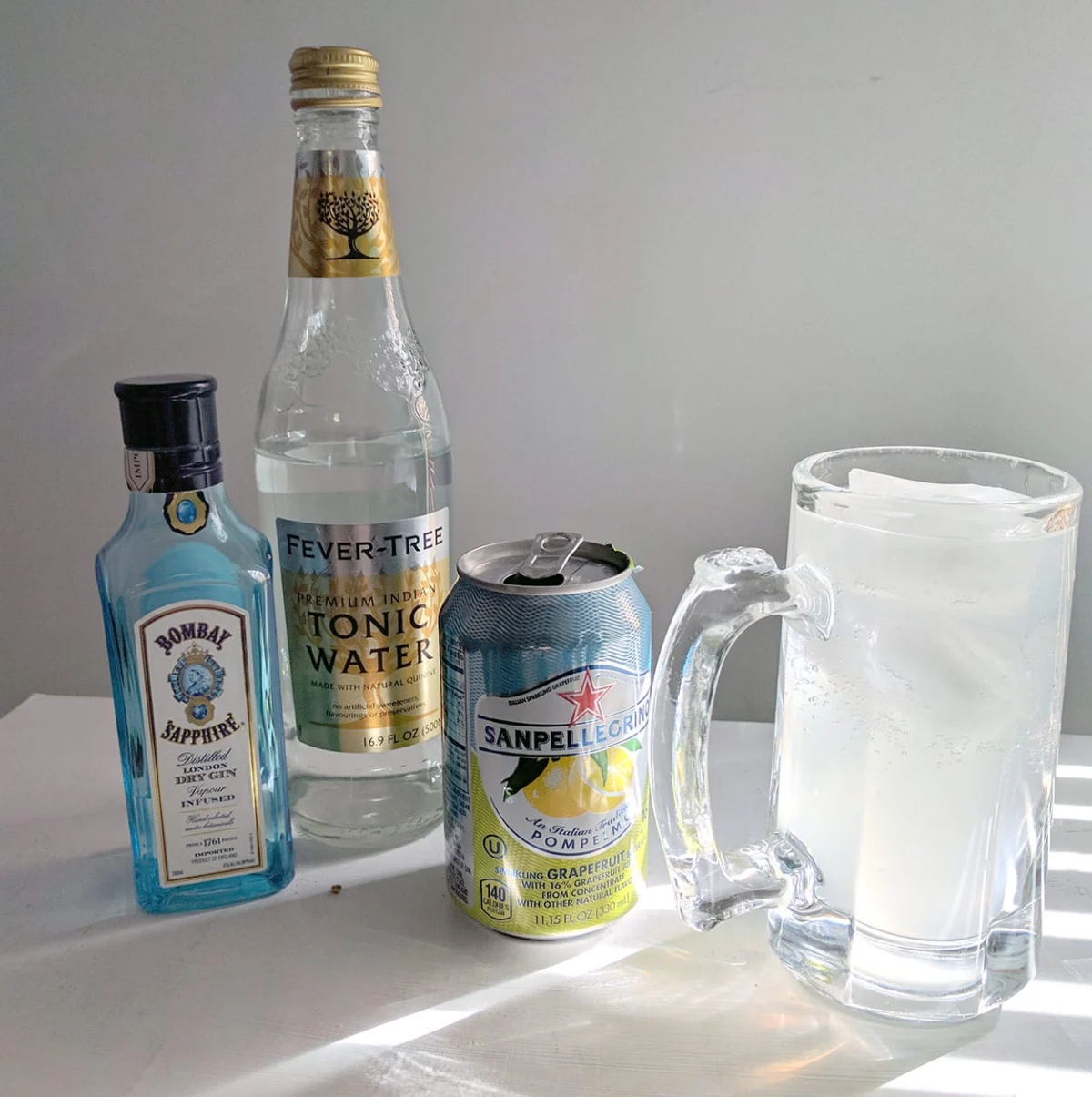
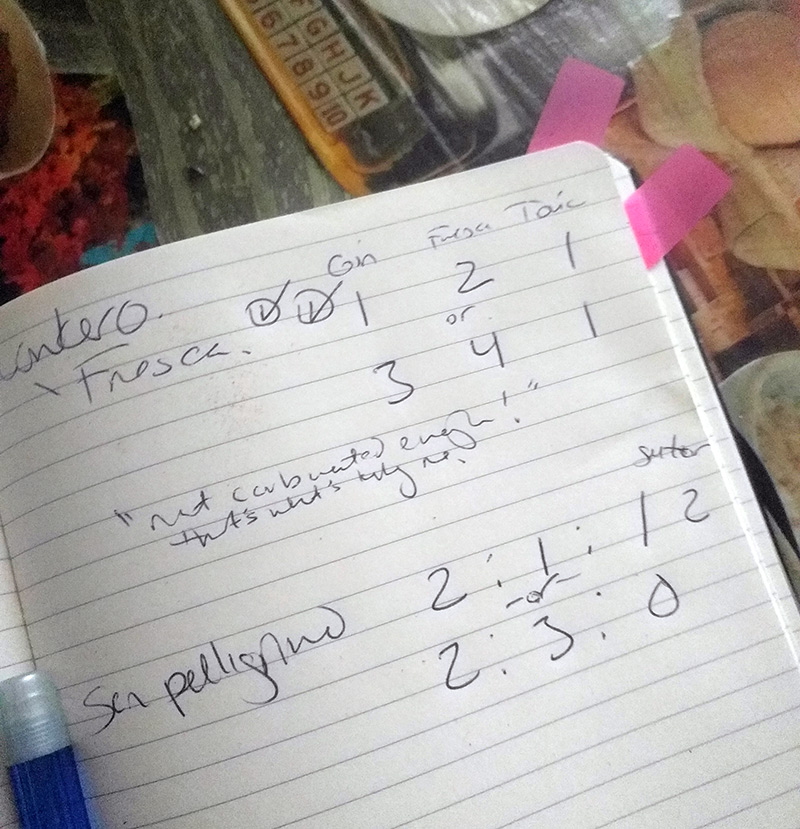
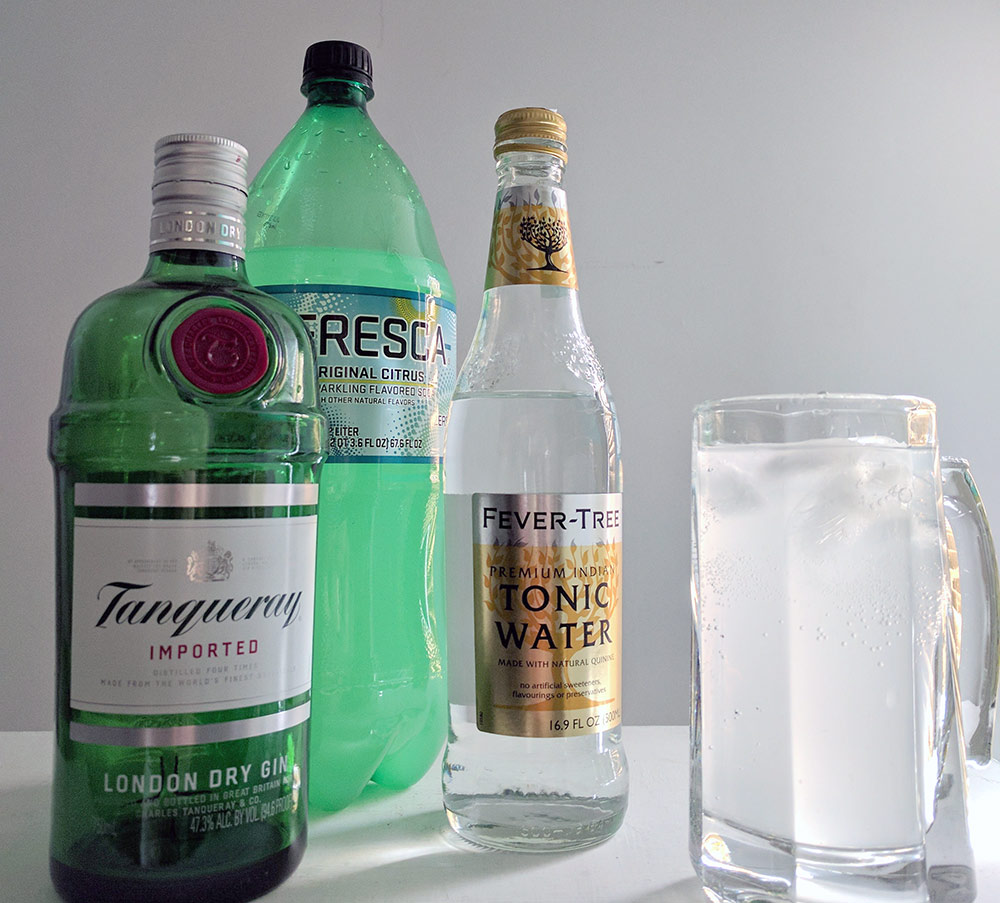
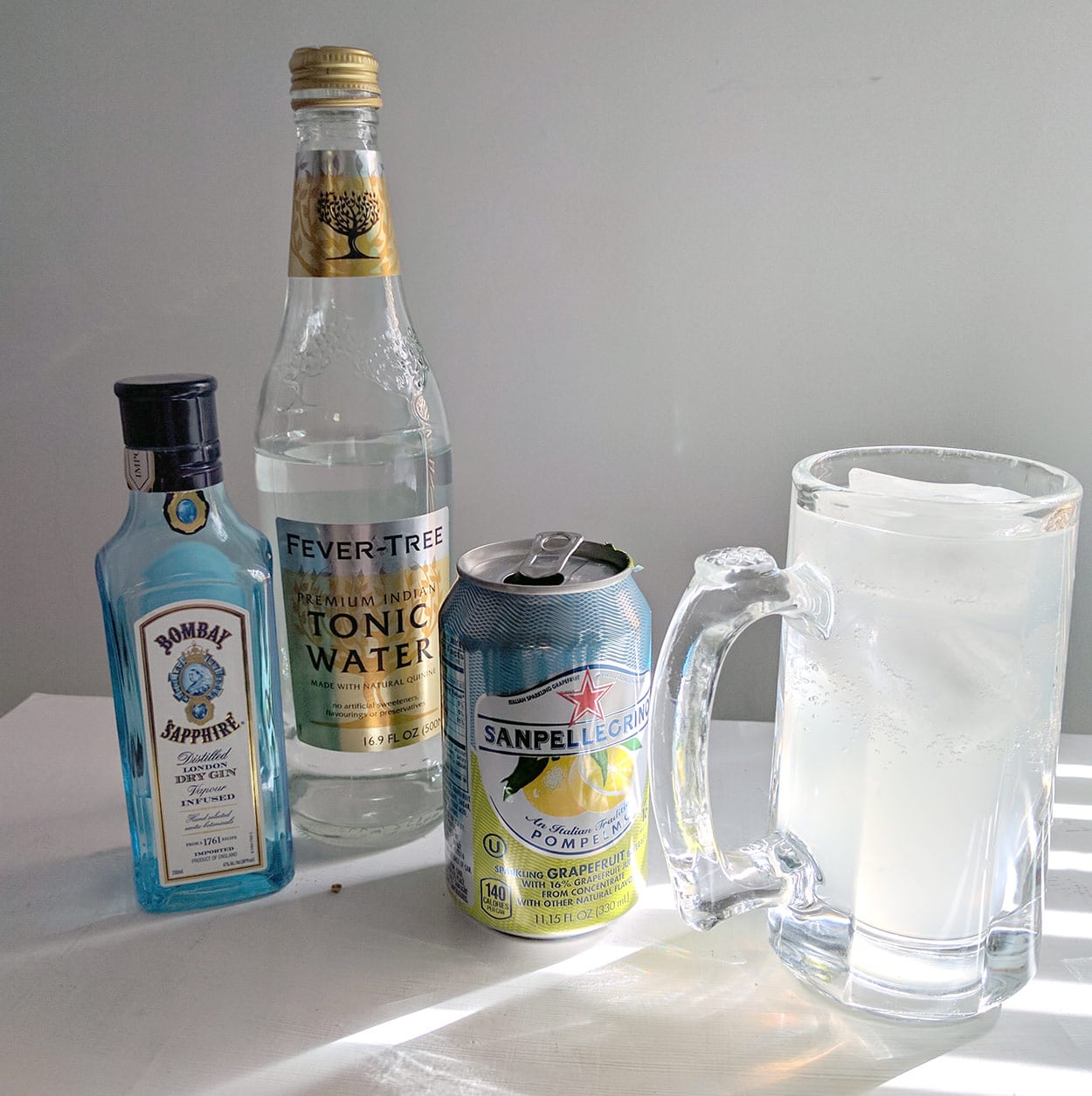
Consumer testing in North America has identified that standard grapefruit sodas, such as Squirt or San Pellegrino Pompelmo, often fail to perfectly replicate the Finnish profile due to excessive sweetness or an imbalance of tartness. However, the use of Fresca—a zero-calorie grapefruit citrus soda—combined with a juniper-forward London Dry gin (such as Tanqueray) has been cited by enthusiasts as the closest approximation to the canned Hartwall original.
The difficulty in replicating the drink at home lies in the specific "grapefruit tonic" note used in Finnish production. Unlike standard grapefruit juice, the soda used in lonkero contains a specific balance of citric acid and carbonation that supports the gin without masking its botanicals. This unique chemistry is what has allowed the commercial bottled versions to maintain a competitive advantage even as craft cocktail culture rises globally.
Broader Implications for the Beverage Industry
The rise of the Finnish Long Drink serves as a case study in how regional traditions can be scaled into global trends. It highlights the importance of "Category Protection"—in Finland, the term "Long Drink" is as protected by consumer expectation as "Champagne" is by law in France.
Furthermore, the success of lonkero has forced international beverage conglomerates to reconsider the RTD category. The shift toward spirit-based canned drinks represents a move away from the "alcopop" era of the 1990s and toward a more sophisticated market. As Hartwall and its competitors continue to expand, the Finnish Long Drink is no longer just a souvenir from a Helsinki sauna; it is a global brand that challenges the dominance of traditional beer and wine in the casual drinking sector.
Official Strategy and Future Outlook
Official statements from Finnish trade representatives emphasize that the Long Drink is a key pillar of the "Food from Finland" export program. The strategy involves positioning the drink not just as a beverage, but as a lifestyle export associated with Finnish values of purity, nature, and the "sauna spirit."
As the product becomes more widely available in North America and Asia, the focus is expected to shift toward flavor innovation. Already, cranberry, lime, and orange variants have appeared on shelves, though the original grapefruit remains the volume leader. For the global consumer, the arrival of the Finnish Long Drink represents more than just a new choice in the liquor aisle; it is the arrival of a 70-year-old tradition that has finally found its place on the world stage.
In conclusion, the Finnish Long Drink has evolved from a pragmatic solution for an overworked Olympic bar staff into a sophisticated global export. Its journey reflects broader trends in the alcohol industry: the move toward convenience, the demand for heritage-based storytelling, and the globalization of regional tastes. Whether consumed in a traditional Finnish sauna or a modern American highball bar, the "lonkero" continues to win hearts through its unique balance of gin-soaked history and refreshing grapefruit modernity.
