

The global food industry is currently a vibrant tapestry of innovation, economic challenges, ethical dilemmas, and enduring legacies. This week’s "Open Tab" offers a comprehensive look at the diverse forces shaping our culinary world, touching upon everything from the surprising offerings at popular grocery chains and the expansion of fine dining into consumer packaged goods, to persistent food safety concerns, the escalating costs of eating out, controversial tech partnerships, international intellectual property disputes, and the sweet resonance of a musical icon’s favorite dessert. These disparate threads collectively paint a picture of an industry in constant flux, grappling with technological shifts, economic pressures, and evolving consumer expectations.
Navigating Culinary Innovation and Quirks
Trader Joe’s Unconventional Wine Portfolio Sparks Debate
Trader Joe’s, a grocery chain renowned for its unique and often whimsical product selection, has recently drawn attention—and some bewilderment—for its increasingly adventurous wine offerings. Beyond the popular "Two Buck Chuck" that cemented its reputation for affordable wine, the store’s latest seasonal selections have raised eyebrows among oenophiles and casual drinkers alike. Products such as "apple pie wine" and "pumpkin spice chardonnay" have emerged, prompting discussions about the retailer’s wine strategy and the broader trend of flavored alcoholic beverages.
This foray into highly flavored, dessert-inspired wines reflects Trader Joe’s long-standing approach to product development: a blend of consumer trend responsiveness, seasonal novelty, and a willingness to experiment. While traditional wine connoisseurs might balk at the deviation from classic varietals, these offerings tap into a significant market segment that prioritizes unique experiences and seasonal flavors, particularly around holidays. The popularity of pumpkin spice, for instance, has extended far beyond lattes, permeating nearly every food and beverage category. Data from market research firms consistently show a growing consumer appetite for novelty and flavor innovation in the alcoholic beverage sector, especially among younger demographics. This trend has seen the rise of hard seltzers, flavored beers, and fruit-infused spirits, all catering to a palate seeking experiences beyond the conventional.
Industry analysts suggest that Trader Joe’s, by introducing such unconventional wines, aims to capture impulse purchases and maintain its image as a destination for discovery. While some critics express concern that these products might dilute the store’s credibility in the wine department, the strategy aligns with its overall brand identity of quirky, affordable, and often seasonal delights. The success of these items is likely measured less by critical acclaim and more by their ability to generate buzz, drive foot traffic, and appeal to a specific, adventurous customer base. The "wellness check" sentiment, while humorous, underscores a genuine curiosity about the rationale behind such distinct product choices in an otherwise competitive market.
Fine Dining Goes CPG: Daniel Humm’s Riff Enters the Market
In a significant move bridging the gap between haute cuisine and everyday convenience, acclaimed chef Daniel Humm, of the three-Michelin-starred Eleven Madison Park, has launched his own line of consumer packaged goods (CPG) called Riff. This venture sees Humm, known for his innovative and, more recently, entirely plant-based fine dining approach, bringing gourmet-inspired boxed pasta dishes to a broader audience. Each Riff package includes pasta, seasoning mixes, and crunchy toppings, along with suggestions for incorporating fresh ingredients, encouraging consumers to "riff" on his culinary foundations.
Humm’s entry into the CPG market is part of a growing trend where celebrated chefs leverage their brand recognition to reach consumers beyond the confines of their restaurants. This strategy allows chefs to diversify their revenue streams, expand their culinary philosophy, and cater to a public increasingly seeking premium convenience foods. The CPG market, particularly in the gourmet and health-conscious segments, has seen robust growth, with consumers willing to pay a premium for quality ingredients and chef-driven concepts that simplify home cooking.
For a chef like Humm, who transitioned Eleven Madison Park to a vegan menu in 2021, Riff also represents an opportunity to scale his plant-based vision. The product line emphasizes fresh ingredient additions, aligning with a consumer demand for customizable meals that feel both healthy and indulgent. The timing is opportune, as the meal kit and elevated convenience food sectors have boomed, particularly post-pandemic, as people spend more time cooking at home but still desire restaurant-quality experiences without the full effort. The challenge for Riff, as for any chef-driven CPG, will be maintaining the perceived quality and distinctiveness associated with a fine dining brand while navigating the complexities of mass production and distribution. Initial reactions from food critics and early adopters will be crucial in determining its long-term success in a crowded market.
The Enduring Challenge of Food Safety and Supply Chain Integrity
Cyclospora Outbreak Concludes Amid Broader Safety Concerns
In a recent development that brought relief to public health officials and consumers, the Centers for Disease Control and Prevention (CDC) announced the official conclusion of the Cyclospora outbreak, which had affected approximately 13,000 cases nationwide. Cyclospora cayetanensis is a microscopic parasite that can cause cyclosporiasis, an intestinal infection with symptoms including severe diarrhea, nausea, and fatigue. These outbreaks are frequently linked to contaminated fresh produce, especially imported items, highlighting the intricate vulnerabilities within the global food supply chain.
The recent outbreak underscored the persistent challenges in ensuring food safety, particularly with fresh, often un-cooked, produce. Public health agencies like the CDC and the Food and Drug Administration (FDA) work tirelessly to trace the source of contamination, issue public warnings, and implement preventative measures. The investigation and resolution of an outbreak of this scale involve extensive epidemiological work, laboratory testing, and collaboration with food producers and distributors. While the immediate crisis has passed, the incident serves as a stark reminder of the continuous need for vigilance across the entire food production and distribution network, from farm to fork.
However, the Cyclospora resolution comes against a backdrop of ongoing and diverse food safety issues that continue to challenge regulators and concern consumers. For instance, recent reports have highlighted recalls of ice cream products due to the presence of "small stones and other hard objects," posing choking hazards and potential dental damage. Such incidents, though different in origin from parasitic contamination, point to broader manufacturing quality control issues that can arise even in seemingly benign food products. These varied safety challenges emphasize the complex nature of modern food production, where contamination can occur at multiple points—from agricultural practices and processing facilities to transportation and packaging—necessitating robust monitoring and rapid response systems to protect public health.
Chipotle’s Data-Driven Food Safety Strategy with Palantir
Chipotle Mexican Grill, a fast-casual giant that has faced its share of high-profile food safety incidents in the past, has embarked on a new, data-intensive partnership with Palantir Technologies. This collaboration aims to enhance Chipotle’s food safety protocols through a sophisticated risk assessment platform. According to Laurie Schalow, Chipotle’s chief corporate affairs and food safety officer, the platform will centralize key information, enabling teams to "more effectively identify trends, prioritize follow-up, and make proactive, data-informed decisions." The goal is to significantly reduce the incidence of food safety issues across its numerous locations.
However, the choice of Palantir as a partner has ignited debate, particularly among privacy advocates and civil liberties groups. Palantir, a multibillion-dollar tech company co-founded by Peter Thiel, has a controversial history, primarily known for its extensive work with government agencies, including contracts with U.S. Immigration and Customs Enforcement (ICE) to track migrants’ movements. Critics argue that Palantir’s involvement in such sensitive government operations raises serious questions about data privacy, surveillance capabilities, and ethical responsibility.
The partnership with Chipotle highlights a growing tension between technological solutions designed for efficiency and safety, and public concerns over data collection and corporate ethics. While Chipotle’s motivation is clearly rooted in a desire to bolster its food safety record—a critical factor for consumer trust and brand reputation following past outbreaks—Palantir’s track record casts a shadow over the initiative. The question arises whether the pursuit of enhanced food safety through advanced data analytics could inadvertently lead to broader data collection on consumer behavior, potentially without full transparency or consent. As the platform rolls out, stakeholders will closely monitor whether this collaboration genuinely translates into a safer dining experience for Chipotle customers, or if it merely expands the reach of a company with a contentious reputation into the consumer sector, raising new ethical considerations regarding the use of personal and operational data.
The Shifting Economics of Gastronomy
The Escalating Cost of Dining: A Deep Dive into Food Inflation
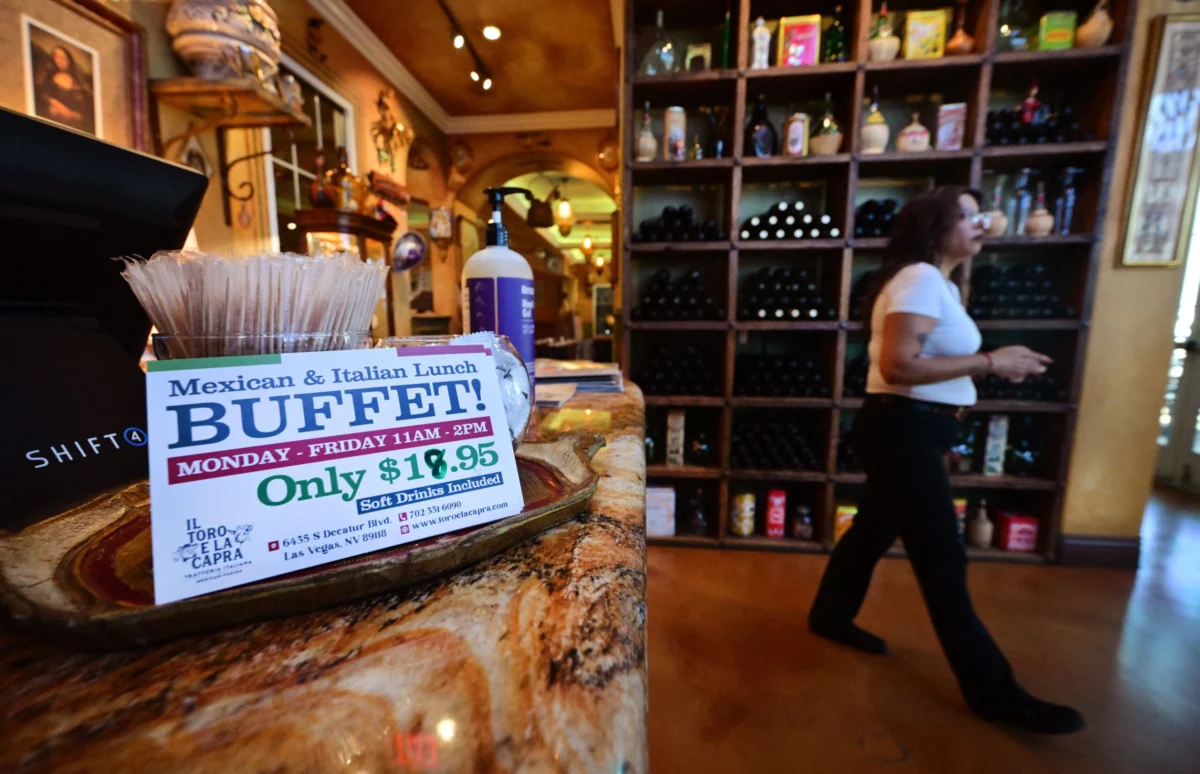
The act of dining out, once a routine pleasure for many, is increasingly becoming a luxury, reflecting a widespread phenomenon of food inflation impacting nearly every segment of the industry. This economic reality is palpable, from high-end establishments to popular fast-food chains. A burger at Washington D.C.’s Le Diplomate, for instance, now commands $29, more than double its price from 13 years ago. In New York, Gigi’s ignited a public discourse over menu pricing with a $77 roast chicken, while in Florida, events are featuring $100 hot dogs. Even at McDonald’s, a benchmark for affordability, prices have reportedly doubled over the last decade, often accompanied by reduced serving sizes.
This dramatic escalation in food prices is a multifaceted issue driven by a confluence of global and domestic economic factors. A significant contributor is the ongoing geopolitical instability, particularly the war in Iran (likely referring to broader Middle Eastern conflicts or supply chain impacts rather than a direct conflict with Iran), which has a profound effect on global fuel prices. Energy costs directly impact every stage of the food supply chain, from agricultural production and harvesting to processing, transportation, and refrigeration. Higher fuel costs translate into higher operating expenses for farmers, distributors, and restaurants, which are then passed on to consumers.
Simultaneously, persistent inflation is a major culprit. Central banks, like the Federal Reserve, have been compelled to raise interest rates—as seen with recent rate bumps—in an attempt to cool down an overheating economy and curb rising prices. While intended to stabilize the economy, these measures can also contribute to a tightening of consumer spending power. Furthermore, restaurants themselves are grappling with significantly increased operational costs. Supply chain disruptions, exacerbated by the pandemic and subsequent global events, have led to higher prices for ingredients. Labor costs have also surged due to increased minimum wages, a competitive job market, and a persistent shortage of workers in the hospitality sector. Utility expenses, tied to energy prices, further compound these financial pressures.
Beyond these tangible cost increases, there’s also a subtle shift in the perception and pricing of "luxury" items. What was once considered rare, such as caviar, is now "par for the course" on many menus, appearing in unexpected contexts like atop a hot dog. Similarly, Wagyu beef, once a hard-to-source, exclusive import, is now widely available across various price points, even featuring in all-you-can-eat experiences for $158. This democratization of luxury ingredients, while seemingly offering more access, contributes to a general upward creep in pricing, as diners become accustomed to premium components.
The broader implication of this "era of expensive everything" is that consumers are becoming, by necessity, far more discerning. With every meal representing a more significant financial outlay, diners are compelled to meticulously evaluate which experiences truly warrant the cost, shifting spending habits and potentially reshaping the landscape of the restaurant industry as establishments strive to justify their price points through exceptional quality, unique experiences, or perceived value.
Global Agriculture and Intellectual Property Battles
The Battle for Berries: Driscoll’s IP Struggle in China
The global agricultural market is not immune to intense competition and intellectual property (IP) disputes, a reality sharply illustrated by Driscoll’s, the dominant berry producer, and its struggles in China. Approximately a decade and a half ago, Driscoll’s strategically entered the Chinese market, aiming to cultivate a taste for blueberries among Chinese consumers. The company invested heavily, introducing advanced growing technologies and proprietary blueberry genetics to ensure superior quality and yield. This initiative proved remarkably successful, contributing to a blueberry boom in China. By 2025, Chinese blueberry production had reportedly doubled that of the United States, transforming the country into a major player in the global berry market.
However, Driscoll’s success attracted unwanted attention. According to a report by The Wall Street Journal, Chinese business owners allegedly engaged in widespread copying of Driscoll’s advanced blueberry-growing technologies. More critically, some are accused of outright stealing Driscoll’s copyrighted blueberry varieties, effectively benefiting from years of proprietary research and development without authorization. This practice, often termed agricultural IP theft, allows competitors to bypass significant investment costs and rapidly gain market share, undermining the original innovator’s competitive advantage.
In response to these alleged infringements, Driscoll’s has taken aggressive legal action, filing more than 20 lawsuits against Chinese companies. While navigating the complexities of IP enforcement in China can be challenging for foreign companies, Driscoll’s has achieved some success, reportedly winning at least two of these cases. These legal battles highlight the broader issue of intellectual property protection in rapidly developing economies and the challenges faced by international corporations operating in markets where IP enforcement mechanisms may differ or be less robust.
The "blueberry scam" has significant implications for global agricultural innovation. Companies like Driscoll’s invest substantial resources in research and development to breed new, more resilient, and higher-yielding fruit varieties. If these innovations can be easily copied and exploited, it disincentivizes future investment and could stifle progress in sustainable and efficient food production worldwide. For consumers, such disputes can impact supply stability and pricing, while for the industry, it underscores the critical need for stronger international IP protections and enforcement to foster fair competition and reward innovation.
Culinary Legacies and Entrepreneurial Spirit
Prince’s Palate and the Sweet Legacy of a Cheesecake Empress
Beyond the headlines of global economics and corporate strategy, the food world also celebrates personal stories of passion, culinary artistry, and enduring legacies. One such story is that of Vanessa Drews, whose love for baking cheesecakes transformed into a thriving business, intimately linked to the iconic musician Prince. Drews initially crafted her cheesecakes purely for the joy of it, a dedicated "cheesecake-head" perfecting her craft. Her culinary journey took an extraordinary turn when Prince himself developed a distinct fondness for her desserts.
This celebrity endorsement, albeit posthumous in its full public recognition, provided a unique foundation for Drews’s entrepreneurial venture. Last September, she realized her dream of opening a brick-and-mortar shop, strategically located just four miles from Paisley Park, Prince’s legendary home and studio in Chanhassen, Minnesota. At her establishment, Drews proudly serves the very same Prince-approved recipes that captivated the musical genius.
Drews’s story is a testament to the power of quality, personal connection, and the unexpected ways in which legacies can be preserved and celebrated. For Prince’s legions of fans, her cheesecake shop offers a tangible, edible link to the artist’s personal tastes, transforming a simple dessert into a piece of cultural heritage. This niche market taps into fan tourism and the desire for authentic experiences connected to beloved figures. The success of her shop demonstrates how a unique, high-quality product, coupled with a compelling narrative and a strong connection to a cultural icon, can create a sustainable business even in a competitive food service environment. It underscores the value of storytelling in branding and the enduring appeal of personalized, handcrafted goods in an increasingly mass-produced world.
Concluding Analysis: A Snapshot of a Dynamic Food Ecosystem
The narratives unfolding across the food industry reveal a complex, interconnected ecosystem influenced by a myriad of factors. From the strategic decisions of grocery giants like Trader Joe’s to the ambitious CPG ventures of fine dining chefs like Daniel Humm, innovation and adaptation are constant. However, these advancements are often tempered by pressing challenges: the omnipresent threat of foodborne illnesses, necessitating sophisticated (and sometimes controversial) technological solutions like Chipotle’s partnership with Palantir; the pervasive impact of global economic forces driving unprecedented food inflation, reshaping dining habits and the very definition of culinary luxury; and the fierce international battles over intellectual property, exemplified by Driscoll’s fight in China, which underscores the fragility of innovation in a globalized economy. Amidst these large-scale shifts, the personal, passion-driven stories, such as Vanessa Drews’s cheesecake legacy honoring Prince, remind us of the enduring human connection to food—a connection that continues to inspire, comfort, and delight, even as the industry navigates its most turbulent waters. The food landscape remains a crucible of change, where tradition meets innovation, economics clashes with ethics, and every bite tells a larger story.
