

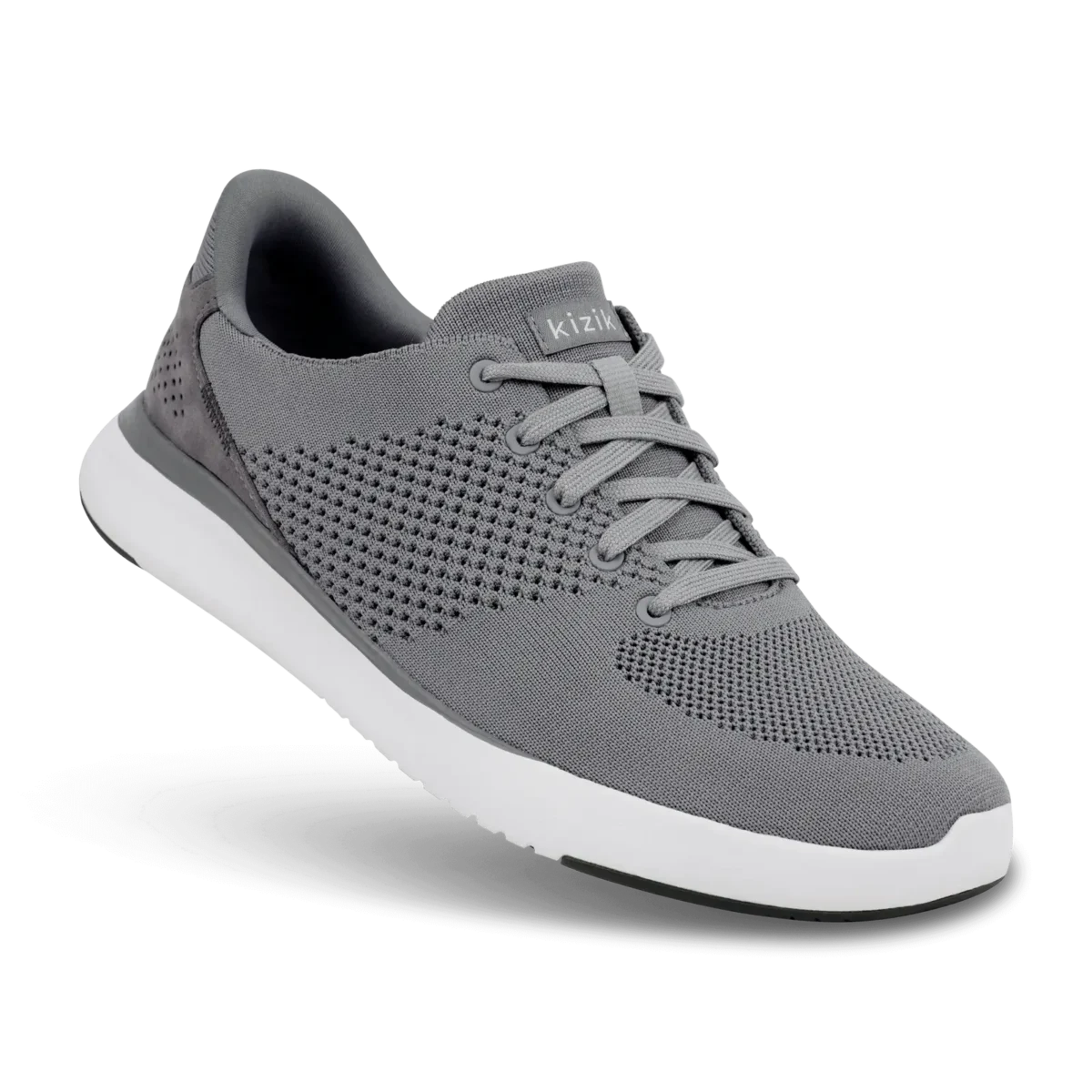
The global consumer landscape for travel and lifestyle products has undergone a significant transformation in the post-pandemic era, shifting from a focus on high-frequency movement to a prioritization of accessibility, home-based utility, and health-conscious design. This shift is particularly evident in the 2024 holiday gift market, where specialized products—ranging from hands-free footwear to ergonomic culinary tools—have moved from niche medical or professional circles into the mainstream retail sector. Industry analysts suggest that this trend reflects a broader societal movement toward "Universal Design," an approach to product development that ensures items are usable by the widest possible range of people, regardless of age or physical ability.

The Rise of Accessibility in Consumer Footwear
A primary example of this market evolution is the emergence of hands-free footwear technology, led by companies such as Kizik. Originally developed to assist individuals with mobility challenges, pregnancy, or chronic conditions like spinal cerebrospinal fluid (CSF) leaks, hands-free sneakers have seen a surge in popularity among the general population. Kizik utilizes patented titanium arc technology in the heel, allowing the wearer to step into the shoe without using their hands or bending over.

Market data indicates that the global footwear market is increasingly valuing "convenience tech." For patients with spinal CSF leaks—a condition characterized by the loss of fluid surrounding the brain and spine—the ability to avoid bending or crouching is a medical necessity. However, the broader market has adopted these designs for their efficiency. The 2024 holiday season marks a significant expansion for this sector, with the introduction of hands-free winter boots and Chelsea boots, signaling that accessibility is no longer limited to athletic wear but is becoming a standard in seasonal fashion.

The Resurgence of High-End Analog Tools
While digital transformation continues to dominate most sectors, the "Analog Resurgence" remains a powerful force in the gift-giving economy. The enduring popularity of the Blackwing 602 pencil serves as a quintessential case study. Originally introduced in the 1930s by the Eberhard Faber Pencil Company, the Blackwing became the preferred tool of cultural icons such as John Steinbeck and Looney Tunes creator Chuck Jones. Following its discontinuation in 1998, a cult market emerged where individual pencils were sold for upwards of $40 on secondary markets.
In 2010, the brand was revived by California-based Palomino, tapping into a consumer base that seeks "tactile satisfaction" in an increasingly virtual world. The success of high-end stationery, including Joytop notebooks and specialized writing implements, reflects a psychological shift toward "slow living." Analysts observe that consumers are increasingly willing to pay a premium for ergonomic features, such as the rectangular replaceable erasers and Japanese graphite found in the Blackwing series, which offer a distinct sensory experience over standard office supplies.

Specialized Solutions for the Global Health-Conscious Traveler
The intersection of health and travel has birthed a new category of "essential" digital and physical goods. As global tourism recovers, the demand for dietary-specific travel aids has reached record highs. The gluten-free food market, valued at approximately $17.6 billion in 2023, has necessitated the creation of precise communication tools for travelers with Celiac disease.

Translation projects, such as the gluten-free restaurant cards pioneered by Legal Nomads, address a critical safety gap in international dining. These cards, which have expanded to include over 15 languages including Bahasa Indonesia and Croatian, provide more than simple translations; they offer detailed information on cross-contact and local ingredient names. This level of granular detail is essential for a demographic that cannot risk the health implications of accidental gluten ingestion. The transition of these products from digital PNG files to high-resolution, printable PDFs reflects a consumer preference for tangible safety backups during international transit.

Ergonomics in the Modern Kitchen
The culinary sector has also seen a pivot toward lightweight and ergonomic tools. Traditional high-end cutlery, such as the heavy-forged knives favored by professional chefs in the early 2000s, is being challenged by lighter, more maneuverable alternatives. Brands like Nakano have gained traction by producing "classic chef knives" that weigh significantly less than their traditional counterparts (approximately 185g).

This trend is driven by two factors: the aging of the "foodie" generation and a growing awareness of repetitive strain injuries and chronic pain management. For individuals with limited grip strength or spinal issues, the weight of a tool determines their ability to remain independent in the kitchen. The market’s response—a 30% increase in sales for ergonomic kitchenware—suggests that "lightweight" is becoming synonymous with "premium" in the eyes of the modern consumer.

Sustainable Luxury and Environmental Stewardship
Sustainability continues to be a non-negotiable factor for the modern gift-buyer. This is most visible in the jewelry and accessories market. Kamoka Pearls, based in the Ahe Atoll of Tahiti, has become a benchmark for environmentally-friendly aquaculture. Unlike traditional pearl farming, which can sometimes disrupt local ecosystems, Kamoka’s methods have been documented by National Geographic to actually increase local fish populations.

The use of solar and wind power in the production of Tahitian blacklip oyster pearls, combined with the use of durable materials like kangaroo leather for "active-wear" jewelry, represents a new tier of "conscious luxury." Data from the 2023 Ethical Consumer Report shows that 60% of shoppers look for sustainability credentials before making a luxury purchase, a trend that is expected to intensify through the 2024-2025 fiscal years.

The Intersection of Art, Cartography, and Place Attachment
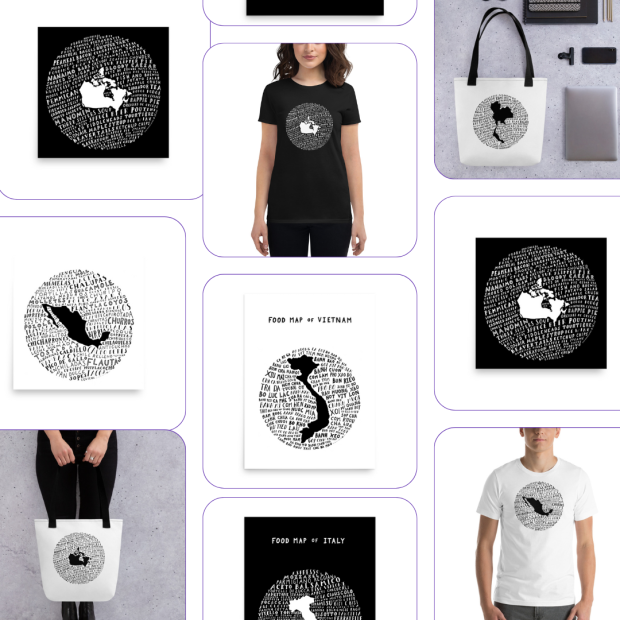
Artisan crafts that celebrate "place attachment"—the emotional bond between a person and a specific geographic location—are seeing a rise in demand. Hand-embroidered maps from boutique creators like Sadie and June, and hand-drawn food maps, tap into the nostalgia of the "nomadic" lifestyle. These products serve as a physical record of travel history, often connecting two disparate locations with a single thread to symbolize cross-border relationships.

The growth of this sector is fueled by the "Creator Economy," where individual artists use platforms like Instagram and Etsy to reach a global audience. The success of these small-scale operations often relies on a "family-supported" business model, which consumers find more authentic and trustworthy than mass-produced decor.

Technological Innovations in Wellness and Pain Management
One of the most significant developments in the lifestyle market is the democratization of medical-grade wellness technology. Red light therapy, or photobiomodulation (PBM), has transitioned from clinical settings to portable home devices. The FlexBeam, a device designed in Norway and manufactured in Thailand, represents the next generation of this technology.

By utilizing specific wavelengths of red and near-infrared light, these devices target cellular mitochondria to reduce inflammation and accelerate tissue repair. For patients with complex conditions like Mast Cell Activation Syndrome (MCAS) or chronic nerve pain, the ability to adjust wavelengths is crucial for tolerability. The global light therapy market is projected to grow at a CAGR of 5.1% through 2030, driven by an aging population and an increase in chronic pain conditions.

Whimsy and the "Dopamine Decor" Trend
Finally, the 2024 market is characterized by a rise in "whimsical utility"—products that serve a functional purpose while providing emotional levity. This is often referred to as "Dopamine Decor." Companies like OTOTO Design, known for their Nessie-shaped tea strainers and "Spaghetti Monster" colanders, have seen significant viral success.

Similarly, the popularity of bird-themed art and humor, such as the Birdstrips illustrations and the "Effin Birds" series by Aaron Reynolds, highlights a trend toward using "niche humor" to cope with global stressors. These products often overlap with the "swearing and birds" subculture, providing a form of cathartic relief for consumers. The success of 1000-piece puzzles and whimsical knitted cacti—marketed toward "struggling plant parents"—further reinforces the market’s move toward home-based comfort and stress reduction.

Broader Impact and Market Implications
The diversification of the holiday gift market into accessibility-focused and health-conscious products indicates a permanent shift in consumer values. The "traveler" of 2024 is no longer defined solely by their ability to fly across the globe, but by their desire for quality, sustainability, and physical comfort in all aspects of life.

Retailers who fail to incorporate universal design principles and ethical sourcing into their inventories risk obsolescence. Conversely, small businesses that focus on specialized, high-utility items—such as plant-care "straw" systems or sustainably sourced stationery—are finding a loyal, global customer base. As the 2024 holiday season concludes, the data suggests that the most successful products are those that bridge the gap between aesthetic beauty and functional necessity, ensuring that the gift of "ease" is available to all.
