

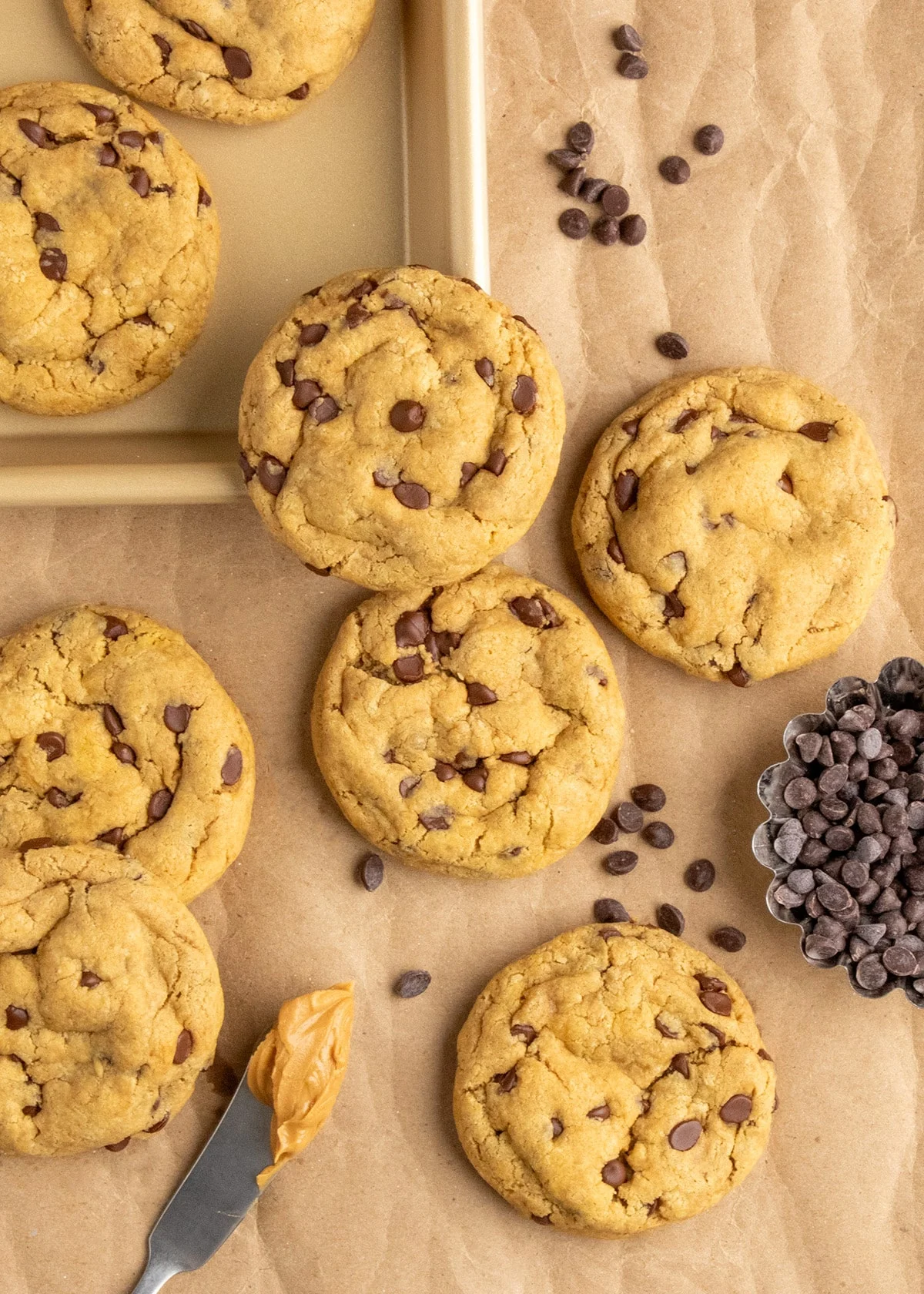
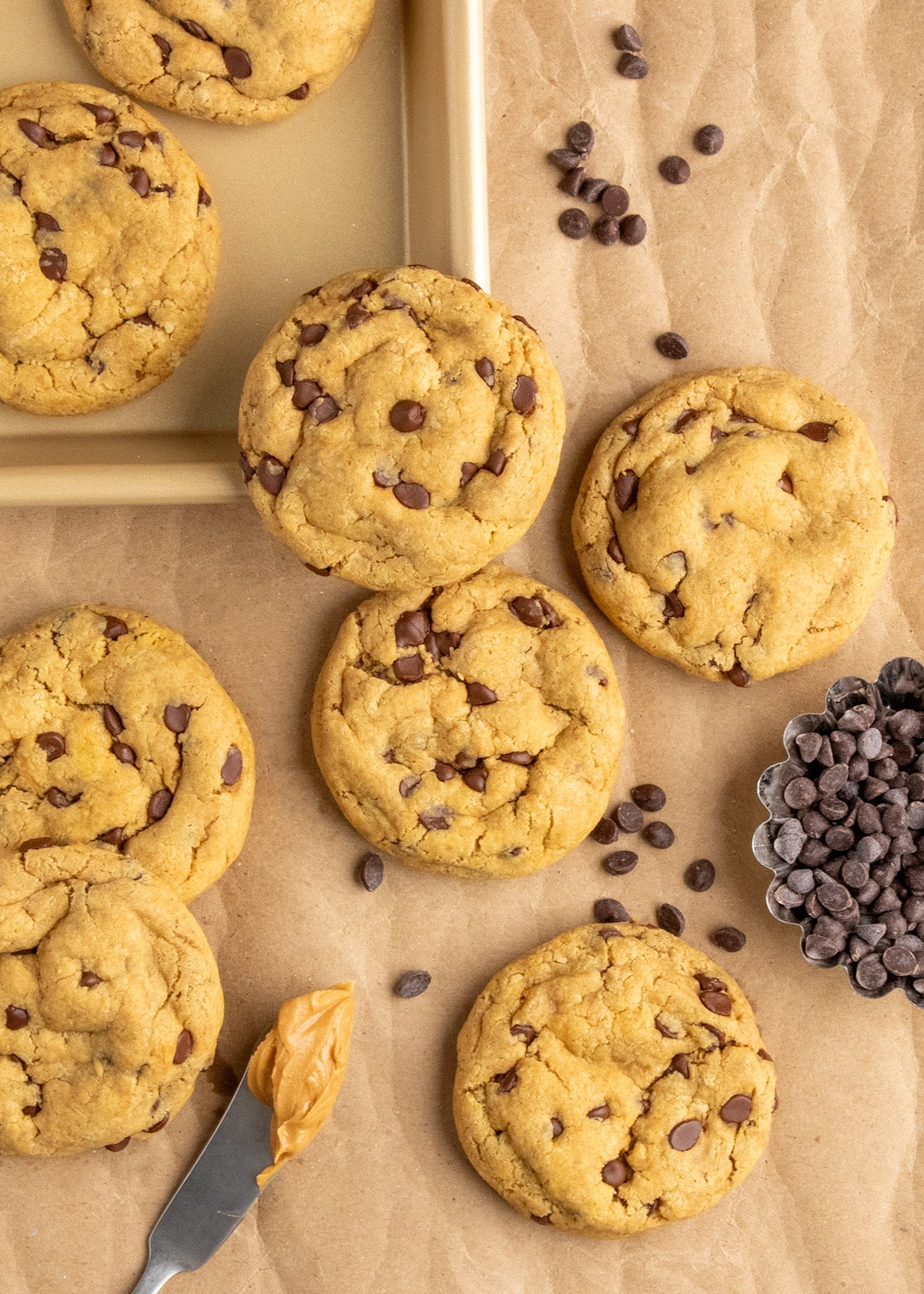
In the ever-evolving landscape of health-conscious baking, the quest for delicious yet nutritious treats often leads to disappointment. Packaged protein cookies, while convenient, are frequently criticized for their exorbitant prices and, more often than not, their peculiar textures and artificial aftertastes. Addressing this culinary conundrum, a groundbreaking recipe for flourless peanut butter protein cookies has emerged, promising a delectable solution that delivers on both flavor and nutritional value. These cookies, meticulously crafted to be soft, chewy, and bursting with rich peanut butter essence, are designed to satisfy cravings without the usual compromises. Each cookie boasts an impressive 10 grams of protein, making them an ideal snack for athletes, fitness enthusiasts, or anyone seeking to boost their daily protein intake.
The innovation behind these protein-packed delights lies in their flourless composition, naturally aligning them with gluten-free dietary needs. Unlike many protein-enhanced baked goods that can taste distinctly like a supplement, these cookies authentically replicate the comforting, chewy texture and robust flavor of a classic peanut butter cookie. This culinary achievement is attributed to a carefully balanced blend of ingredients, meticulously selected to ensure optimal texture, moisture, and taste.
The Science Behind the Chew: Why This Recipe Excels
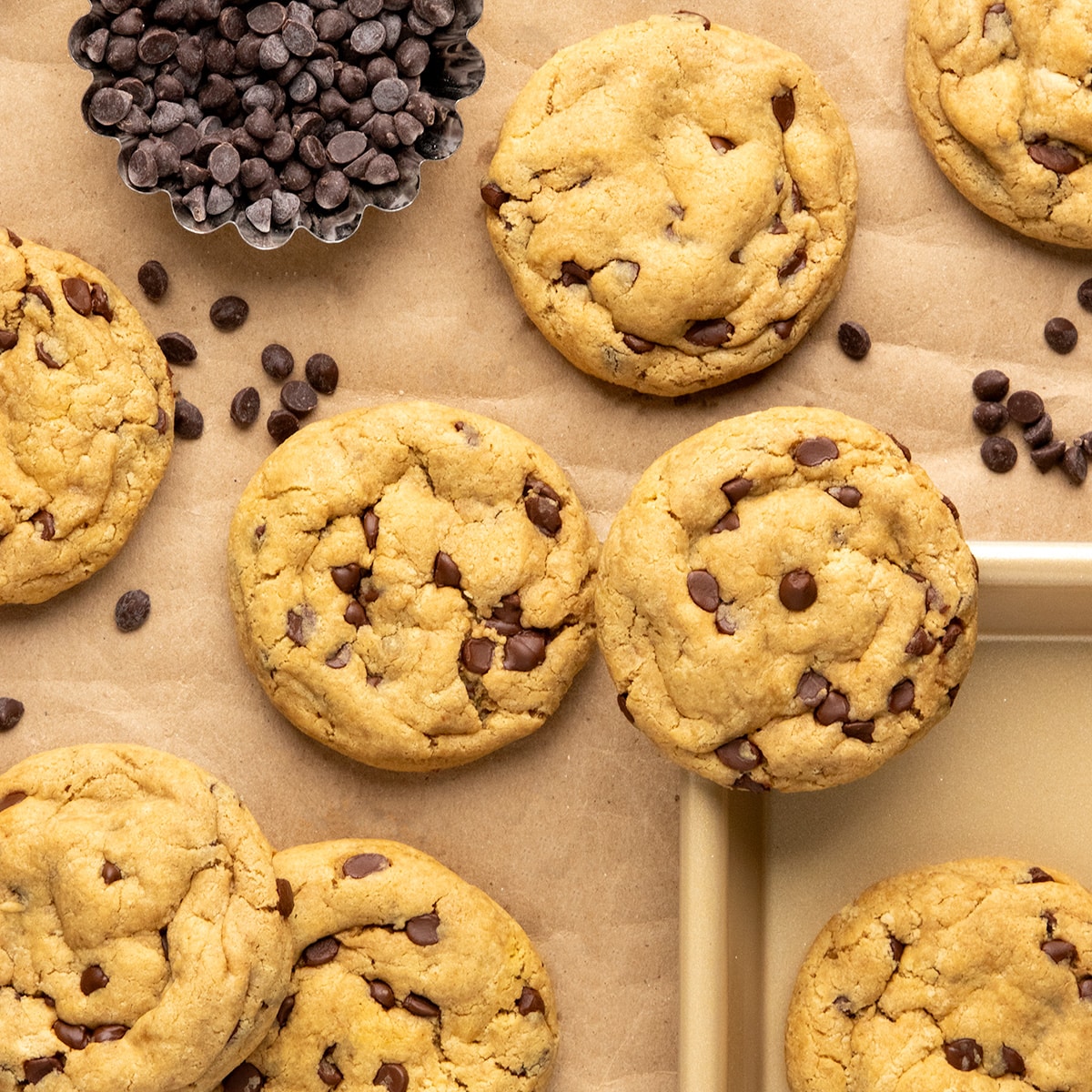
The success of this recipe can be dissected by examining the intelligent interplay of its components. The primary driver of the cookie’s structure and protein content is a specialized casein/whey protein powder blend. This combination is crucial; it provides the necessary structural integrity to the dough without rendering the cookies dry or overly firm, a common pitfall in high-protein baking.
Moisture and richness, essential for a truly satisfying cookie, are achieved through a precise emulsion of honey, an extra egg yolk, and Greek yogurt. This trifecta of ingredients works harmoniously to counteract the inherent dryness that can accompany added protein and the natural oils present in peanut butter. The honey contributes sweetness and a desirable chewiness, while the egg yolk enhances richness and binding. The Greek yogurt, known for its creamy texture and protein content, further bolsters the cookie’s moistness and overall mouthfeel.
The preparation process itself is designed for simplicity and effectiveness. The dough is remarkably easy to mix and shape, requiring minimal effort. A crucial step involves allowing the dough to rest while the oven preheats. This brief resting period allows the dough to firm up slightly, a critical factor in maintaining the cookie’s shape during baking and ensuring even cooking. Furthermore, the baking temperature is deliberately kept low. This lower temperature is instrumental in allowing the cookies to set thoroughly without becoming desiccated, preserving their soft and chewy characteristic.
Key Ingredients: A Closer Look at the Building Blocks of Flavor and Nutrition
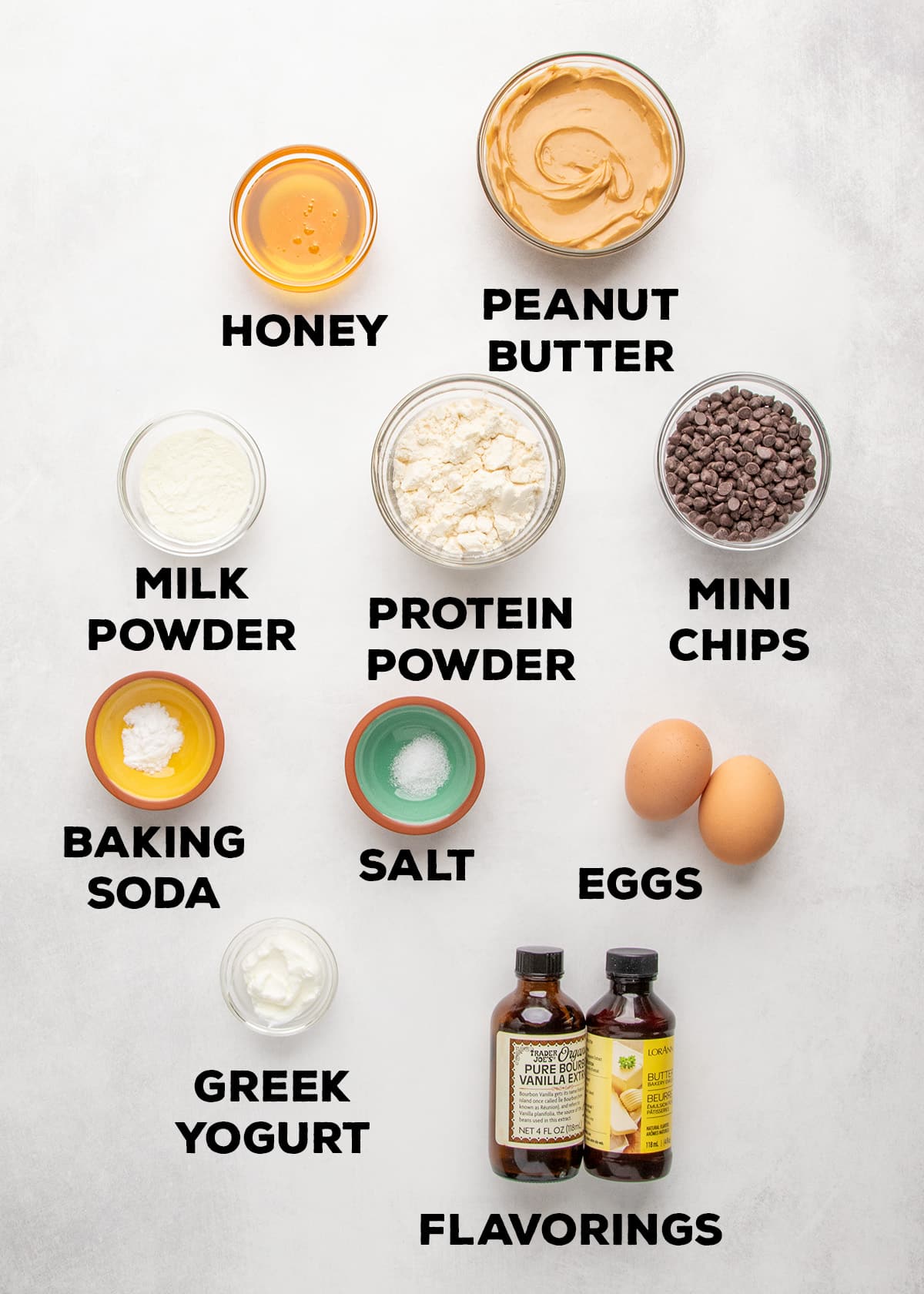
The creation of these exceptional peanut butter protein cookies relies on a specific combination of high-quality ingredients, each playing a vital role in the final product’s success. Understanding the function of each component can empower bakers to achieve consistent and delicious results.
- Protein Powder Blend: The cornerstone of the cookie’s nutritional profile, a blend of casein and whey protein powders is recommended. This dual approach provides a balanced release of amino acids and contributes to the cookie’s structure. The casein component offers slower digestion and contributes to a chewier texture, while whey provides rapid absorption and aids in binding.
- Peanut Butter: A rich, creamy, and preferably natural peanut butter is essential for imparting that signature robust peanut flavor. The oil content in peanut butter contributes significantly to the cookie’s moisture and helps to create its characteristic chewiness. Opting for a "no-stir" variety can simplify the process, ensuring a consistent emulsion.
- Honey: Beyond its natural sweetness, honey acts as a humectant, attracting and retaining moisture within the cookie. This is vital for achieving a soft and chewy texture that doesn’t dry out quickly. Its viscous nature also contributes to the dough’s pliability.
- Eggs: The recipe calls for a whole egg and an additional egg yolk. The whole egg provides essential binding and leavening, contributing to the cookie’s structure. The extra egg yolk is a secret weapon for richness and moisture, enhancing the overall decadent feel of the cookie.
- Greek Yogurt: Full-fat plain Greek yogurt is a powerhouse ingredient, adding a substantial dose of moisture, creaminess, and a subtle tang that complements the peanut butter. Its thickness also contributes to the dough’s structure without the need for traditional flour.
- Milk Powder: While seemingly a simple ingredient, milk powder plays a crucial role in enhancing the overall flavor profile and contributing to the cookie’s texture. It adds a subtle creaminess and can help to mellow the sometimes-intense flavor of protein powder.
- Baking Soda: This common leavening agent is carefully balanced to provide a gentle lift and spread to the cookies, contributing to their classic appearance and texture.
- Salt: A touch of salt is critical for enhancing the sweet and savory notes of the peanut butter and chocolate chips, creating a more complex and satisfying flavor profile.
- Mini Chocolate Chips: These small bursts of chocolate add delightful pockets of sweetness and texture throughout the cookie, perfectly complementing the peanut butter base.
Mastering the Method: A Step-by-Step Guide to Baking Perfection
The creation of these flourless peanut butter protein cookies is an accessible process, even for novice bakers. The recipe emphasizes a straightforward approach, minimizing the number of bowls and utensils required.
Steps 1 & 2: The Foundation of Dry Ingredients
The process begins with combining the dry ingredients in a medium-sized bowl. This includes the protein powder, milk powder, baking soda, and salt. Whisking these ingredients thoroughly is paramount. This not only ensures an even distribution of leavening agents and salt, preventing any pockets of bitterness, but also creates a uniform base for the dough. Subsequently, the mini chocolate chips are incorporated. Tossing them with the dry ingredients before adding the wet components helps to lightly coat them, which can prevent them from sinking to the bottom of the cookie during baking.
Steps 3 & 4: The Emulsified Wet Core
In a separate, larger mixing bowl, the wet ingredients are brought together. This involves vigorously whisking together the peanut butter, honey, whole egg, egg yolk, Greek yogurt, and any optional flavorings. The key here is to achieve a smooth, glossy, and fully emulsified mixture. This vigorous whisking ensures that the ingredients are thoroughly combined, creating a stable base that will readily incorporate the dry ingredients without seizing or becoming grainy.
Steps 5 & 6: The Marriage of Wet and Dry
The dry ingredients, now combined with the chocolate chips, are gradually poured into the bowl containing the emulsified wet ingredients. Using a silicone spatula, the mixture is gently stirred and folded. This is where the dough begins to transform. As the dry ingredients absorb the moisture and oils from the wet components, the mixture will rapidly thicken. It should reach a consistency that is scoopable yet firm enough to hold its shape. It is crucial to avoid overmixing at this stage; the goal is to incorporate the dry ingredients until no streaks remain, but not to overwork the dough, which can lead to toughness. The protein powder will naturally result in a slightly different texture than traditional flour-based doughs, so some residual texture is expected.
Steps 7 & 8: Portioning and Resting for Optimal Bake
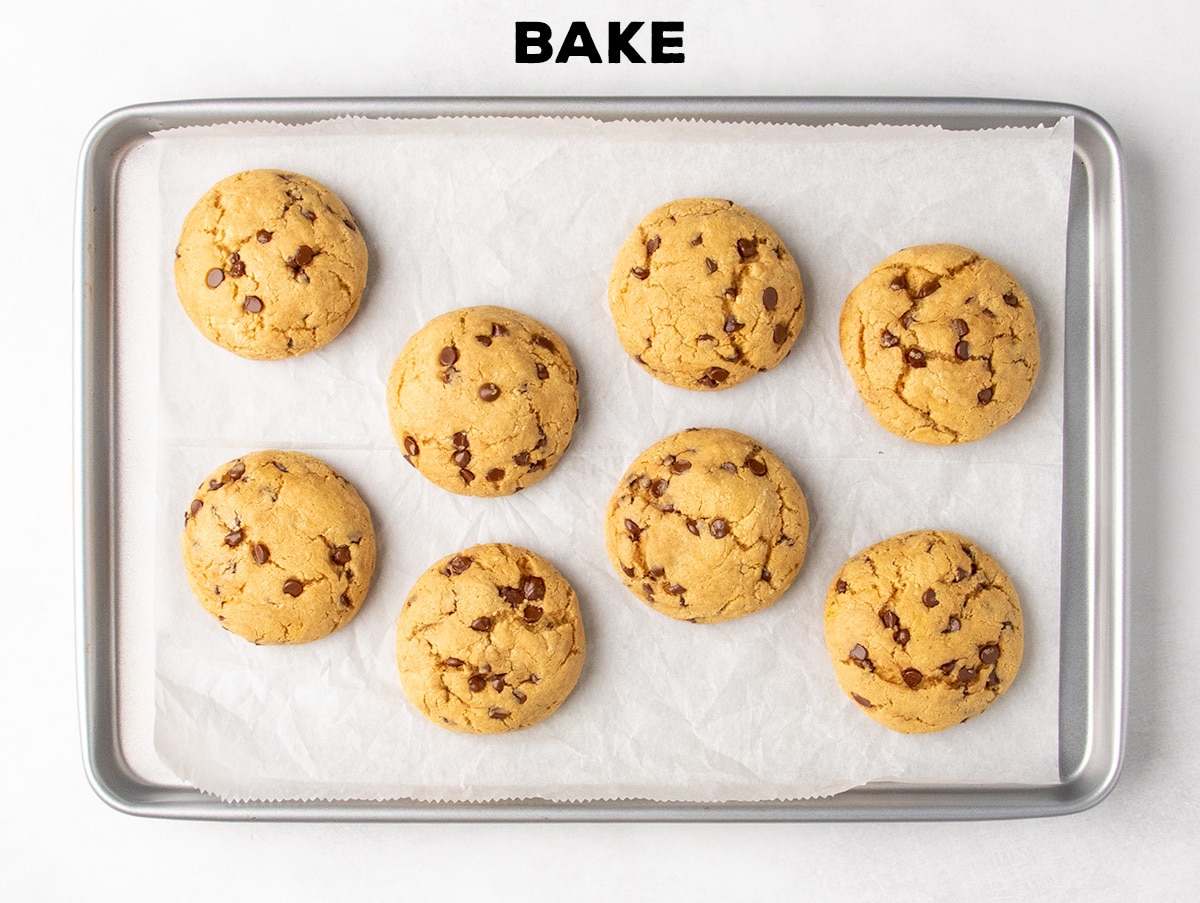
Once the dough has reached the desired consistency, it’s time to portion and shape it. A medium-sized ice cream scoop is ideal for dividing the dough into eight equal portions, each weighing approximately 50 grams. Gently rolling each portion between clean palms will smooth the surface and create a round shape, promoting even baking. The peanut butter will likely leave a slight oily residue on the hands, which is normal and indicates the dough’s pliability. The dough portions should be placed on a baking sheet lined with parchment paper, spaced about 1.5 inches apart, as the cookies will spread during baking. A crucial step follows: allowing the cookie dough to rest while the oven preheats. This brief period of rest allows the dough to firm up slightly, which is instrumental in helping the cookies maintain their shape and bake more uniformly.
Step 9: The Gentle Art of Baking
The cookies are baked in a preheated oven at a moderate temperature of 325°F (163°C) for approximately 8 to 10 minutes. The indicator of doneness is when the cookies appear set and dry on top, with the edges just beginning to show a light golden-brown hue. The low baking temperature is intentionally chosen to allow the cookies to fully set without drying out. The high fat content of the peanut butter makes these cookies efficient bakers, so careful monitoring is essential to prevent overbaking. The cookies should still feel slightly soft to the touch when gently pressed. It is vital to resist the urge to disturb the cookies immediately after removing them from the oven. They will continue to set as they cool, and any premature handling could cause them to fall apart. The tops will develop a characteristic, appealingly craggy appearance as they cool.
Adapting the Recipe: Creative Substitutions for Diverse Dietary Needs
Recognizing that dietary needs and preferences vary, this recipe offers a range of adaptable substitutions, ensuring that its delicious benefits are accessible to a broader audience.
Dairy-Free Adaptations:
For individuals seeking dairy-free options, the recipe can be successfully modified. This involves substituting the dairy-based protein powder and milk powder with their non-dairy alternatives. For the yogurt component, a plain, unsweetened non-dairy yogurt or sour cream can be used. While initial trials with certain vegan protein powders, such as Vega, have yielded a drier texture and altered taste, alternative options like pea protein isolate or rice protein are recommended. For the milk powder, coconut milk powder is a suitable substitute. When incorporating chocolate chips, opt for dairy-free varieties, such as those from Enjoy Life brand.
Egg-Free Adaptations:
While the eggs play a significant role in binding and richness, egg-free alternatives can be explored. A "chia egg" can be used to replace the whole egg, and a small amount of butter might be incorporated to compensate for the lost moisture from the egg yolk. For those seeking a high-protein snack that is naturally egg-free, the recipe for protein balls, offering 6 grams of protein per serving without protein powder or eggs, is a viable alternative.
Nut-Free Alternatives:
For individuals with nut allergies or preferences, several nut-free substitutions can be employed. If a smooth, no-stir sunflower seed butter is available, it can be used in place of peanut butter. Alternatively, products like Wowbutter, made from soy, can also be a suitable replacement. Another excellent nut-free option is the recipe for chocolate chip protein cookies, which are inherently nut-free.
Storage: Preserving Freshness and Texture
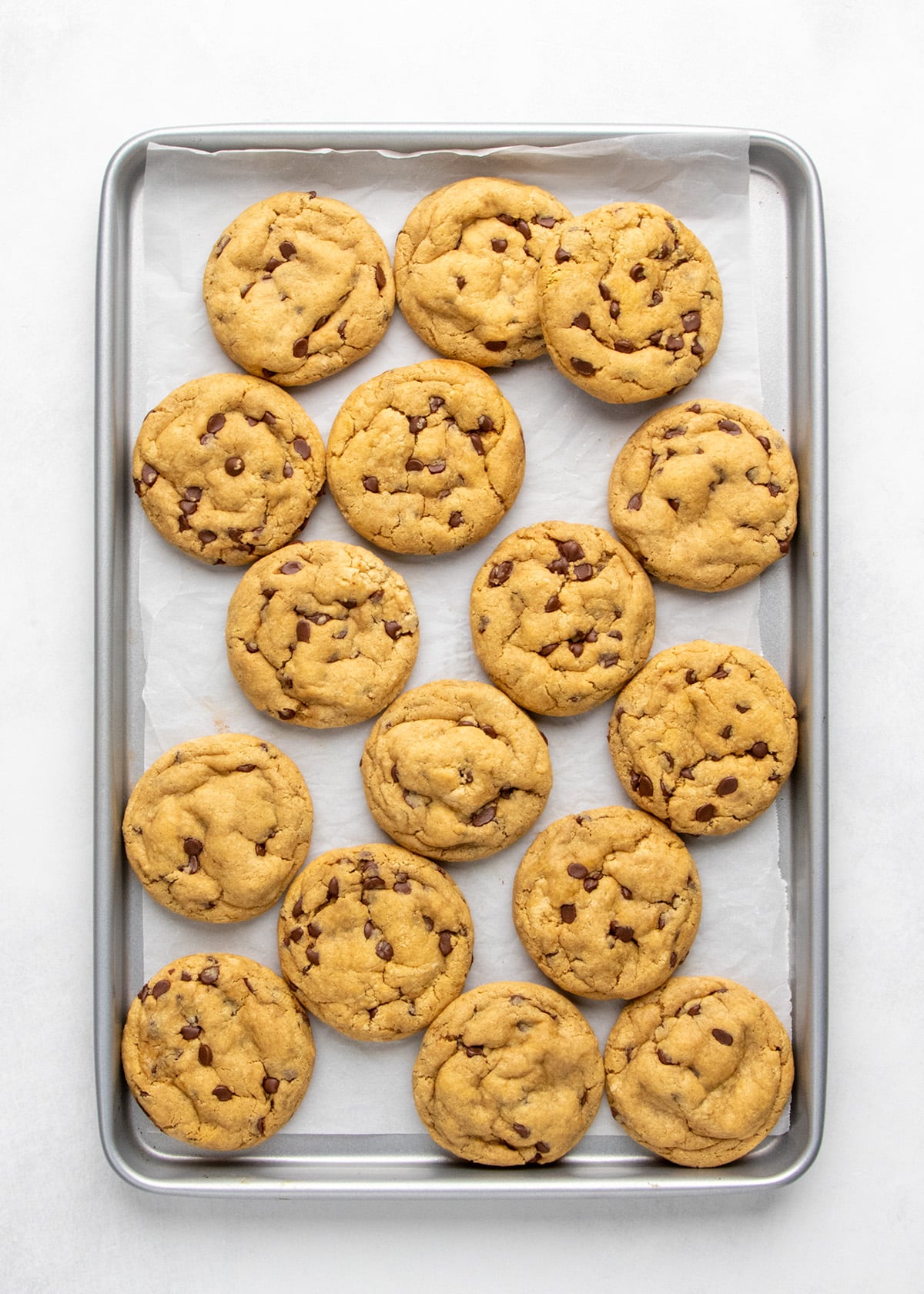
The delightful texture and flavor of these peanut butter protein cookies can be preserved through proper storage. At room temperature, uncovered, they will maintain their ideal texture for up to two days. For extended freshness, they can be stored in a sealed container in the refrigerator for up to one week. For long-term storage, freezing the cookies in a freezer-safe container for up to three months is an excellent option. They defrost quickly at room temperature, making them a convenient grab-and-go snack.
Nutritional Insights: A Guilt-Free Indulgence
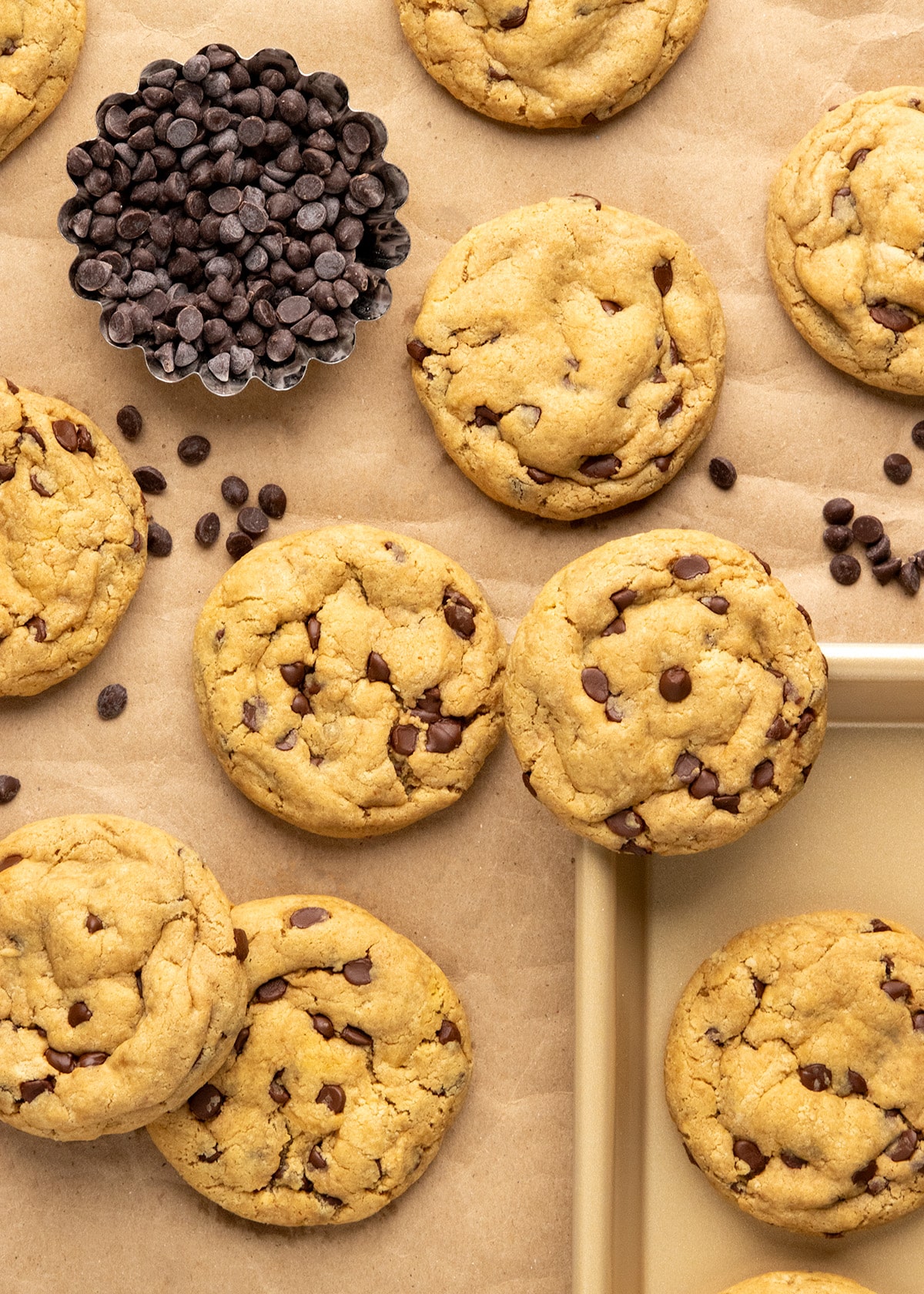
Each cookie, as calculated, provides approximately 224 calories, with 19 grams of carbohydrates, a substantial 10 grams of protein, and 13 grams of fat. This nutritional breakdown highlights the cookies’ effectiveness as a protein-rich snack without an excessive calorie load. The carbohydrate content is primarily derived from natural sources like honey and chocolate chips, while the fat profile includes beneficial monounsaturated and polyunsaturated fats from the peanut butter.
The development of this flourless peanut butter protein cookie recipe represents a significant advancement in the realm of healthy baking. By prioritizing whole ingredients and employing smart culinary techniques, it offers a delicious, satisfying, and nutritionally beneficial alternative to conventional baked goods and expensive, often disappointing, commercial protein snacks. This recipe empowers individuals to enjoy the comforting taste of a classic cookie while supporting their health and fitness goals.
