

The Evolution of Outdoor Baking and One-Pot BBQ Meals
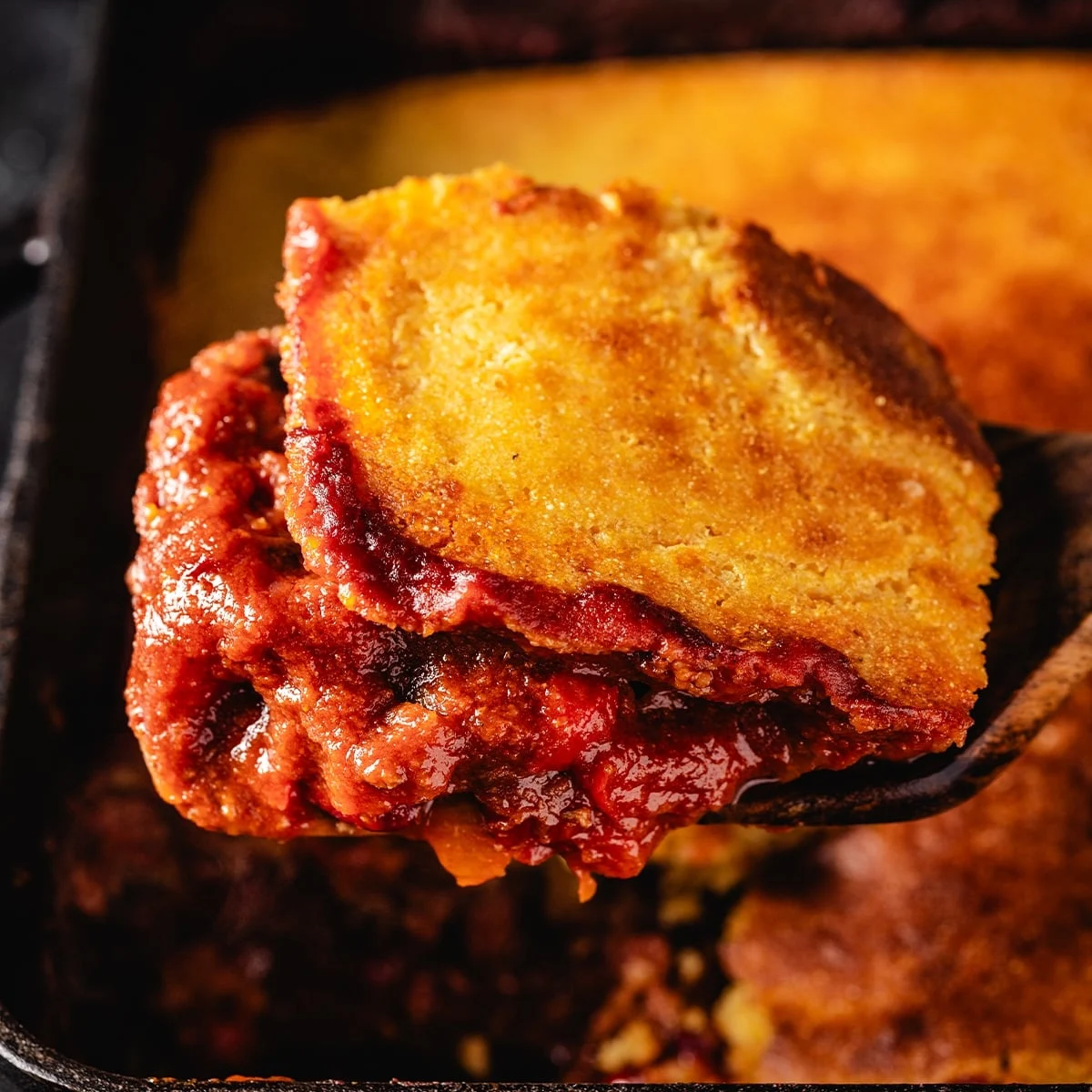
The introduction of the Smoked Cornbread Chili Casserole marks a significant point in the evolution of backyard barbecue. Historically, smoking was reserved for large cuts of meat requiring low and slow heat. However, with the technological advancement of modern pellet grills and the refinement of airflow in offset smokers, the "outdoor oven" concept has gained substantial traction. This recipe leverages that capability, treating the smoker as a convection oven that imparts a subtle wood-fire aroma to the cornbread—a flavor profile unattainable in a standard kitchen range.
Culinary experts note that the combination of chili and cornbread is not merely a matter of taste but of structural synergy. The moisture from the simmering chili prevents the bottom of the cornbread from becoming overly dry, while the cornbread acts as a thermal blanket, allowing the flavors of the beef and spices to meld under consistent heat. This release follows a broader industry trend where outdoor cooking influencers are moving toward "complete meal" solutions to maximize the utility of fuel sources like wood pellets and charcoal.

Technical Specifications and Ingredients
The Smoked Cornbread Chili Casserole is constructed in two distinct phases, requiring a balance of protein-heavy savory elements and a chemically leavened bread topping. The recipe is calibrated for a standard 10-to-12-inch cast-iron skillet, which is the preferred vessel for its heat retention properties.
The Chili Base: Composition and Flavor Profile
The foundation of the dish is a ground beef chili characterized by a balance of smoke and acidity. The primary ingredients include:
- Protein: Lean ground beef, browned to facilitate the Maillard reaction.
- Aromatics: Diced yellow onions and minced garlic, providing the foundational flavor base.
- Liquid and Body: A combination of tomato sauce, diced tomatoes, and beef broth to create a simmer-ready consistency.
- Legumes: Kidney beans, added for texture and fiber.
- Seasoning: A complex blend of chili powder, cumin, smoked paprika, salt, and black pepper.
The Cornbread Topping: Structural Integrity
The topping is a modified version of a traditional skillet cornbread, engineered to rise and brown in a high-airflow smoker environment. The ingredients consist of:

- Dry Components: Yellow cornmeal, all-purpose flour, granulated sugar (for browning and balance), baking powder, and salt.
- Wet Components: Whole milk, melted salted butter, and a large egg to provide structure and moisture.
Chronology of the Cooking Process
The preparation of the Smoked Cornbread Chili Casserole follows a precise timeline to ensure that the beef is fully cooked and the cornbread achieves the desired "crumbly yet fluffy" texture without becoming waterlogged by the chili base.
- Phase One: Skillet Preparation (0–15 Minutes): The process begins on a stovetop or the side burner of a grill. The ground beef is browned in a cast-iron skillet until no pink remains. Onions and garlic are introduced and sautéed until translucent.
- Phase Two: Simmering the Base (15–25 Minutes): Beans, tomatoes, broth, and spices are incorporated. The mixture is brought to a light simmer. This step is critical for reducing excess liquid, which ensures the cornbread batter sits on top of the chili rather than sinking into it.
- Phase Three: Batter Integration (25–30 Minutes): In a separate bowl, the dry and wet cornbread ingredients are whisked together. The batter is then poured carefully over the hot chili. Technical precision is required here to spread the batter to the edges of the skillet, sealing the chili beneath.
- Phase Four: The Smoking Stage (30–75 Minutes): The skillet is transferred to a smoker preheated to 375°F (190°C). The dish is smoked for approximately 30 to 45 minutes. The internal temperature of the smoker must remain consistent to allow the cornbread to rise and the edges to pull away slightly from the skillet.
- Phase Five: Finishing and Resting (75–85 Minutes): Once a toothpick inserted into the cornbread comes out clean, the skillet is removed. A mandatory 10-minute resting period follows to allow the chili to set, preventing a "soupy" consistency upon serving.
Data and Nutritional Analysis
In an era of increased health consciousness, the nutritional profile of the Smoked Cornbread Chili Casserole provides insight into its role as a high-energy meal. Based on a standard yield of 10 servings, the dish contains approximately:
- Calories: 488 kcal
- Protein: 23g
- Total Fat: 27g (Saturated Fat: 11g)
- Carbohydrates: 37g
- Fiber: 4g
- Sodium: 1260mg
- Vitamin A: 1185 IU
- Iron: 4mg
The high protein content, derived primarily from the beef and beans, makes this a recovery-focused meal suitable for cold-weather outdoor activities. However, the sodium content is significant, a common trait in chili-based recipes, suggesting that it is intended as a standalone main course rather than a side dish.

Market Context and Industry Reaction
The release of this recipe coincides with a robust growth period in the outdoor cooking industry. According to data from the Hearth, Patio & Barbecue Association (HPBA), over 70% of American households own a grill or smoker, and there is a documented shift toward year-round grilling. The Smoked Cornbread Chili Casserole addresses the "shoulder seasons" (autumn and winter) when traditional grilling often declines.
Industry analysts suggest that recipes like this are essential for the "Backyard BBQ Hero" demographic—home cooks who invest in high-end equipment and seek to justify that investment by preparing diverse meal types. By moving baking outdoors, brands like Hey Grill Hey are expanding the functional definition of what a barbecue grill can accomplish.
"The versatility of the cast-iron skillet in a smoker cannot be overstated," says one culinary consultant specializing in outdoor cooking. "This recipe takes advantage of radiant heat from the iron and convection heat from the smoker. It’s a sophisticated use of basic physics to achieve a superior texture in the cornbread."

Broader Implications for Home Cooking
The Smoked Cornbread Chili Casserole is more than a simple recipe; it is a manifestation of the "fusion" trend in domestic culinary arts. By combining the techniques of slow-simmered stews with the chemistry of baking, and adding the atmospheric element of wood smoke, the dish represents a holistic approach to cooking.
Furthermore, the recipe encourages the use of "pantry staples"—flour, cornmeal, canned beans, and frozen beef—making it an accessible entry point for novice smokers who might be intimidated by the 12-to-16-hour commitment required for a brisket. It democratizes the smoking experience, offering high-reward results in under two hours.
Serving Recommendations and Customization
While the core recipe provides a balanced flavor profile, the Hey Grill Hey methodology emphasizes customization to suit regional preferences. Traditional garnishes such as shredded sharp cheddar cheese, sour cream, and fresh chives are recommended to add brightness and acidity to the rich, smoky base.

For those seeking to modify the heat profile, the inclusion of diced jalapeños in the cornbread batter or the use of a "hot" chili powder in the base are common variations. The recipe also serves as a template for utilizing leftovers; previously smoked brisket or pulled pork can be substituted for ground beef to create a "Pitmaster’s Chili" variant of the casserole.
Conclusion
The Smoked Cornbread Chili Casserole stands as a testament to the creative potential of modern outdoor cooking. By synthesizing traditional flavors with technical smoking methods, Susie Bulloch and the Hey Grill Hey team have provided a robust solution for cold-weather dining. As the boundaries between the indoor kitchen and the outdoor patio continue to blur, such dishes will likely become staples of the American culinary landscape, proving that the smoker is a tool limited only by the imagination of the cook. Through its detailed methodology, nutritional transparency, and focus on accessible ingredients, this casserole is positioned to become a definitive reference for one-pot outdoor meals.
