

This post may contain affiliate links. Please read our disclosure policy.
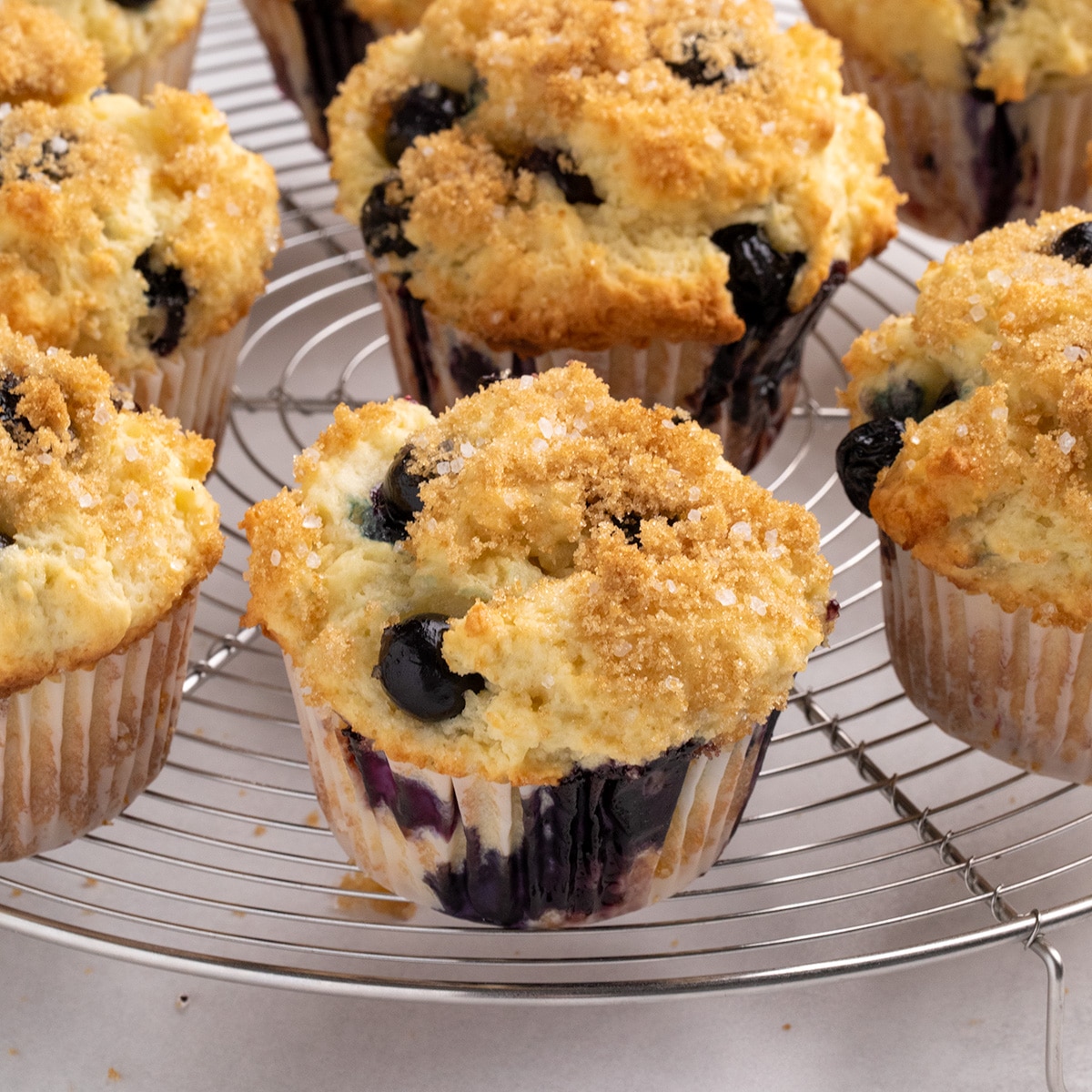
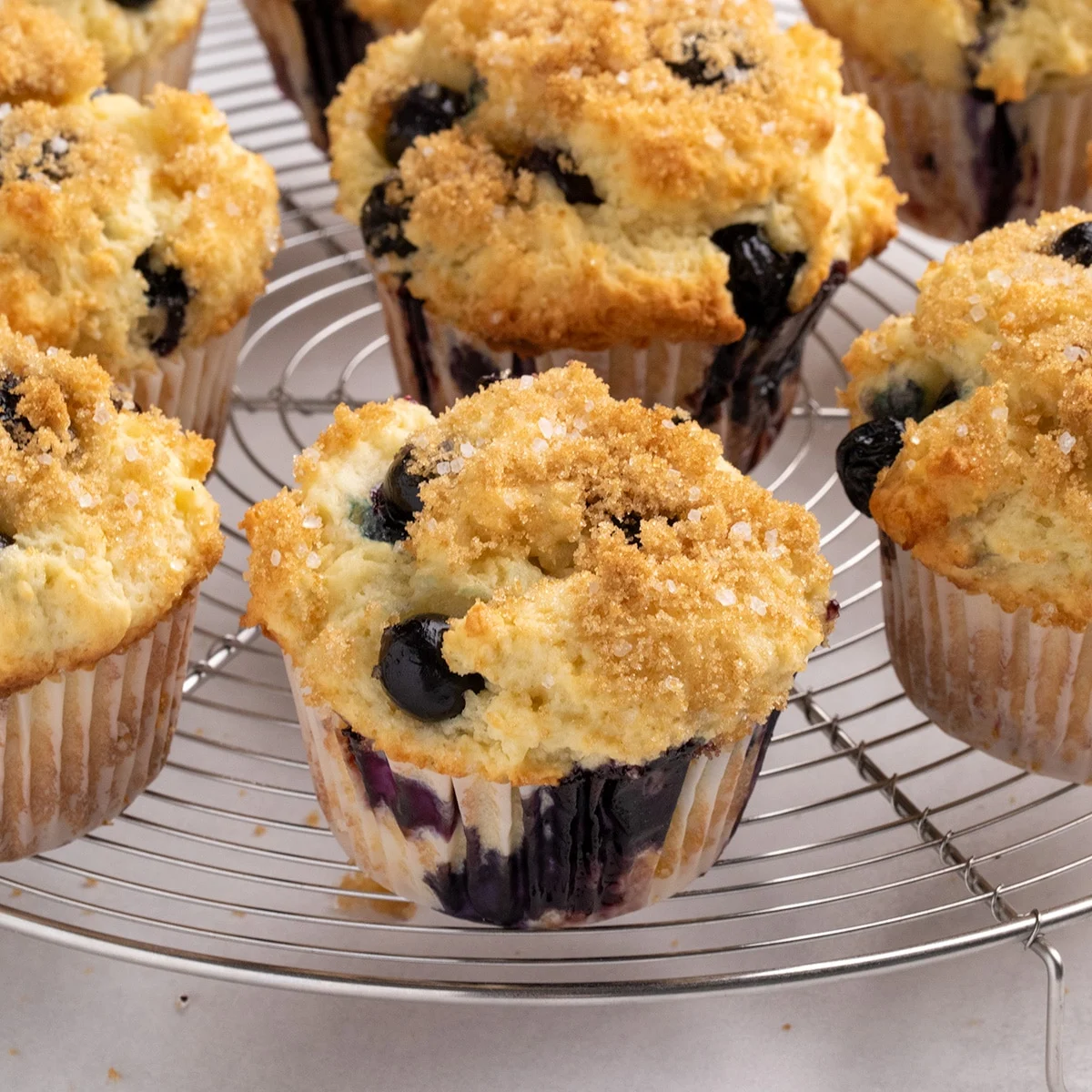
Achieving bakery-quality gluten-free blueberry muffins that boast impressive domes, a tender crumb, and plump, juicy berries that don’t sink to the bottom can be a culinary challenge. However, a meticulously developed recipe, rooted in a deep understanding of gluten-free baking science, offers a solution. This guide delves into the intricacies of creating perfect gluten-free blueberry muffins, from understanding key ingredient functions to mastering baking techniques.
The Science Behind the Perfect Muffin Dome
The hallmark of a superior muffin is its lofty, craggy top – a visual promise of a light and airy interior. Achieving this in gluten-free baking often requires specific strategies to compensate for the lack of gluten’s inherent structure. This recipe achieves this impressive rise without resorting to chilling the batter, using specialized muffin tins, or relying on electric mixers.

The secret lies in a carefully balanced combination of ingredients and baking temperatures. An enhanced amount of xanthan gum, a common gluten-free binder, provides the necessary structural integrity to support a generous quantity of blueberries. This extra xanthan gum ensures the thick batter can hold the weight of the berries and rise dramatically. Simultaneously, the recipe prioritizes a soft and tender crumb, a characteristic often elusive in gluten-free baked goods.
The inclusion of fresh lemon juice plays a dual role: it acts as an activator for baking soda, promoting a more vigorous rise, and it brightens the natural sweetness and flavor of the blueberries. The richness and moisture are further enhanced by the use of buttermilk and melted butter, contributing to a decadent mouthfeel.
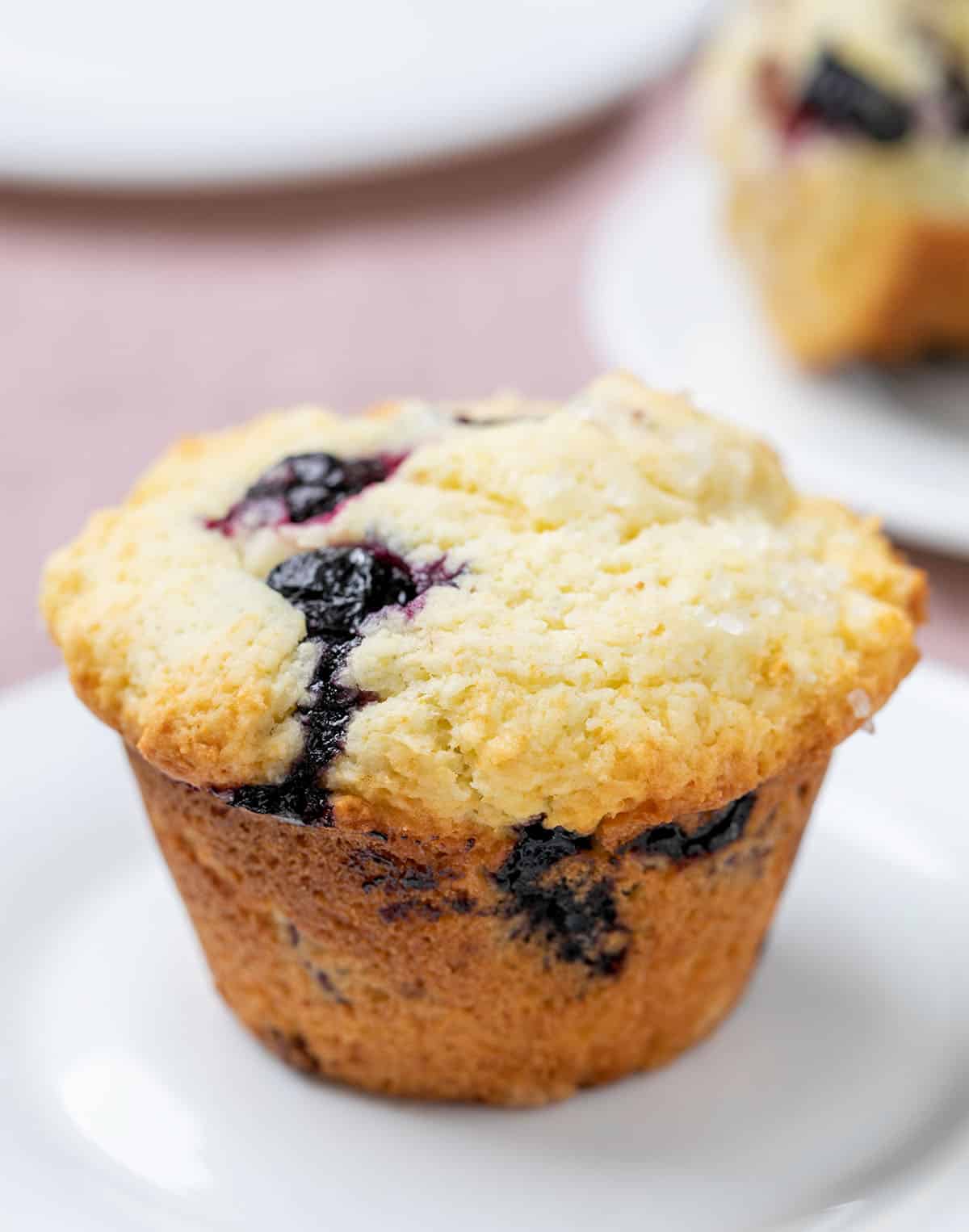
A crucial element in achieving the signature high dome is the initial baking temperature. The muffins begin their journey in a hot oven at 400°F (200°C). This high heat causes the leavening agents to work rapidly, creating an initial puff and setting the exterior before the interior is fully cooked. Subsequently, the oven temperature is reduced to 350°F (175°C) to allow the muffins to bake through to the center without the risk of burning the delicate crust. This two-stage baking process is instrumental in developing both the impressive dome and the perfectly golden, slightly crisp edges.
Essential Ingredients and Their Roles
A successful gluten-free blueberry muffin recipe relies on the precise interplay of each ingredient:
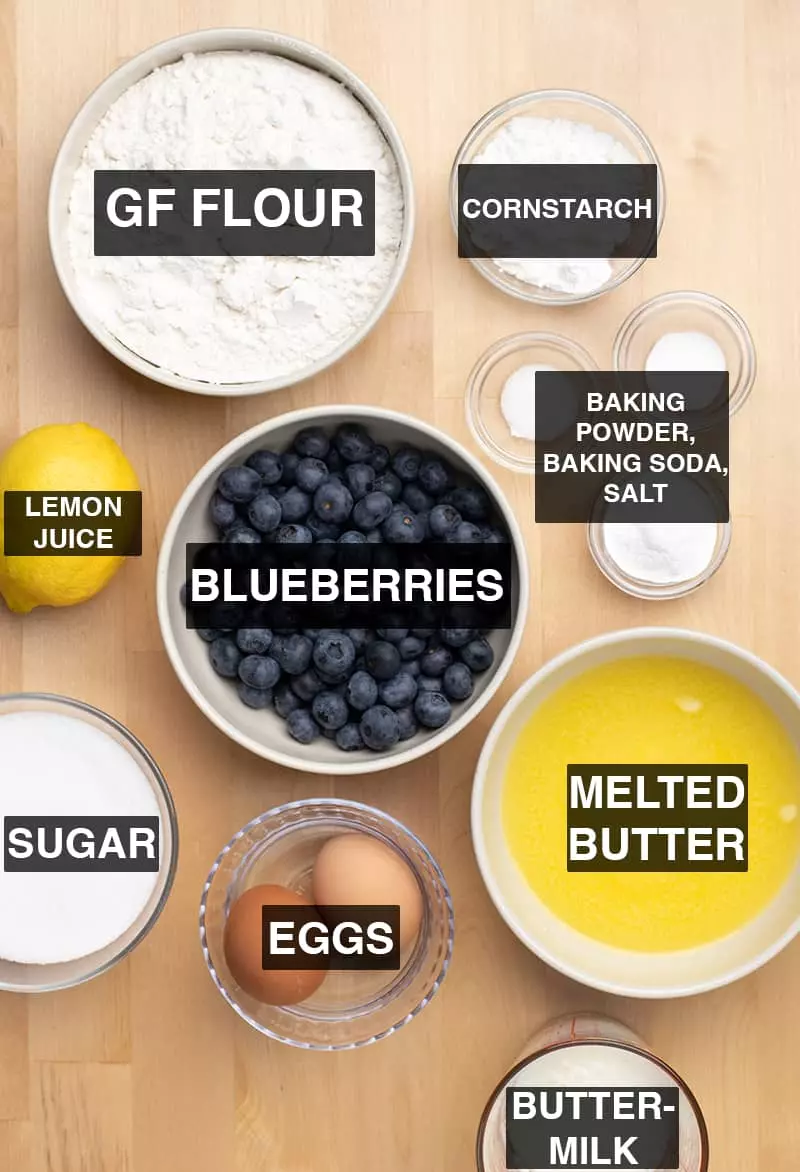
- Gluten-Free Flour Blend: The foundation of the muffin. A well-balanced blend, such as Better Batter or Nicole’s Best, is recommended. These blends typically contain a mix of rice flours, starches, and other gluten-free grains designed to mimic the texture of traditional wheat flour. For this recipe, a slight adjustment in xanthan gum is often necessary depending on the specific blend used.
- Xanthan Gum: Crucial for providing structure and elasticity in gluten-free baking. An increased amount, beyond what is typically found in a 1-to-1 blend, is key to supporting the weight of the blueberries and enabling a substantial rise.
- Cornstarch: Contributes to a tender crumb and a lighter texture. In corn-free versions, arrowroot starch or potato starch can be substituted.
- Baking Powder and Baking Soda: These chemical leaveners work together to create lift and a light, airy texture. Baking soda, in particular, is activated by acidic ingredients like buttermilk and lemon juice.
- Salt: Enhances the overall flavor profile of the muffins and balances the sweetness.
- Granulated Sugar: Provides sweetness and contributes to the browning of the crust.
- Blueberries (Fresh or Frozen): The star of the show. Tossing them with a portion of the dry ingredients before adding them to the batter helps to suspend them, preventing them from sinking. Using frozen blueberries directly from the freezer is recommended to avoid excessive bleeding and premature wilting.
- Eggs: Bind the ingredients, add richness, and contribute to the structure and lift of the muffins. For egg-free alternatives, options like chia eggs or commercial egg replacers can be used, though they may result in slightly less lift.
- Melted Butter: Adds richness, moisture, and flavor to the muffin batter. For a dairy-free version, block-style vegan butter is recommended over tub margarines or oils, which can lead to a spongy texture.
- Buttermilk: Its acidity reacts with baking soda for enhanced lift and contributes to a tender, moist crumb. Dairy-free alternatives, such as a mixture of plain dairy-free yogurt and unsweetened non-dairy milk, can be used.
- Lemon Juice: Brightens the blueberry flavor and aids in activating the baking soda. A small amount of vanilla extract can be used as an alternative if lemon is not preferred.
- Coarse Sugar or Brown Sugar (for topping): Adds a delightful crunch and extra layer of flavor to the muffin tops.
The Muffin-Making Process: A Step-by-Step Visual Guide
Creating these exceptional gluten-free blueberry muffins is an accessible process, even for novice bakers.
- Preparation is Key: Begin by preheating your oven to 400°F (200°C). Prepare a 12-cup muffin tin by greasing it thoroughly or lining it with muffin liners. Using liners can provide additional support, helping the muffins achieve their impressive height.
- Whipping Up the Wet Ingredients: In a medium bowl, whisk together the melted and cooled butter, buttermilk, fresh lemon juice, and eggs until the mixture is smooth and well combined. This initial whisking helps to break down the egg yolks, ensuring a more homogenous incorporation with the dry ingredients and minimizing the risk of overmixing.
- Combining the Dry Ingredients: In a separate, larger mixing bowl, whisk together the gluten-free flour blend, xanthan gum, cornstarch, baking powder, baking soda, salt, and granulated sugar. Thorough whisking ensures that all dry components are evenly distributed, preventing pockets of leavening agents or salt.
- Coating the Blueberries: To prevent the blueberries from sinking to the bottom of the muffins, toss them with approximately one tablespoon of the prepared dry ingredient mixture. This coating helps to suspend them within the thick batter.
- Uniting Wet and Dry: Create a well in the center of the dry ingredients and pour in the wet ingredient mixture. Stir gently until just combined. The batter will be noticeably thick – this is intentional and crucial for supporting the berries and achieving the desired muffin structure.
- Folding in the Berries: Carefully fold the coated blueberries into the batter until they are evenly distributed. Avoid overmixing at this stage, as excessive agitation can cause the berries to burst, tinting the batter blue and potentially making it too wet, which can lead to the muffins collapsing.
- Filling the Muffin Cups: Divide the batter evenly among the prepared muffin cups, filling each one to the very top. For an even more pronounced dome, consider piling the batter slightly higher in the center of each well. If your batter volume seems to fall short for all 12 cups, consider filling 11 cups and leaving one empty. To ensure even baking in this scenario, you can fill the empty cup with a small amount of water.
- The Finishing Touch: For an extra touch of flavor and texture, brush the tops of the muffins with a little melted butter and sprinkle with coarse sugar or a dusting of brown sugar.
- The Baking Process: Place the filled muffin tin in the preheated oven. Bake at 400°F (200°C) for precisely 10 minutes. Then, reduce the oven temperature to 350°F (175°C) and continue baking for an additional 10 to 12 minutes. Baking times can vary based on individual ovens and gluten-free flour blends. Look for cues of doneness: a toothpick inserted into the center should come out with a few moist crumbs attached, and the muffin tops should spring back gently when pressed.
- Cooling for Stability: Once baked, allow the muffins to cool in the tin for approximately 10 minutes. This resting period allows the starches within the muffins to reassemble and stabilize, a process known as retrogradation, which enhances their structural integrity. Following this, carefully transfer the muffins to a wire rack to cool completely. Cooling on a rack prevents steam from being trapped in the muffin tin, which can lead to a soggy bottom and an unpleasantly chewy texture.
Expert Insights for Baking Perfection
Several key tips can elevate your gluten-free blueberry muffin baking:

- The Power of Initial High Heat: Starting the baking process at 400°F (200°C) for the first 10 minutes is critical. This rapid heat burst activates the leavening agents quickly, creating a substantial initial rise and crisping the exterior, which helps to form and maintain the coveted domed shape.
- Embrace Frozen Berries: For optimal results, use frozen blueberries directly from the freezer without thawing. Thawed blueberries release excess moisture, which can lead to a blue-tinted batter, a heavier batter that causes sinking, and a less desirable texture.
- The Berry Coating Technique: Tossing your blueberries, whether fresh or frozen, with a tablespoon of the dry ingredients is a simple yet effective method to ensure they are evenly distributed throughout the batter and less likely to sink during baking.
- Maximizing Muffin Volume: Fill muffin wells generously. Slight variations in muffin tin wells are common. If your batter volume is borderline for filling all 12 cups completely, consider leaving one well empty and distributing the remaining batter among the other 11. This ensures each muffin has sufficient batter to rise to its full potential.
Adapting the Recipe: Substitutions and Variations
This versatile recipe can be adapted to accommodate various dietary needs and preferences:
- Dairy-Free Modifications: To make these muffins dairy-free, substitute buttermilk with a mixture of half plain dairy-free yogurt (like coconut or soy) and half unsweetened non-dairy milk. For the butter, opt for a block-style vegan butter such as Miyoko’s Kitchen or Melt. Avoid tub-style spreads or oils that are liquid at room temperature, as they can compromise the muffin’s texture.
- Egg-Free Baking: For an egg-free version, consider using a chia egg (1 tablespoon chia seeds mixed with 3 tablespoons water, let sit for 5 minutes), Bob’s Red Mill Egg Replacer, or JustEgg liquid egg substitute for each egg. While the lift might be slightly reduced, the crumb will still be enjoyable.
- Corn-Free Alternative: If corn is an ingredient to avoid, arrowroot starch or potato starch can be used in place of cornstarch. Both are excellent for achieving a tender muffin texture.
- Exploring Other Fruit Options: While this recipe is specifically formulated for blueberries, raspberries can be substituted fresh or frozen. For strawberries, it is recommended to use a recipe specifically developed for them, as their moisture content and baking behavior differ from blueberries.
Storage and Reheating
Proper storage ensures the deliciousness of these muffins is preserved:

- Room Temperature Storage: Once completely cooled, store the muffins in an airtight container at room temperature for up to two days. For optimal texture, individually wrap each muffin in plastic wrap.
- Freezer-Friendly: These gluten-free blueberry muffins freeze exceptionally well. After cooling completely, place them on a baking sheet to flash-freeze before transferring them to a freezer-safe container or zip-top bag.
- Reheating: To reheat, allow frozen muffins to thaw at room temperature or gently warm them in a toaster oven or microwave.
Frequently Asked Questions
- Can regular milk be used instead of buttermilk? While regular milk can be used, it will not yield the same tender crumb. Buttermilk’s acidity is crucial for activating baking soda and creating a delicate texture. A good substitute is to mix half plain yogurt or sour cream with half milk.
- What is the purpose of lemon juice? Lemon juice enhances the blueberry flavor, adds a subtle brightness, and balances the sweetness. If lemon juice is unavailable, ½ teaspoon of vanilla extract can be used as an alternative.
- Can this batter be baked as a loaf? This batter is specifically formulated for muffins and is not suitable for baking as a loaf. For a gluten-free blueberry loaf, a separate recipe designed for quick bread is recommended.
- How to make mini muffins? For mini muffins, bake at 400°F (200°C) for 5 minutes, then reduce the temperature to 350°F (175°C) and bake for an additional 9 minutes, or until a toothpick inserted into the center comes out clean.
- Can the batter be refrigerated overnight? Yes, the batter can be refrigerated in the muffin tin, covered. Allow it to sit at room temperature for 20 to 30 minutes before baking to ensure optimal rise.
These gluten-free blueberry muffins represent a triumph of gluten-free baking, offering a consistently delicious and visually appealing treat that rivals any traditional counterpart. By understanding the science behind their creation and following these detailed instructions, bakers can confidently achieve bakery-quality results every time.
