

As the agricultural calendar transitions from the height of summer into the early weeks of autumn, the eggplant emerges as a primary focus for both producers and consumers looking to capitalize on the seasonal peak. Historically characterized as a versatile staple in Mediterranean, Middle Eastern, and Asian cuisines, the eggplant—part of the Solanaceae or nightshade family—reaches its optimal flavor profile and texture between midsummer and early October. This period of abundance typically correlates with a significant decrease in retail pricing, making it a strategic purchase for budget-conscious households and culinary professionals alike.
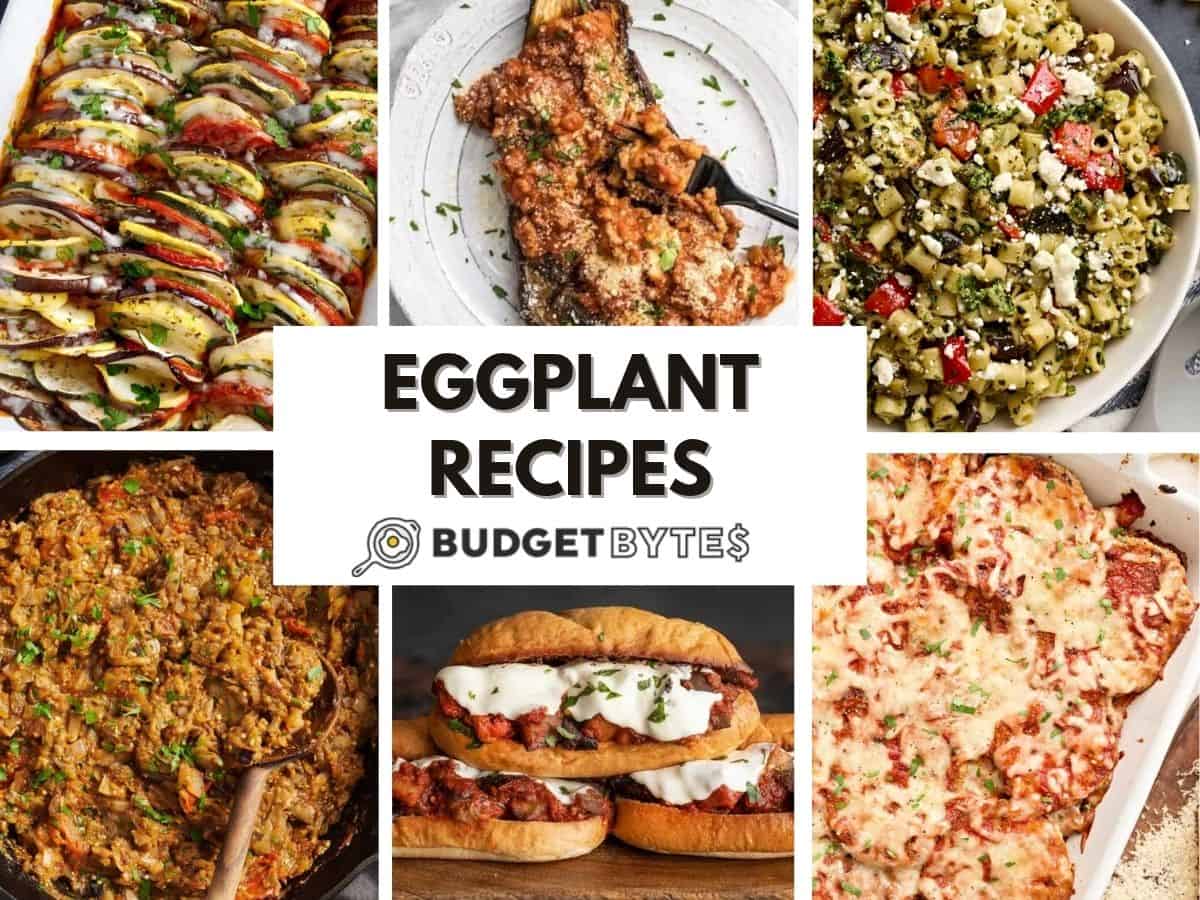
The Nashville Test Kitchen, a facility dedicated to the rigorous evaluation of accessible and cost-effective culinary techniques, recently released a comprehensive guide featuring 12 curated eggplant preparations. This initiative seeks to demystify the vegetable for home cooks who may find its sponge-like texture and potential for bitterness challenging. By focusing on roasting, mashing, and layering techniques, the guide illustrates how the eggplant can serve as a cornerstone for nutrient-dense, affordable meal planning.
The Agricultural and Economic Context of the Late Summer Harvest
Eggplants (Solanum melongena) require consistently warm soil temperatures and a long growing season, often spanning 100 to 120 days from seed to harvest. According to data from the United States Department of Agriculture (USDA), domestic production is concentrated in states with temperate climates, such as New Jersey, California, and Florida. The "late summer" window represents the convergence of high yields across these regions, leading to a surplus in the supply chain.
From an economic perspective, the eggplant functions as an effective "meat extender." In an era of fluctuating protein prices, the high fiber content and meaty density of the eggplant allow it to replace or supplement ground beef and poultry without sacrificing satiety. Industry analysts note that vegetable-forward cooking is no longer a niche preference but a financial necessity for many, with the eggplant offering a high volume-to-cost ratio during its peak months.
Culinary Methodology: The Nashville Test Kitchen Standard
The recipes developed for this seasonal roundup underwent a standardized testing protocol to ensure replicability and flavor consistency. Led by Chef Jess Rice, a veteran of the Nashville culinary scene and a former professor of food theory, the Nashville Test Kitchen focuses on three primary pillars: affordability, ease of preparation, and nutritional density.
"Eggplant can be intimidating due to its high water content and unique cellular structure," Rice notes in her analysis of the vegetable’s properties. "The key to successful preparation lies in managing moisture through high-heat roasting or strategic salting, which collapses the air pockets in the flesh and intensifies the flavor."
Regional Traditions: The Evolution of Ratatouille
Among the primary categories in the late-summer guide is the exploration of Ratatouille, a rustic vegetable stew originating from the Provence region of France. While traditionally a chunky, slow-simmered dish, modern adaptations have prioritized visual presentation and time efficiency.
-
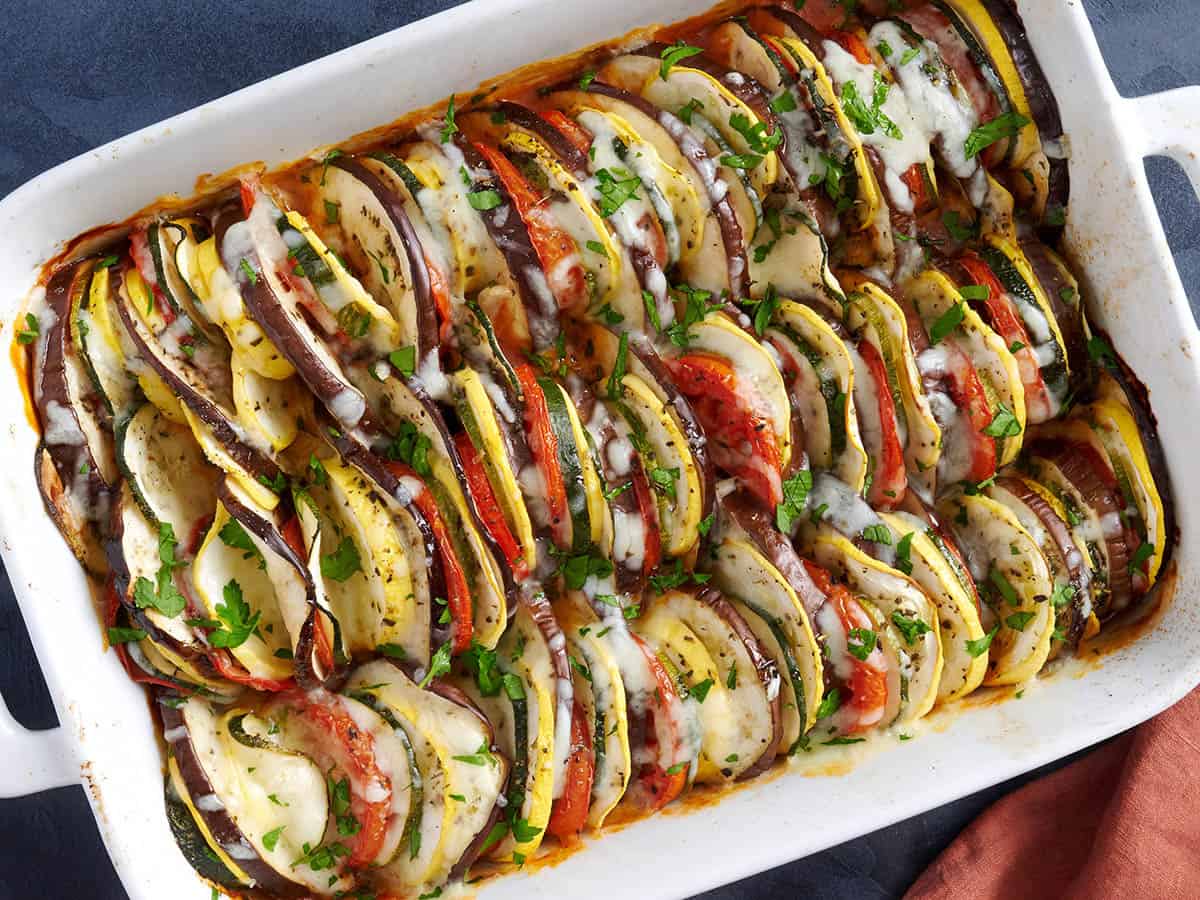
Homemade Oven-Roasted Ratatouille: This iteration moves away from the traditional stew format toward a vegetable tian style. By layering thin slices of eggplant, zucchini, yellow squash, and tomatoes over a base of marinara sauce, the dish maximizes surface area for caramelization. The inclusion of melted cheese provides a fat-based counterpoint to the acidity of the nightshades. At an estimated cost of $0.88 per serving, it represents one of the most economical ways to utilize a multi-vegetable harvest.
-
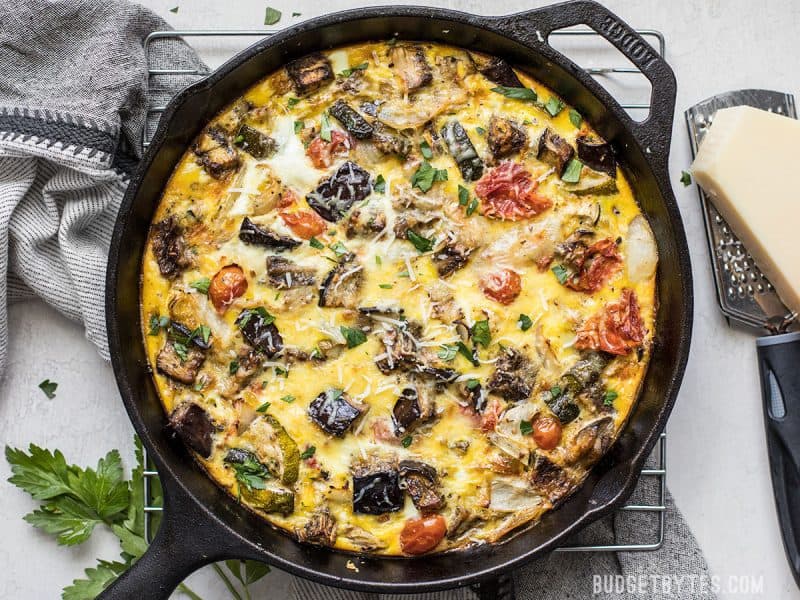
The Ratatouille Frittata: Integrating the flavors of Provence into an egg-based matrix serves two purposes: increasing protein intake and providing a low-carb alternative to pasta-heavy dishes. This preparation is particularly effective for utilizing "bumper crops"—the excess produce that often accumulates in home gardens during late August.
Structural Integrity: Eggplant as a Main Course
The guide emphasizes the eggplant’s ability to anchor a meal, particularly in recipes where it mimics the texture of animal proteins.
-
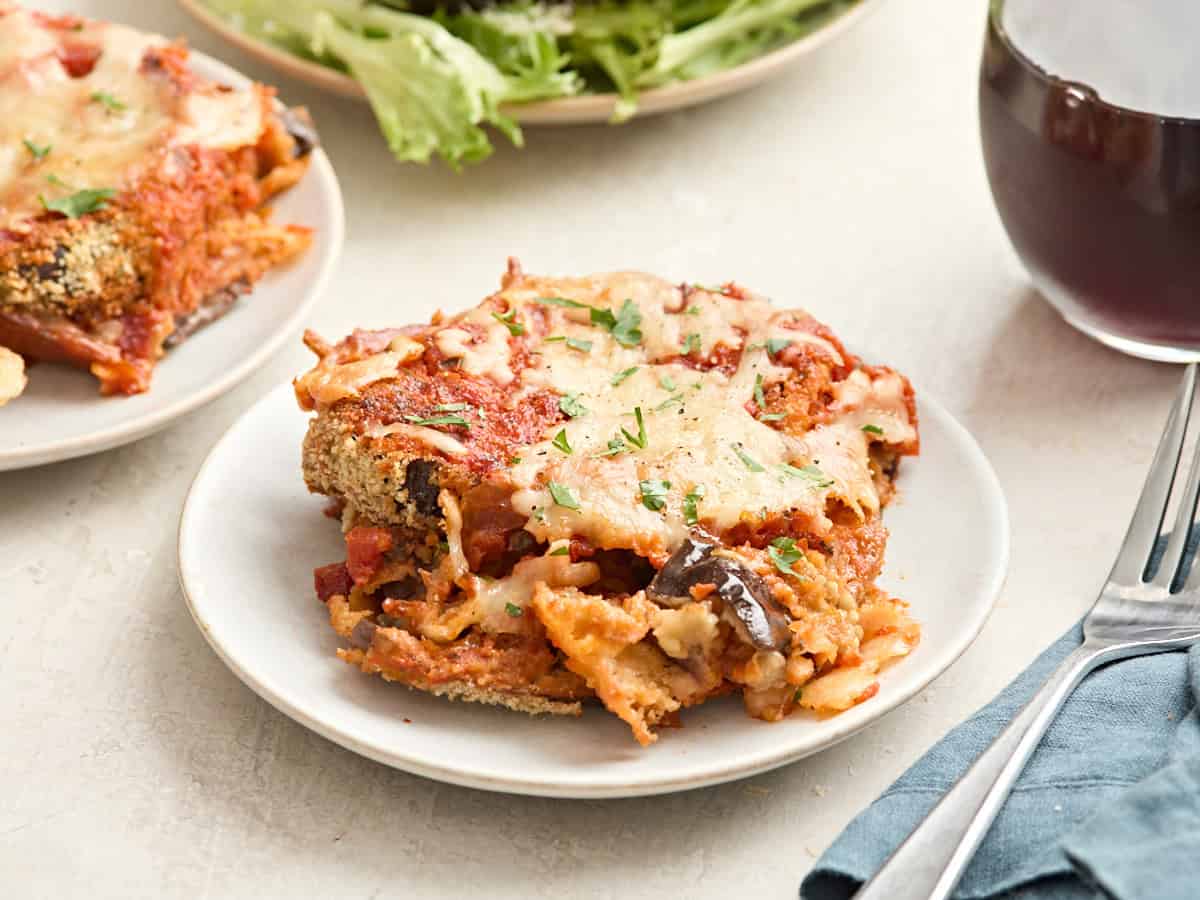
Baked Eggplant Parmesan: A departure from the traditional fried method, this version utilizes oven-baking to reduce oil consumption and labor intensity. The breaded eggplant slices maintain structural integrity, serving as a hearty substitute for veal or chicken.
-
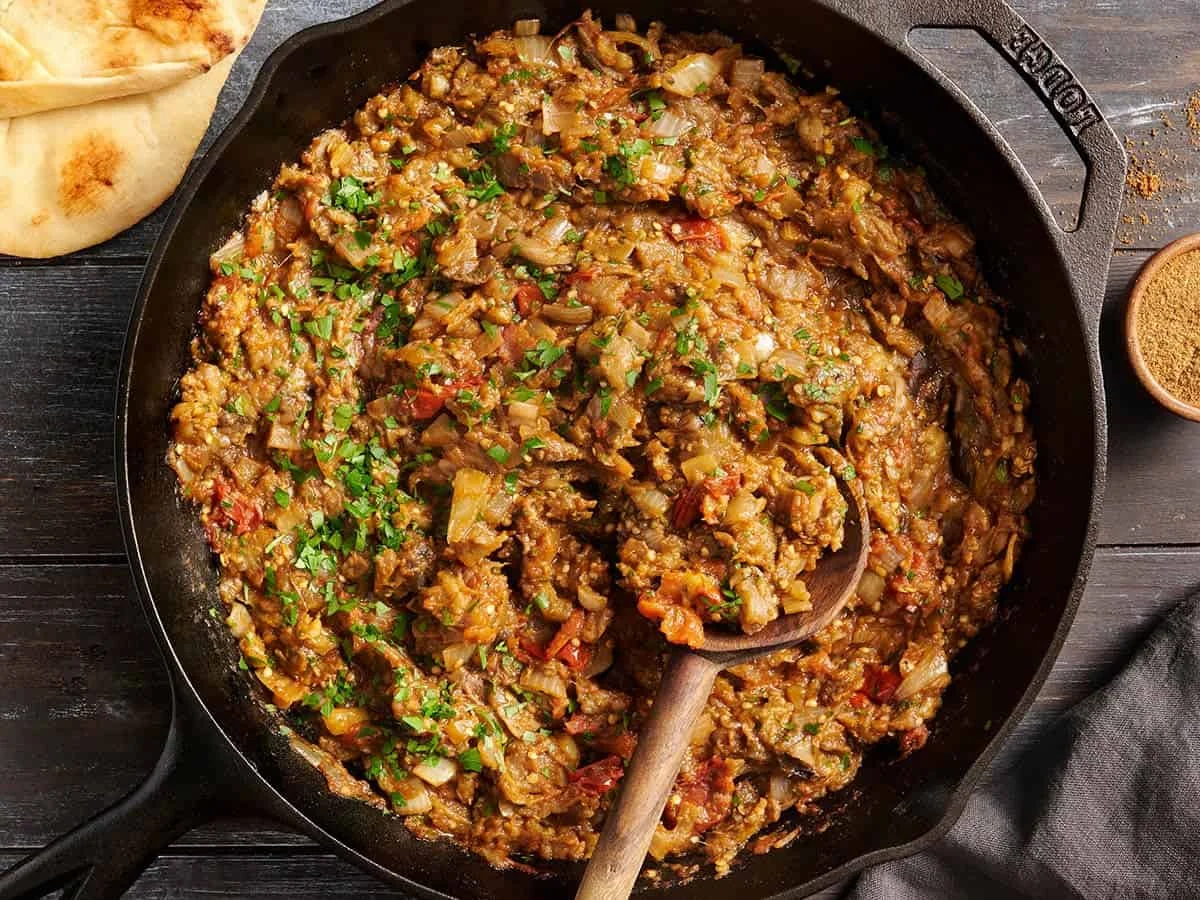
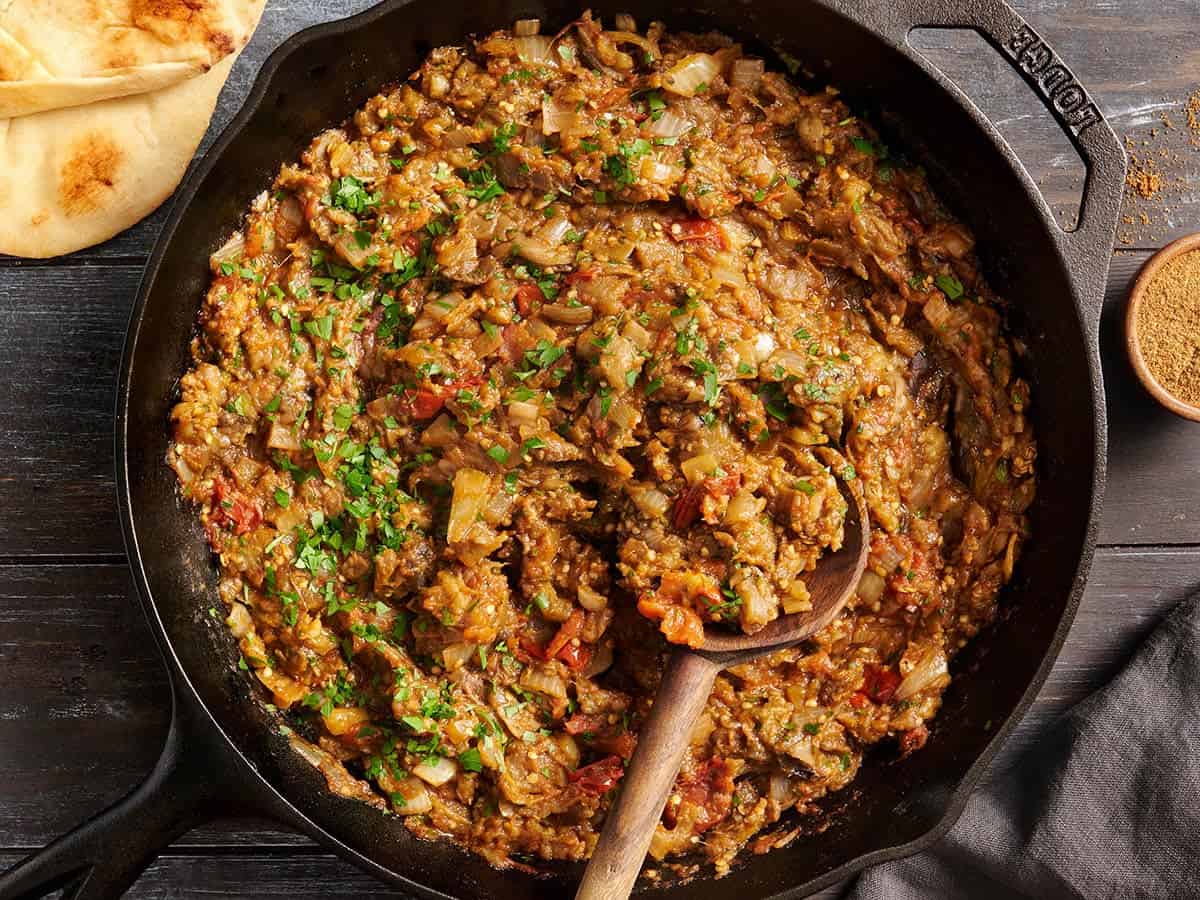
Eggplant Curry (Baingan Bharta Inspiration): Drawing from North Indian culinary traditions, this recipe utilizes the mashing technique. Roasting the eggplant until the skin chars provides a smoky depth that characterizes traditional baingan bharta. The use of red curry paste is a modern shortcut that introduces complex aromatics—garlic, ginger, and lemongrass—without requiring a vast pantry of individual spices.
-
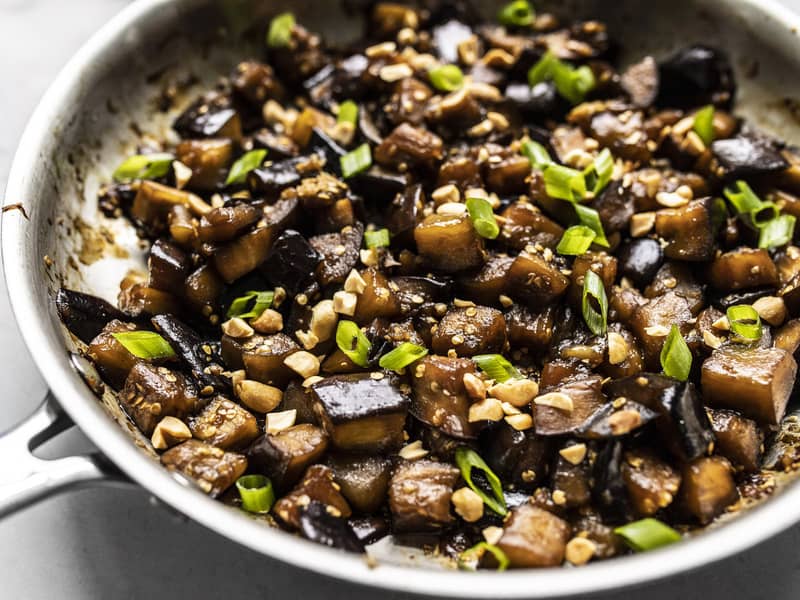
Soy Glazed Eggplant Stir-Fry: This 20-minute preparation highlights the eggplant’s ability to absorb savory glazes. The porous nature of the vegetable makes it an ideal vehicle for a sweet and salty soy-based sauce. The addition of fresh ginger is recommended for its enzymatic properties, which can aid in the digestion of fiber-rich produce.
-
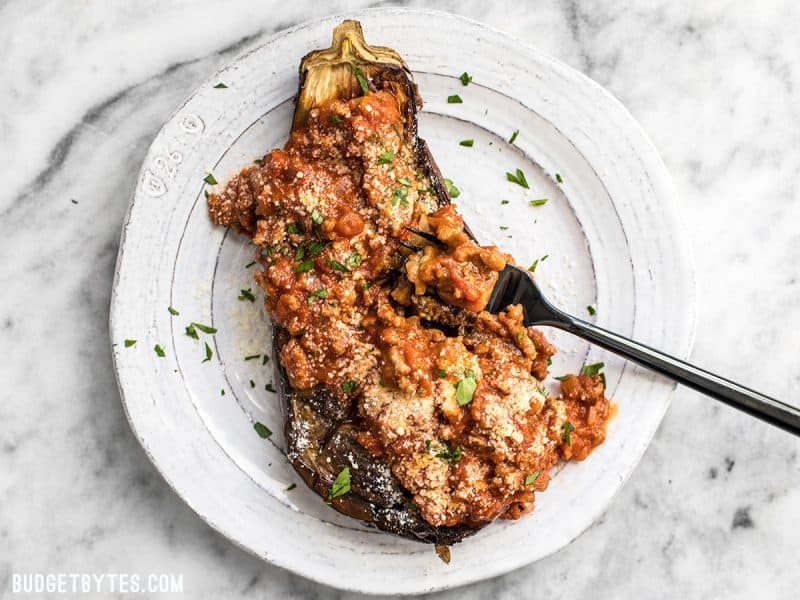
Roasted Eggplant with Meat Sauce: In a demonstration of "meat stretching," this recipe pairs two whole eggplants with only half a pound of ground beef. The eggplant serves as a functional vessel, with the halves roasted cut-side down to trap steam and create a creamy interior that blends with the meat sauce.
-
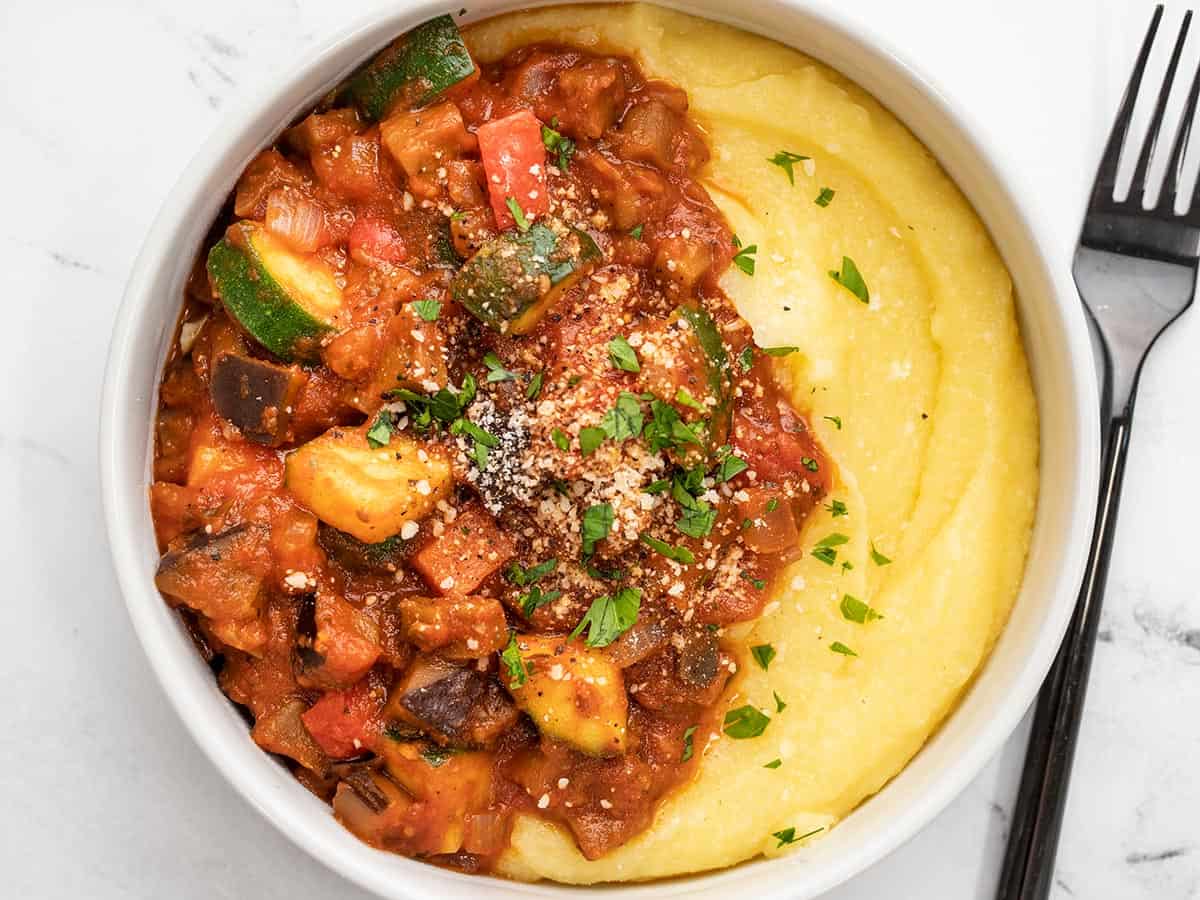
Summer Vegetables in Red Sauce: This braised dish focuses on the chronological addition of vegetables to ensure varied textures. By introducing eggplant, bell peppers, and zucchini at different stages, the cook prevents the "mushing" effect often associated with vegetable medleys.
Innovations in Pasta and Grain Pairings
Pasta remains the most common pairing for eggplant, but the Nashville Test Kitchen suggests specific modifications to elevate these standard dishes.
-
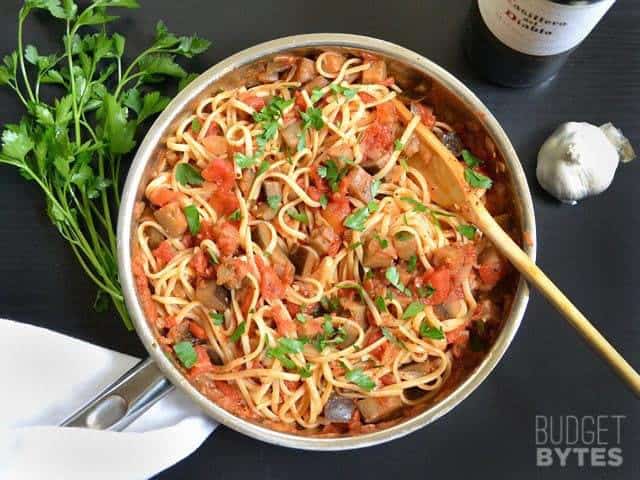
Pasta with Eggplant Sauce: The inclusion of anchovy paste—a concentrated source of umami—is the "secret ingredient" in this preparation. It provides a savory backbone that compensates for the lack of meat, while half-inch cubes of eggplant melt into the sauce to create a silky mouthfeel.
-
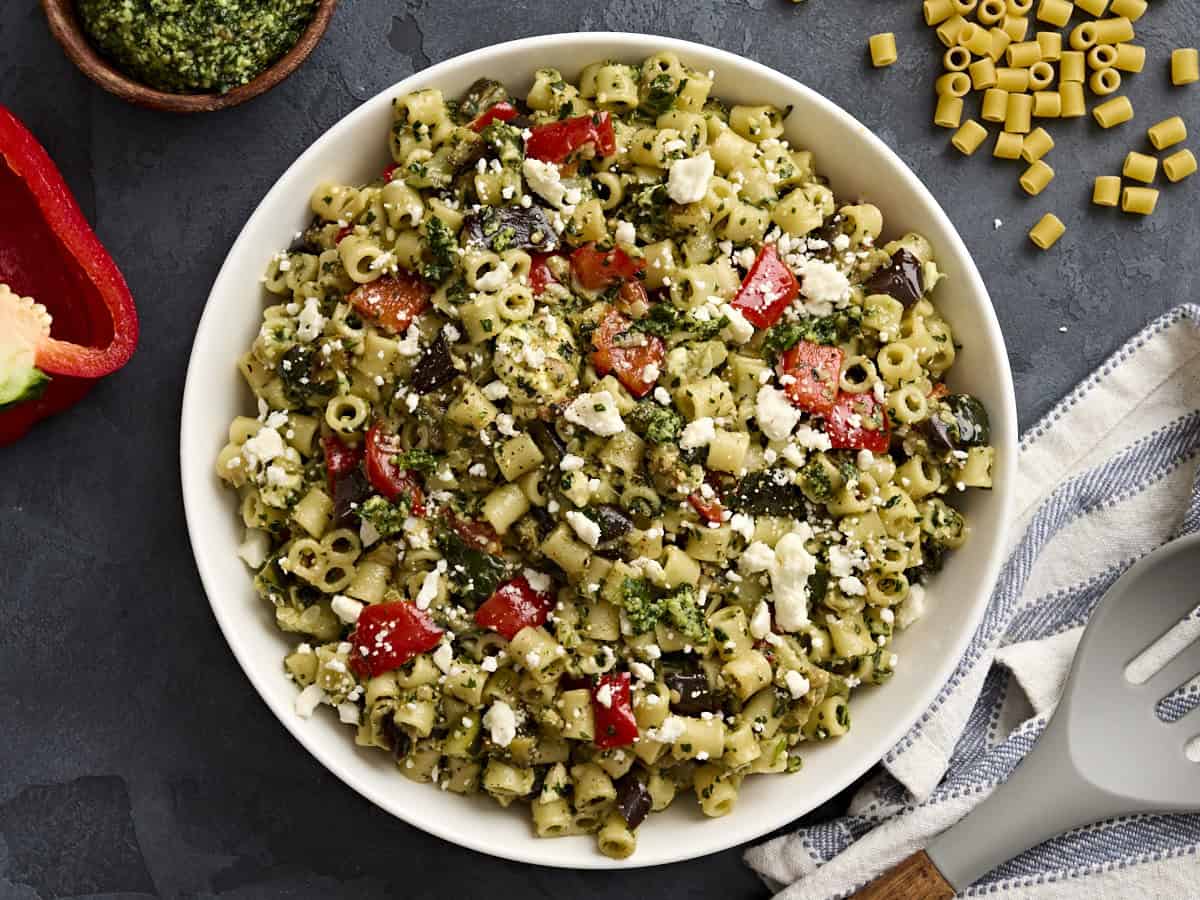
Ditalini Pesto Pasta Salad: Designed for meal-prep and social gatherings, this salad uses ditalini (small tube-shaped pasta) to match the size of diced, roasted eggplant. The addition of feta cheese introduces a briny element that balances the earthiness of the pesto.
Handhelds and Appetizers: The Versatility of Dips and Sandwiches
Beyond the dinner table, the eggplant is a staple of global street food and appetizer culture.
-
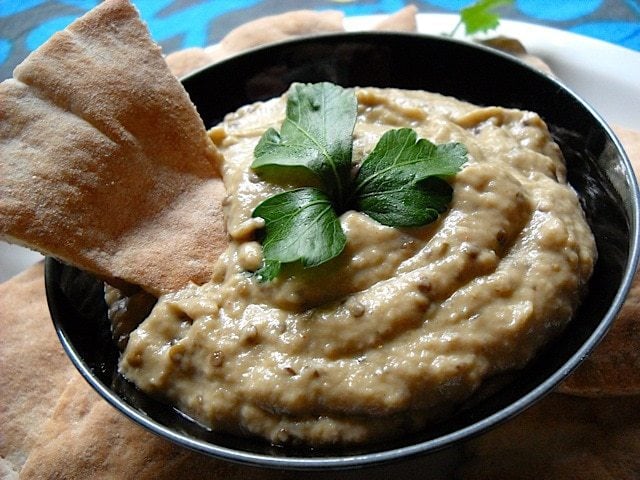
Baba Ganoush: A cornerstone of Levantine cuisine, this dip relies on the thorough roasting of whole eggplants. The process of blending the smoky flesh with tahini (sesame paste), lemon juice, and garlic creates a nutrient-dense alternative to cream-based dips.
-
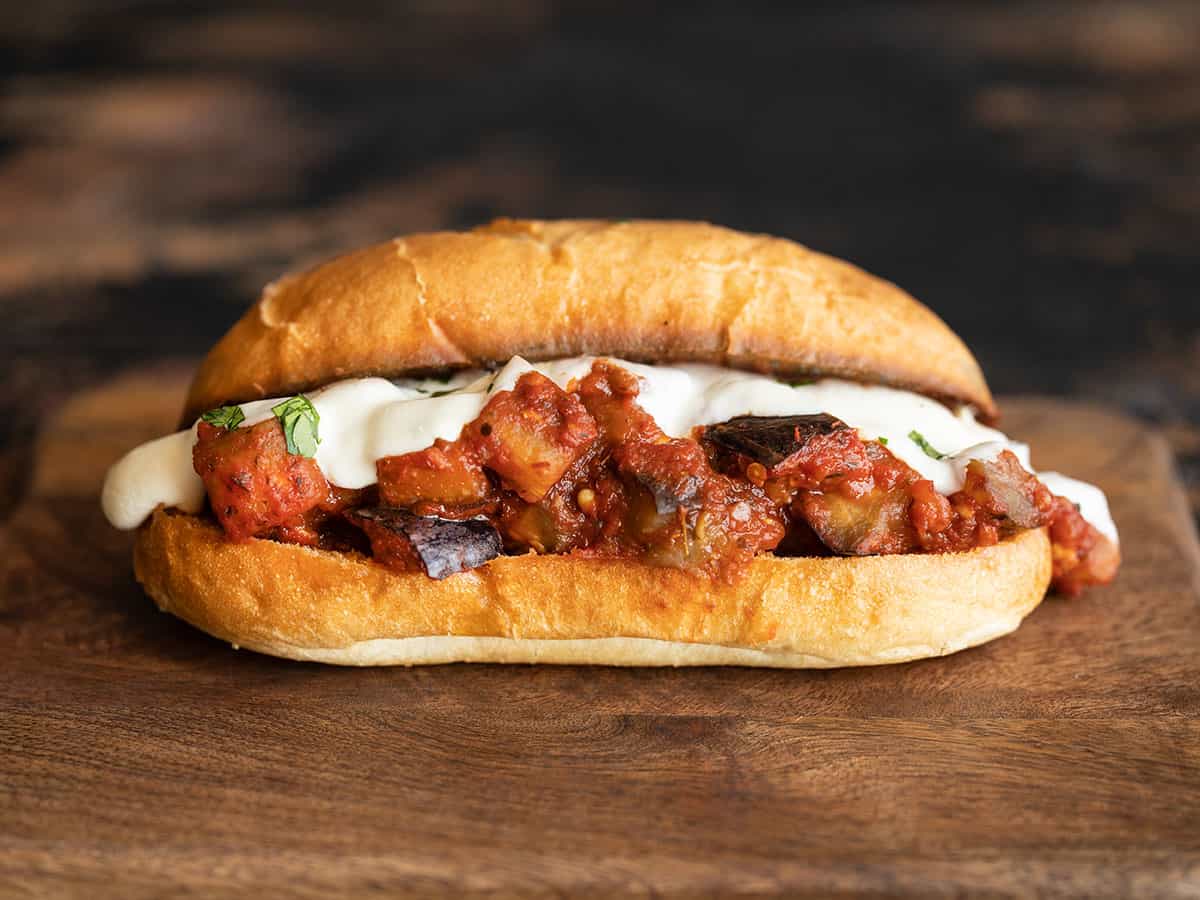
Eggplant Mozzarella Sandwiches: This recipe addresses the demand for hot vegetarian lunches. By sautéing eggplant in a tomato-based sauce and serving it on garlic-butter toasted rolls, the dish provides a texture similar to a meatball sub.
-
Oven-Roasted Greek Stuffed Pitas: This final recipe utilizes a lemon-garlic marinade for a tray-bake of chicken and eggplant. The combination of roasted poultry and vegetables provides a balanced macronutrient profile, suitable for make-ahead office lunches.
Broader Implications: Sustainability and Health
The promotion of eggplant-centric diets aligns with broader public health and environmental goals. From a nutritional standpoint, eggplants are a significant source of nasunin, a potent antioxidant found in the purple skin that has been linked to improved brain health and cellular protection. Furthermore, the vegetable’s high fiber content supports glycemic control and digestive health.
On an environmental scale, the shift toward seasonal, vegetable-based eating reduces the carbon footprint associated with long-distance food transport and intensive livestock farming. By educating consumers on how to effectively prepare seasonal produce like the eggplant, culinary experts are contributing to a more resilient and sustainable food system.
As the season progresses, the Nashville Test Kitchen continues to monitor price fluctuations and crop quality. The current 12-recipe framework serves as a template for utilizing the late summer bounty, ensuring that this often-misunderstood vegetable becomes a permanent fixture in the modern kitchen. Through the application of classic techniques and budget-conscious sourcing, the eggplant stands as a testament to the potential of simple, seasonal ingredients.
