

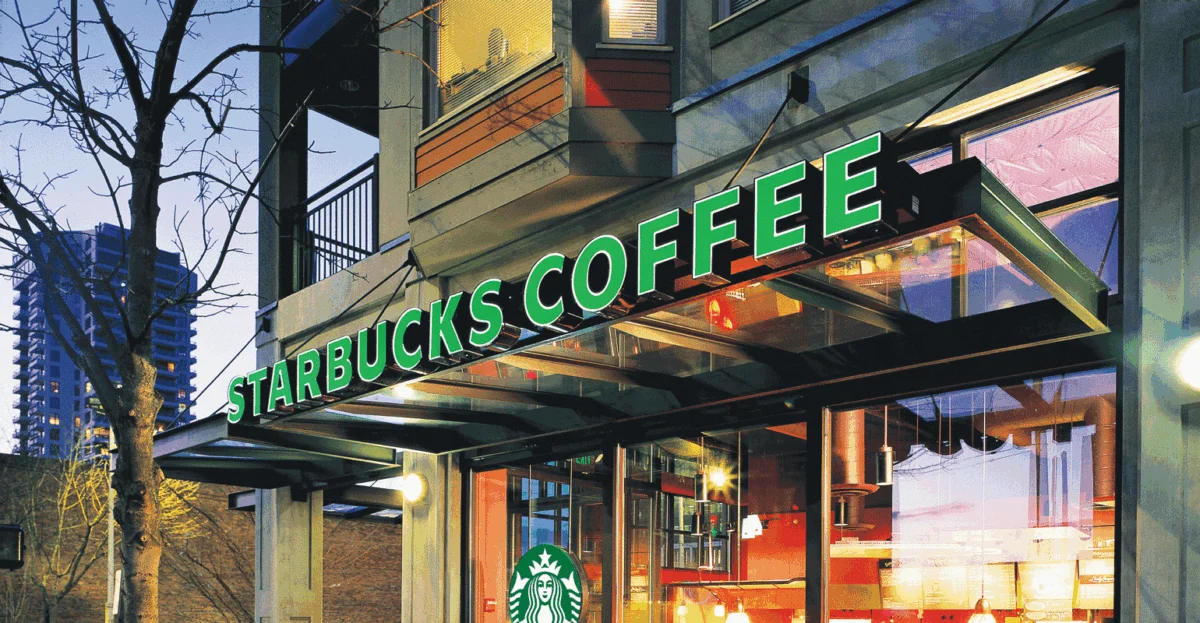
Brian Niccol, the driving force behind Starbucks’ recent strategic pivot, has officially marked his second anniversary as CEO of the global coffee giant. In a candid message to the company’s extensive network of partners, Niccol lauded the collective efforts over the past two years, highlighting significant improvements in operational efficiency, technological integration, and marketing strategies. These concerted initiatives, he emphasized, have been instrumental in revitalizing the brand and have directly contributed to a notable uplift in sales, including a robust 7.9% surge in the U.S. market during the most recent fiscal quarter. Niccol affirmed that the principles guiding these successful endeavors will remain central to the company’s forward-looking strategy, underscoring a commitment to sustained growth and innovation in the years ahead.
Starbucks’ Resurgence: A Two-Year Journey Under Niccol’s Leadership
The tenure of Brian Niccol as CEO of Starbucks has been characterized by a deliberate and comprehensive overhaul of the company’s core operations. Upon assuming leadership, Niccol inherited a brand facing evolving consumer expectations and increased competition within the dynamic coffee retail landscape. His initial two years have been dedicated to reinforcing the foundational elements of the Starbucks experience, from the quality of its beverages to the efficiency of its service. This period has seen substantial investment in technology, aimed at streamlining the ordering process, enhancing the digital customer journey, and improving in-store operational flow. Marketing efforts have also been re-evaluated to better resonate with a diverse customer base, emphasizing both the quality of Starbucks’ offerings and its commitment to social responsibility.
The impact of these strategic maneuvers is demonstrably reflected in the company’s financial performance. The 7.9% increase in U.S. same-store sales last quarter is a significant indicator of renewed consumer confidence and engagement. This growth is not merely a statistical anomaly but a testament to the successful execution of Niccol’s vision. The company’s focus on operational excellence has likely translated into reduced wait times and a more consistent customer experience, crucial factors in a sector where convenience and quality are paramount. Furthermore, enhancements in marketing and loyalty programs, such as the Starbucks Rewards app, have played a pivotal role in driving repeat business and fostering a deeper connection with its customer base.
Niccol’s message to the system serves as both a retrospective acknowledgment of past achievements and a forward-looking declaration of intent. The "principles" he refers to likely encompass a data-driven approach to decision-making, a commitment to empowering store partners, and an agile response to market trends. This sustained focus is critical for Starbucks as it navigates a global market characterized by rapid shifts in consumer preferences, economic volatility, and ongoing technological advancements. The company’s ability to adapt and innovate will be key to maintaining its position as a leader in the global coffee industry.
Walmart Expands Delivery Network with Papa Johns Partnership
In a strategic move to further solidify its position as a comprehensive lifestyle destination, Walmart announced an expansion of its grocery delivery services, integrating Papa Johns into its growing network. This collaboration marks a significant milestone, as it represents the first time Walmart will facilitate delivery from restaurants not physically located within its stores. The retail behemoth’s decision to partner with the popular pizza chain signals a broader ambition to offer customers unparalleled convenience, allowing them to seamlessly order hot meals alongside their regular grocery purchases.
The inclusion of Papa Johns alongside existing partners like Dunkin’ and Subway underscores Walmart’s commitment to diversifying its delivery offerings. This expansion is not just about adding more options; it’s about creating a holistic shopping experience. By enabling customers to receive a freshly prepared meal with their weekly groceries, Walmart aims to become an indispensable part of their daily lives, reducing the need for separate trips to various establishments. This strategy is particularly potent in today’s fast-paced world, where time-saving solutions are highly valued.
The operational logistics of this partnership are complex, requiring seamless integration between Walmart’s e-commerce platform, its delivery fleet, and Papa Johns’ order fulfillment system. The success of this initiative will depend on efficient order processing, timely delivery, and the maintenance of food quality throughout the transit process. Walmart’s extensive experience in logistics and its established delivery infrastructure provide a strong foundation for this expansion.
From Papa Johns’ perspective, this partnership offers a significant opportunity to expand its reach and customer base. By leveraging Walmart’s vast customer network, the pizza chain can tap into a new demographic of consumers who may not have previously considered ordering from them. This symbiotic relationship has the potential to drive substantial sales growth for both companies and redefine the boundaries of traditional retail and food delivery.
The broader implication of this move extends to the competitive landscape of the food delivery market. Walmart’s aggressive expansion into this space signals its intent to challenge established delivery platforms by offering a unique value proposition – the consolidation of grocery and restaurant orders. This could compel other retailers and food service providers to explore similar collaborative strategies to remain competitive.
Authentic Restaurant Brands Secures Substantial Investment for Growth
Authentic Restaurant Brands, the parent company of popular regional eateries like Pollo Tropical, has successfully secured a significant $325 million "flexible capital solution" from Trimontium, a London-based asset management firm. This substantial influx of capital is earmarked to fuel the company’s ambitious growth strategy, which centers on acquiring and expanding successful regional restaurant concepts. The investment underscores a growing confidence in Authentic Restaurant Brands’ proven model of identifying, nurturing, and scaling promising culinary ventures.
The company’s strategy has been to meticulously identify regional brands that possess strong operational foundations and a loyal customer following. Once acquired, Authentic Restaurant Brands focuses on enhancing their existing markets through strategic investments in critical areas such as technology, marketing, and operational efficiency. This approach aims to preserve the unique identity of each brand while infusing them with the resources and expertise needed for broader market penetration. Currently, Authentic Restaurant Brands oversees a portfolio of five distinct brands, collectively operating across 225 locations.
The $325 million investment will be instrumental in facilitating the company’s next phase of expansion. This includes the opening of new locations for its existing brands, thereby increasing their market presence and accessibility. Crucially, the capital will also be deployed to identify and acquire additional promising regional restaurant concepts, further diversifying Authentic Restaurant Brands’ portfolio and solidifying its position as a major player in the multi-brand restaurant ownership space.
This strategic financial maneuver highlights a broader trend within the restaurant industry, where consolidation and strategic investment are becoming increasingly vital for sustained growth. Regional brands, while often possessing strong local appeal, can face challenges in scaling nationally due to limitations in capital and operational expertise. Companies like Authentic Restaurant Brands offer a solution by providing the necessary resources and strategic guidance to unlock their full potential.
The involvement of Trimontium, a reputable asset manager, signifies a strong belief in the long-term viability and growth prospects of Authentic Restaurant Brands’ business model. This type of investment is indicative of a market that recognizes the enduring appeal of well-executed, locally beloved restaurant concepts and the potential for significant returns when these brands are strategically expanded. The success of this investment will be closely watched as a barometer for the health and future direction of the broader restaurant acquisition and growth market.
Restaurant Industry Headlines: A Snapshot of Key Developments
The restaurant sector continues to be a dynamic landscape, marked by innovation, strategic partnerships, and significant financial maneuvers. Beyond the major developments at Starbucks and Walmart, several other key events are shaping the industry’s trajectory.
KFC, Sweetgreen, and Twosome Place: This grouping signifies the diverse nature of current industry trends. KFC, a global fried chicken powerhouse, is constantly adapting its menu and operational strategies to maintain its market dominance. Sweetgreen, a pioneer in the fast-casual salad segment, represents the growing consumer demand for healthy and sustainably sourced food options. Twosome Place, while less globally recognized, likely embodies the entrepreneurial spirit of independent or emerging regional concepts that are carving out their niches. The interplay between these different types of establishments—established giants, innovative disruptors, and burgeoning local favorites—creates a vibrant and competitive ecosystem.
The ongoing evolution of quick-service restaurants (QSRs): The partnership between Walmart and Papa Johns is a prime example of how QSRs are expanding their reach beyond traditional dine-in and storefront delivery models. This trend is fueled by a combination of factors: the increasing reliance on digital ordering platforms, the demand for convenience, and the desire to capture market share in new channels. We are likely to see further creative collaborations as QSRs seek to meet consumers wherever they are, integrating with various retail and delivery platforms.

Investment in Growth and Consolidation: The substantial investment in Authentic Restaurant Brands highlights a robust appetite for growth within the restaurant investment community. This trend is not limited to large private equity firms; smaller, specialized investment vehicles are also actively seeking opportunities in the fragmented restaurant market. The focus on regional brands suggests a recognition of the value inherent in established local favorites and the potential for them to achieve broader success with the right strategic backing. This can lead to both the expansion of beloved brands and potential consolidation within certain market segments.
Technological Integration as a Core Competency: While not explicitly detailed in every news item, the underlying theme across these developments is the critical role of technology. From Starbucks’ digital transformation to Walmart’s delivery network and Authentic Restaurant Brands’ investment in technology for its portfolio companies, embracing digital solutions is no longer optional but essential for survival and growth. This includes everything from point-of-sale systems and inventory management to customer relationship management (CRM) and advanced data analytics.
The enduring appeal of unique culinary experiences: Despite the rise of large chains and delivery aggregators, there remains a strong consumer appreciation for unique and authentic culinary experiences. This is evidenced by the continued success of brands like Pollo Tropical and the ongoing interest in regional specialties. The challenge for many of these concepts lies in scaling without compromising the quality and authenticity that made them popular in the first place.
These diverse headlines collectively paint a picture of an industry in constant flux, driven by consumer demand, technological innovation, and strategic investment. The ability of businesses to adapt, collaborate, and leverage new channels will be paramount in navigating the complexities and capitalizing on the opportunities that lie ahead.
Restaurant Daily Podcast: Your Essential Industry Briefing
For those seeking to stay abreast of these fast-moving developments and gain deeper insights into the forces shaping the restaurant industry, the Restaurant Daily podcast serves as an invaluable resource. This daily briefing synthesizes the most critical headlines, offering listeners a concise and comprehensive overview of the day’s significant news. From major corporate strategies and financial transactions to emerging trends and consumer shifts, the podcast provides a curated digest of information essential for anyone involved in or interested in the restaurant sector.
The podcast’s commitment to delivering timely and relevant content makes it an indispensable tool for industry professionals, investors, and enthusiasts alike. By condensing complex information into easily digestible segments, it allows listeners to remain informed without dedicating extensive time to individual news consumption. This efficiency is particularly beneficial in a sector that experiences rapid and often unpredictable changes.
The inclusion of diverse topics—ranging from the strategic decisions of global giants like Starbucks to the operational expansions of retail behemoths like Walmart, and the investment landscapes for growing restaurant groups—demonstrates the podcast’s comprehensive approach to industry coverage. It acknowledges that the restaurant world is interconnected, with developments in one area often having ripple effects across others.
Listeners can expect analyses that go beyond mere reporting, often delving into the ‘why’ and ‘how’ behind major news items. This analytical depth, combined with the daily delivery schedule, ensures that the Restaurant Daily podcast remains at the forefront of industry news dissemination, providing an essential service for staying informed in this ever-evolving marketplace.
The podcast’s availability and format make it accessible to a wide audience, fitting seamlessly into the busy schedules of industry professionals. Whether during a commute, a workout, or a brief break, the Restaurant Daily podcast offers a consistent and reliable source of crucial industry intelligence, empowering listeners to make informed decisions and stay ahead of the curve.
