

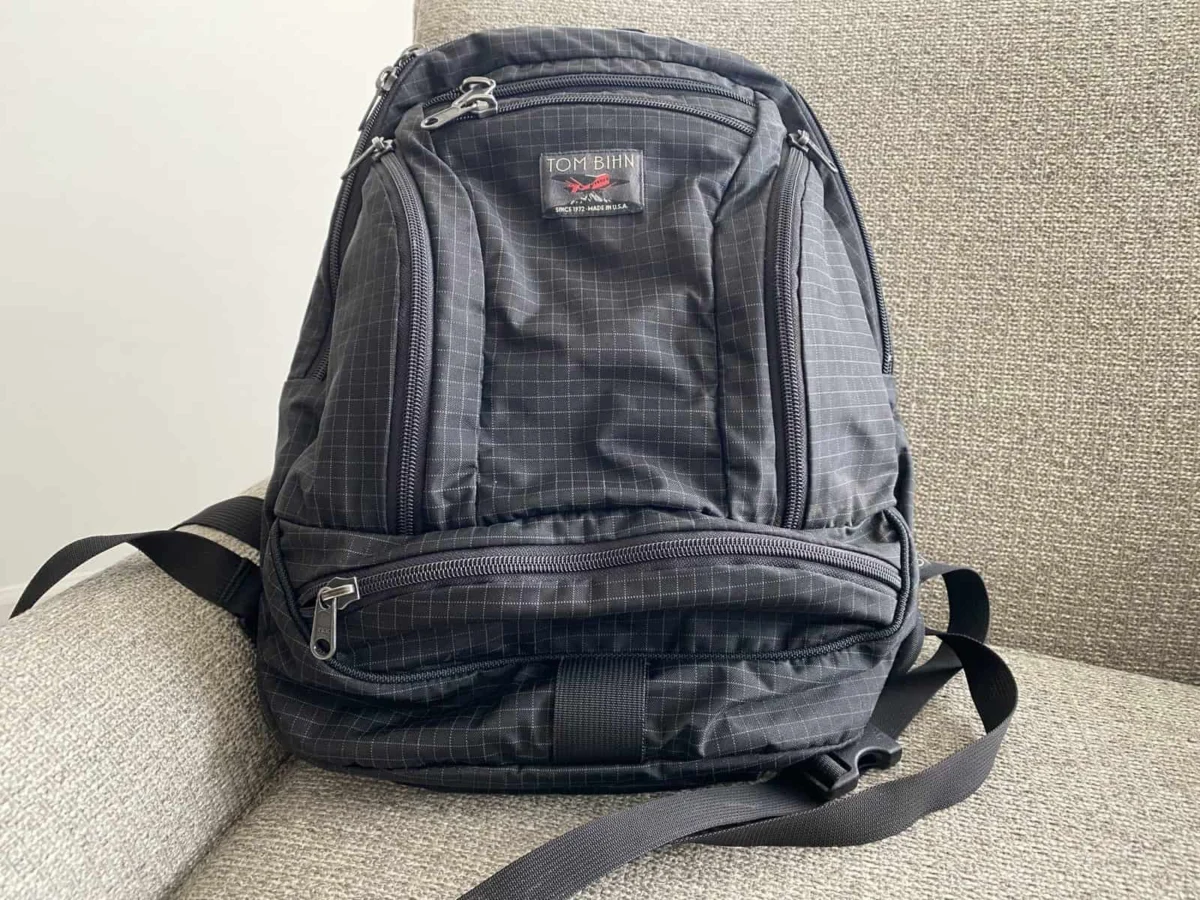
A remarkable intersection of criminal investigation, digital serendipity, and medical tragedy has come to light following the recovery of a stolen backpack in Park Slope, Brooklyn. The bag, which belonged to travel writer and former attorney Jodi Ettenberg, was discovered by a maintenance worker more than three years after it was taken during a residential burglary. The recovery has reignited discussions regarding the long-term impact of property crime and the peculiar ways in which digital communication platforms can both hinder and facilitate the return of stolen goods.
The incident traces back to August 2017, a period that marked a definitive shift in Ettenberg’s life. While she was undergoing a medical procedure at a local hospital—a spinal tap that resulted in a permanent disability—the apartment she was occupying was breached by an intruder. According to timestamped footage from an internal security camera, the burglary occurred at the exact moment the medical procedure began. The thief utilized Ettenberg’s own Tom Bihn Synapse daybag to consolidate and transport stolen items, including a laptop, jewelry, and cash. While the perpetrator left behind her Canadian passport and a small denomination of currency, the bag and its primary contents vanished for over forty-two months.
Chronology of Events: From Theft to Recovery
The timeline of the backpack’s journey provides a unique look into the persistence of physical objects within urban environments.
- August 2017: Ettenberg undergoes a lumbar puncture in a New York City emergency room. Simultaneously, an unidentified intruder enters her Park Slope residence. The thief steals various high-value items, using Ettenberg’s backpack as a satchel.
- 2017–2020: The backpack remains missing. During this interval, Ettenberg grapples with the long-term neurological consequences of the medical procedure, which left her with a cerebrospinal fluid (CSF) leak and significant physical limitations.
- December 2020: A homeowner in Park Slope, residing only a few doors down from the site of the original burglary, hires a professional chimney cleaner. While inspecting the roof, the cleaner discovers the backpack tucked into a chimney vent, where it had been exposed to the elements for over three years.
- December 2020: The homeowner discovers Ettenberg’s expired credit cards inside the bag and attempts to contact her via Facebook.
- January 2021: Ettenberg discovers the message in her "Message Requests" folder—a secondary inbox on Facebook often referred to as "digital purgatory" due to its lack of active notifications for non-contacts.
- February 2021: A close associate of Ettenberg, a former legal colleague, retrieves the bag, cleans it, and facilitates its return to the owner.
The Discovery and the Role of Urban Architecture
The discovery of the bag highlights a common tactic used by opportunistic burglars in dense urban environments like Brooklyn. Law enforcement analysts note that thieves often "dump" identifiable or low-value items shortly after a heist to minimize the risk of being caught with incriminating evidence. By stowing the bag in a chimney vent on a rooftop, the perpetrator effectively hid the evidence in a location that remained undisturbed until routine maintenance was required.
The items recovered within the bag were a mix of personal effects and remnants of the thief’s activity. While high-value electronics and jewelry were absent, the bag still contained Ettenberg’s prescription eyewear, which had suffered frame warping due to years of temperature fluctuations and exposure to New York’s seasonal cycles. Also found were expired credit cards, travel-related business cards, and a blue die that did not belong to the original owner, suggesting the thief may have used the bag to store items from other thefts before discarding it.

Medical and Psychological Context
To understand the weight of this recovery, it is necessary to examine the medical context surrounding the 2017 theft. Ettenberg, known for her "Legal Nomads" platform, was a prominent figure in the travel industry before her disability. The lumbar puncture (spinal tap) she received was intended to diagnose a health issue but resulted in a debilitating condition.
According to medical literature, a post-dural puncture headache (PDPH) occurs in approximately 6% to 36% of patients following a spinal tap. However, in rare cases like Ettenberg’s, the puncture site fails to heal, leading to a chronic CSF leak. This condition causes the brain to "sag" within the skull when the patient is upright, leading to severe pain, neurological deficits, and a forced sedentary lifestyle. For Ettenberg, the backpack was not merely a piece of luggage; it was a symbol of her former life as a highly mobile global traveler.
Psychologists suggest that the return of stolen property after a significant trauma can trigger "resurfaced memories," a phenomenon where sensory cues or physical objects bring back the emotions associated with a past crisis. Ettenberg described the experience as "kicking up sediment from the bottom of a lake," noting that the message from the neighbor forced a confrontation with the trauma of the night she lost both her property and her health.
Data and Social Media Implications
The recovery also sheds light on the mechanics of modern communication. The fact that the message sat unread for a month highlights a known issue with social media filtering algorithms. Facebook’s "Message Requests" system is designed to prevent spam by sequestering messages from individuals not in a user’s immediate network. However, as seen in this case, it can also delay the delivery of critical information.
Data from the New York Police Department (NYPD) regarding the 78th Precinct, which covers Park Slope, indicates that while burglary rates have fluctuated over the last decade, the area remains a target for residential thefts. In 2017, the year of the incident, Brooklyn saw thousands of reported burglaries, many of which remain cold cases. The recovery of property years later is statistically rare, often occurring only during renovations, roof repairs, or estate clear-outs.
Logistical Recovery and Community Support
The final stage of the backpack’s journey involved a display of communal support. Cheryl, a former law school classmate and colleague of Ettenberg, acted as the intermediary for the retrieval. Recognizing the emotional toll the bag’s return would take, Cheryl sanitized the weathered Tom Bihn Synapse—a brand noted in the travel community for its durability and high-grade ballistic nylon construction—and filled it with supportive gifts before shipping it to Ettenberg.

The durability of the bag itself is a point of interest for product analysts. Despite being exposed to New York City’s humidity, snow, and rain for three years on a rooftop, the structural integrity of the Tom Bihn bag remained intact. This speaks to the manufacturing standards of high-end travel gear, which is often designed to withstand extreme conditions that far exceed standard daily use.
Broader Impact and Conclusion
The story of the Park Slope backpack serves as a case study in the resilience of both physical objects and the human spirit. For Ettenberg, the bag represented a "holding of breath" between her past life and her current reality. By eventually donating the bag to another friend, she sought to "transmute the bad into something useful and kind," effectively closing a chapter that had remained open since 2017.
From a journalistic perspective, the event underscores several societal realities:
- The Persistence of Evidence: Stolen goods can remain hidden in plain sight within the urban landscape for years.
- The Flaws in Digital Connectivity: Important communications can be lost in automated filtering systems.
- The Interconnection of Trauma: Property crime is rarely just about the loss of items; it is often intertwined with the victim’s personal health and safety narrative.
As Ettenberg continues to navigate her life as an "outlier of possibilities," the return of the bag stands as a testament to the unpredictable nature of recovery—both physical and emotional. The case concludes not with a legal resolution or the apprehension of the 2017 thief, but with a symbolic reclamation of a life interrupted.
