

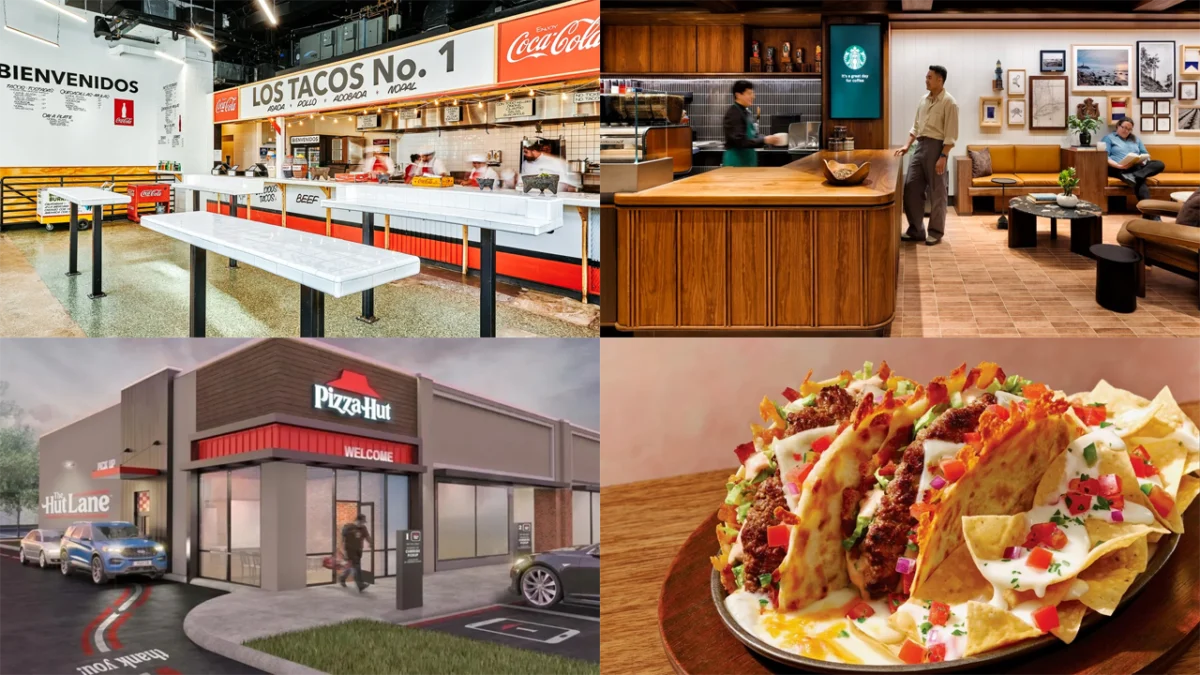
Nation’s Restaurant News has spotlighted a significant development in the fast-casual dining sector this week, as the acclaimed Tijuana-style taco brand, Los Tacos No. 1, has announced a strategic investment from private-equity firm TSG Consumer. While the precise financial terms and the nature of TSG Consumer’s stake—whether majority or minority—remain undisclosed, this infusion of capital signals a new phase of growth for the New York City-based eatery that has rapidly gained a devoted following since its inception in 2013.
The story of Los Tacos No. 1 began humbly, with its first outpost a modest stand within the bustling culinary hub of Chelsea Market. From these beginnings, the brand has cultivated a reputation for authentic, high-quality tacos, quickly becoming a destination for discerning foodies and locals alike. The brand’s commitment to traditional preparation methods, utilizing fresh ingredients and handcrafted tortillas, has been a cornerstone of its success, differentiating it in a competitive urban landscape. This investment is poised to accelerate the brand’s expansion plans, potentially allowing for more brick-and-mortar locations, enhanced operational infrastructure, and broader market reach.
TSG Consumer, the private-equity firm behind this investment, has a well-established track record in backing and growing consumer brands, particularly within the food and beverage and retail sectors. Their portfolio includes notable names, suggesting a strategic alignment with Los Tacos No. 1’s trajectory and ambition. This partnership is likely to provide not only financial resources but also strategic guidance and operational expertise, crucial elements for a growing restaurant chain navigating the complexities of scaling while maintaining brand integrity and quality.
The timing of this investment also warrants consideration. The broader restaurant industry, while showing signs of recovery, continues to face evolving consumer preferences, supply chain challenges, and labor market dynamics. For a brand like Los Tacos No. 1, which has demonstrated resilience and adaptability, securing private-equity backing can provide the necessary stability and growth capital to not only weather these challenges but to capitalize on emerging opportunities. The undisclosed nature of the financial terms makes it difficult to gauge the full scope of TSG Consumer’s involvement, but such investments are typically aimed at fueling aggressive growth strategies, which could include franchising, new market entry, or significant increases in company-owned locations.
The Ascent of Los Tacos No. 1: From Stand to Strategic Investment
Los Tacos No. 1’s journey is a compelling narrative of entrepreneurial success rooted in culinary excellence. Founded by a group of friends with a shared passion for authentic Mexican street food, the brand quickly distinguished itself in the crowded New York City food scene. The initial stand in Chelsea Market, a prime location known for its curated selection of food vendors, provided an ideal testing ground. The overwhelmingly positive reception and consistent demand for their tacos—often characterized by long queues of eager customers—underscored the brand’s potential.
Over the years, Los Tacos No. 1 has expanded its footprint across Manhattan and beyond, opening several additional locations. Each new establishment has maintained the core ethos of quality and authenticity, contributing to a strong brand identity and a loyal customer base. The brand’s commitment to simplicity, focusing on a concise menu of expertly prepared tacos, quesadillas, and agua frescas, has been a key differentiator. This focus allows for operational efficiency and a consistent product, which are critical for scaling.
The strategic investment from TSG Consumer represents a significant validation of Los Tacos No. 1’s business model and its potential for future growth. For a private-equity firm, identifying and investing in brands with strong unit economics, a clear competitive advantage, and a scalable operational framework is paramount. Los Tacos No. 1 appears to tick all these boxes, having successfully translated its initial success into a demonstrable growth trajectory.
Navigating a Dynamic Market: Other Notable Industry Movements
Beyond the significant news of Los Tacos No. 1’s investment, the restaurant industry landscape continues to be shaped by other notable developments. One such event involves the drive-thru coffee chain 7 Brew, which has acquired a portfolio of former Salad and Go sites. This acquisition comes at a substantial cost, highlighting the competitive nature of prime real estate and the strategic moves being made by expanding brands.
7 Brew emerged victorious in a bidding process for a significant number of locations previously occupied by Salad and Go, a salad chain that has faced financial difficulties and ultimately filed for bankruptcy. The acquisition was finalized after a rival bidder, Dutch Bros, a fellow drive-thru coffee competitor, opted not to escalate its previous $105 million offer. This scenario underscores the value placed on established locations, particularly those with existing infrastructure conducive to drive-thru operations, a model that has seen considerable growth in recent years. The acquisition by 7 Brew is likely intended to accelerate its own expansion, leveraging the prime real estate to capture market share in new and existing territories. The substantial bidding war, even without a final increase from Dutch Bros, indicates the strategic importance of these sites for 7 Brew’s growth objectives.
In another development impacting the burgeoning food hall and delivery sector, Wonder, a company focused on a hybrid model of culinary innovation and streamlined delivery, is implementing workforce reductions. The company is laying off approximately 7% of its staff, a move that translates to around 150 employees impacted across the organization. This decision is framed as a strategic effort to streamline business operations in anticipation of a planned initial public offering (IPO).
Layoffs, while often difficult for those affected, are sometimes a necessary component of corporate restructuring, particularly for companies preparing for the scrutiny and performance demands of the public markets. Streamlining operations, reducing overhead, and optimizing efficiency are common strategies employed by companies aiming to present a more attractive financial profile to potential investors. The success of Wonder’s planned IPO will likely depend on its ability to demonstrate a clear path to profitability and sustainable growth, and these operational adjustments are a step in that direction.
Broader Implications and Industry Trends
The series of events highlighted by Nation’s Restaurant News offers a snapshot of the dynamic forces at play within the U.S. restaurant industry. The investment in Los Tacos No. 1 by TSG Consumer speaks to the ongoing appetite for well-positioned, authentic, and scalable fast-casual concepts. Private equity firms continue to see the restaurant sector, particularly segments with strong brand loyalty and efficient operational models, as attractive investment opportunities. This trend suggests a continued consolidation and professionalization within the industry, as well-capitalized players seek to acquire and grow promising brands.
The 7 Brew acquisition of Salad and Go sites illustrates the fierce competition for physical real estate, especially for concepts that thrive on high-volume, drive-thru models. The post-pandemic landscape has accelerated the adoption of these formats, making strategically located sites incredibly valuable. The fact that a significant acquisition occurred through a bidding process, even with a competitor withdrawing, underscores the premium placed on such assets. This competition can drive up real estate costs and influence expansion strategies for emerging brands.
Wonder’s workforce reduction ahead of its IPO points to the ongoing pressure on profitability and operational efficiency within the tech-enabled food delivery and restaurant aggregation space. While the convenience offered by such models has been widely adopted, the path to sustainable profitability remains a challenge for many companies in this sector. Strategic streamlining and cost management are therefore critical for companies seeking to attract public market investment.
Furthermore, the mention of South Korea’s bakery-café chain Twosome Place making its U.S. debut indicates a growing internationalization of the food market. As global brands seek to tap into the vast and diverse American consumer base, we can expect to see more cross-border market entries. This trend brings new concepts, culinary influences, and competitive pressures to the domestic market, enriching the dining landscape for consumers.
In conclusion, the news from Nation’s Restaurant News paints a picture of an industry in constant flux, characterized by significant investment, strategic acquisitions, operational adjustments, and international expansion. Los Tacos No. 1’s private-equity backing is a testament to its successful brand building and growth potential, while other industry movements highlight the ongoing competition for resources, real estate, and market share. As these trends continue to unfold, the U.S. restaurant sector remains a vibrant and evolving landscape for both businesses and consumers.
