

Troy Hooper, a pivotal figure in the recent expansion of the Japanese teppanyaki chain Pepper Lunch within the United States, is stepping down from his day-to-day management responsibilities as CEO of Hot Palette America. The announcement, made on Wednesday, marks a significant shift in leadership for the brand’s burgeoning U.S. operations, with Hooper transitioning to a strategic advisor role effective September 25. This move comes as Pepper Lunch, a global culinary concept with a distinctive interactive dining experience, aims to accelerate its growth trajectory in North America and beyond.
Hooper, who joined Hot Palette America in 2023, was instrumental in laying the groundwork for the brand’s ambitious expansion plans across the U.S. and Canada. His tenure was marked by a focus on solidifying franchise relationships, strengthening supplier networks, and establishing a robust operational framework designed to support rapid scaling. The company’s statement highlighted Hooper’s "pivotal role" in the brand’s domestic business development, underscoring his contributions to building the foundation for future growth.
Taking the helm of Pepper Lunch’s U.S. business will be Yugo Tago, Group CEO of Hot Palette Holdings Group, the parent company. This move signifies a direct oversight from the global leadership, reinforcing the strategic importance of the U.S. market. Mark Bailey will continue in his capacity as Chief Operating Officer, ensuring continuity in operational execution.
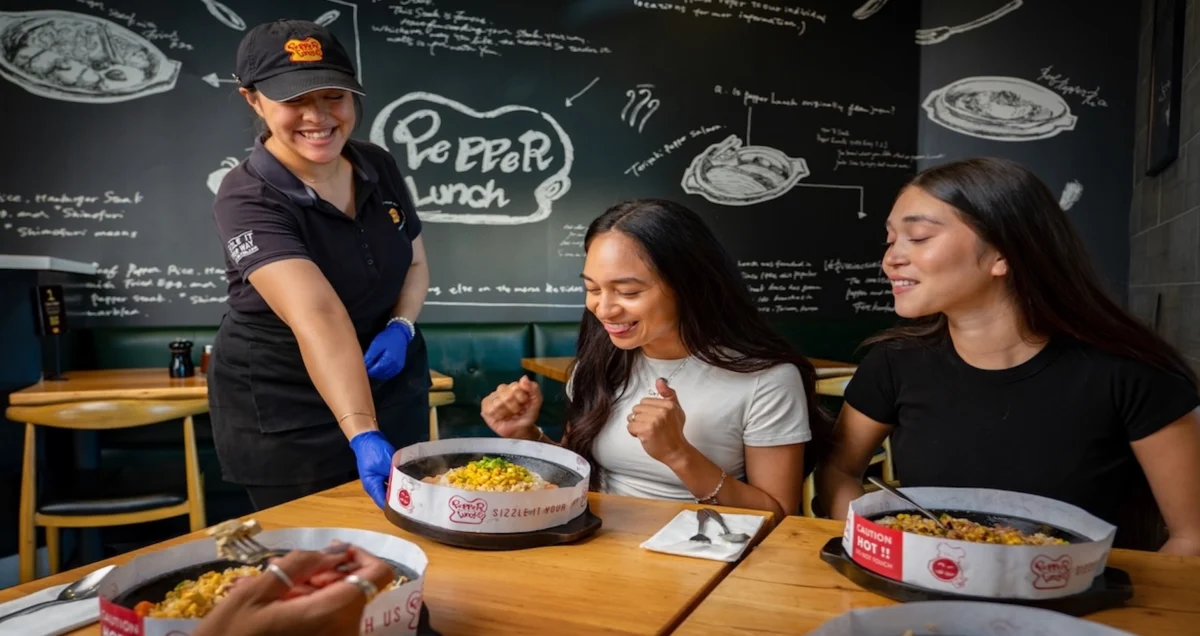
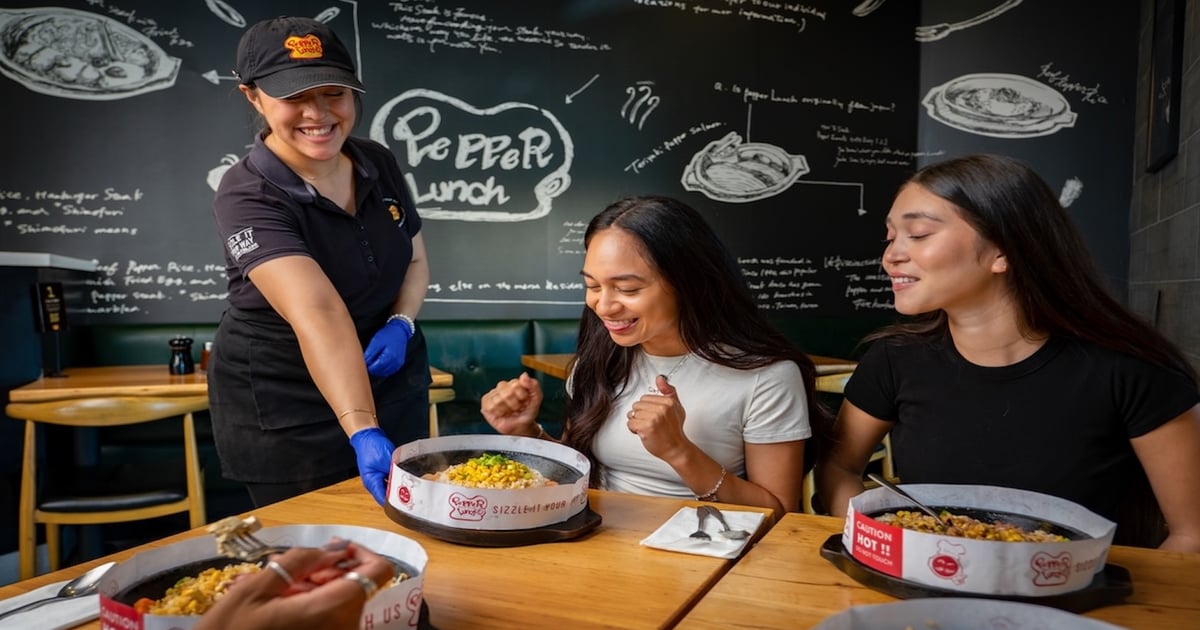
Pepper Lunch, a culinary phenomenon originating in Japan in 1994, is celebrated for its signature "sizzling plate" teppanyaki dishes. Diners are presented with raw ingredients on a superheated plate, allowing them to cook their meals to their preferred level of doneness right at the table. This interactive element, combined with a menu featuring a variety of meat, seafood, and vegetarian options, has contributed to its global appeal. Currently, the chain boasts over 580 units spread across 16 countries and territories worldwide.
The strategic decision to expand aggressively in the U.S. is underpinned by a global growth target. Hot Palette Holdings Group aims to nearly double its global footprint by 2030. The United States is viewed not only as a prime market for direct expansion across North and Latin America but also as a critical sourcing hub for key ingredients, particularly beef, a cornerstone of many Pepper Lunch dishes. As of the latest reporting, Pepper Lunch has established 11 operational units within the U.S. and Guam, representing a significant initial foothold in this strategically vital region.
A Strategic Shift and Global Ambitions
The transition of Troy Hooper from CEO to strategic advisor signifies a deliberate evolution in leadership as Pepper Lunch navigates its next phase of growth. Hooper’s initial mandate was to establish a strong presence and operational infrastructure for the brand in the North American market. His success in building relationships with franchisees and suppliers has created a solid platform for continued expansion.
Yugo Tago’s assumption of direct leadership in the U.S. market underscores the parent company’s commitment to the region’s potential. "The United States has become one of the most important strategic markets in the Pepper Lunch system," Tago stated in a press release. "Not only is it a highly attractive growth market in its own right, but it will also play a critical role in our long-term strategy across North America and Latin America." This statement highlights a multi-faceted approach to U.S. market development, extending beyond domestic sales to encompass regional strategic influence.
The company’s ambitious global expansion plans, targeting a near doubling of its presence by 2030, place significant emphasis on international markets. The U.S. serves as a crucial testing ground and launchpad for these aspirations. Its large consumer base, diverse culinary landscape, and established franchise infrastructure make it an ideal environment for rapid scaling. Furthermore, leveraging the U.S. as a sourcing hub for high-quality beef can optimize supply chain efficiency and cost-effectiveness for the entire global network.
Background: The Pepper Lunch Phenomenon
Founded by Kunio Ota in 1994, Pepper Lunch emerged from a desire to offer a unique and engaging dining experience that empowered customers. The concept of "self-cooking" on a sizzling plate was innovative, allowing for customization and a degree of culinary theater. This interactive approach resonated with consumers, leading to its rapid international proliferation. The brand’s success can be attributed to several key factors:
- Interactive Dining Experience: The sizzling plate concept is inherently engaging, transforming a meal into an activity.
- Customization: Diners have control over how their food is cooked, appealing to diverse preferences.
- Affordability and Quality: Pepper Lunch generally offers a balance of quality ingredients at accessible price points, a crucial factor for mass appeal in the fast-casual sector.
- Global Scalability: The core concept is easily adaptable to different cultural palates with minor menu adjustments, facilitating international expansion.
The U.S. market, with its mature fast-casual dining scene and a growing appetite for international flavors, presents a significant opportunity for Pepper Lunch. The existing 11 units are a testament to the brand’s initial traction, and the strategic leadership change signals an intent to accelerate this growth.
Timeline of Leadership and Expansion
The recent developments in Pepper Lunch’s U.S. leadership can be viewed within a broader timeline of the brand’s strategic initiatives:
- 1994: Pepper Lunch is founded in Japan by Kunio Ota.
- Late 2010s – Early 2020s: The brand experiences significant international growth, expanding its footprint across Asia and other global markets.
- 2023: Troy Hooper is hired as CEO of Hot Palette America to spearhead the U.S. and Canadian expansion efforts. This appointment signals a renewed focus and investment in the North American market.
- 2023 – Present: Hooper oversees the initial phase of U.S. development, focusing on building foundational elements such as franchise recruitment, supply chain integration, and operational standardization. During this period, the number of U.S. and Guam locations grows to 11.
- September 25, 2024: Troy Hooper transitions from his CEO role to a strategic advisor position. Yugo Tago, Group CEO of Hot Palette Holdings Group, assumes direct leadership of the U.S. operations, with Mark Bailey continuing as COO.
This timeline indicates a structured approach to market entry and leadership transition. Hooper’s initial role was to establish the brand and its operational framework. Tago’s assumption of leadership suggests a shift towards more direct global oversight and strategic acceleration, leveraging the groundwork laid by Hooper.
Supporting Data and Market Context
The global fast-casual dining sector is a dynamic and competitive landscape. In the U.S. alone, the market is valued in the hundreds of billions of dollars, with consistent growth driven by consumer demand for convenient, high-quality, and often ethnically diverse food options.
Pepper Lunch’s specific niche – interactive teppanyaki – offers a unique selling proposition that could carve out a significant market share. The brand’s global success demonstrates its ability to appeal to a broad demographic. The current 11 U.S. locations, while a starting point, represent a significant opportunity for multiplication.
- Global Reach: With over 580 units worldwide, Pepper Lunch has a proven model for international success.
- Growth Targets: The objective to nearly double its global presence by 2030 indicates an aggressive expansion strategy, with the U.S. being a critical component.
- Ingredient Sourcing: The U.S. is a major producer of high-quality beef, making it an attractive location for supply chain optimization. This can lead to cost savings and improved quality control for the entire brand.
- Consumer Trends: There is a growing consumer interest in unique dining experiences and global cuisines. Pepper Lunch’s interactive teppanyaki fits well within these trends.
The company’s strategic vision to utilize the U.S. as a platform for expansion into Latin America further amplifies its ambitions. A strong presence in the U.S. can serve as a springboard for market entry and operational support for neighboring countries, leveraging established logistical networks and brand recognition.
Analysis of Implications
The leadership transition at Hot Palette America and the appointment of Yugo Tago as the new head of U.S. operations carry several implications for Pepper Lunch’s future in the North American market:
- Accelerated Growth: Tago’s direct involvement from the global leadership team suggests a push for more rapid expansion. This could involve increased investment in franchise development, marketing, and new store openings. The company may aim to significantly increase the number of U.S. locations in the coming years, potentially exceeding the initial 11 units at a faster pace.
- Strategic Alignment: With the Group CEO at the helm, there is a heightened likelihood of tighter integration between U.S. operations and global strategic objectives. This could translate into more consistent brand messaging, standardized operational procedures, and a unified approach to market penetration across North and Latin America.
- Focus on Key Markets: The U.S. market’s dual role as a growth engine and a sourcing hub will likely be further emphasized. This could lead to initiatives aimed at solidifying supply chain relationships and potentially exploring opportunities for vertical integration or strategic partnerships within the U.S. agricultural sector.
- Talent and Expertise: While Hooper’s expertise in building the U.S. foundation is acknowledged, Tago brings a broader global perspective and a deep understanding of the entire Pepper Lunch system. This shift in leadership might bring new strategic approaches and operational efficiencies derived from successful implementations in other international markets.
- Franchisee Relations: The continuation of Mark Bailey as COO is crucial for maintaining strong relationships with existing franchisees. As the brand expands, consistent support, clear communication, and a reliable operational framework will be vital for franchisee satisfaction and continued investment.
The transition is designed to leverage the established infrastructure and market understanding built under Hooper’s leadership, while simultaneously injecting a more direct and perhaps more aggressive strategic vision from the global parent company. The success of this transition will hinge on the ability of Tago and Bailey to maintain momentum, attract new franchisees, and effectively navigate the competitive U.S. restaurant market.
Official Responses and Recognition
The official statements released by Hot Palette America underscore the positive contributions of Troy Hooper and the strategic importance of the U.S. market.
"Pepper Lunch would not be where it is in the United States today without Troy’s leadership, commitment and belief in the brand," stated Yugo Tago. This acknowledgment highlights Hooper’s crucial role in establishing the brand’s presence and fostering its initial growth within the U.S. The phrase "leadership, commitment and belief" suggests a deep personal investment and dedication that was instrumental in overcoming early challenges and laying a solid foundation.
Tago further elaborated on the strategic significance of the U.S. market: "The United States has become one of the most important strategic markets in the Pepper Lunch system. Not only is it a highly attractive growth market in its own right, but it will also play a critical role in our long-term strategy across North America and Latin America." This statement elevates the U.S. beyond just a sales territory, positioning it as a central pillar in the company’s overarching global expansion blueprint. It indicates that decisions and investments made in the U.S. will have ripple effects throughout the company’s international strategy.
The company’s decision to transition Hooper to a strategic advisor role is a common practice in corporate leadership, allowing experienced executives to continue contributing their insights and guidance without the day-to-day operational burdens. This move can be seen as a testament to Hooper’s value and the company’s desire to retain his expertise in a different capacity.
Conclusion: A New Chapter for Pepper Lunch in the U.S.
The leadership transition at Pepper Lunch America marks a pivotal moment for the fast-casual Japanese teppanyaki chain. With Troy Hooper moving to a strategic advisor role and Yugo Tago taking direct charge of U.S. operations, the company signals an acceleration of its ambitious growth plans. The U.S. market is not merely a target for expansion but a critical strategic hub for Pepper Lunch’s global ambitions, including its planned growth across North and Latin America and its role as a key ingredient sourcing location.
The foundation laid by Hooper provides a solid platform, and Tago’s leadership, backed by COO Mark Bailey, is poised to drive aggressive scaling. As Pepper Lunch continues its journey to nearly double its global footprint by 2030, its success in the dynamic U.S. market will be a key indicator of its ability to achieve these far-reaching objectives. The interactive dining experience and unique culinary appeal of Pepper Lunch position it to capture a significant share of the evolving fast-casual landscape, making this leadership shift a critical development to watch.
