

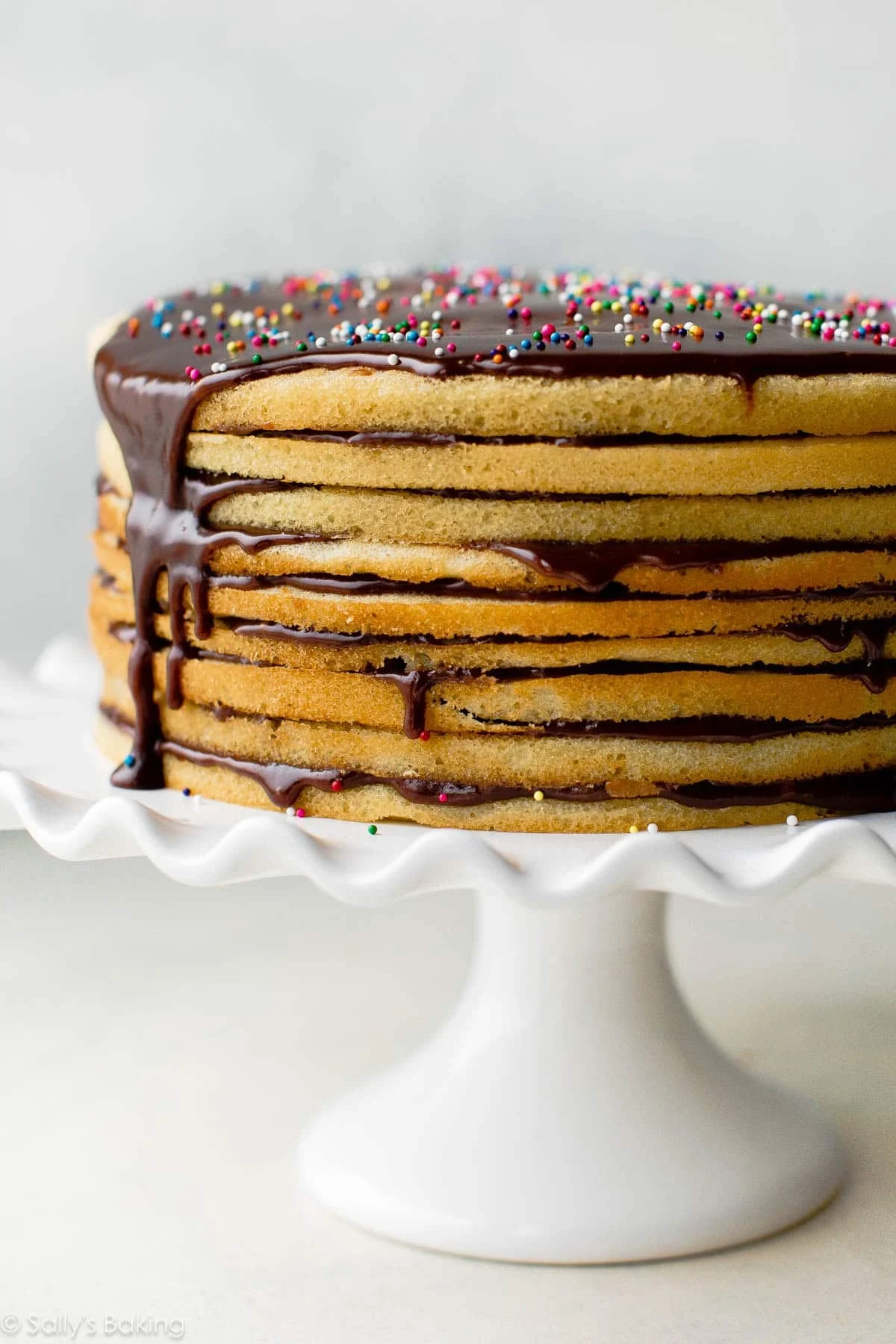
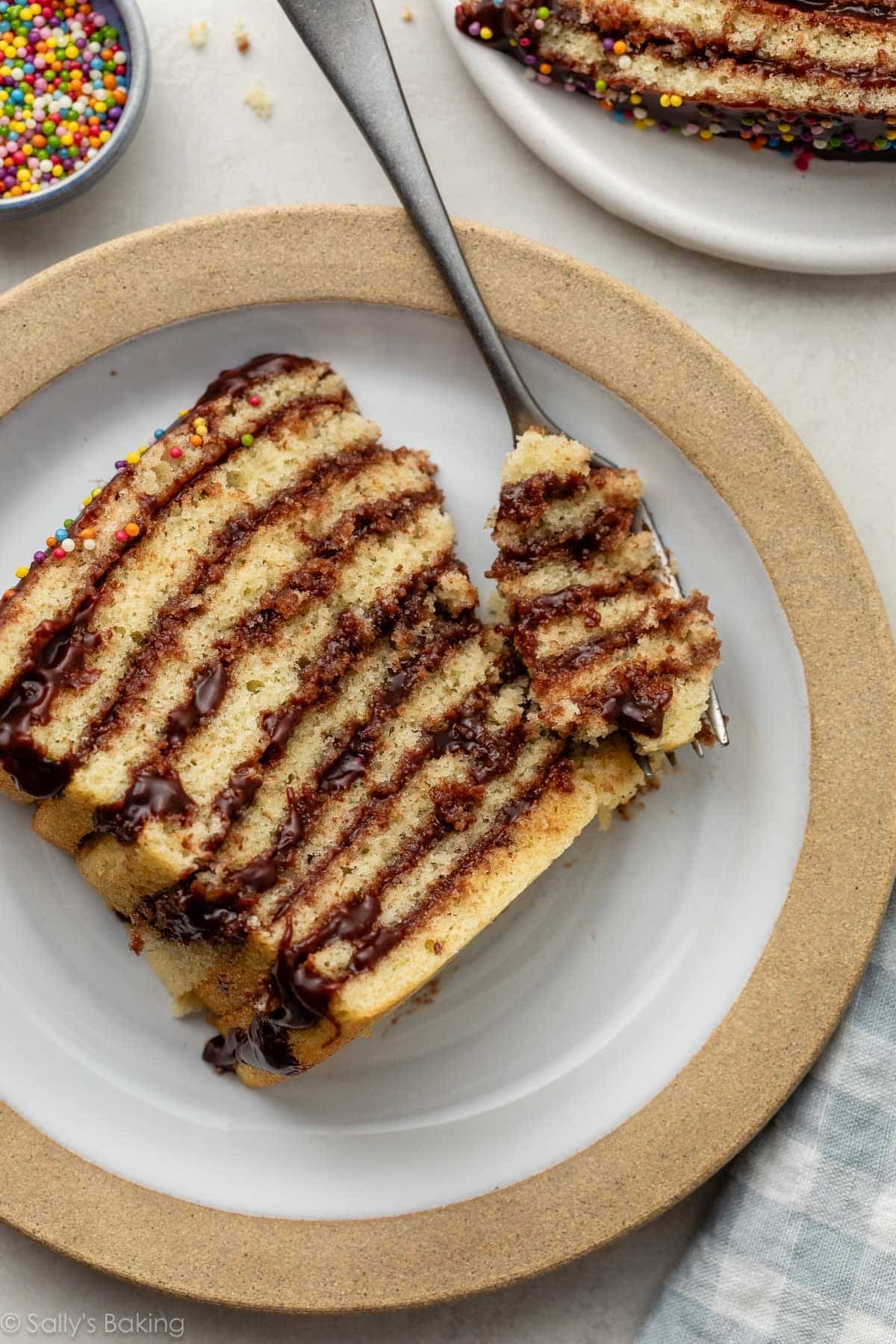
The Smith Island Cake, Maryland’s official state dessert, stands as a culinary marvel, captivating with its distinctive nine thin layers of moist yellow cake enveloped in a rich, fudgy chocolate icing, an impressive showstopper that belies a surprisingly approachable preparation process for the home baker.
A Culinary Icon from the Chesapeake Bay’s Heart
Originating from the remote and historically resilient Smith Island, nestled in the Chesapeake Bay, this iconic cake is more than just a dessert; it is a tangible piece of Maryland’s cultural heritage. The island, accessible only by boat, has fostered a unique way of life centered around its watermen, primarily engaged in crabbing and oystering. It was within this context, during the arduous autumn oyster harvest, that the multi-layered cake found its practical purpose and enduring fame. The cooked fudge icing, a hallmark of the traditional recipe, was not merely for flavor; its robust composition ensured a longer shelf life compared to other frostings, making it an ideal, sustaining treat for the watermen during their long days at sea. This blend of culinary tradition and practical necessity forged a dessert that has transcended its humble origins to become a celebrated state symbol.
The cake’s recognition as Maryland’s official state dessert came in 2008, a testament to its deep roots within the state’s identity and its popularity across communities. The legislative process for such designations typically involves proposals from local communities or cultural groups, followed by deliberation and approval by the state legislature. For the Smith Island Cake, this designation underscored the state’s commitment to preserving and celebrating its unique regional foods, placing it alongside other distinctive state symbols. This move not only elevated the cake’s status but also brought significant attention to Smith Island itself, a community facing challenges such as land erosion and a dwindling population, highlighting its unique heritage to a broader audience.
The Art and Science of the Multi-Layered Masterpiece
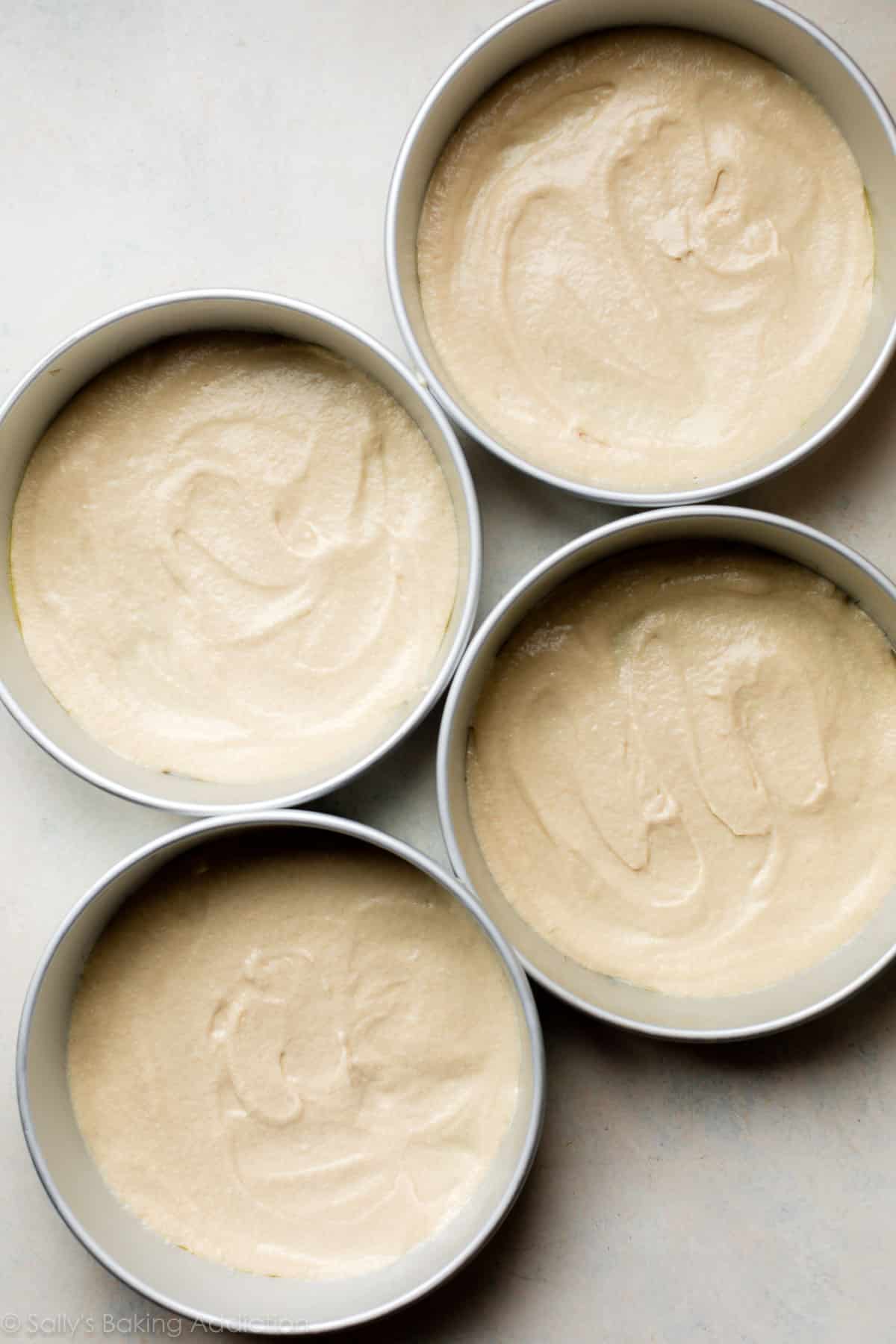
At the core of the Smith Island Cake’s allure are its numerous, exceptionally thin cake layers. While often intimidating in appearance, the methodology behind these layers is surprisingly straightforward and effective. Unlike conventional cakes that might feature two or three thick layers subsequently sliced horizontally, the Smith Island Cake’s traditional preparation involves baking each of its eight or nine (or even more) layers individually. This approach, while requiring more pans or baking in batches, simplifies the process significantly, eliminating the challenge of achieving perfectly even, delicate slices from a thicker cake. Each layer, being inherently thin, bakes rapidly—typically in just 11-12 minutes—and cools quickly, streamlining the overall baking schedule. The use of greased parchment paper rounds is crucial for these delicate layers, ensuring they release from the pans without tearing, a vital step in maintaining the cake’s structural integrity.
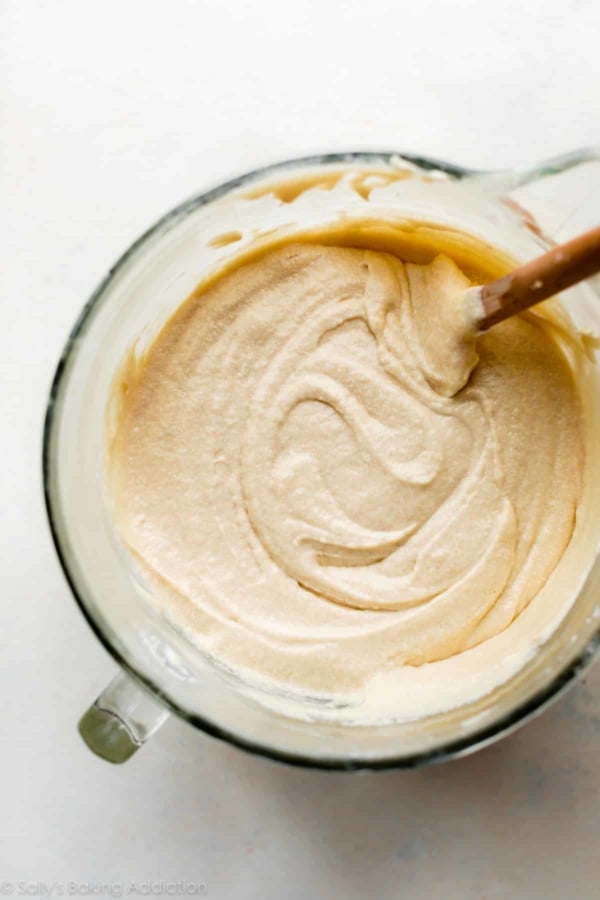
The yellow cake batter itself is a classic composition, featuring all-purpose flour, creamed butter and sugar, eggs, and buttermilk. The buttermilk is particularly important, contributing not only to the cake’s moistness but also adding a subtle tang that complements the richness of the chocolate icing. The leavening agents, baking powder and baking soda, are carefully balanced to provide just enough lift for these thin layers without making them overly puffy, ensuring they remain slender and stackable. For instance, recent recipe refinements have seen a slight increase in baking powder to enhance this lift, alongside a minor reduction in sugar in the cake batter to achieve a more balanced sweetness profile when paired with the intensely rich fudge icing. The precise division of batter, approximately 200-210 grams per 9-inch pan, ensures uniformity across all layers, a critical factor for the cake’s characteristic even stacking.
The Signature Cooked Fudge Icing
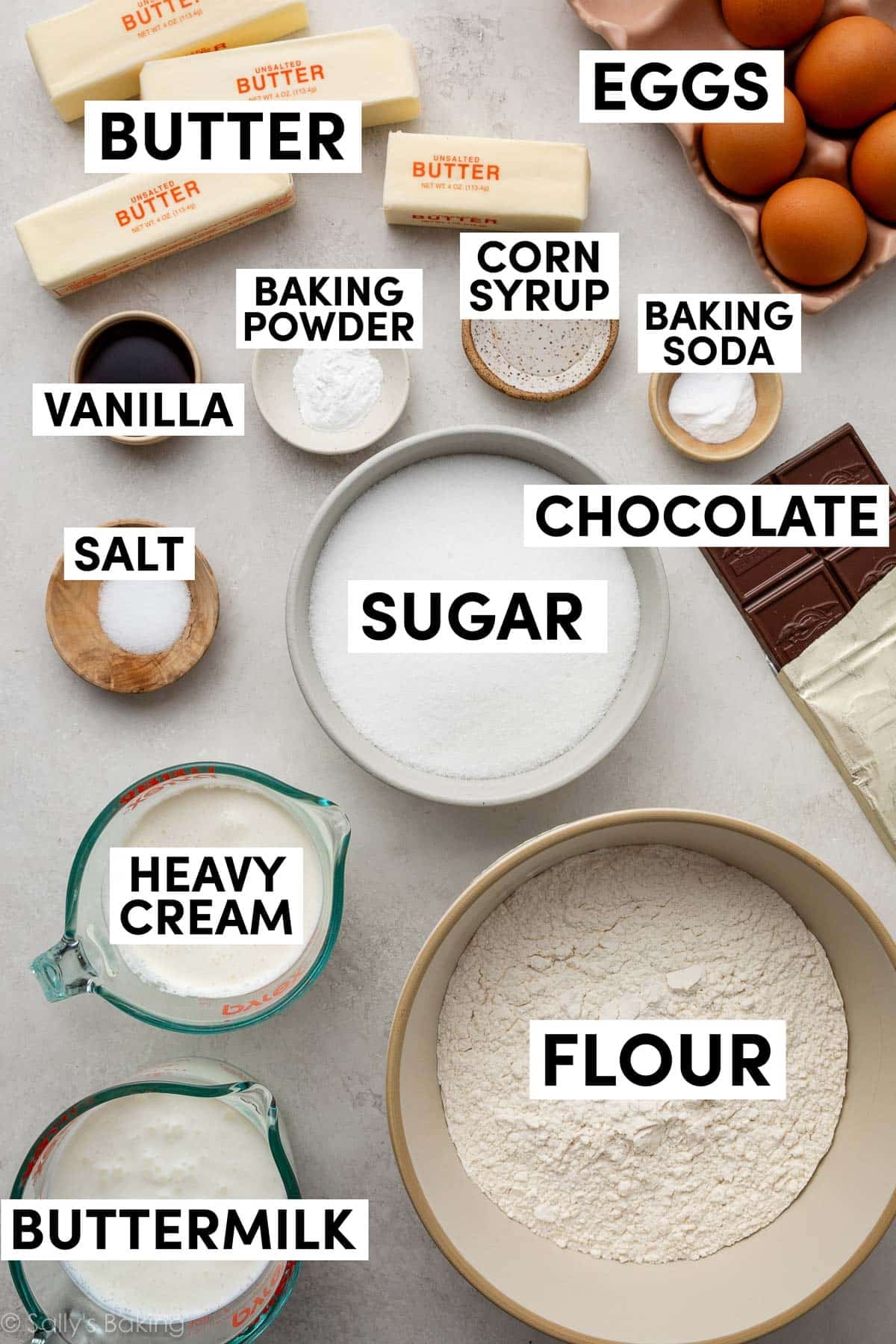
Equally as crucial as the cake layers is the cooked chocolate fudge icing, which truly defines the Smith Island Cake. This is not a typical buttercream; it is a rich, pourable fudge prepared on the stovetop. The process begins by combining butter, chopped chocolate, sugar, heavy cream, and often a touch of corn syrup. The choice of chocolate is significant; bittersweet chocolate is frequently favored as its deeper, less sweet flavor provides an ideal counterpoint to the overall sweetness of the cake and icing. The mixture is brought to a boil, typically reaching a temperature of about 220°F (104°C), and cooked for a short duration. This precise temperature control is essential for achieving the correct consistency.
Upon removal from the heat, the icing is initially quite thin, resembling a warm hot fudge sauce or ganache. This thinness is normal and expected. The critical step is allowing it ample time to cool and thicken. As it cools, the sugars crystallize and the mixture solidifies into a rich, spreadable fudge. Recent recipe updates have often increased the chocolate content (e.g., from 4 ounces to 6 ounces) to yield an even thicker, more intensely chocolate-flavored icing, further enhancing the cake’s signature taste and texture. This cooked fudge, unlike many other frostings, creates a protective, almost shell-like coating that helps seal in the moisture of the cake layers, contributing significantly to the cake’s renowned moistness and contributing to its historical practicality for preservation.
Assembly and the "Charm of Imperfection"
Assembling the Smith Island Cake, despite its multi-layered structure, is surprisingly straightforward once both the cake layers and the cooled, thickened icing are ready. The process involves placing a single cake layer on a serving plate or stand, spooning a portion of the chocolate icing over it, and spreading it thinly and evenly. This step is then repeated for each subsequent cake layer and icing layer.
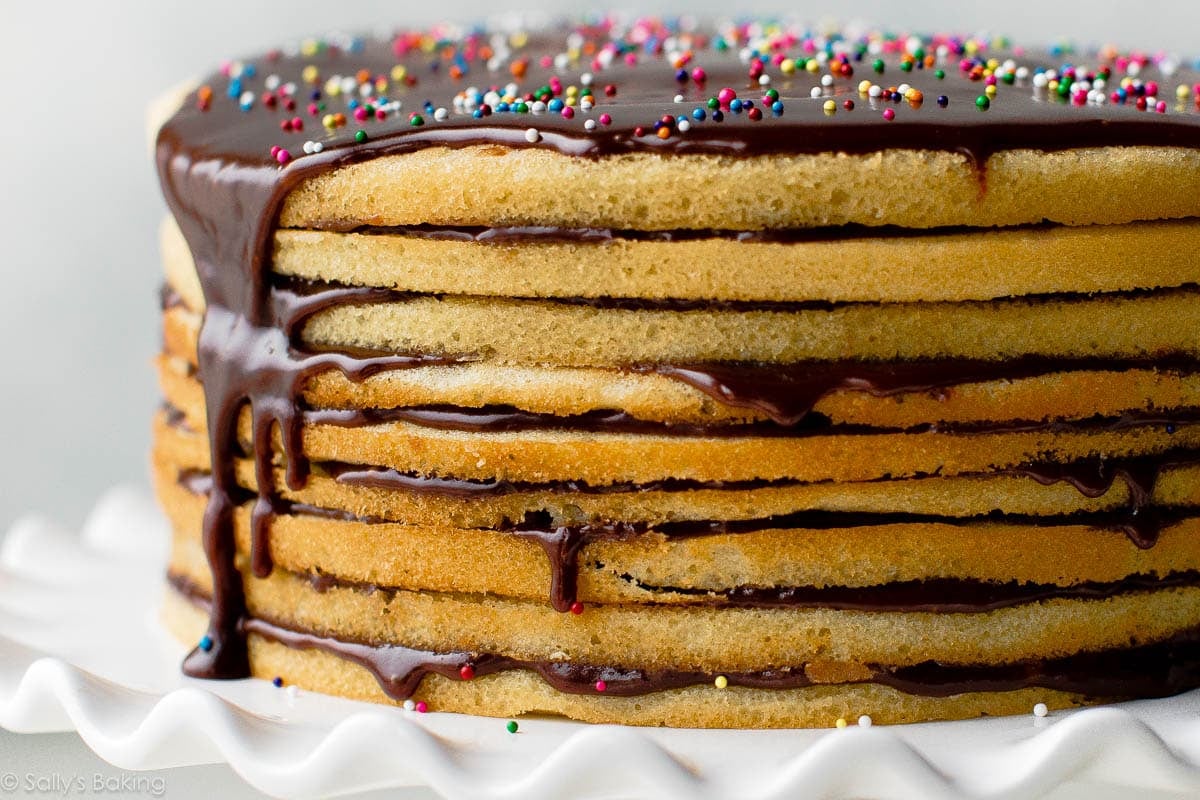
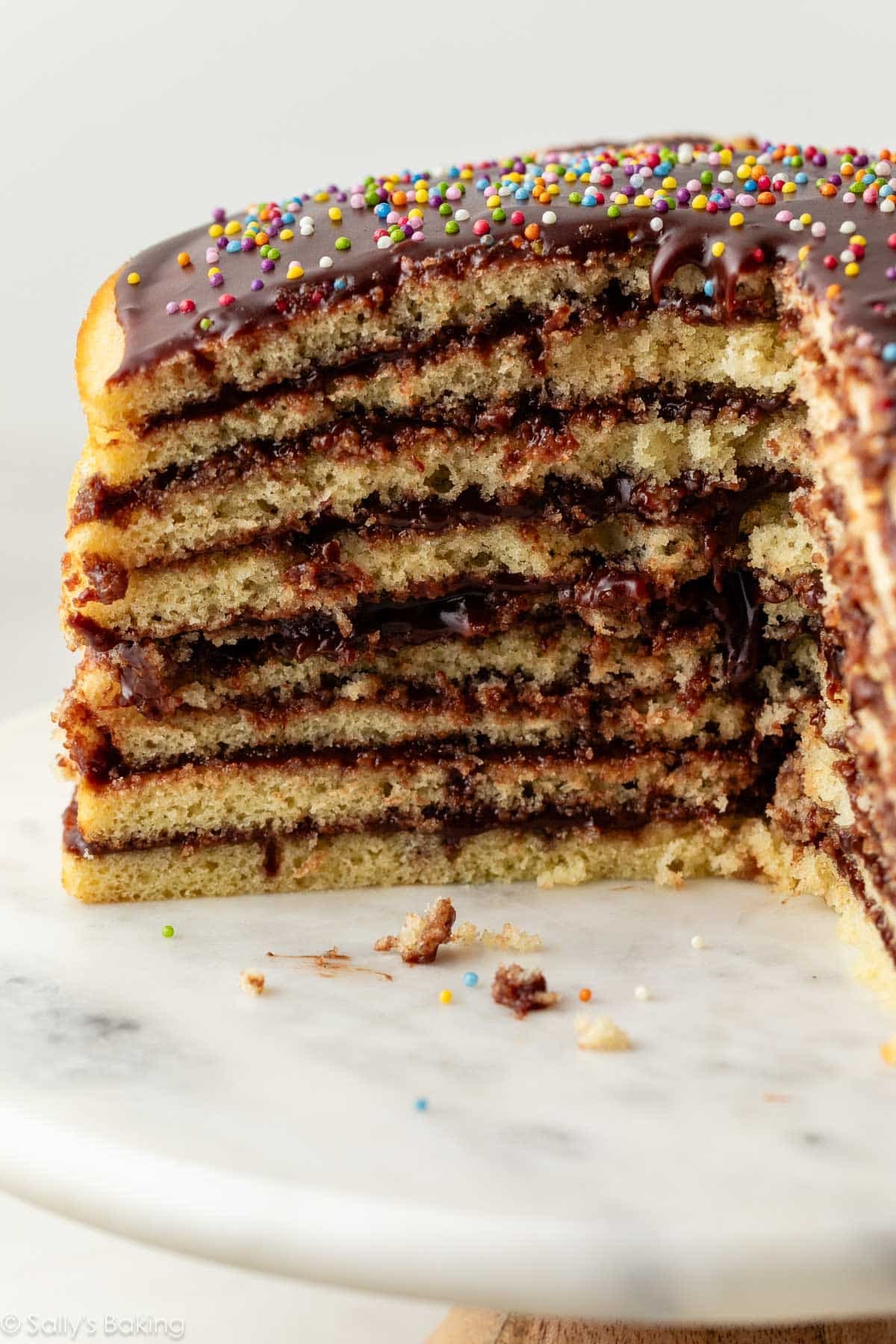
A distinctive aesthetic of the Smith Island Cake is its rustic, often imperfect appearance. As the icing is spread, some will inevitably drip down the sides, creating natural, appealing rivulets. This characteristic "drip" is not a flaw but rather an integral part of its charm, differentiating it from more formally frosted cakes like those with meticulously smooth buttercream. This ease of decoration means that even novice bakers can achieve a visually striking result without the need for advanced piping or smoothing techniques. The true magic, however, is revealed upon slicing. Each cross-section proudly displays the alternating strata of soft, golden yellow cake and dark, glistening fudge icing, ensuring that every single bite delivers both textures and flavors in perfect harmony.

Broader Impact and Implications
The Smith Island Cake’s journey from a remote island’s staple to a state symbol carries significant cultural and economic implications. For Smith Island, the cake’s fame has served as a beacon, drawing attention to its unique culture, history, and the challenges faced by its community. Local bakeries on the island and across Maryland have capitalized on this recognition, offering authentic versions of the cake, often shipping them nationwide. This creates a small but meaningful economic driver, supporting local businesses and ingredient suppliers.
Beyond its economic impact, the cake contributes to the broader narrative of American culinary heritage. It exemplifies how regional dishes, born out of necessity and local ingredients, can evolve into cherished cultural touchstones. Its unique construction—the numerous thin layers and cooked fudge icing—offers a fascinating study in traditional baking techniques and the ingenuity of home cooks. Culinary experts often praise its balance of textures and flavors, highlighting the interplay between the tender cake and the rich, firm fudge.
While its preparation might seem daunting due to the sheer number of layers, the Smith Island Cake has become a testament to the fact that impressive culinary feats can be achieved through methodical, manageable steps. Its appeal extends beyond Maryland, inspiring bakers and dessert enthusiasts to explore multi-layered cakes and the rich history embedded within traditional recipes. The enduring legacy of the Smith Island Cake is a celebration of community, resilience, and the sweet rewards of preserving a distinct regional flavor. It remains a powerful symbol of Maryland’s culinary identity, a true showstopper that consistently delivers an unforgettable taste experience.
