

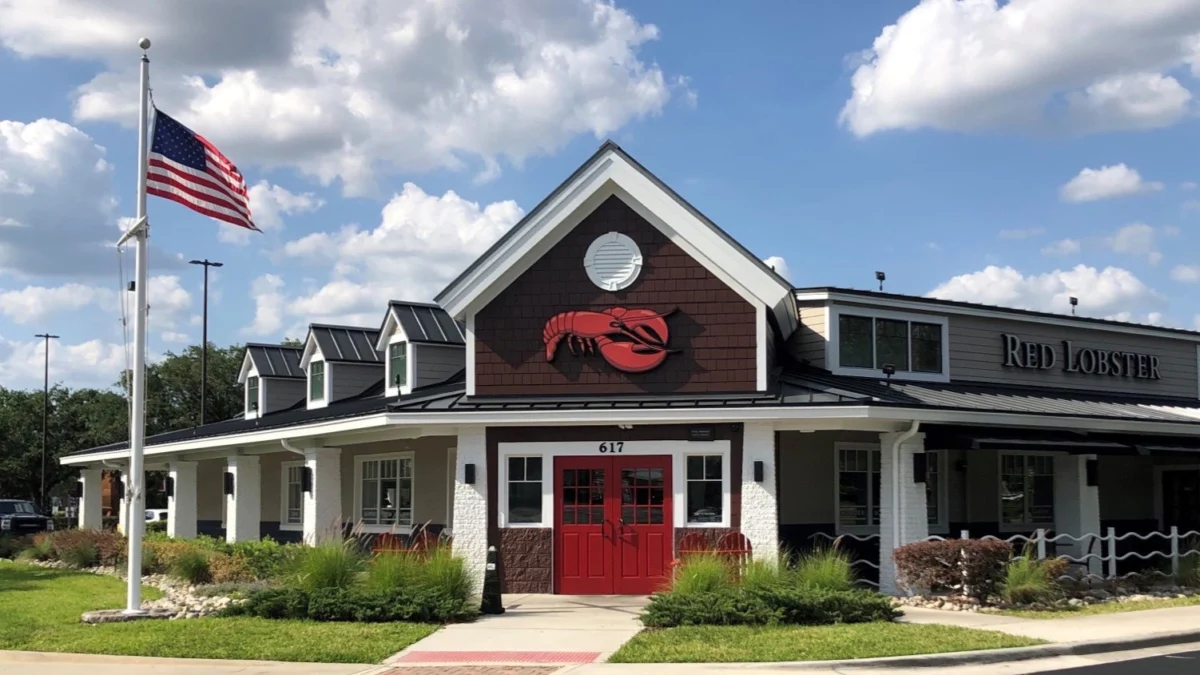
Red Lobster, the iconic American seafood chain, is undergoing a significant contraction of its physical presence, closing dozens of restaurants nationwide as it strategically pares down its operations following its Chapter 11 bankruptcy filing in May 2024. This aggressive pruning of underperforming locations is a cornerstone of the company’s comprehensive restructuring plan, aimed at re-establishing a foundation for sustainable growth. As of the latest reports, the chain has reduced its U.S. footprint by approximately 7%, a move that, while stark, is being framed by leadership as a necessary step toward long-term viability and a revitalized brand.
The Scale of the Closures
The ongoing wave of closures has seen Red Lobster’s number of U.S. locations dwindle to 484, a notable decrease from the 520 establishments it operated at the close of 2023, according to data compiled by Technomic, a leading food industry analytics firm. This 7% reduction represents a significant shedding of physical assets, signaling a deliberate effort to streamline operations and focus on more profitable markets. The impact is not confined to a few isolated incidents; closures have occurred in concentrated waves, affecting both long-standing establishments and historically prominent locations.
Recent high-profile shutdowns include the Columbus, Georgia, restaurant, which ceased operations after an impressive 55-year run, and the Times Square outpost in New York City, which closed its doors in June after 23 years of service. These closures, while symbolic, are part of a broader pattern. In the weeks leading up to and following the bankruptcy filing, Red Lobster has shuttered multiple locations across various states, including three in Alabama, two in Illinois, and one in California, as reported by local media outlets.
The cumulative effect of these closures means Red Lobster’s operational footprint is now approximately 25% smaller than it was at the end of 2023, prior to the initial wave of closures that preceded its bankruptcy petition. The company has continued to implement closures post-filing, a strategy designed to divest itself of unprofitable stores, many of which were burdened by costly and inflexible lease agreements. This retrenchment is a direct response to the financial pressures that led to the bankruptcy, including overexpansion and increased operational costs.
Strategic Rationale Behind the Downsizing
The aggressive closure strategy is not an unforeseen development. Red Lobster CEO Damola Adamolekun had previously signaled the necessity for the company to "get smaller" as part of its turnaround efforts. This sentiment was reiterated by the company in a recent statement, which emphasized that the closure of underperforming restaurants is an integral component of its long-term growth strategy. "This isn’t a step back, it’s how we build forward," the company articulated, framing the closures as a deliberate and forward-looking maneuver rather than a sign of decline.
Red Lobster, headquartered in Orlando, Florida, has historically been the largest seafood chain in the United States by both sales and unit count. However, its peak operational scale was reached in 2019, when it boasted 679 locations, according to Technomic data. In its bankruptcy filings, the company candidly acknowledged a period of overexpansion, a factor that contributed to declining sales and customer traffic in recent years. This overextension, coupled with a challenging economic environment for casual dining, created significant financial headwinds.
A particularly burdensome aspect of Red Lobster’s financial structure stemmed from a 2014 decision by its then-owner, Golden Gate Capital, to sell a substantial portion of the company’s real estate and subsequently lease it back. This strategy, while potentially offering immediate liquidity, resulted in high ongoing rental costs that became increasingly difficult to manage, especially for locations experiencing reduced sales volume. The current restructuring aims to alleviate these financial obligations by shedding leases on underperforming properties.
Efforts to Revitalize the Brand
While shrinking its physical footprint, Red Lobster is simultaneously investing in initiatives to improve the guest experience and reignite customer interest. The company has been actively promoting its popular Endless Shrimp offerings, including a revamped Ultimate Endless Shrimp deal, which, ironically, was cited as a factor contributing to its bankruptcy due to its aggressive pricing. The intention now is to leverage such promotions more effectively as part of a sustainable business model.
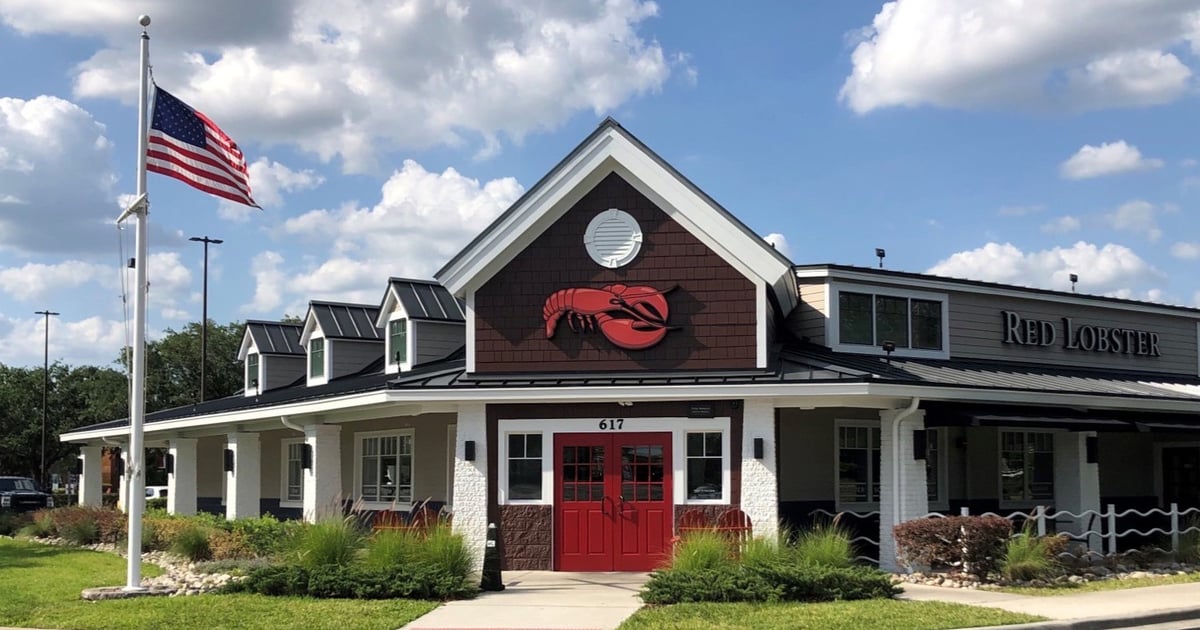
Beyond promotions, Red Lobster is focusing on operational enhancements. The "Red Carpet Hospitality" initiative aims to elevate service standards across all locations. Furthermore, the company has embarked on a program to remodel its restaurants, introducing a fresher, more contemporary aesthetic designed to appeal to modern diners. These renovations are intended to create a more inviting atmosphere and signal a commitment to reinvestment and improvement.
The impact of these revitalization efforts is still being fully assessed. However, Red Lobster indicated earlier this year that its revenue and earnings were tracking ahead of forecasts, suggesting that these strategic adjustments are beginning to yield positive results. The company’s statement regarding its right-sizing strategy underscored this point: "Right-sizing our footprint strengthens the brand and enables things like more restaurant refreshes and a stronger guest experience at the locations built to carry this brand’s future, putting Red Lobster on solid ground for sustainable growth, now and for the long term."
A Glimpse into the Future: Expansion on the Horizon?
While the immediate focus is on optimizing its existing network and shedding underperforming assets, Red Lobster has not ruled out future expansion. Company leadership has indicated that the eventual reopening of new locations is a distinct possibility as the brand continues to stabilize and grow. Kristen Briede, Chief Global Development Officer, stated in a July interview that, "As we continue building momentum, we absolutely expect new restaurants to be part of Red Lobster’s future." This forward-looking perspective suggests that the current contraction is viewed as a temporary, albeit necessary, phase before a renewed period of strategic growth.
The challenges faced by Red Lobster are not unique within the casual dining sector. Many established brands are grappling with evolving consumer preferences, increased competition, and the persistent impact of inflation on operational costs. The company’s proactive approach to right-sizing its operations and investing in brand revitalization reflects a broader industry trend toward greater operational efficiency and a more focused approach to market presence. The success of this strategy will ultimately be measured by its ability to regain profitability, enhance customer loyalty, and position Red Lobster for sustained relevance in the competitive landscape of American dining.
Broader Implications for the Casual Dining Industry
The strategic retrenchment of a brand as large and well-known as Red Lobster offers valuable insights into the current state of the casual dining industry. The company’s acknowledgment of overexpansion and the financial strain of legacy real estate leases highlight the critical importance of agile site selection and flexible lease structures in today’s dynamic market. The success of initiatives like "Red Carpet Hospitality" and restaurant remodels underscores the ongoing need for brands to invest in both service quality and physical environment to attract and retain customers.
Furthermore, Red Lobster’s experience with its Endless Shrimp promotion serves as a cautionary tale about the delicate balance between aggressive value offerings and long-term profitability. While such promotions can drive traffic, they must be carefully managed to avoid undermining financial stability. The company’s ongoing efforts to refine these strategies demonstrate a commitment to learning from past challenges.
The potential for future expansion, even after a significant downsizing, suggests that strategic growth remains a key objective for many established restaurant chains. However, such growth is likely to be more measured and data-driven, focusing on markets with demonstrated demand and favorable operating conditions. The industry is moving towards a model where quality of location and operational efficiency are prioritized over sheer quantity.
The bankruptcy and subsequent restructuring of Red Lobster represent a significant chapter in the history of American casual dining. The chain’s journey through this challenging period will undoubtedly be closely watched by competitors and analysts alike as it seeks to emerge as a leaner, more resilient, and ultimately, more successful enterprise. The coming months and years will reveal the full impact of these drastic measures and whether Red Lobster can indeed build forward from its current challenges to secure a lasting future.
