

The development of this recipe by Chef Melissa Nolan, a specialist in hospitality and culinary arts, reflects a broader movement within the culinary industry to provide professional-grade solutions for the domestic kitchen. By utilizing a 9×13-inch baking dish as the primary vessel, the recipe eliminates the labor-intensive "assembly line" typically associated with traditional taco preparation. This shift from individual assembly to a layered format reduces the total preparation and cooking time to a manageable 45-minute window, making it a viable option for mid-week household scheduling.
Technical Specifications and Economic Analysis
The economic viability of the Taco Casserole is rooted in the strategic selection of shelf-stable and high-volume ingredients. The total cost of the recipe is estimated at $13.
62, yielding eight servings. This efficiency is largely attributed to the inclusion of black beans and fresh vegetables, which act as "extenders" for the primary protein source. According to recent data from the Bureau of Labor Statistics (BLS), the price of ground beef has fluctuated significantly over the past 24 months, prompting consumers to seek methods that minimize meat usage without sacrificing satiety or flavor.
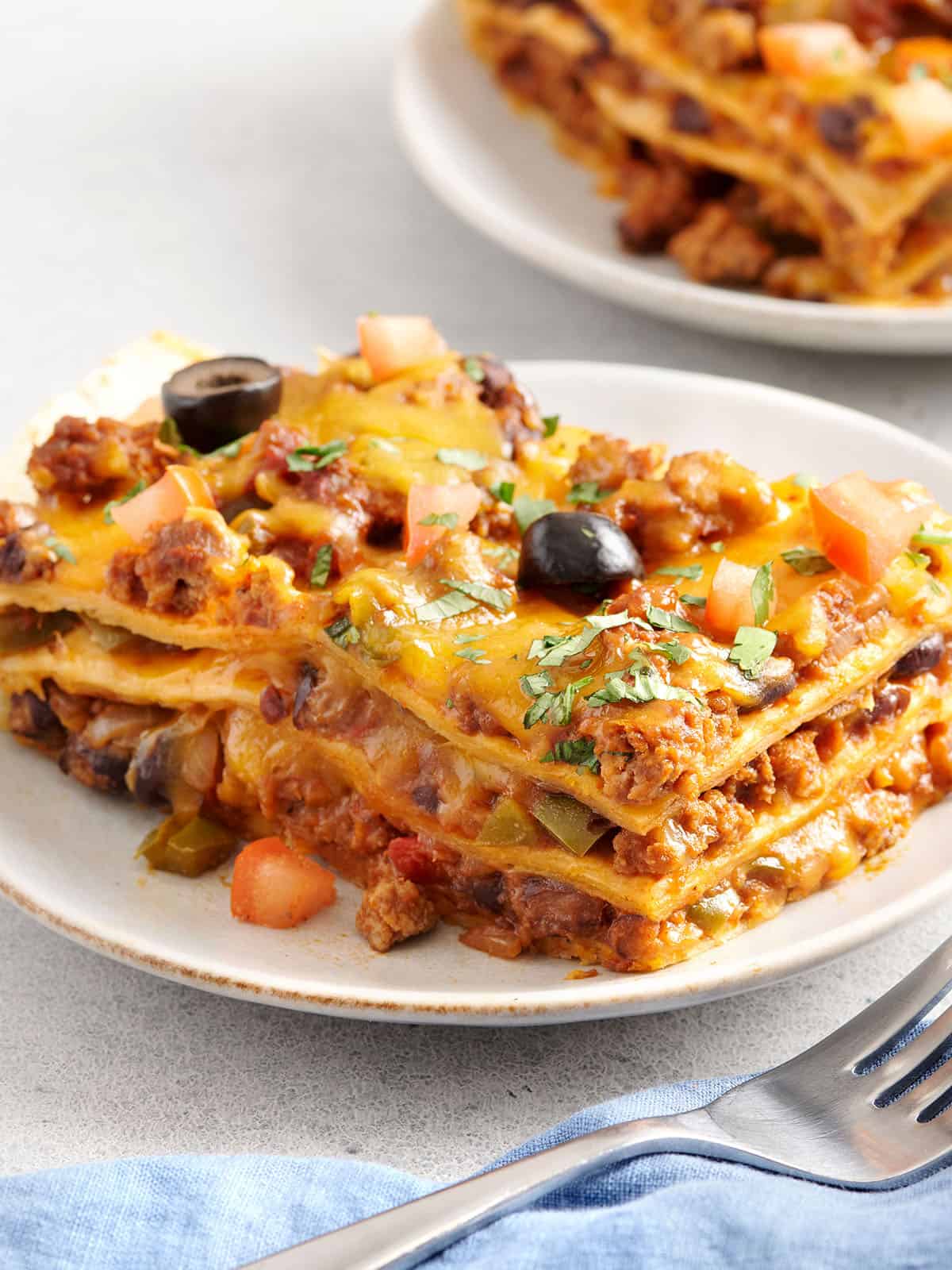
The nutritional profile of the dish is balanced, providing 425 calories per serving. With 24 grams of protein and 7 grams of dietary fiber, the meal meets substantial dietary requirements for an adult dinner. The use of black beans contributes not only to the volume but also to the complex carbohydrate and fiber content, which has been linked to improved digestive health and prolonged glucose release.
Chronological Preparation and Culinary Methodology
The production of the Taco Casserole follows a rigorous technical sequence designed to optimize flavor extraction and structural integrity.
Phase I: Protein and Aromatics
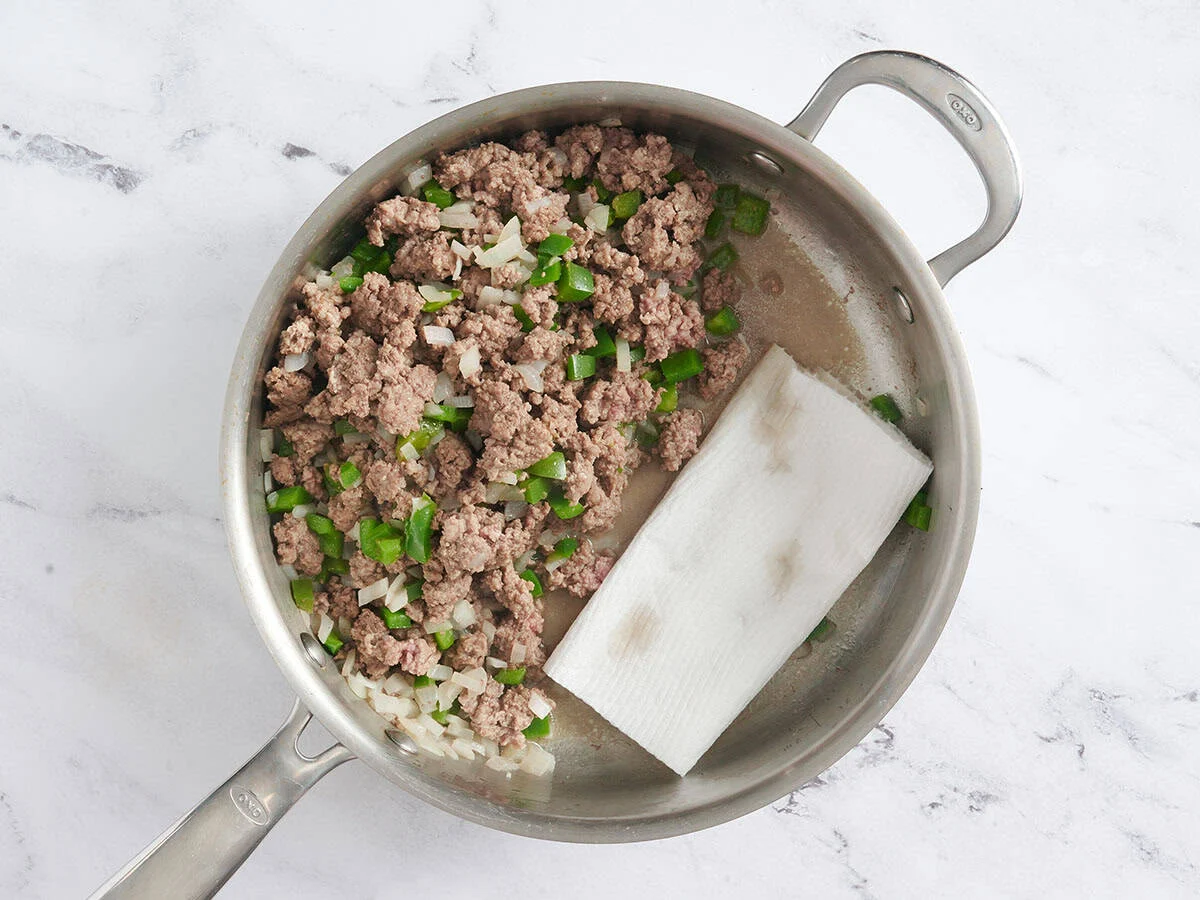
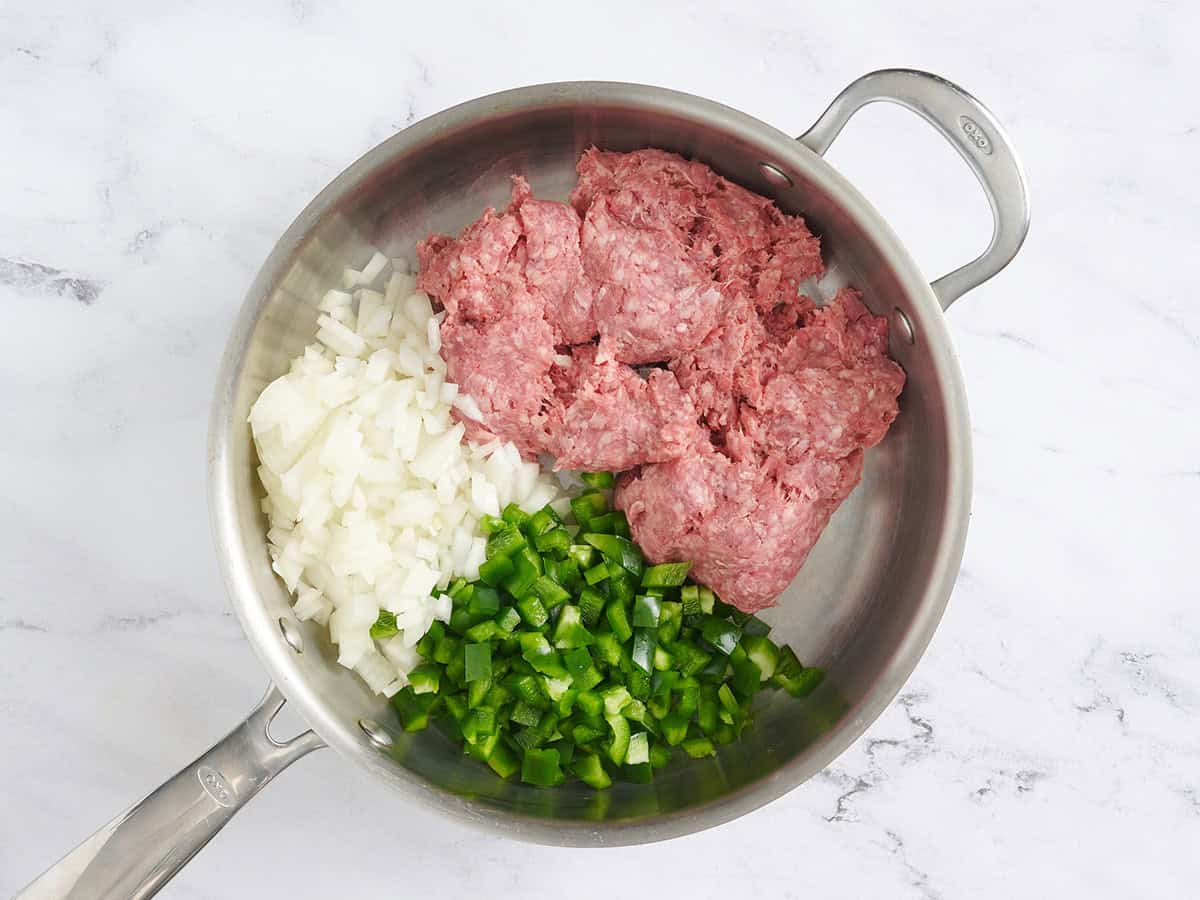
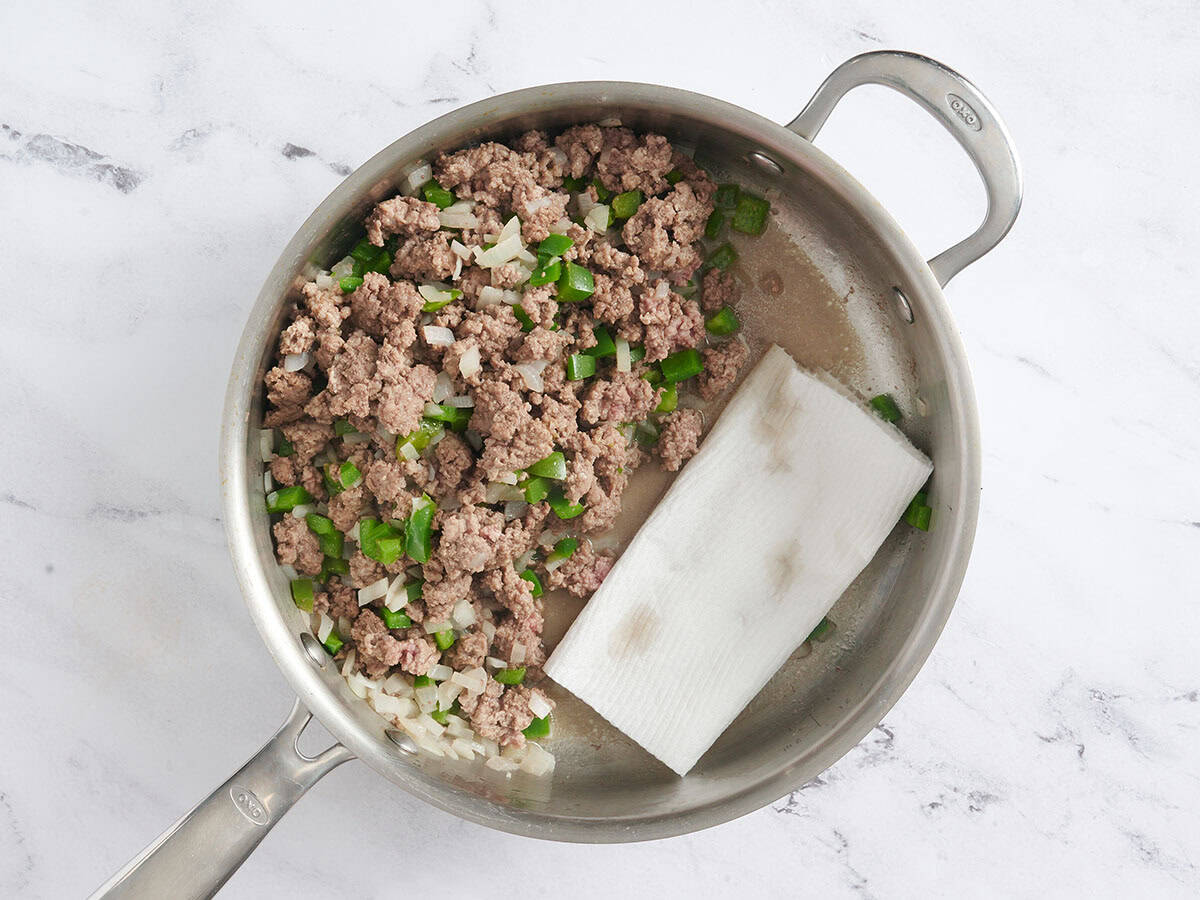
The process begins with the browning of one pound of 80/20 ground beef in a medium skillet over medium heat. This specific fat ratio is selected for its flavor-carrying capacity, though the protocol dictates that excess rendered fat be drained or blotted to prevent the final casserole from becoming greasy. During this phase, half a diced onion and one diced green bell pepper are introduced. These aromatics provide a foundational flavor profile and essential micronutrients. The beef is cooked until it reaches an internal temperature of 160°F, ensuring food safety standards are met.
Phase II: The Maillard Reaction and Spicing
A critical step in the flavor development is the "toasting" of the spices. Rather than utilizing pre-packaged seasoning envelopes, which often contain anti-caking agents and high sodium levels, the Nashville Test Kitchen utilizes a bespoke blend:
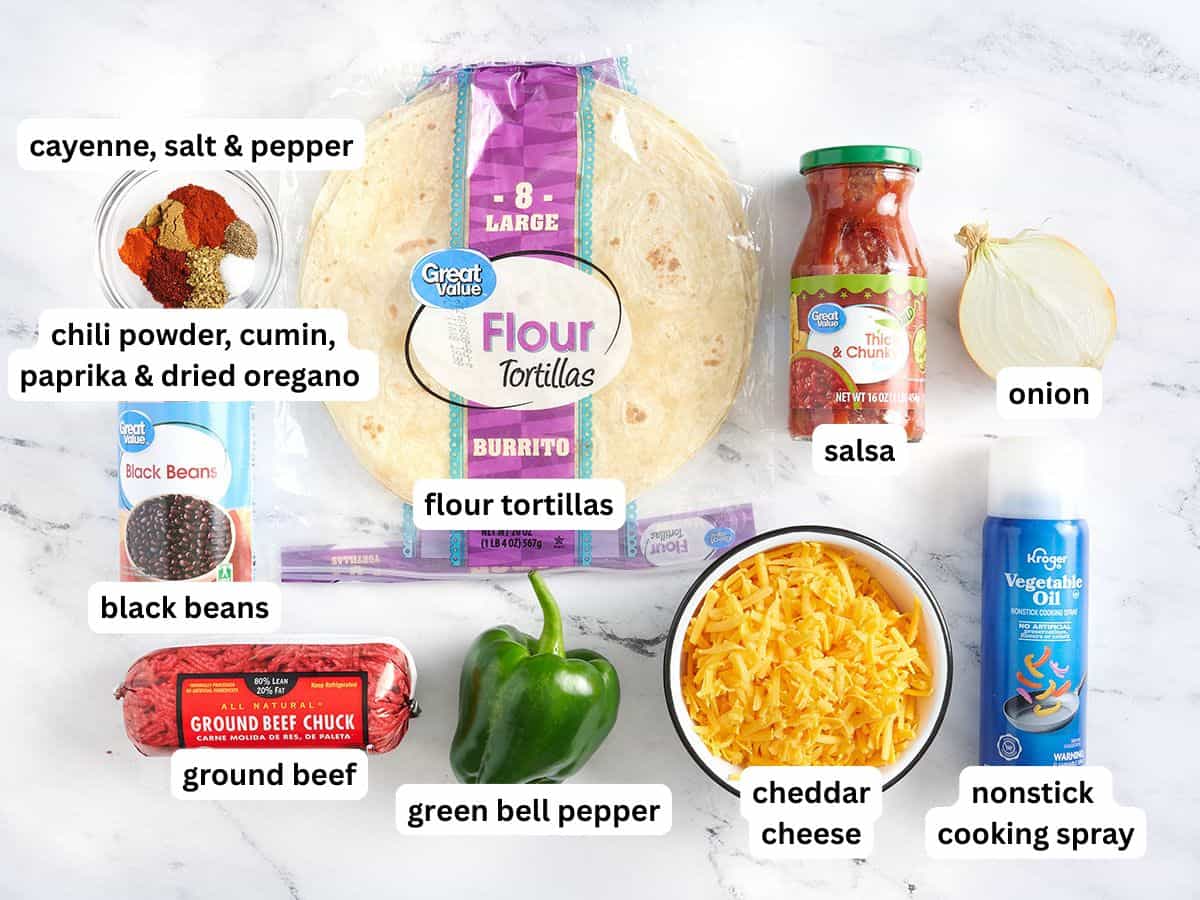
- 1 tablespoon chili powder
- 1 teaspoon ground cumin
- 1 teaspoon paprika
- 1/2 teaspoon dried oregano
- 1/4 teaspoon cayenne pepper
- 1/4 teaspoon salt and cracked black pepper
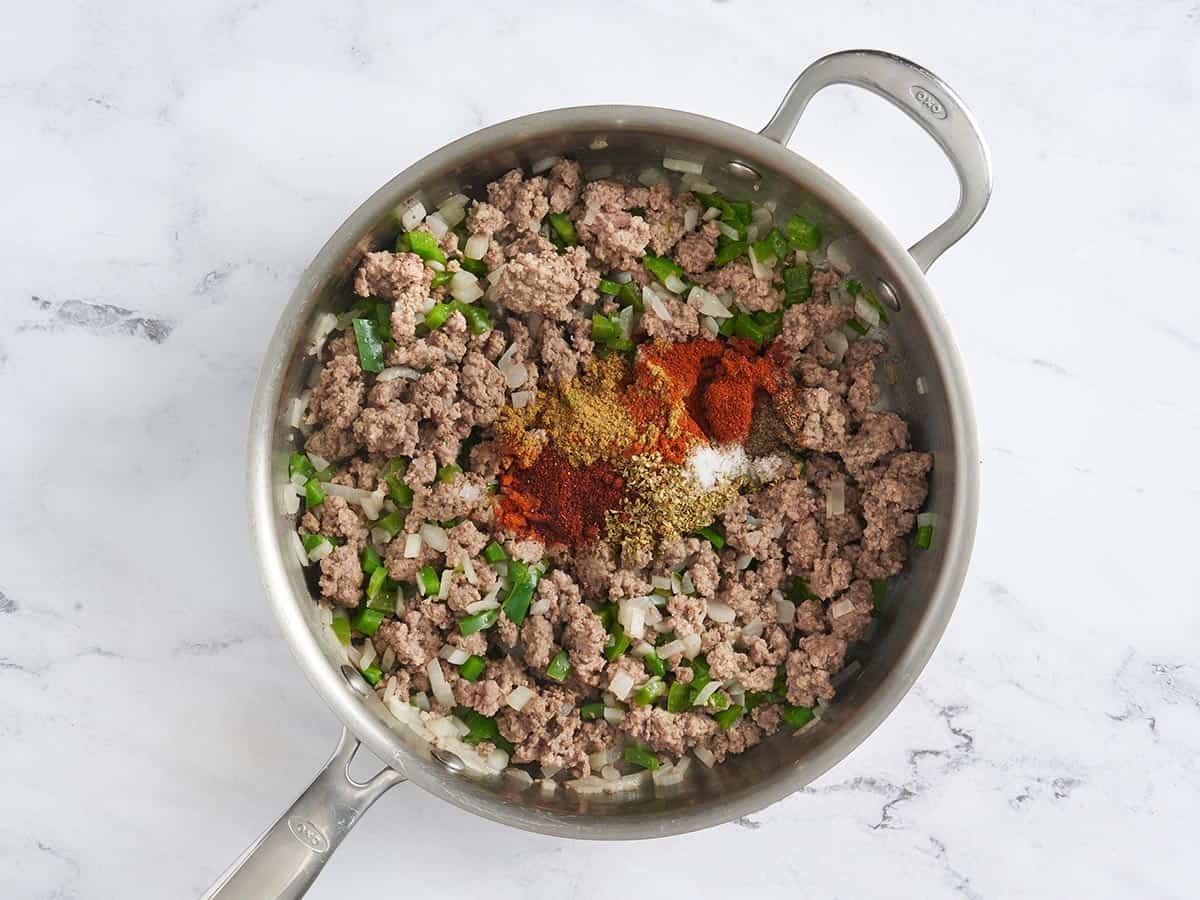
The spices are stirred into the meat and vegetable mixture for 60 seconds. This brief exposure to dry heat allows the essential oils within the spices to bloom, significantly enhancing the aromatic complexity of the dish—a technique frequently employed in professional Tex-Mex kitchens.
Phase III: Filling Consolidation
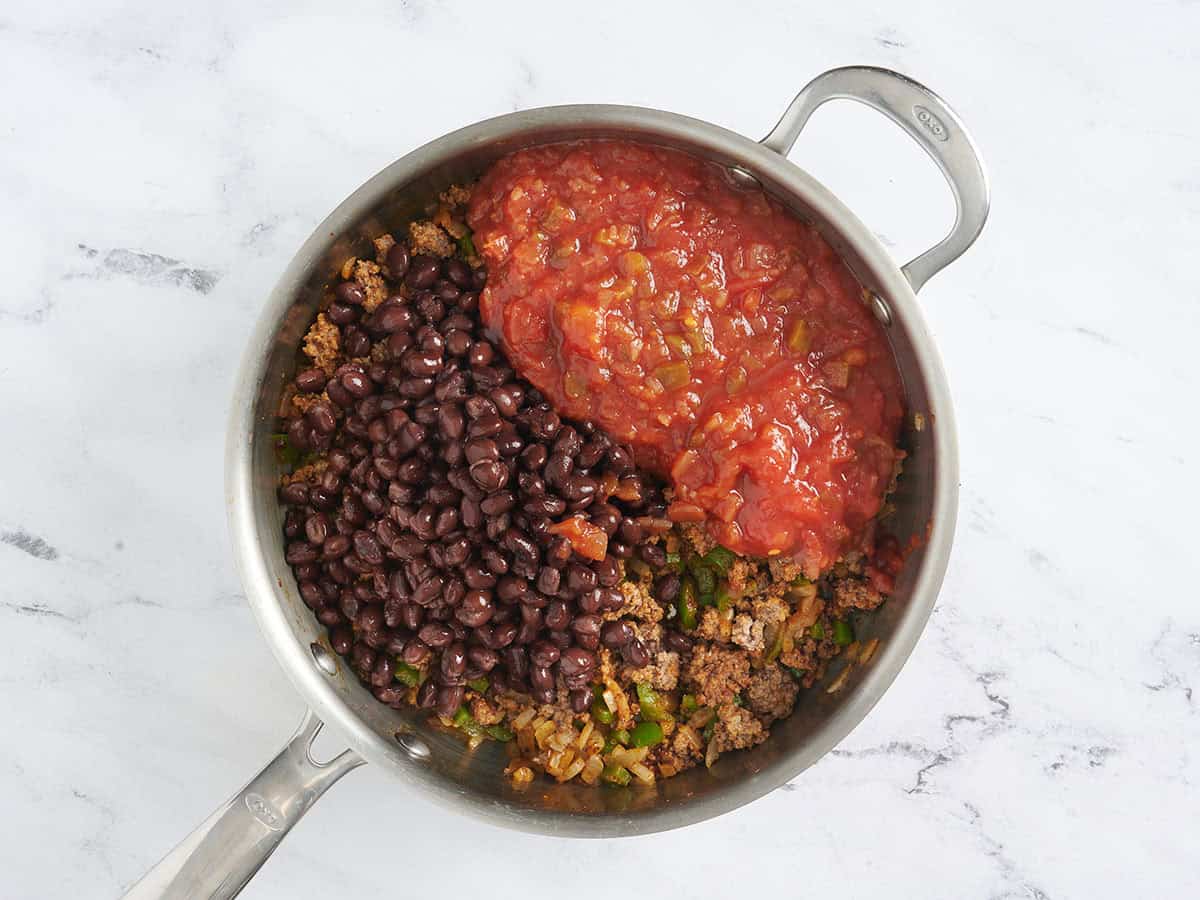
To achieve the desired "saucy" consistency, a 16-ounce jar of thick and chunky salsa and a 15-ounce can of drained black beans are integrated. The mixture is simmered for approximately four minutes. The objective of this phase is reduction; the liquid must be evaporated until the filling is cohesive and does not exhibit "pooling" when moved with a spatula. This ensures that the flour tortillas maintain their structural integrity during the baking process and do not become overly saturated or "soggy."
Phase IV: Structural Layering and Thermal Processing
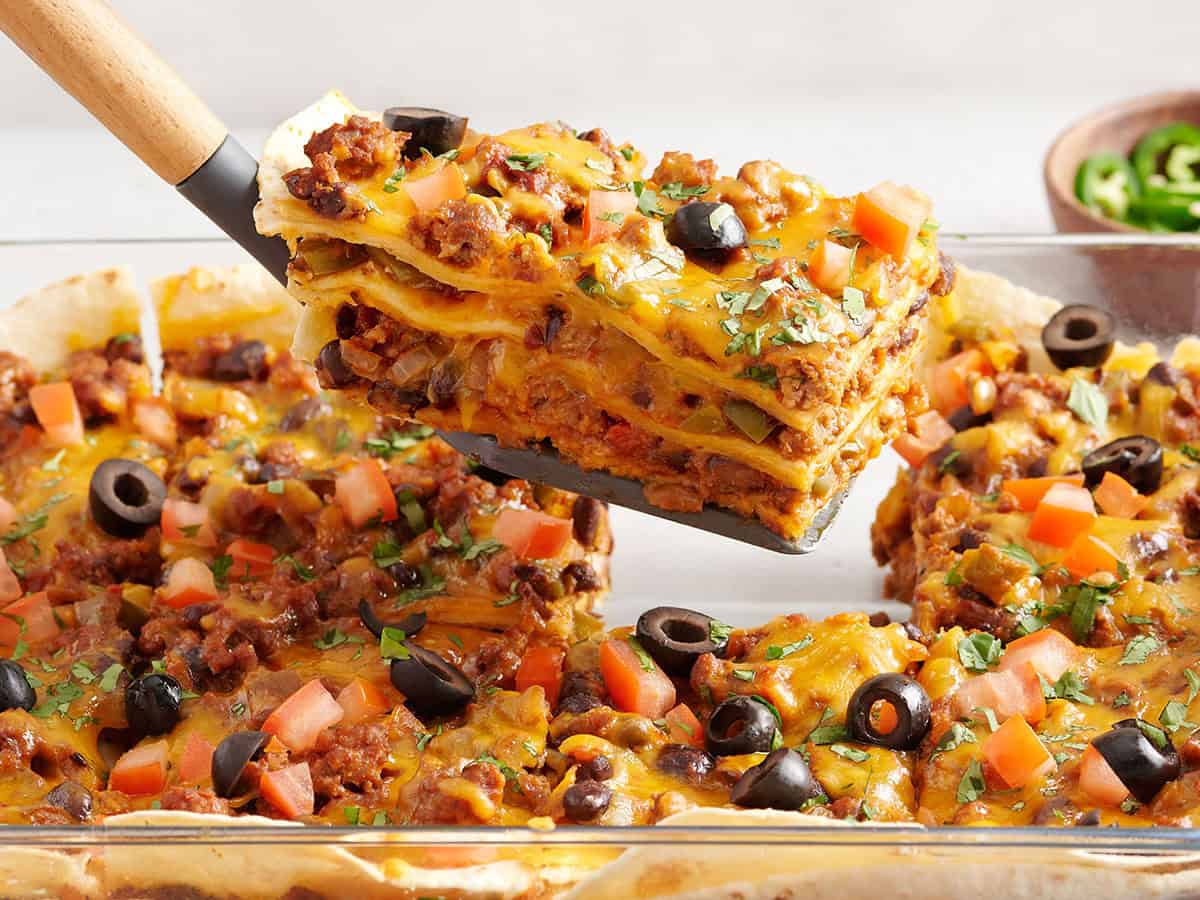
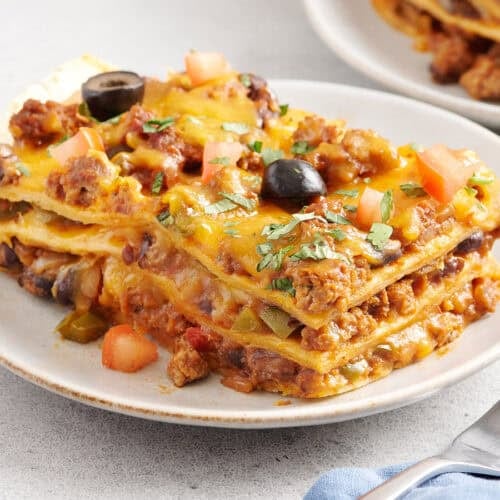
The assembly follows a tertiary stacking protocol. Two burrito-sized flour tortillas are placed at the base of a prepared baking dish, followed by one-third of the beef filling and a layer of shredded cheddar cheese. This process is repeated twice more. The final thermal processing occurs in a preheated 350°F oven for 20 minutes. This duration is sufficient to melt the cheese and achieve a "bubbling" state at the edges, while the exposed portions of the tortillas undergo a slight crisping, providing a textural contrast to the soft interior layers.
Material Substitutions and Dietary Adaptations
The Nashville Test Kitchen has verified several modifications to accommodate varying inventory levels and dietary preferences. While 80/20 beef is the standard, lean ground beef, ground turkey, or ground chicken are viable alternatives. In the case of poultry, the addition of a small amount of oil may be necessary during the browning phase due to the lower fat content of the meat.
Cheese selection is also modular. While cheddar is the primary recommendation for its melting point and sharp profile, Monterey Jack, Pepper Jack, or Colby Jack are noted as suitable substitutes. For households seeking higher spice levels, the inclusion of Pepper Jack or an increase in the cayenne pepper measurement is recommended.
Logistical Management: Storage and Reheating
From a meal-prep perspective, the Taco Casserole offers several logistical advantages, though it requires specific handling to maintain quality.
- Refrigeration: The dish remains viable for 3 to 4 days when stored in an airtight container. Analysts note that while the tortillas will naturally absorb more moisture over time, the flavor profile remains stable.
- Freezing: For long-term storage, the casserole can be frozen for up to three months. The recommendation for optimal quality is to freeze individual slices, which allows for more even thawing and reheating.
- Reheating Protocols: To preserve texture, reheating should be conducted in an oven at 350°F, covered with foil to prevent the cheese from over-browning. For rapid consumption, the microwave is acceptable, provided short intervals are used to prevent the edges of the tortillas from hardening.
Broader Culinary Impact and Implications
The introduction of the Taco Casserole into the domestic repertoire highlights a significant shift in American eating habits. As the "taco night" tradition evolves, the transition to casserole formats reflects a need for efficiency in the modern household. The dish functions as a "complete meal," requiring little in the way of additional side dishes, although the Nashville Test Kitchen suggests pairing it with Spanish rice or a cumin-lime coleslaw to further extend the servings for larger groups.
Furthermore, the emphasis on homemade seasoning over store-bought packets addresses a growing consumer interest in clean-label cooking. By controlling the sodium and spice ratios, home cooks can tailor the meal to specific health requirements or age-appropriate palates (such as reducing cayenne for children).
In a broader sociological context, the "mini fiesta" mentioned by the developers points to the psychological importance of communal dining. Even as budgets tighten, the ability to present a visually appealing, multi-layered, and flavorful meal serves as a vital component of household morale. The Taco Casserole, therefore, is not merely a recipe but a tool for economic resilience and social cohesion in the contemporary kitchen.
The success of this dish in the Nashville Test Kitchen suggests that the future of home cooking lies in the intersection of professional technique and budgetary pragmatism. As the culinary landscape continues to adapt to external economic pressures, the reliance on versatile, high-yield recipes like the Taco Casserole is expected to grow, cementing its place as a staple of the modern American diet. By combining the bold flavors of Tex-Mex cuisine with the practical benefits of the classic American casserole, this dish represents a successful synthesis of cultural tradition and modern necessity.
