

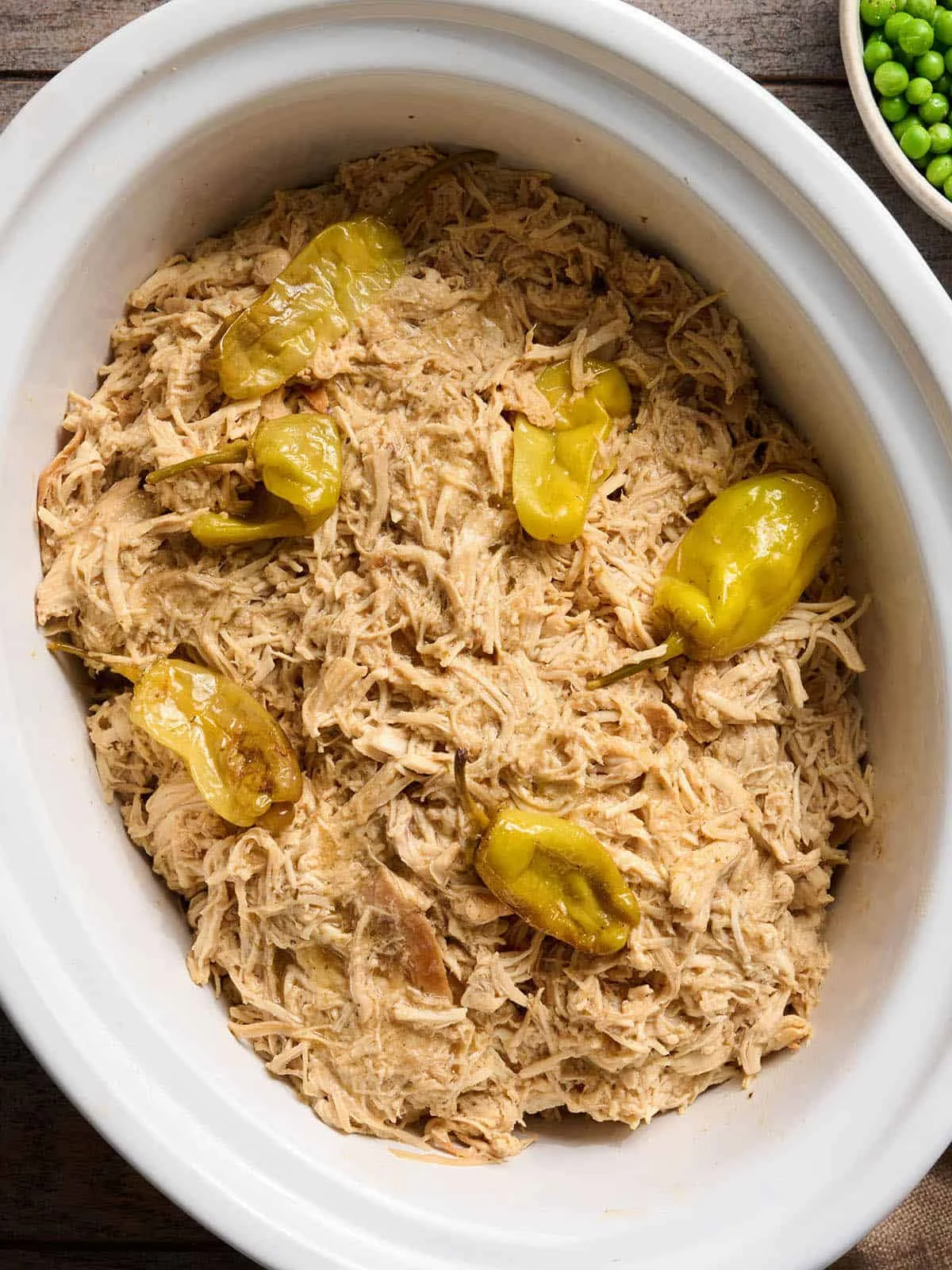
The culinary landscape of the American South has long been defined by its ability to transform accessible ingredients into robust, flavor-dense meals, and the recent adaptation of the classic Mississippi Pot Roast into a chicken-based alternative represents a significant milestone in this tradition. Developed and refined within the Nashville Test Kitchen, the Mississippi Chicken recipe offers a strategic response to rising grocery costs, providing a high-protein, low-effort meal that costs approximately $1.74 per serving. This five-ingredient preparation utilizes the slow-cooking method to produce tender, shredded poultry infused with a savory, buttery, and tangy profile, catering to the modern demand for "set it and forget it" domestic solutions.
The Evolution of the Mississippi Flavor Profile
The origins of this specific flavor profile can be traced back to the original Mississippi Pot Roast, a recipe credited to Robin Chapman of Ripley, Mississippi, in the late 1990s. Chapman’s original intent was to create a milder version of a family roast, but the combination of ranch seasoning, gravy mix, butter, and pepperoncini peppers eventually became a viral sensation, often cited as "the roast that broke the internet."
The transition from beef to chicken is a logical evolution driven by both health consciousness and economic necessity. While the traditional beef chuck roast has seen significant price volatility in recent years, poultry remains a more stable and affordable protein source for the average household. The Nashville Test Kitchen’s adaptation preserves the core identity of the dish—the interplay between the creamy ranch, the umami-rich au jus, and the acidic brightness of the peppers—while optimizing the cooking process for the faster-breaking fibers of chicken breast and thigh meat.
Technical Preparation and Methodological Rigor
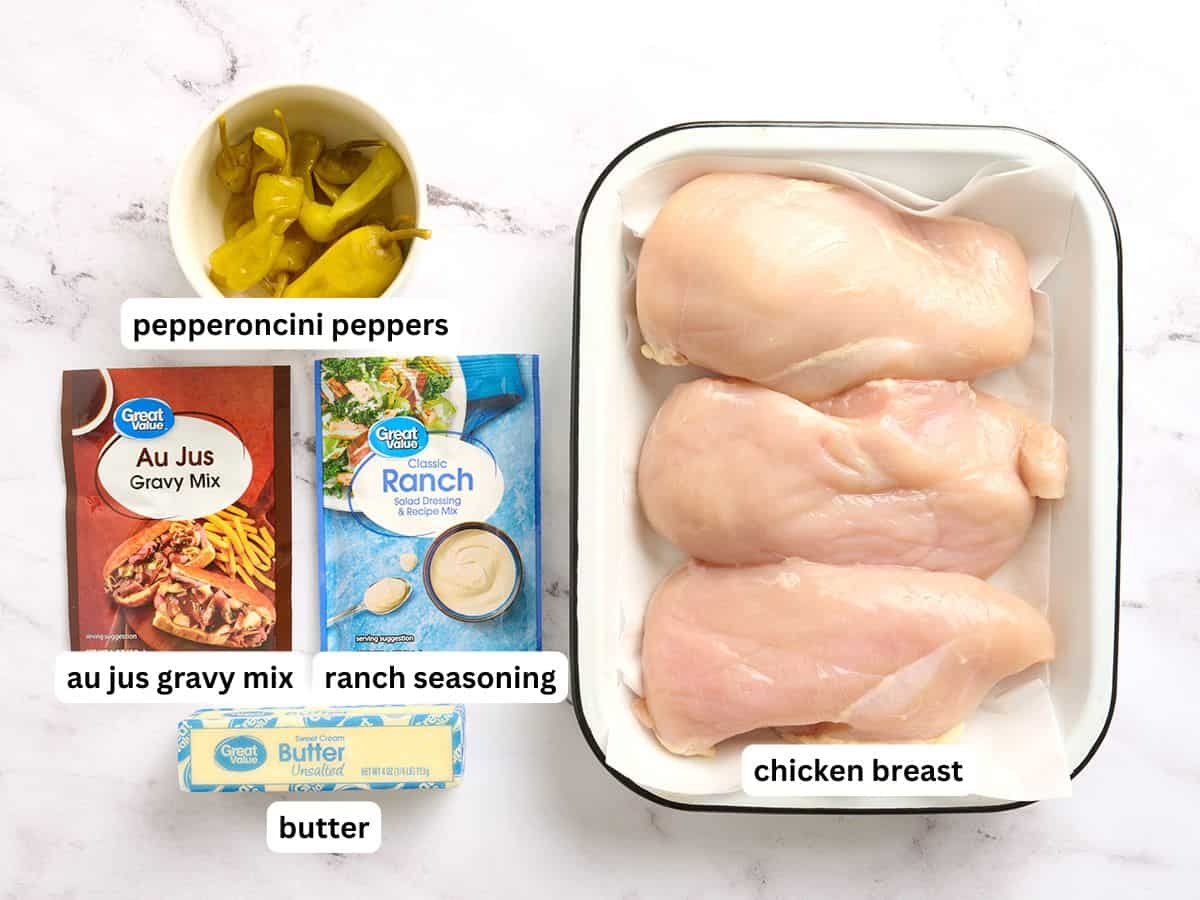
The preparation of Mississippi Chicken is characterized by its lack of mechanical intervention, requiring no chopping, searing, or pre-browning. According to the standardized protocol established by recipe developers, the process begins with the placement of three pounds of boneless, skinless chicken breasts into a six-quart slow cooker. The arrangement is critical; the poultry must be placed in a single layer with minimal overlap to ensure uniform heat distribution and consistent internal temperatures.
The seasoning phase involves the even distribution of one ounce of au jus gravy mix and one ounce of ranch seasoning. A key technical recommendation from the development team is the use of unsalted butter. Given that commercial seasoning packets contain significant sodium levels—often exceeding 50% of the recommended daily intake per recipe—the introduction of a full stick (eight tablespoons) of unsalted butter provides the necessary fat and mouthfeel without pushing the dish into over-salinity.
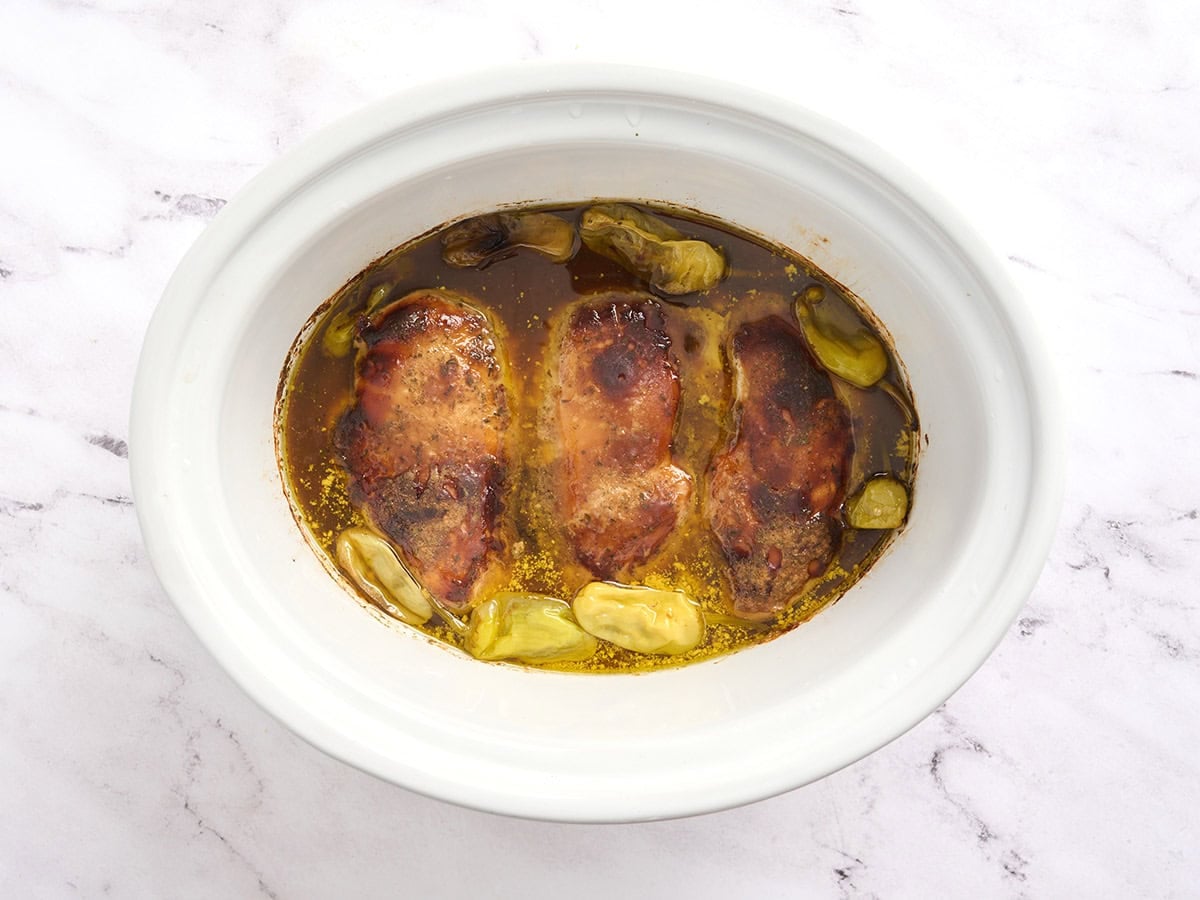
The final component, the addition of approximately eight pepperoncini peppers, introduces acetic acid, which serves to tenderize the protein further and balance the richness of the butter. The slow cooker is then set to "LOW" for a duration of six hours. Unlike many slow-cooker recipes, no additional liquid (such as water or chicken stock) is required. The chicken releases its own natural juices during the braising process, which emulsify with the melting butter and powdered seasonings to create a concentrated, velvet-textured sauce.
Chronology of the Cooking and Shredding Process
The transformation of the ingredients occurs over a distinct timeline:
- Hours 1-2: The butter melts and begins to hydrate the dry seasoning packets. The internal temperature of the chicken rises slowly, initiating the denaturation of proteins.
- Hours 3-4: The chicken begins to release moisture. If cooking on the "HIGH" setting, this is the window where the poultry reaches the USDA-recommended safe internal temperature of 165°F.
- Hours 5-6: On the "LOW" setting, the connective tissues in the chicken soften completely. The pepperoncini peppers lose their structural rigidity, infusing the surrounding liquid with a mild capsaicin heat and vinegar notes.
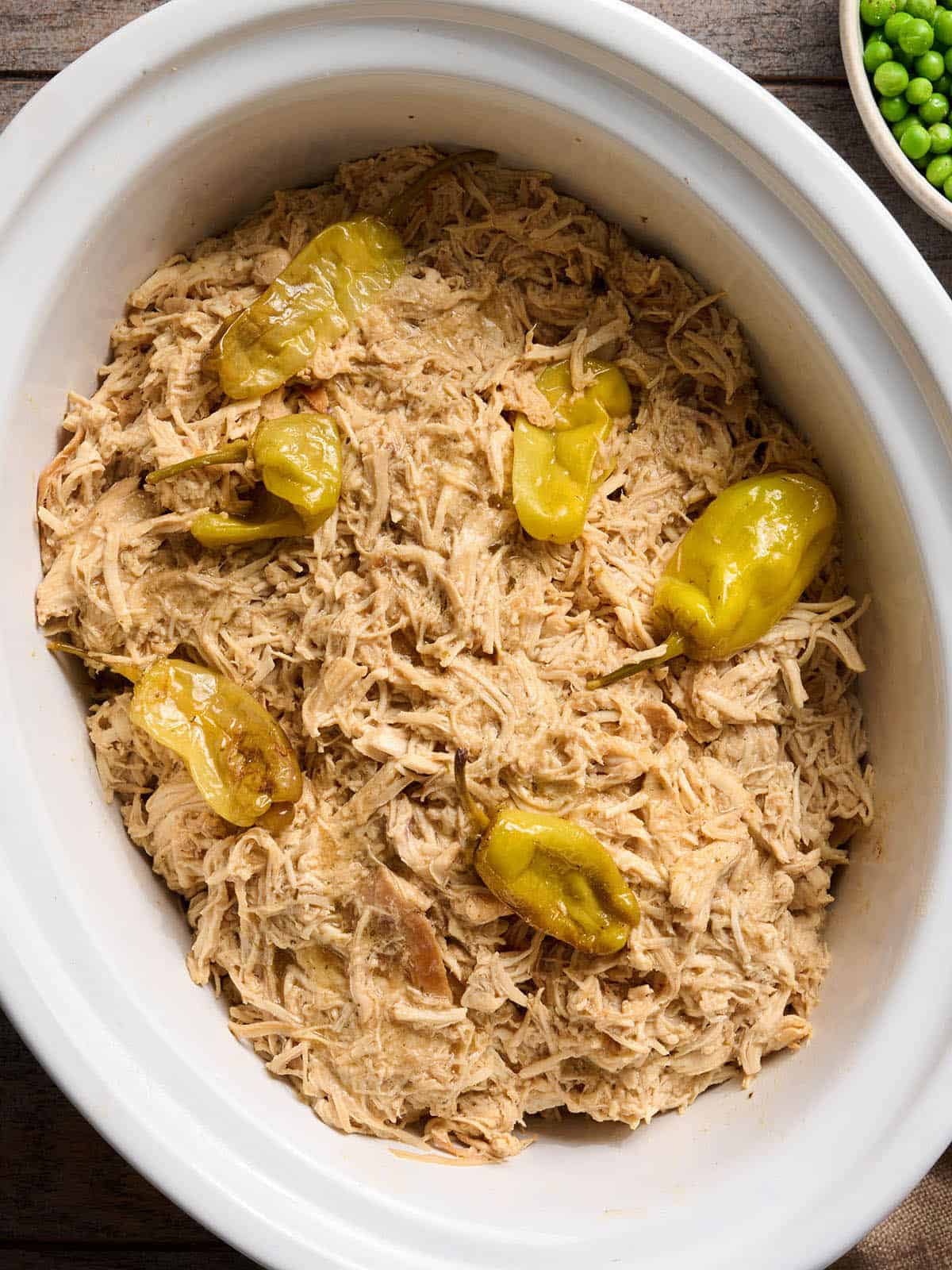
- Post-Cooking: Once the six-hour mark is reached, the chicken is shredded directly in the vessel using two forks. The ease of shredding serves as a qualitative indicator of a successful cook. The shredded meat is then tossed in the residual liquid to ensure maximum moisture retention.
Economic Analysis and Cost-Saving Strategies
A primary driver for the popularity of the Mississippi Chicken recipe is its fiscal efficiency. At a total cost of $10.44 for six generous servings, the dish aligns with the "Budget Bytes" philosophy of providing nutritional value without financial strain.
Data from the Nashville Test Kitchen suggests several avenues for further cost reduction:

- Protein Substitution: While chicken breasts are the standard, boneless, skinless chicken thighs are frequently available at a lower price point per pound. Thighs offer a higher fat content, which can result in a juicier final product, though they require more diligent trimming of visible fat prior to cooking.
- Brand Selection: Comparative shopping indicates that store-brand ranch and au jus packets perform identically to name-brand counterparts in slow-cooker environments. Utilizing these can reduce the recipe’s total cost by an additional 10-15%.
- Bulk Preparation: The recipe’s reliance on shelf-stable seasoning packets and frozen-then-thawed poultry makes it an ideal candidate for bulk purchasing, further driving down the price per serving.
Nutritional Profile and Dietary Implications
The nutritional data for a single serving (approximately one cup) of Mississippi Chicken reveals a high-protein profile suitable for various dietary frameworks, including low-carbohydrate and ketogenic diets, provided the serving method is adjusted.
- Calories: 420 kcal
- Protein: 49g
- Fat: 21g
- Carbohydrates: 5g
- Sodium: 1281mg
The high sodium content is the most notable dietary factor, representing roughly 56% of the daily value. Analysts suggest that individuals monitoring salt intake should seek out "lower sodium" versions of the ranch and gravy packets or utilize homemade, salt-free seasoning blends. The inclusion of 49 grams of protein per serving makes this an exceptionally satiating meal, which can assist in appetite regulation and muscle maintenance.

Versatility in Post-Production and Meal Prep
One of the logistical advantages of Mississippi Chicken is its "secondary utility"—the ability of the leftovers to be repurposed into diverse meal formats. This versatility is a cornerstone of modern meal-prepping strategies.
Institutional testing identifies several high-performing serving suggestions:

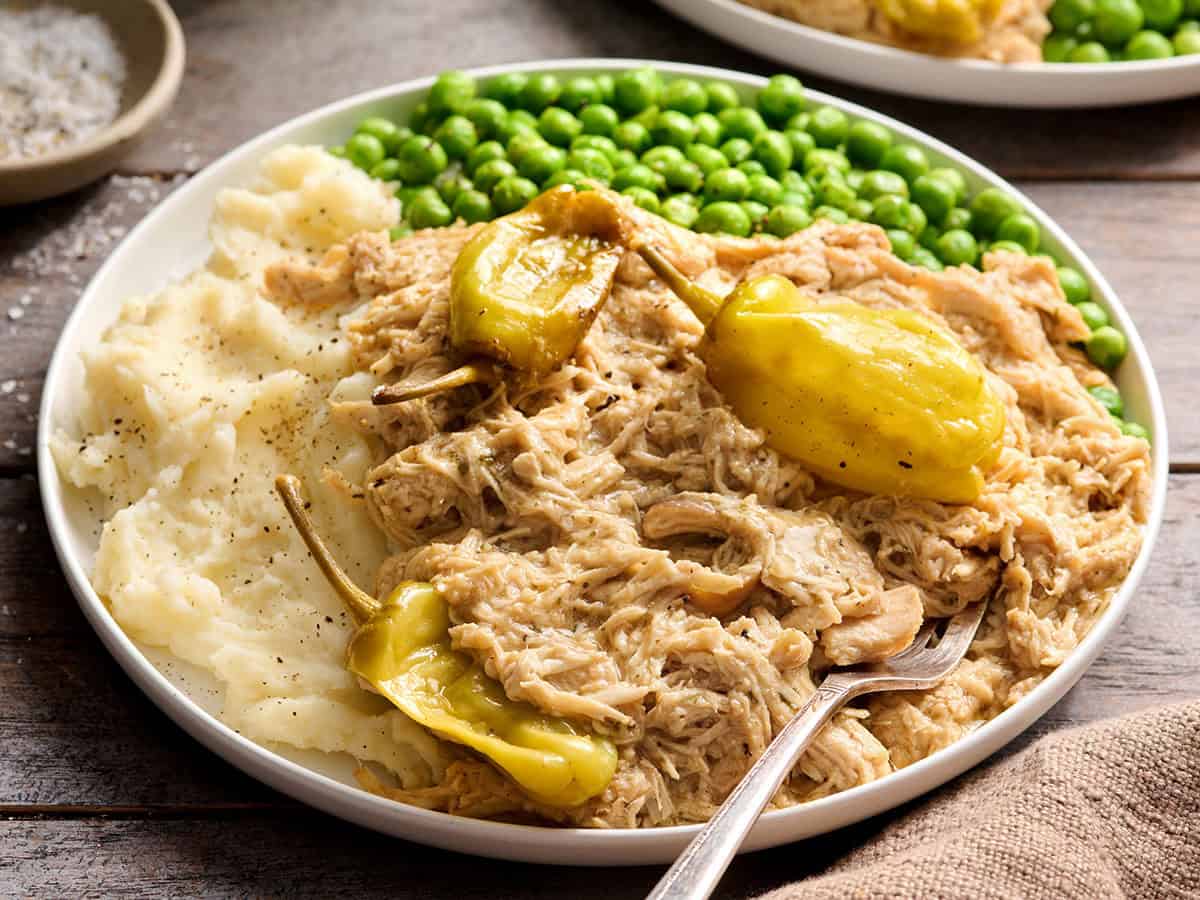
- Traditional Starch Pairing: Serving the chicken over mashed potatoes or seasoned rice allows the starch to absorb the butter-based sauce, maximizing flavor delivery.
- Handheld Applications: The shredded texture is optimized for sliders (particularly on sweet Hawaiian rolls) or as a filling for wraps and sandwiches.
- Modern Fusion: The chicken has been successfully utilized as a protein topper for nachos, where the tanginess of the pepperoncini complements melted cheeses and black beans.
For long-term storage, the recipe developer, Melissa Nolan, emphasizes the importance of cooling the dish completely before refrigeration. The chicken can be stored in airtight containers for three to four days or frozen for up to three months. To maintain the integrity of the protein during reheating, it is recommended to include a portion of the cooking liquid in the storage container to prevent desiccation.
Broader Implications for Home Economics
The rise of recipes like Mississippi Chicken reflects a broader shift in American domestic habits. As inflation impacts the cost of dining out, more consumers are turning to home-cooked meals that do not require professional culinary skills. The "set it and forget it" nature of the slow cooker addresses the "time poverty" experienced by dual-income households, allowing for the preparation of a "slow food" style meal within the constraints of a standard workday.
Furthermore, the Nashville Test Kitchen’s commitment to rigorous testing ensures that these recipes are replicable across various equipment brands and altitudes. By providing a reliable, low-cost, high-flavor template, the Mississippi Chicken recipe empowers home cooks to maintain nutritional standards and culinary variety despite economic pressures.
Conclusion
Mississippi Chicken stands as a testament to the resilience and adaptability of regional American cooking. By distilling the complex flavors of a traditional roast into a streamlined, five-ingredient process, the recipe meets the intersection of convenience, affordability, and palatability. As households continue to navigate a complex economic environment, the reliance on such standardized, cost-effective culinary solutions is expected to grow, cementing the slow cooker’s role as an essential tool in the modern kitchen.
