

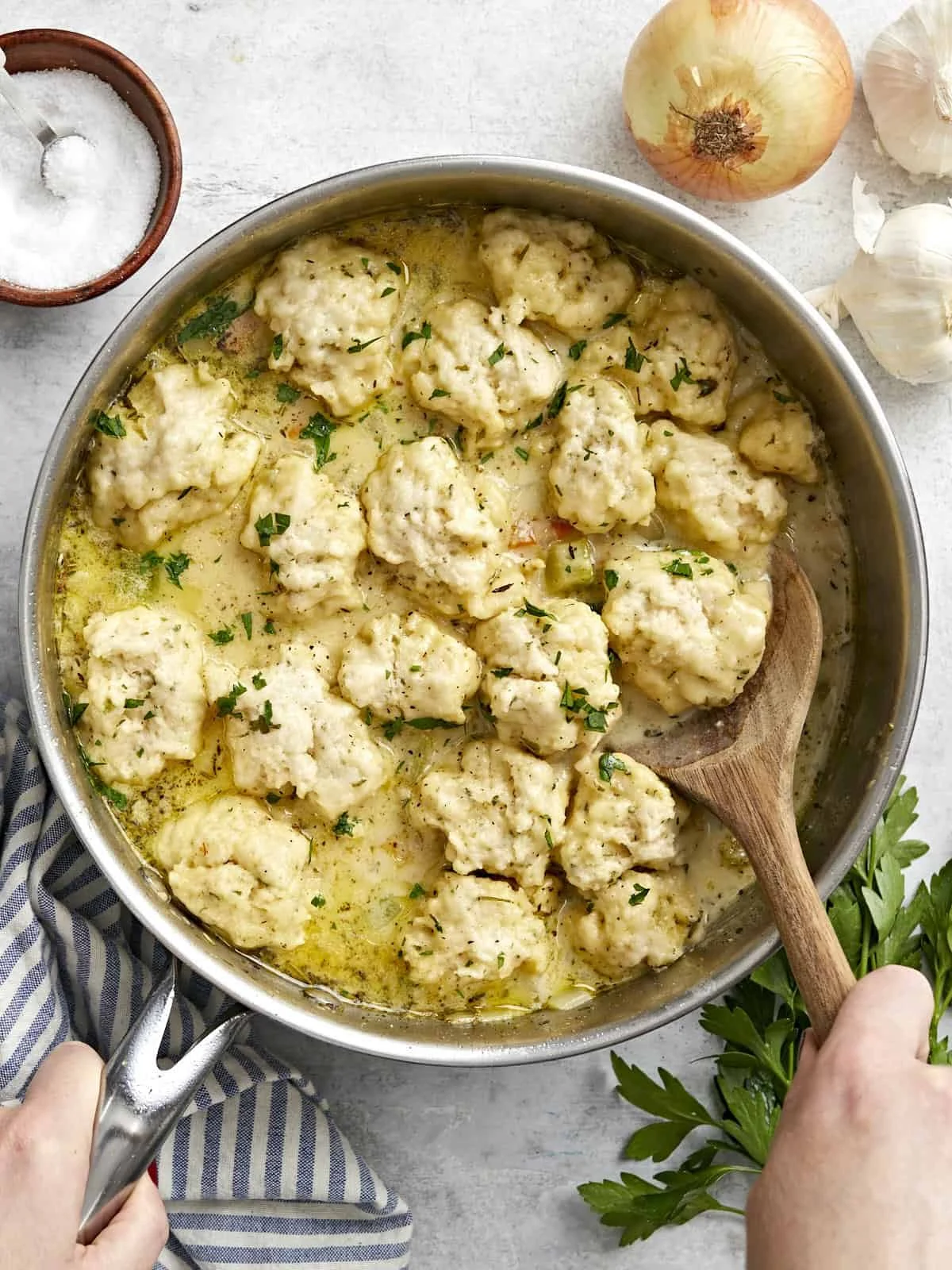
The intersection of economic necessity and culinary tradition has led to a resurgence in scratch-made comfort food, with recent data from the Nashville Test Kitchen highlighting a highly efficient model for Chicken and Dumplings that costs approximately $1.18 per serving. As domestic food inflation continues to impact household budgets across the United States, culinary analysts and home economists are increasingly looking toward one-pot, nutrient-dense recipes that utilize cost-effective proteins and pantry staples. This specific iteration of the classic dish focuses on a "drop dumpling" methodology, prioritizing accessibility for amateur cooks while maintaining a rigorous standard for flavor and texture.
Economic Analysis of Modern Comfort Food
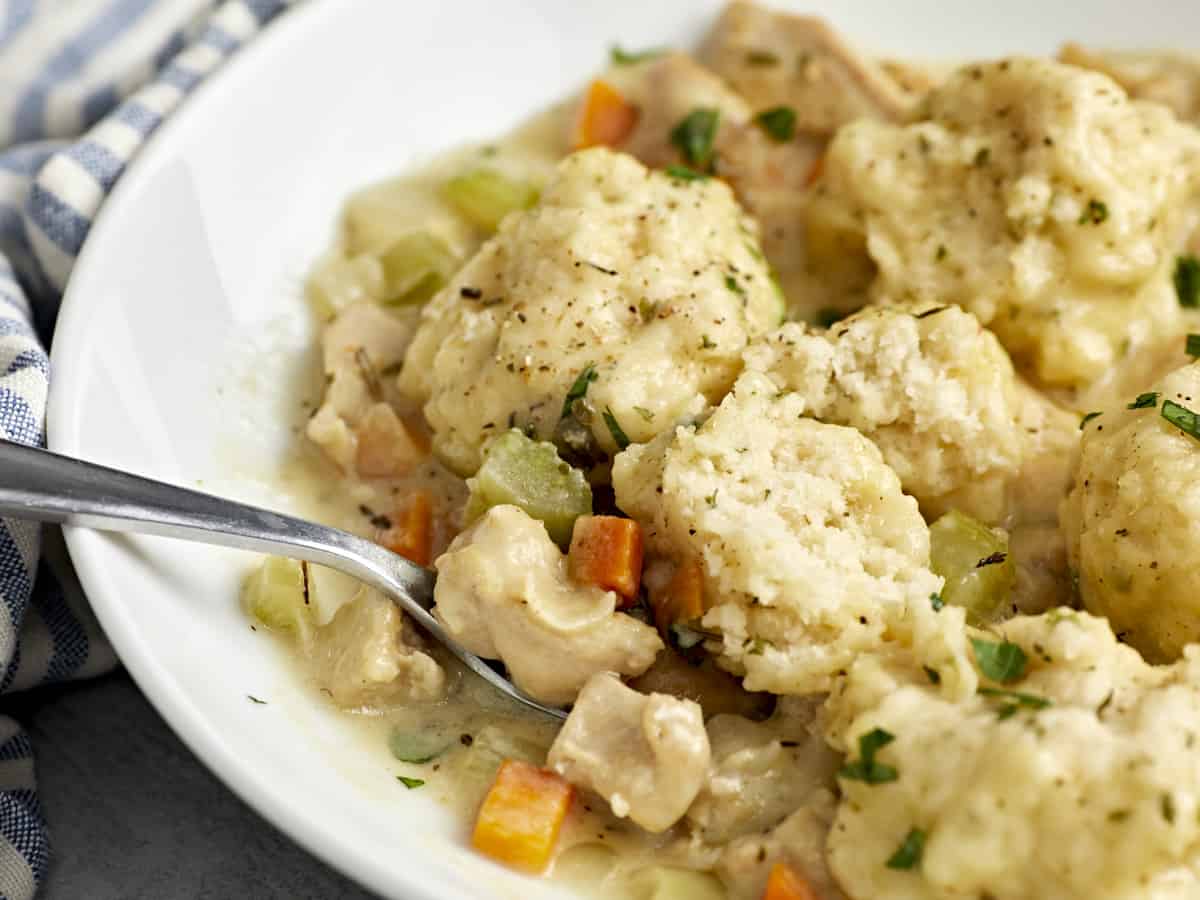
In the current fiscal climate, the total cost of the analyzed recipe stands at $7.12 for a yield of six servings. This represents a significant reduction in cost compared to processed frozen alternatives or restaurant-tier offerings, which can range from $5.00 to $15.00 per individual portion. The financial efficiency of this dish is primarily driven by the strategic selection of ingredients. By utilizing boneless, skinless chicken thighs rather than breasts, the recipe maximizes flavor and moisture retention while often benefiting from lower price-per-pound market rates.
Furthermore, the use of concentrated bases, such as Better Than Bouillon, contributes to the long-term reduction of grocery expenditures. Unlike pre-packaged liquid broths, which occupy significant storage space and possess a shorter shelf life once opened, concentrated bases allow for precise seasoning and cost control. The inclusion of staple vegetables—onions, carrots, and celery—further anchors the dish in the "mirepoix" tradition, providing a high-volume nutritional base for a minimal financial investment.
The Nashville Test Kitchen Development Process
The recipe underwent a rigorous testing phase within the Nashville Test Kitchen to ensure that the "from-scratch" claim did not come at the expense of simplicity. The development team focused on a one-pan execution strategy to minimize labor and utility costs associated with cleanup. A critical component of this development was the transition from traditional rolled or noodle-like dumplings to the "drop biscuit" style.
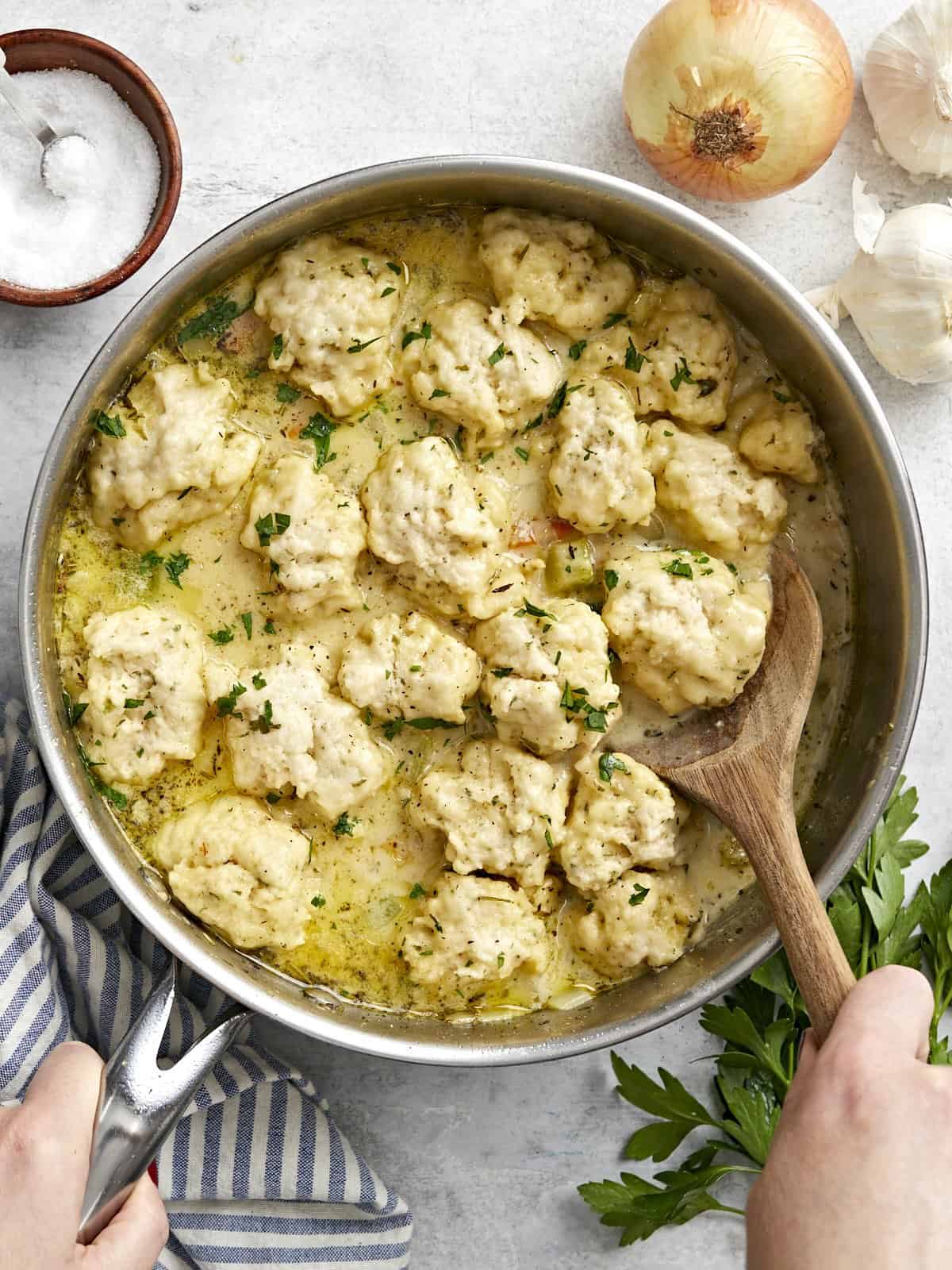
The drop dumpling approach eliminates the need for specialized equipment such as rolling pins or floured surfaces, thereby reducing the barrier to entry for novice home cooks. The test kitchen reports indicate that the covered skillet method is essential for success; the trapped steam facilitates a dual-texture result where the tops of the dumplings remain light and fluffy while the bottoms absorb the savory herb gravy.
Technical Methodology and Chronology
The execution of the dish follows a precise chronological sequence designed to build layers of flavor through chemical reactions and temperature control.
Phase I: Protein Preparation and the Maillard Reaction
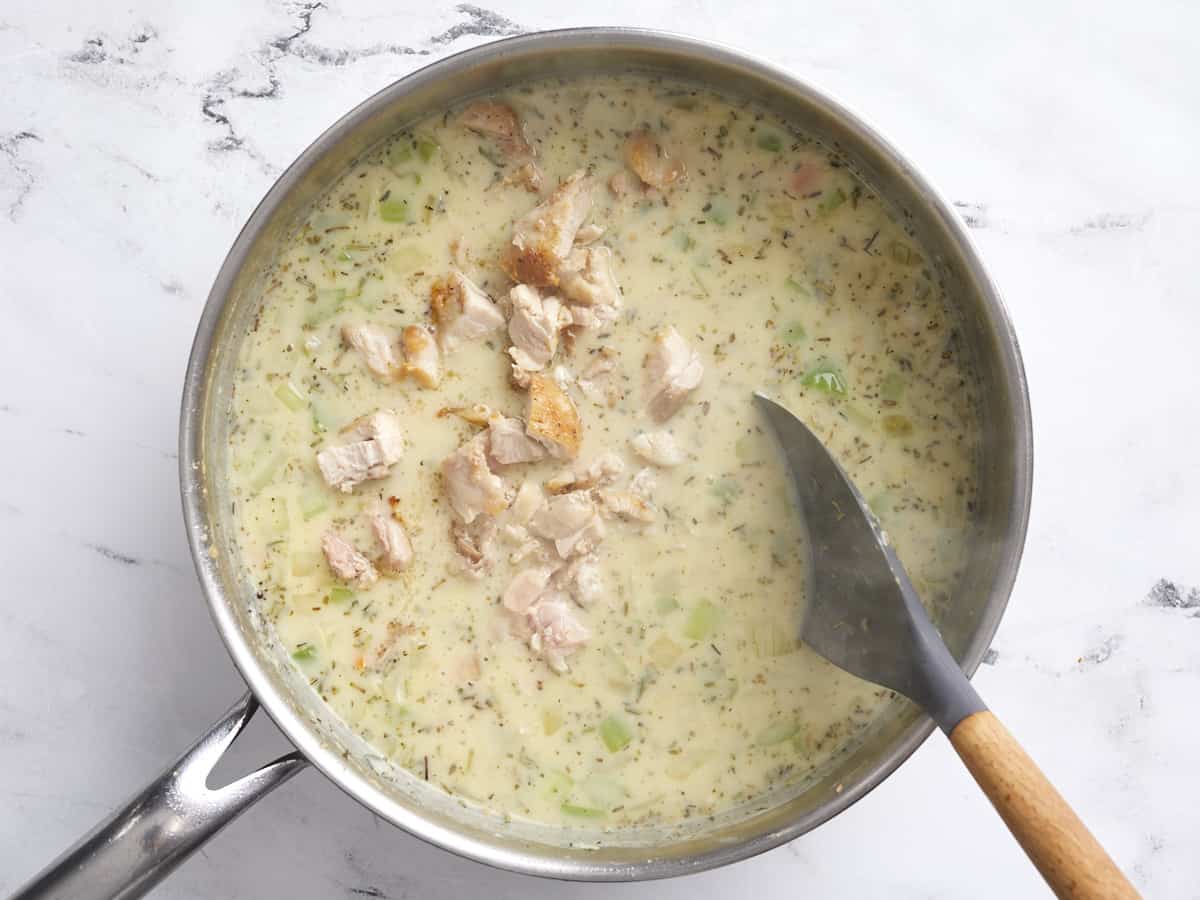
The process begins with the browning of four boneless, skinless chicken thighs in olive oil over medium heat. This stage is not intended to cook the chicken through but rather to initiate the Maillard reaction—a chemical reaction between amino acids and reducing sugars that gives browned food its distinctive flavor. The resulting "fond" (the savory bits stuck to the pan) serves as the foundational flavor profile for the subsequent gravy.

Phase II: Aromatics and Roux Construction
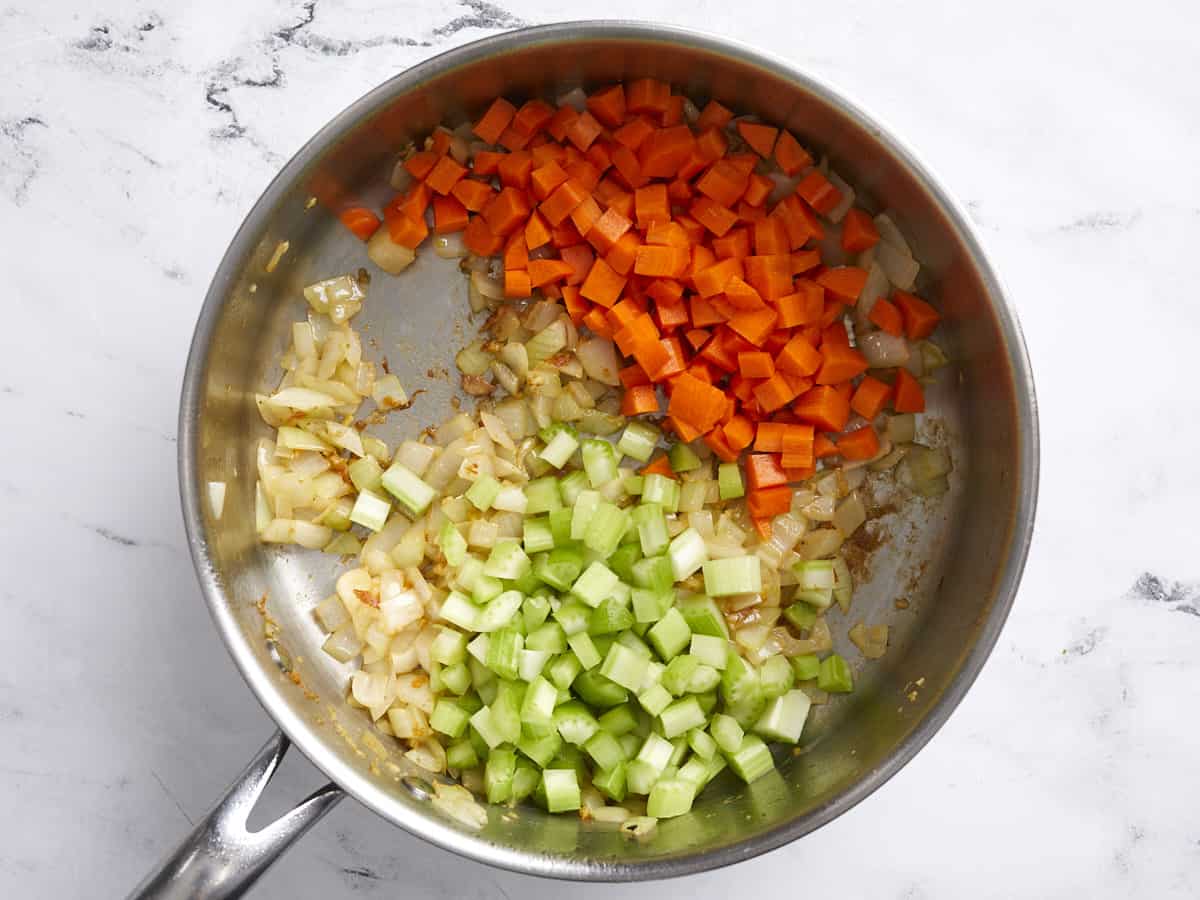
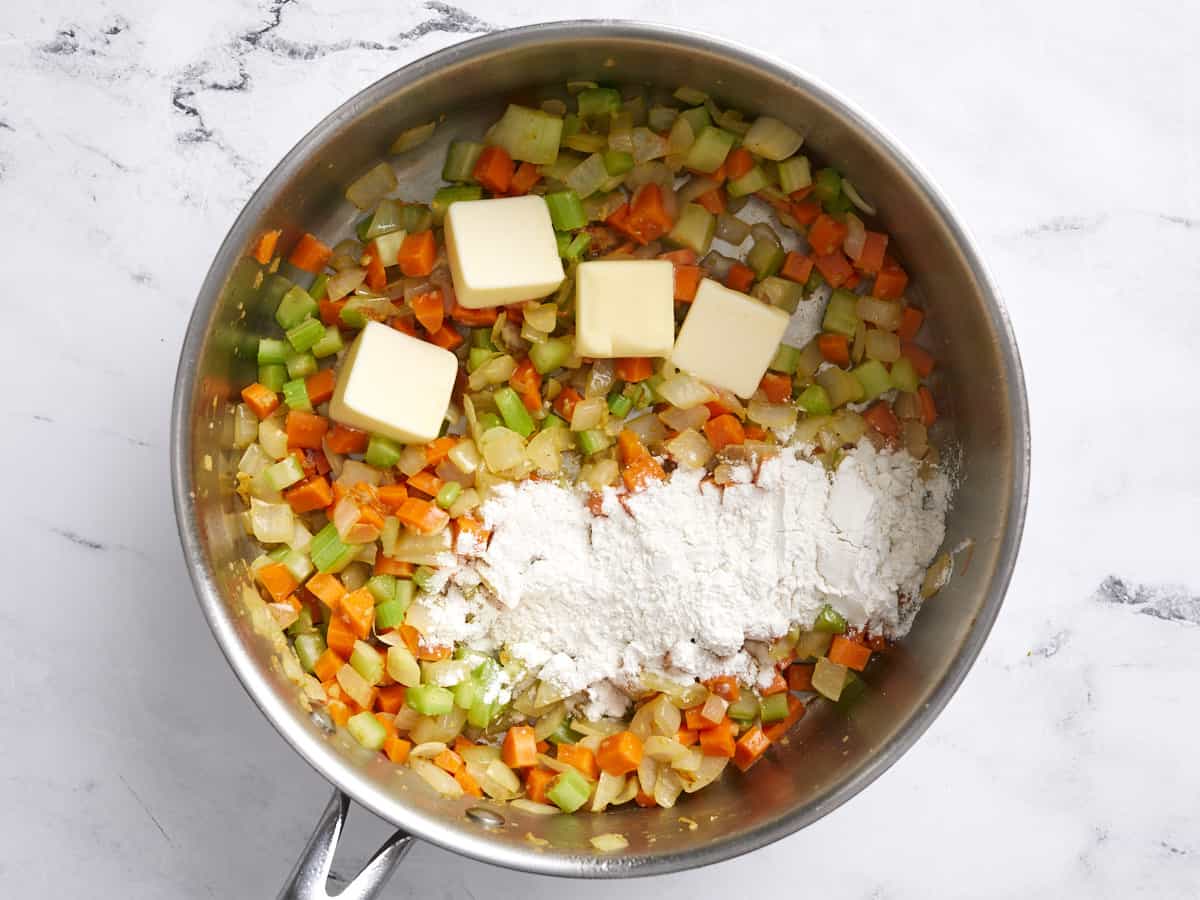
Following the removal of the chicken, a mixture of minced garlic, diced yellow onion, carrots, and celery is introduced to the skillet. Once the vegetables have softened, the recipe calls for the creation of a roux using four tablespoons of butter and one-quarter cup of all-purpose flour. This mixture is cooked for approximately two minutes, a necessary step to eliminate the "raw" taste of the flour and to ensure a stable thickening agent for the sauce.
Phase III: Liquid Integration and Seasoning
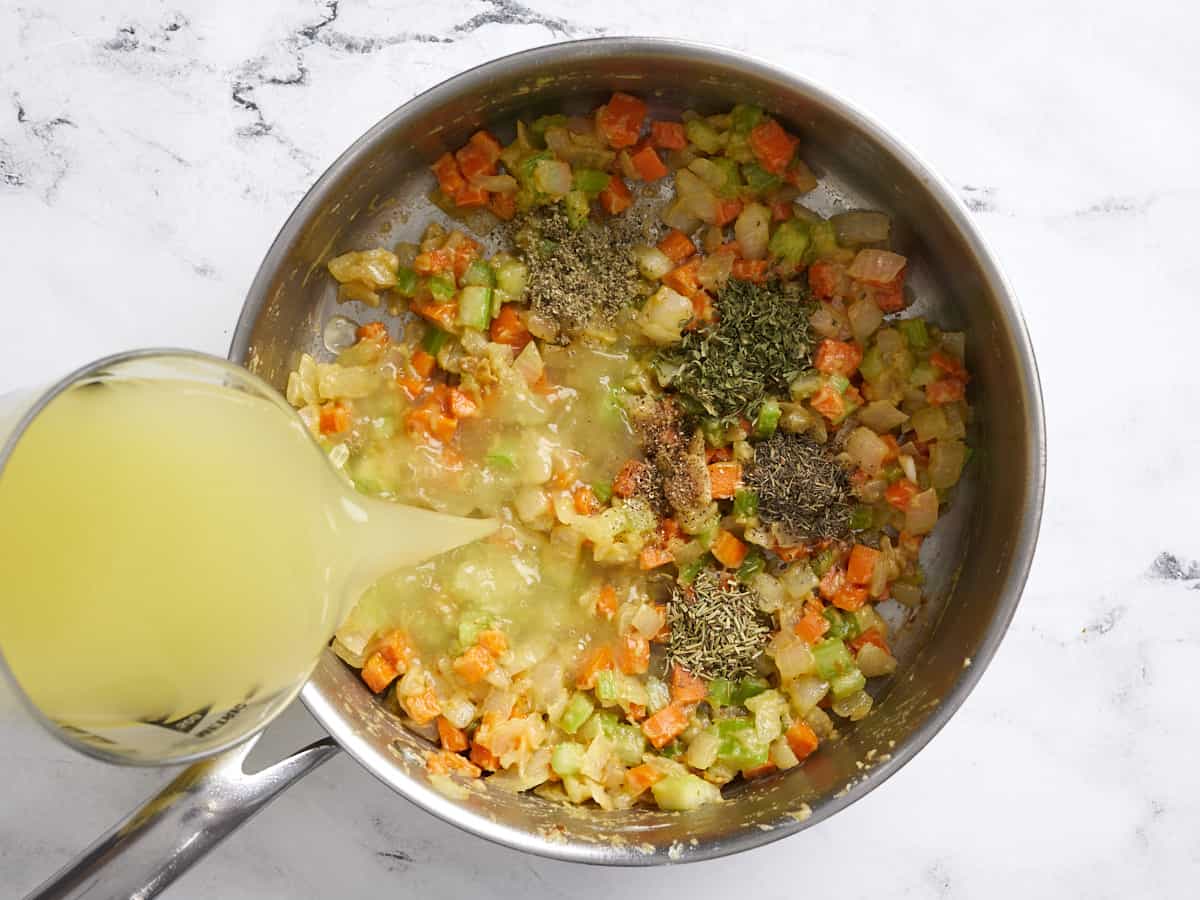
The transition from a vegetable paste to a rich gravy occurs through the gradual whisking of two cups of chicken broth and one cup of whole milk into the skillet. The addition of a specific herb blend—dried parsley, thyme, rosemary, sage, salt, and pepper—mimics the profile of traditional poultry seasoning. The mixture is brought to a simmer, allowing the starch molecules in the flour to gelatinize and thicken the liquid.
Phase IV: Dumpling Synthesis and Steaming
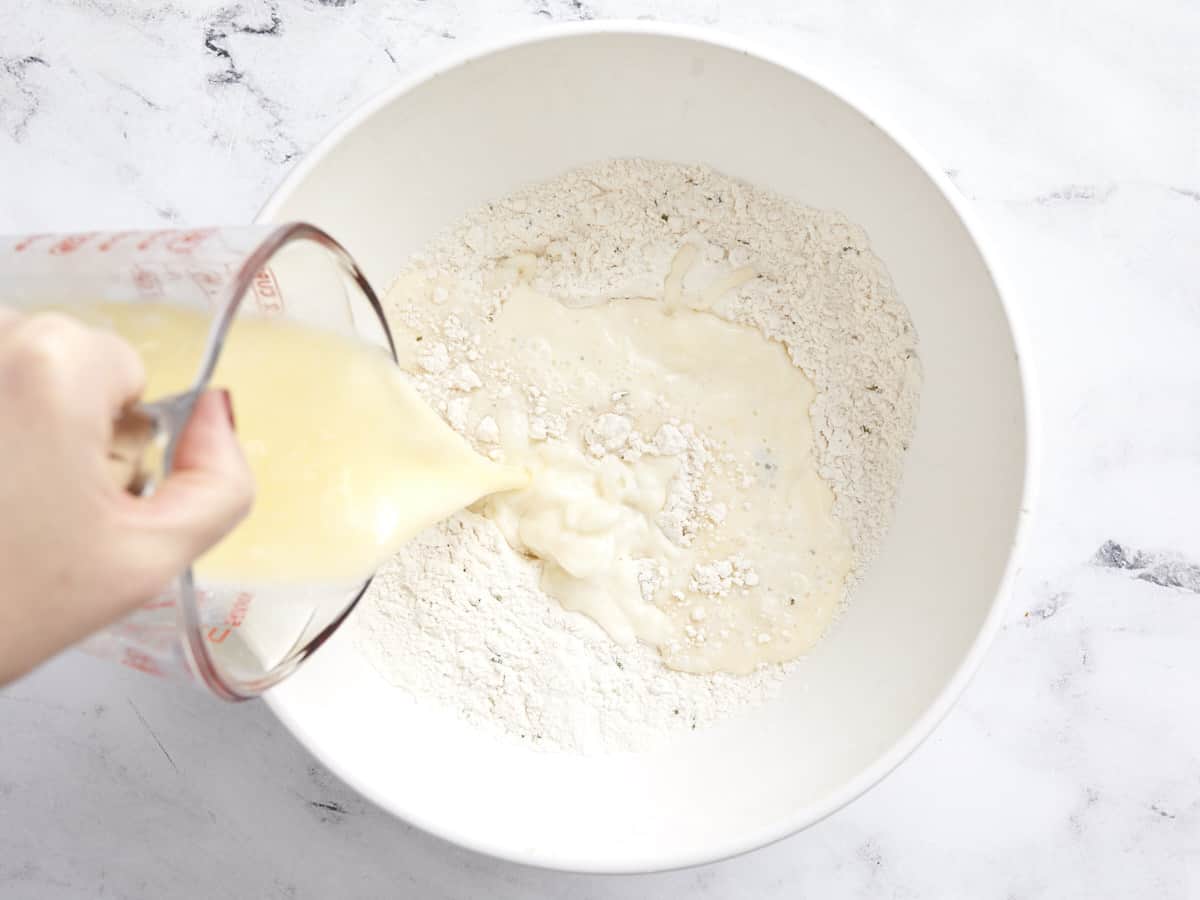
The final stage involves the preparation of a soft, sticky dough consisting of flour, baking powder, garlic powder, and milk. The dough is dropped into the simmering gravy in two-tablespoon portions. The skillet is then covered for a mandatory 15-minute steaming period. During this time, the leavening agents in the dough react to the heat, causing the dumplings to expand and set.
Nutritional Profile and Dietary Considerations
According to the data provided by the Nashville Test Kitchen, a 1.5-cup serving of this Chicken and Dumplings recipe contains 369 calories. The macronutrient breakdown is as follows:
- Protein: 20g (40% of Daily Value)
- Total Fat: 19g (29% of Daily Value)
- Carbohydrates: 28g (9% of Daily Value)
- Sodium: 991mg (43% of Daily Value)
- Fiber: 2g (8% of Daily Value)
While the sodium content is relatively high—a common trait in traditional comfort foods—the recipe allows for adjustment. Home cooks are encouraged to omit added salt initially and rely on the seasoning present in the chicken broth or bouillon, adjusting only at the final stage of cooking. The use of whole milk is recommended for its contribution to a richer consistency and tender dumpling crumb, though 2% milk or unsweetened dairy-free alternatives like oat milk can be substituted with a minor loss in richness.
Consumer Feedback and Market Reception
Initial reception of the refined recipe has been overwhelmingly positive. Testimonials from home cooks, such as a user identified as Devin, highlight the dish’s versatility in various environments, including high-altitude settings like Colorado. Devin noted that the simplicity of the recipe made it an effective solution for feeding large groups with varying dietary preferences, specifically citing its success with "picky eaters."
The popularity of the dish reflects a broader trend in the culinary market toward "one-pot meals." Search engine optimization data and social media engagement metrics suggest that consumers are increasingly prioritizing recipes that offer "warmth" and "comfort" while remaining under the $1.50 per serving threshold.
Storage, Reheating, and Long-Term Utility
A significant factor in the recipe’s value proposition is its performance as a leftover. While the dumplings are at their peak fluffiness immediately after steaming, they remain stable for three to four days in refrigeration. Analysts note that the dumplings will naturally absorb more gravy over time, leading to a thicker consistency upon reheating.
For long-term storage, the recipe supports freezing for up to three months. However, the Nashville Test Kitchen advises that the texture of the dumplings may become softer following the thawing process. To maintain structural integrity, reheating in a saucepan over medium-low heat with an additional splash of milk or broth is recommended over microwave heating.
Broader Implications for the Culinary Industry
The success of this Chicken and Dumplings model underscores a shift in how recipes are developed and shared in the digital age. By providing transparent cost breakdowns and rigorous step-by-step photographic documentation, platforms like Budget Bytes are democratizing culinary skills that were once passed down through oral tradition or expensive cookbooks.
This "democratization of the kitchen" has practical implications for public health and economic stability. As more households move away from highly processed "heat-and-eat" meals in favor of scratch-made, vegetable-inclusive dishes like this one, there is a potential for improved nutritional outcomes and reduced household debt. The Nashville Test Kitchen’s commitment to retesting and republishing recipes—most recently updated in September 2026—ensures that these culinary solutions remain relevant to changing market prices and consumer tastes.
In conclusion, the scratch-made Chicken and Dumplings recipe represents more than a simple meal; it is a calculated response to the modern intersection of time constraints, budgetary pressures, and the universal human desire for comfort. Through technical precision and economic mindfulness, the dish proves that high-quality, delicious dining is achievable on a modest budget.
