

The culinary and entertainment industries are currently witnessing a dynamic confluence of technological advancement, strategic business maneuvers, and shifts in public perception. This week’s major headlines include the emergence of new cinematic ventures centered on iconic restaurant brands, the significant acquisition involving a celebrity-backed food company, the conclusion of a groundbreaking digital series, proposed changes to national food safety regulations, and a major food-tech company’s ambitious expansion tempered by workforce adjustments. These developments collectively underscore a period of profound transformation across the food sector and its intersection with broader cultural trends.
Iconic Eateries Take Center Stage in Hollywood Productions
Two distinct film projects have recently captured attention for their focus on well-known restaurant franchises, signaling a growing trend of integrating established brand identities into cinematic narratives. One project, titled The Waffle House Index, is slated as a sci-fi/thriller, while the other delves into the origin story of the controversial casual dining chain, Hooters.
The Waffle House Index reportedly centers on a protagonist working at a Waffle House location as a significant storm approaches. The title itself is a nod to a real-world, informal metric used by the Federal Emergency Management Agency (FEMA) to gauge the severity of a disaster and its impact on a community’s infrastructure. If a Waffle House is closed, it indicates a severe disaster; if it’s open with a limited menu, it’s a moderate one; and if it’s fully operational, the situation is relatively stable. This cultural touchstone reflects Waffle House’s reputation for operating 24/7, even in the face of extreme weather, often becoming a beacon of resilience in affected areas. The decision to frame a sci-fi/thriller around this concept suggests a narrative exploring community, survival, and the unique role certain establishments play in American life during crises. The film, starring Inde Navarrette, taps into a deeply ingrained cultural understanding of the diner as a place of refuge and normalcy amidst chaos. Industry analysts suggest such a project could leverage the existing brand recognition and evoke a sense of Americana, appealing to audiences looking for both thrilling narratives and relatable cultural backdrops.
In parallel, a film detailing the origin story of Hooters is also in development. This project arrives at a critical juncture for the chain, which has openly declared efforts towards a "family-friendly rebrand." Hooters, established in 1983 in Clearwater, Florida, built its brand around "Hooters Girls" — waitresses known for their distinctive uniforms and service style. Over decades, the chain expanded significantly, becoming a recognizable, albeit often controversial, fixture in the casual dining landscape. Its business model has consistently faced scrutiny regarding its objectification of women, even as it cultivated a loyal customer base. The announced rebrand, which the CEO insists is a clarification rather than a departure from its "neighborhood place" identity, seeks to broaden its appeal beyond its traditional demographic. A film exploring its origins could provide historical context to these controversies, tracing the evolution of its concept, the challenges it faced, and the personalities behind its creation. Such a narrative could offer a complex look at American entrepreneurship, changing social norms, and the commercialization of hospitality, potentially seeking to reframe public perception of the brand in light of its current rebranding strategy. The timing suggests an attempt to either capitalize on nostalgia or offer a narrative that aligns with the company’s efforts to modernize its image, perhaps by emphasizing the entrepreneurial spirit or community aspects that its proponents often highlight.
These cinematic endeavors collectively highlight how established food brands are increasingly seen as rich sources for storytelling, reflecting their embeddedness in popular culture and their potential for exploring broader societal themes, from resilience in the face of disaster to the evolution of business ethics and cultural identity.
Gal Gadot’s Business Acumen Outshines Tom Cruise’s Cake
In a surprising revelation that momentarily overshadowed Hollywood’s most legendary dessert, actress Gal Gadot confirmed she had not received one of Tom Cruise’s famously elaborate coconut cakes, a tradition among his A-list peers. The "Cruise Cake," as it’s known, is a white chocolate coconut bundt cake from Doan’s Bakery in Woodland Hills, California, which Cruise reportedly sends to a select list of colleagues and friends each holiday season. Its mystique has grown over the years, becoming a coveted token of Hollywood camaraderie. Gadot’s admission on the Armchair Expert podcast, where she candidly asked, "He makes cakes?", suggested an unfamiliarity with this particular Hollywood custom, further stating that she doesn’t particularly enjoy cake.
While missing out on a celebrity-sent dessert might seem like a minor detail, Gadot’s culinary interests clearly lie elsewhere, specifically in the highly lucrative food entrepreneurship space. This week, it was announced that Goodles, the mac and cheese company co-founded by Gadot, was acquired by Barilla, the global pasta giant. Goodles, launched three years prior with a mission to offer healthier, more protein-rich, and fiber-packed mac and cheese options, had quickly established itself as a disruptor in the comfort food market. Valued at $88 million in its early stages, the acquisition by Barilla represents a significant win for Gadot and her co-founders.
Barilla’s acquisition of Goodles is a strategic move, allowing the legacy brand to tap into the rapidly growing "better-for-you" food segment and appeal to a younger, health-conscious demographic. The mac and cheese market, a staple in American households, is ripe for innovation, and Goodles successfully carved out a niche by combining nostalgia with modern dietary preferences. This acquisition highlights the increasing trend of celebrities leveraging their platforms to build substantial, impactful businesses in the consumer goods sector, rather than merely endorsing products. It also underscores the ongoing consolidation within the food industry, where established players seek to absorb agile, innovative startups to maintain market relevance and diversify their product portfolios. For Gadot, the Barilla deal solidifies her position not just as a global superstar but also as a savvy investor and entrepreneur, proving that her palate for business success is far more developed than her appreciation for coconut cake.
"Chicken Shop Date" Concludes its Influential Run
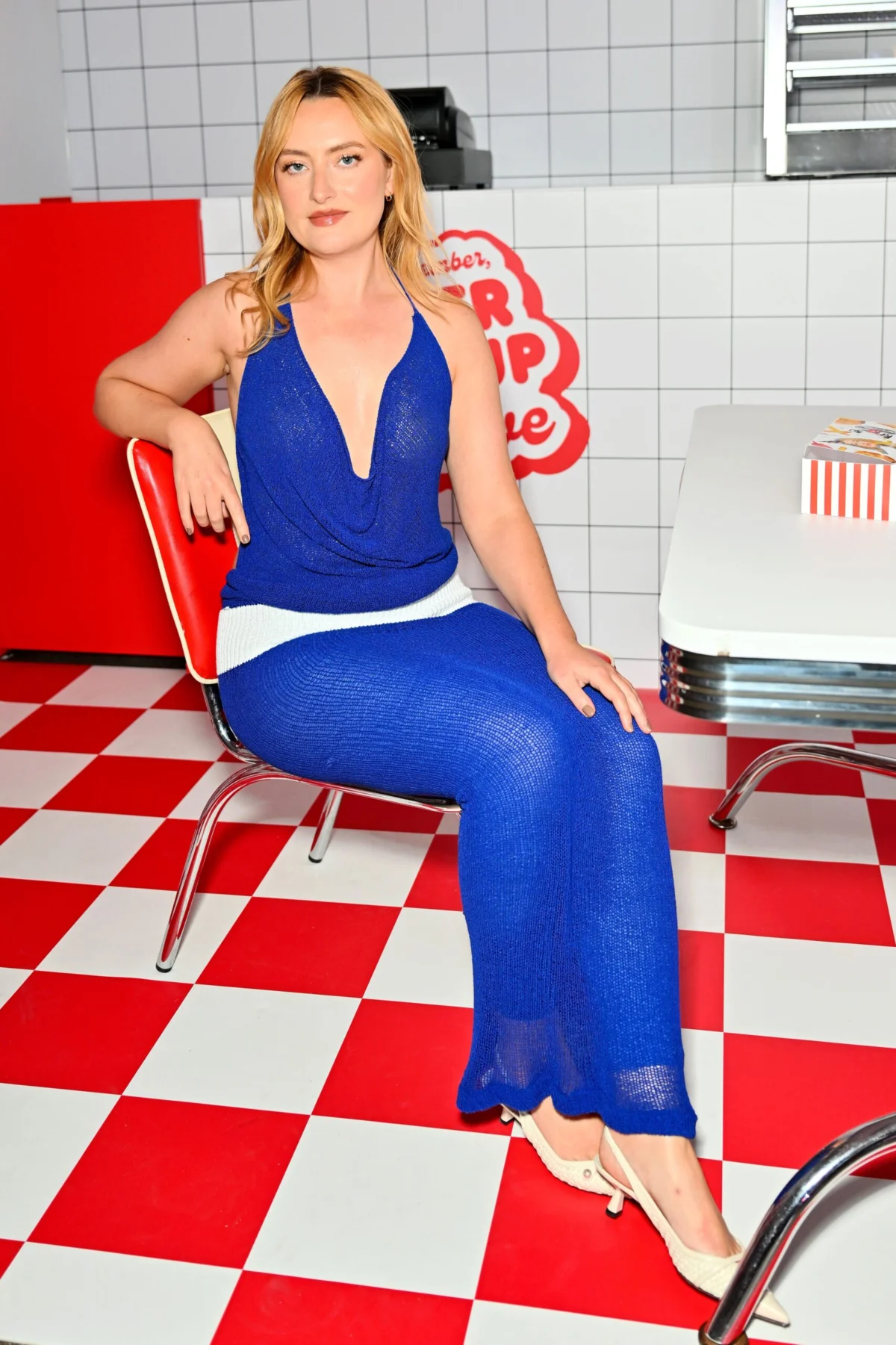
After an impactful twelve-year run, Amelia Dimoldenberg, the creator and host of the widely popular short-form talk show Chicken Shop Date, announced the series would be coming to an end. Dimoldenberg shared her decision in a heartfelt note posted to Instagram, stating, "I feel like it’s now time to move on from this adventure and onto a new one." A few final episodes are expected before the show officially concludes.
Launched in 2014, Chicken Shop Date pioneered a unique interview format that saw Dimoldenberg conduct deadpan, awkward "dates" with celebrities, primarily UK-based rap and grime artists in casual chicken shops. Her distinctive comedic style, characterized by a poker face and subtly probing questions, quickly resonated with audiences, propelling the show to viral success. It became a must-stop for artists promoting new work, offering an authentic, unvarnished alternative to traditional press junkets. The show’s success was not just in its entertainment value but in its profound influence on the evolving landscape of celebrity interviews and digital content creation.
Chicken Shop Date‘s innovative approach to celebrity engagement directly inspired a new wave of food-centric talk shows that sought to break from conventional formats. Programs like Sean Evans’ Hot Ones, where celebrities answer questions while consuming increasingly spicy chicken wings, Mythical Kitchen’s Last Meals, and Jesse Tyler Ferguson’s Dinner’s on Me all owe a debt to Dimoldenberg’s groundbreaking work. These shows demonstrated that combining relatable food settings with candid conversations could unlock a new level of celebrity authenticity and audience connection.
Dimoldenberg’s decision to conclude Chicken Shop Date comes as she expands her burgeoning media empire beyond food-related content. She has notably transitioned into mainstream reporting, including red carpet coverage for Vanity Fair, and has launched other digital series such as Passenger Princess, where she learns to drive. This strategic pivot reflects the dynamic nature of the creator economy, where successful digital personalities often leverage their niche platforms into broader media careers. Her journey from a YouTube sensation to a recognized journalist and interviewer underscores the power of original content and the entrepreneurial spirit of digital creators in shaping modern media consumption habits. The end of Chicken Shop Date marks the close of an era for online interviews but also signifies Dimoldenberg’s continued evolution as a prominent figure in entertainment.
Proposed Beef Inspection Policy Changes Spark Food Safety Concerns
The United States is currently grappling with persistently high beef prices and an increasing public discourse around food safety regulations. In response to these pressures, former President Trump recently announced a proposal to significantly alter existing beef processing regulations, allowing farmers and ranchers greater autonomy in processing their own food. This declaration, made via a post on Truth Social, stated, "I am authorizing legal documents to be drawn in order to allow Farmers and Ranchers to be given the right to PROCESS THEIR OWN FOOD."
The current beef inspection system in the U.S. is overseen by the U.S. Department of Agriculture (USDA) Food Safety and Inspection Service (FSIS), which mandates federal inspection for meat sold commercially. This system, largely established in the early 20th century following public health scares highlighted by works like Upton Sinclair’s The Jungle, aims to ensure the safety, wholesomeness, and accurate labeling of meat products. The intent behind Trump’s proposal, as implied by his administration’s past rhetoric and current statements, is to reduce regulatory burdens on agricultural producers, potentially lower costs for consumers by cutting out intermediaries, and empower small-scale farmers. Proponents often argue that current regulations disproportionately affect smaller operations, making it difficult for them to compete with large-scale industrial processors.
However, the proposed changes have swiftly drawn criticism from various advocacy and industry groups. The Meat Institute, a prominent trade organization representing beef and poultry processors, issued a statement expressing strong concerns. "Allowing uninspected meat to be sold to unwitting consumers is the wrong approach, and risks undermining this country’s reputation for producing the safest meat products in the world," the statement read. Consumer advocacy organizations have echoed these sentiments, highlighting the potential for increased foodborne illness outbreaks if meat products are not subject to rigorous federal oversight. They point to the historical context of meat inspection, arguing that any rollback could jeopardize public health standards that have taken decades to establish.
The implications of such a policy shift are multifaceted. While it might offer some economic relief to certain farmers by reducing processing costs and potentially creating new direct-to-consumer markets, it raises significant questions about traceability, quality control, and the potential for increased public health risks. It also presents a challenge to the established reputation of American meat products in international trade, where robust inspection standards are often a prerequisite for export. The debate encapsulates a broader tension between deregulation aimed at economic flexibility and the maintenance of public health and safety standards.
Wonder’s Ambitious Expansion and Workforce Adjustments
Wonder, the food-tech company founded by entrepreneur Marc Lore, is making significant waves in the food delivery and ghost kitchen landscape, marked by both aggressive expansion and recent workforce adjustments. Since its inception, Wonder has garnered substantial investor confidence, raising an impressive $2.5 billion since 2021. The company operates a model focused on delivery and takeout from multiple restaurant concepts cooked within its network of ghost kitchens, essentially centralized facilities that prepare meals for various brands under one roof. Its first physical location opened in 2023, rapidly expanding its footprint.
Marc Lore, known for his disruptive ventures like Jet.com (acquired by Walmart), has articulated an even more ambitious vision for Wonder: an AI-powered platform capable of creating entirely new restaurant concepts in mere moments. As he described in an interview with Fortune magazine, "You type in what kind of restaurant you want to build. It builds the restaurant – AI does – in under a minute." This vision points to a future where culinary innovation and business creation could be dramatically democratized and accelerated, fundamentally altering the traditional restaurant development cycle. Lore’s previous success with Jet.com and his substantial backing suggest that this AI-driven future is more than speculative.
In recent weeks, Wonder has demonstrated its aggressive market strategy through key acquisitions. The company recently acquired Salt Hank’s, a viral New York City sandwich shop celebrated for its French dip. This acquisition allows Wonder to integrate a popular, established brand into its ghost kitchen network, leveraging its existing customer base and culinary appeal.
However, this period of rapid expansion and technological ambition has also been accompanied by significant operational adjustments. This week, Wonder announced layoffs affecting more than 100 staff members, representing approximately 7% of its workforce. Such layoffs, even amidst substantial funding and strategic acquisitions, are not uncommon in high-growth tech companies. They often signal a move towards "streamlining efforts" and optimizing for efficiency as the company scales and potentially prepares for future financial milestones.
The prevailing speculation within the industry is that Wonder is positioning itself for an Initial Public Offering (IPO) sometime next year. With over 150 locations across 10 states and an estimated valuation nearing $10 billion, an IPO would represent a monumental step for the food-tech sector. However, the trajectory of rapidly expanding, publicly traded companies in the digital and service sectors often raises questions about the long-term quality of their offerings. Some critics and observers of the tech industry fear a potential "enshittification" of products and services—a phenomenon where platforms gradually degrade the experience for users and providers alike once they have achieved market dominance and eliminated competition, prioritizing shareholder value over initial service quality. Wonder’s journey will be closely watched as it navigates the complexities of scaling, technological integration, market consolidation, and the expectations of both investors and consumers, potentially reshaping the national food delivery landscape in profound ways.
Revisiting "Unreasonable Hospitality" and the Customer-Centric Model
The enduring adage "the customer is always right" has long been a cornerstone of customer service, particularly within the hospitality industry. However, a recent essay by James Beard-winning author Adam Reiner, published in Bon Appétit, critically examines this mantra through the lens of modern restaurant operations and the human experience of service professionals. Reiner’s piece delves into the complexities faced by restaurant workers as they strive to maintain exceptional hospitality while simultaneously navigating personal and professional boundaries, challenging the notion that customer demands should always supersede staff well-being or logical constraints.
The essay implicitly critiques concepts like "unreasonable hospitality," a philosophy popularized by figures in fine dining, which advocates for going to extreme lengths to fulfill guest requests, often regardless of practicality or cost. While aiming for unparalleled guest experiences, such approaches can inadvertently create an environment where unrealistic expectations are fostered, leading to burnout among staff and a disconnect from the realities of kitchen and front-of-house operations. Reiner’s work highlights the everyday dilemmas faced by servers and chefs—situations where customer requests are vague, illogical, or simply beyond the scope of reasonable accommodation. These scenarios underscore a fundamental tension: the desire to please versus the need to uphold operational integrity and respect for the labor involved.
The discussion initiated by Reiner’s essay resonates deeply within the restaurant community, sparking conversations about sustainable service models and the evolving relationship between patrons and service providers. It encourages a re-evaluation of what constitutes true hospitality, suggesting that it should encompass respect for both the guest and the staff. Professional kitchens and dining rooms are environments of immense pressure, skill, and coordination. When customer expectations become excessively demanding or ill-informed, it can disrupt this delicate balance, impacting efficiency, morale, and ultimately, the quality of service for all patrons.
This discourse is particularly relevant in an era where the restaurant industry is grappling with labor shortages, rising operational costs, and increasing awareness of mental health among service professionals. Moving forward, the industry is increasingly exploring approaches that balance exceptional guest experiences with a supportive and respectful work environment for its staff. Reiner’s essay serves as a poignant reminder that genuine hospitality thrives on mutual understanding and respect, challenging the industry to define boundaries that ensure sustainability without compromising on the art of service.
