

The global gin market has undergone a radical transformation since the turn of the millennium, a shift largely attributed to the 1999 launch of Hendrick’s Gin by William Grant & Sons. By introducing a flavor profile centered on Bulgarian rose and cucumber, Hendrick’s effectively pioneered the "New Western" or "Contemporary" gin category, moving away from the juniper-heavy dominance of traditional London Dry styles. In recent years, the brand has sought to maintain its market leadership through the "Cabinet of Curiosities," a series of limited-edition releases helmed by Master Distiller Lesley Gracie. As of September 2024, an analytical assessment of these releases reveals a spectrum of success, ranging from polarizing experimental failures to industry-defining staples.
The Genesis of the Gin Renaissance and the Cabinet Concept
To understand the current ranking of the Hendrick’s portfolio, one must examine the technical foundations established at the Hendrick’s Gin Palace in Girvan, Scotland. Unlike traditional gins distilled in a single type of still, Hendrick’s utilizes a marriage of spirits from two distinct vessels: the Bennett Still, a copper pot still dating back to 1860 that produces a heavy, oily spirit, and a rare Carter-Head Still from 1948, which uses a vapor infusion basket to create a lighter, more floral distillate.
The "Cabinet of Curiosities" was formalized as a platform for Lesley Gracie to utilize these stills for experimental botanical combinations. This initiative reflects a broader industry trend where legacy brands utilize "drop culture"—limited-time offerings—to sustain consumer interest and capture market share in an increasingly crowded artisanal spirits sector. However, as the following analysis indicates, the pursuit of novelty has occasionally compromised the balance that made the original flagship a global success.
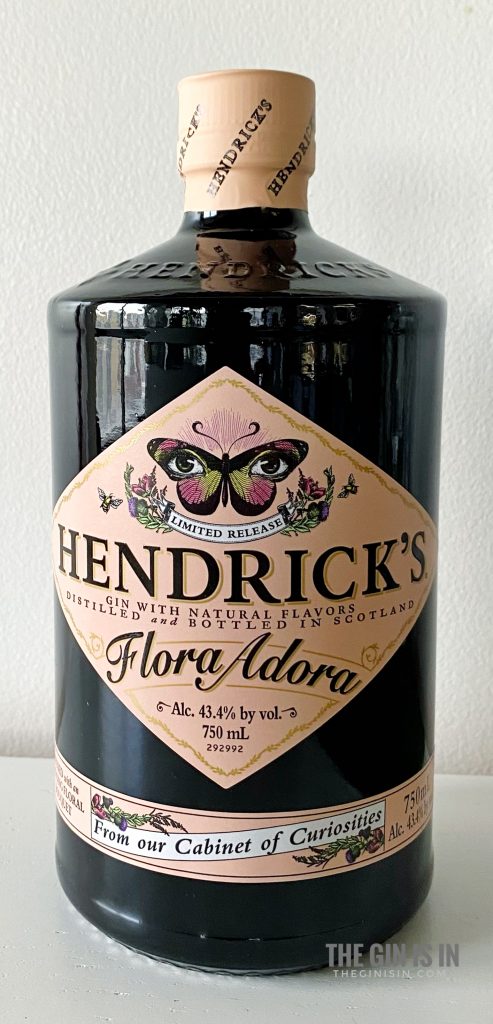
8. Hendrick’s Flora Adora (2023): A Study in Botanical Imbalance
Released in 2023, Flora Adora represents the most significant departure from the brand’s core identity. Designed to evoke the aroma of a garden in full bloom, the botanical bill includes lavender, rose, hibiscus, honeysuckle, and tuberose. While the technical execution of the distillation remains high, the sensory profile has been widely critiqued by industry experts for its lack of restraint.
The primary issue identified in Flora Adora is its "soapy" finish, a common pitfall when floral essences such as lavender and lilac are over-concentrated. While the mid-palate retains the signature Hendrick’s juniper and coriander, it is frequently overwhelmed by a perfume-like quality that mimics 19th-century toiletries. Analysts suggest that while Flora Adora serves as a valuable collector’s item, its utility as a versatile mixer is limited, as it tends to dominate other ingredients in classic cocktails like the Aviation or the Gin Fizz.
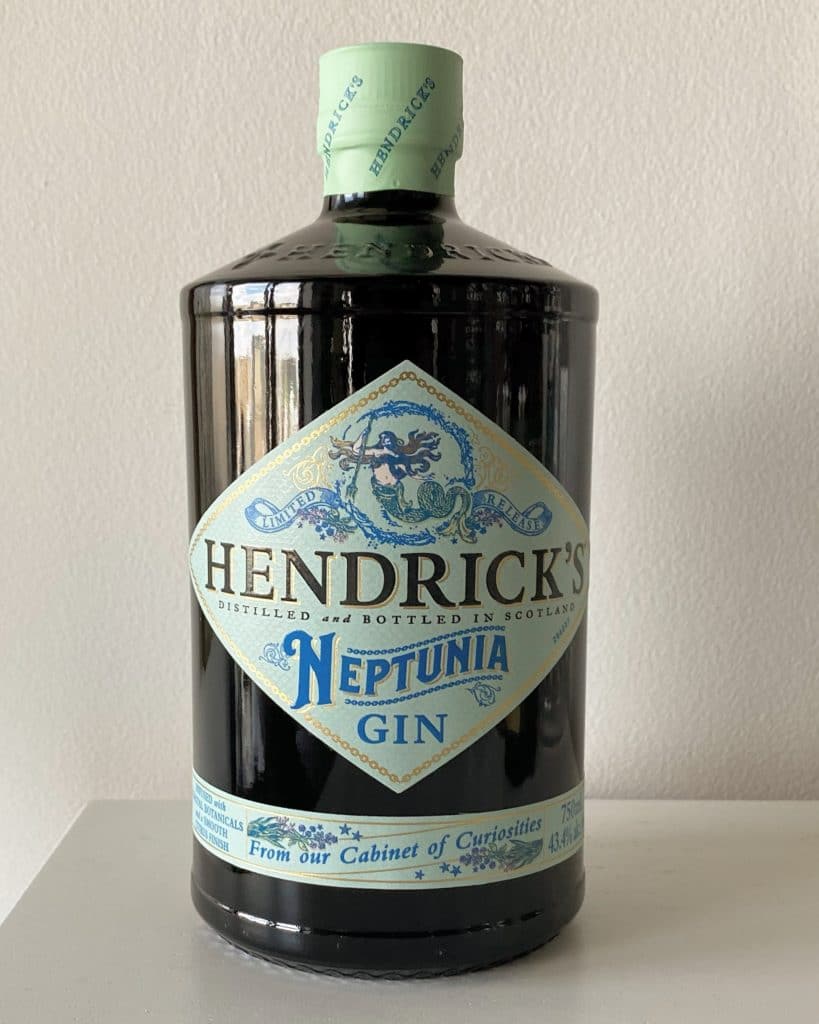
7. Hendrick’s Neptunia (2022): The Challenge of Maritime Botanicals
In 2022, Hendrick’s joined the growing movement of "maritime" gins with the release of Neptunia. Inspired by the rugged Ayrshire coast, the expression sought to capture the essence of a briny sea breeze. This release marked a strategic attempt to compete with Mediterranean-influenced brands like Gin Mare, utilizing coastal botanicals to create a savory profile.
Neptunia features a prominent citrus lead that transitions into a saline, herbal finish. However, the integration of these elements has been described as "chaotic." The interplay between the traditional Hendrick’s floral base and the new savory, piney notes results in a cacophonous palate. For the professional bartender, Neptunia presents a challenge; its briny character does not always harmonize with the tonic waters or vermouths typically paired with the flagship expression. It remains a niche offering for those who specifically seek out savory, mineral-forward spirits.
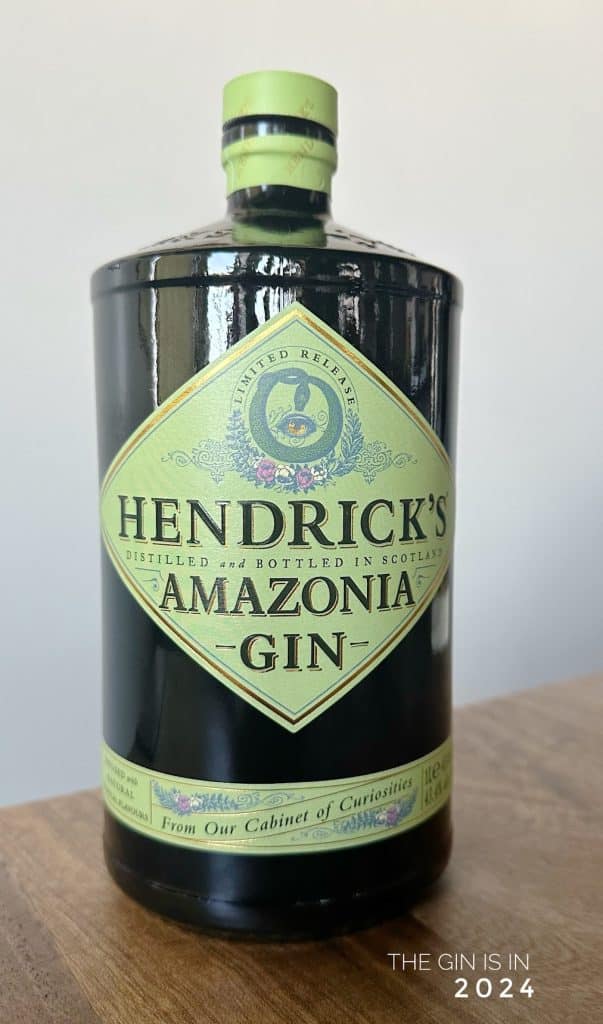
6. Hendrick’s Amazonia (2019): Tropical Overtones and Travel Retail Strategy
Hendrick’s Amazonia was initially launched as a travel-retail exclusive, inspired by Lesley Gracie’s 2013 expedition to the Venezuelan Amazon. The botanical profile is bolstered by tonka beans and pink peppercorns, which should, in theory, provide a sophisticated, spicy depth.
The reality of the flavor profile, however, leans heavily into tropical fruit notes. While the gin is technically proficient, it edges closer to the profile of a flavored vodka or a light rum, making it more suitable for Tiki-style drinks like a Piña Colada than a traditional Negroni. Compared to other "fruit-forward" entries in the Cabinet of Curiosities, Amazonia lacks the structural complexity found in the brand’s higher-ranked releases. Its ranking reflects its status as a fun, albeit somewhat distracting, novelty.
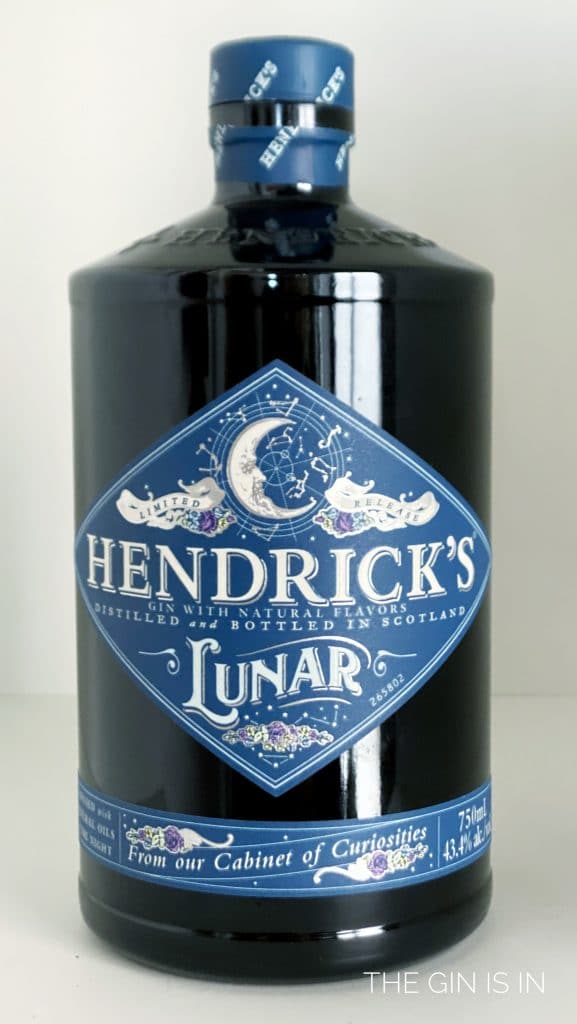
5. Hendrick’s Lunar (2021): Navigating the Nocturnal Palate
Lunar Gin was conceived as a "nocturnal" expression, designed for consumption during evening hours. The flavor profile shifts away from the bright, sun-drenched citrus of the flagship toward a warmer, spicier core. It features a moderate floral nose—honeysuckle and violet—balanced by a heart of black peppercorns and juniper.
Lunar is viewed as a middle-of-the-road success within the collection. It achieves a level of balance that Neptunia and Flora Adora lack, making it a functional substitute for the original Hendrick’s in a Gin and Tonic or a Martini. While it may not offer enough distinction to convert those who dislike floral gins, its spice-led finish provides a sophisticated alternative for seasoned gin drinkers.
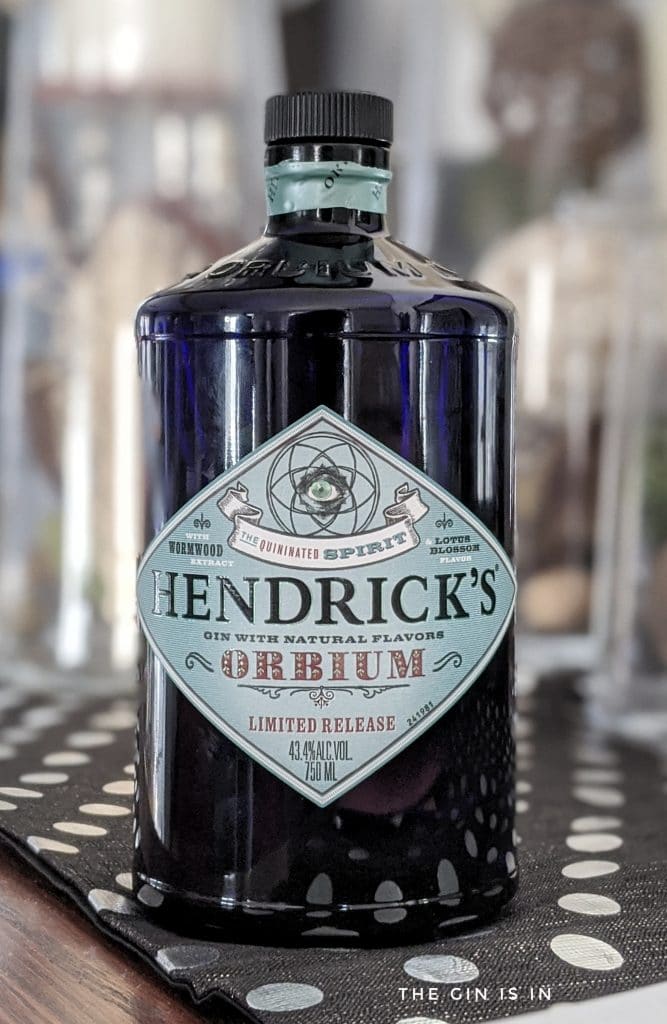
4. Hendrick’s Orbium (2017): The Bold Experiment in Bitterness
Orbium represents perhaps the most intellectual release in the Cabinet of Curiosities. It takes the base Hendrick’s spirit and adds three post-distillation essences: Lotus Blossom, Wormwood, and Quinine. The latter two are the primary bittering agents in vermouth and tonic water, respectively, effectively "deconstructing" the components of a Gin and Tonic within the spirit itself.
The result is a polarizing but highly respected gin. The lotus blossom provides a floral, anise-like sweetness that offsets the herbal bitterness of the wormwood. Orbium is not a "crowd-pleaser" in the traditional sense; it is a specialized tool for the craft cocktail movement. It excels in drinks where bitterness is a desired attribute, such as the Negroni or a bone-dry Martini. Its ranking at number four is a testament to its technical bravery and successful execution of a complex concept.
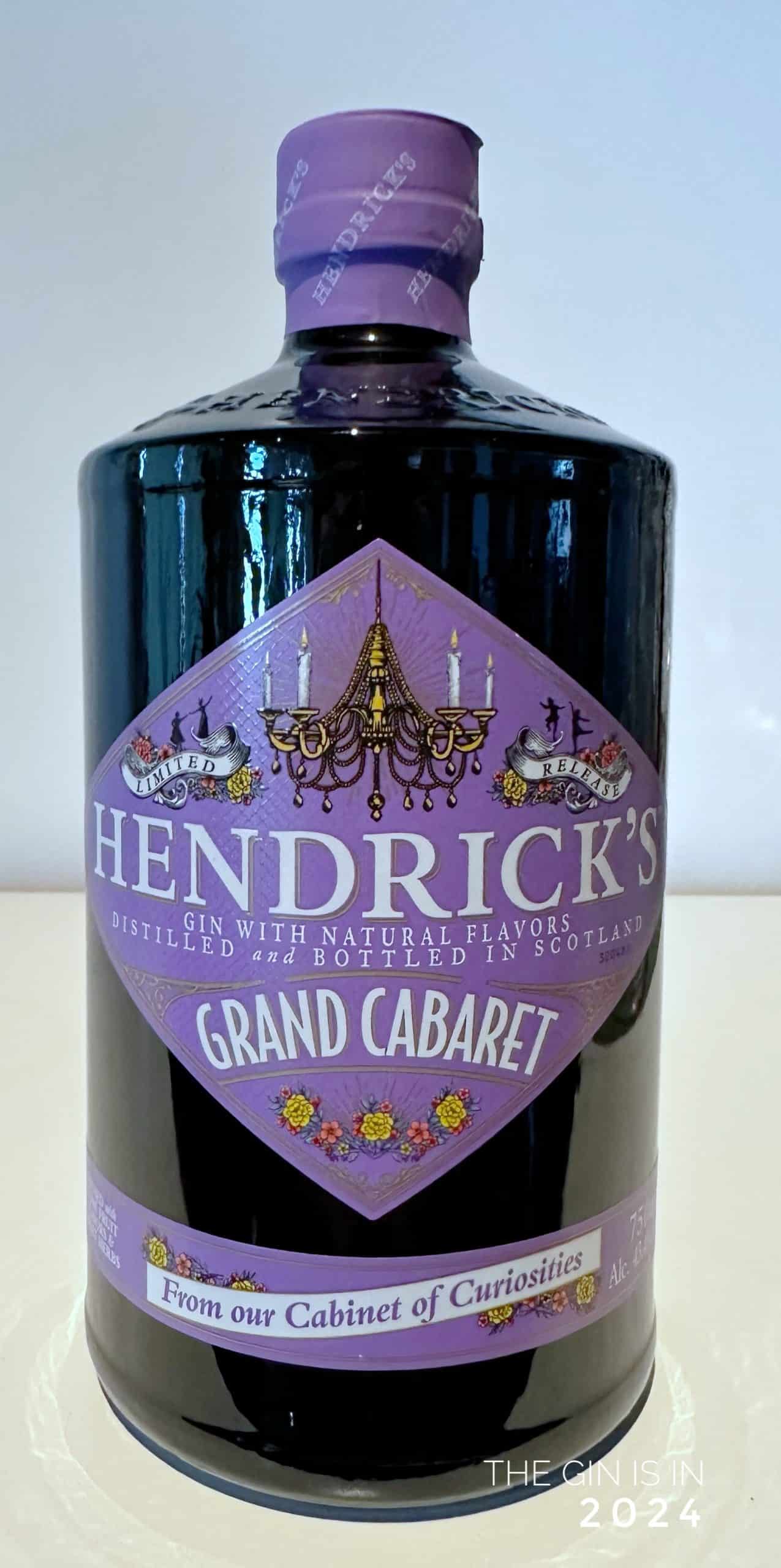
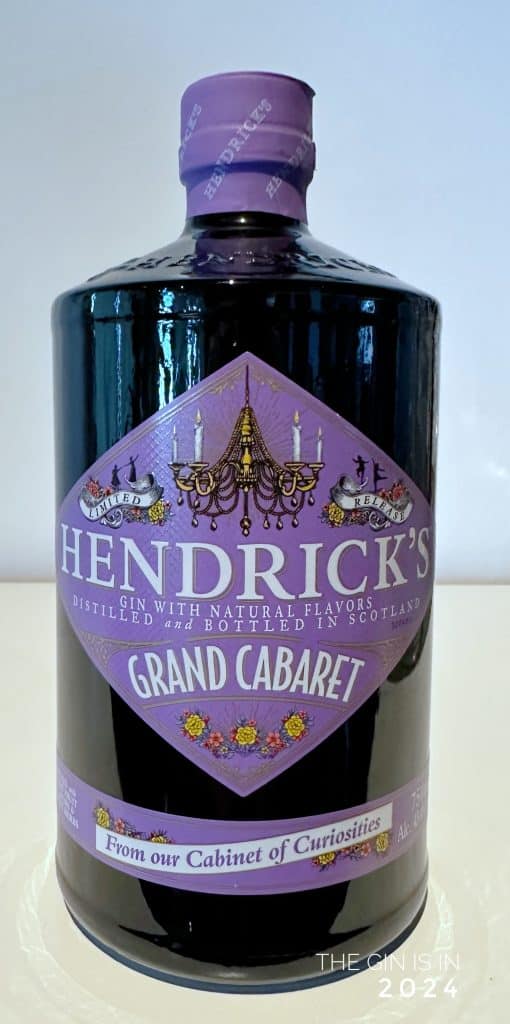
3. Hendrick’s Grand Cabaret (2024): The Mastery of Stone Fruit
The 2024 release, Grand Cabaret, draws inspiration from 17th-century French stone fruit distillates. Focused on apricots and mirabelle plums, the gin manages to achieve a fruit-forward profile without sacrificing its identity as a gin. The aroma is dominated by fresh apricot and peach, while the palate integrates honey and elderflower with a sturdy juniper backbone.
Grand Cabaret succeeds where Amazonia struggled by maintaining a crisp, dry finish despite the sweetness of the fruit botanicals. It has been lauded for its accessibility, performing exceptionally well in simpler preparations like gin and lemonade or a French 75. It represents the pinnacle of the "Contemporary" style within the limited-edition series, offering a sophisticated bridge for consumers moving from flavored spirits to premium gin.
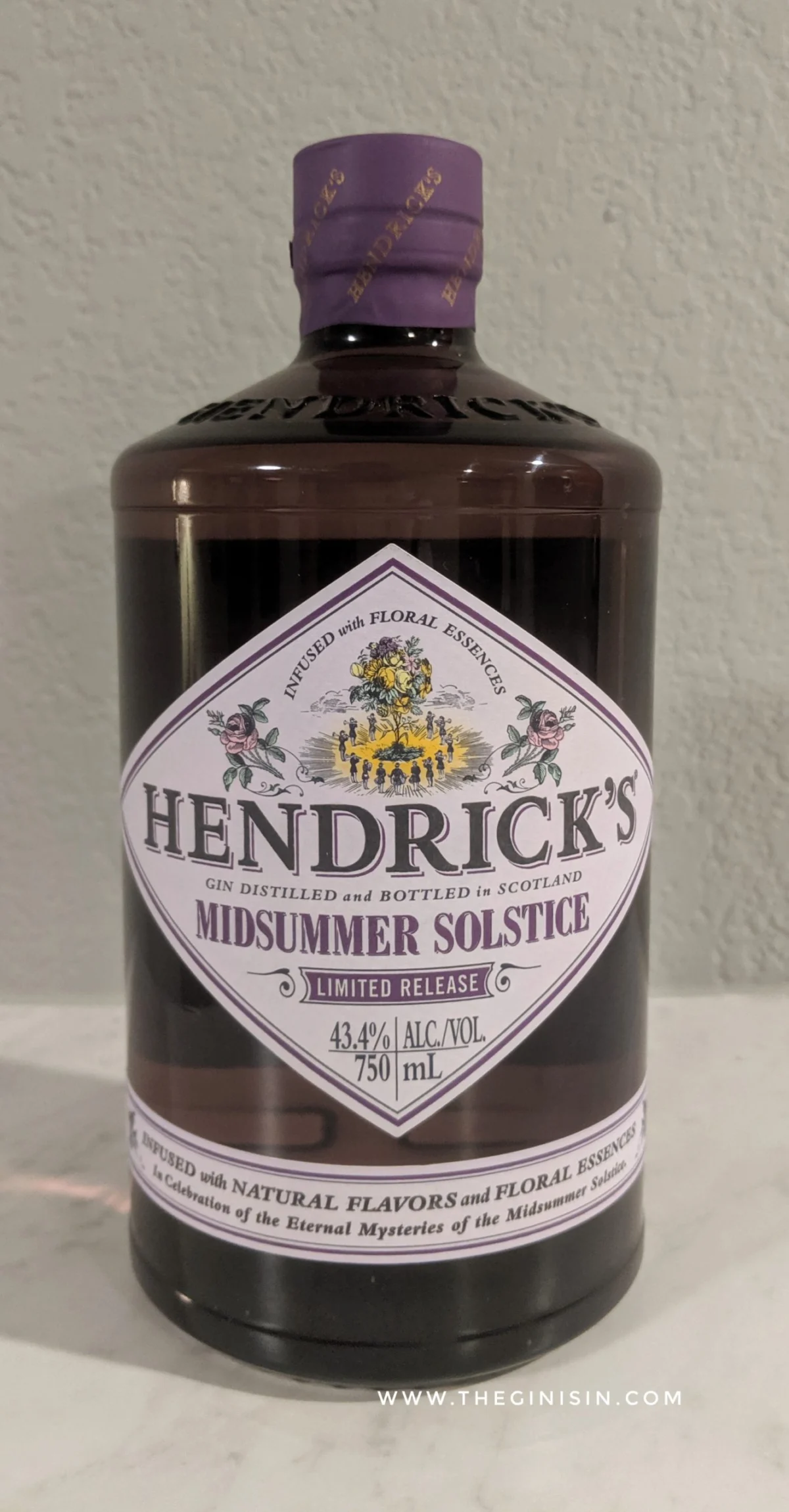
2. Hendrick’s Midsummer Solstice (2019): The Gateway to Modern Gin
Midsummer Solstice was the first release from the Cabinet of Curiosities to achieve widespread commercial and critical acclaim. Designed to capture the "aromatic intensity" of a midsummer day, it utilizes natural floral essences that mimic the bright, berry-like notes found in modern seltzers.
The gin features a sweet, fruit-forward profile with hints of raspberry and strawberry, yet it remains firmly rooted in the Hendrick’s tradition of rose and cucumber. For many consumers, Midsummer Solstice served as a "gateway" gin, appealing to those who found traditional London Dry styles too medicinal. Its versatility in cocktails—ranging from the Bramble to the Tom Collins—made it a favorite among home enthusiasts and professional mixologists alike. It remains the benchmark for how a limited edition can expand a brand’s reach without alienating its core audience.
1. Hendrick’s Flagship (1999): The Unrivaled Original
Despite twenty-five years of innovation and eight specialized releases, the original Hendrick’s flagship remains the superior expression in the product line. Its launch in 1999 was a disruptive event in the spirits industry, utilizing an apothecary-style bottle and Victorian-era branding to signal a move away from the industrial aesthetic of the late 20th century.
The flagship’s success lies in its near-perfect balance of eleven botanicals, including coriander, angelica root, lemon peel, and yarrow, finished with the iconic infusion of rose and cucumber. It is a "complete" gin—dry enough for a Martini, floral enough for a Gin and Tonic, and complex enough to be sipped neat. While subsequent releases have explored specific facets of the botanical world, the original Hendrick’s remains the most balanced and versatile.
Chronology of Innovation: A Timeline of the Cabinet of Curiosities
- 1999: Launch of the flagship Hendrick’s Gin.
- 2017: Release of Orbium, introducing quinine and wormwood.
- 2019: Midsummer Solstice becomes a global phenomenon; Amazonia enters travel retail.
- 2021: Lunar is released, targeting the "evening" consumption occasion.
- 2022: Neptunia explores maritime and savory botanical profiles.
- 2023: Flora Adora attempts an ultra-floral garden profile.
- 2024: Grand Cabaret explores 17th-century French stone fruit recipes.
Market Analysis and Broader Implications
The strategy employed by William Grant & Sons through the Hendrick’s brand reflects a sophisticated understanding of the modern spirits consumer. Data from the Distilled Spirits Council (DISCUS) indicates that while the "value" gin segment has stagnated, the "super-premium" and "ultra-premium" segments—where Hendrick’s resides—have seen consistent growth.
By releasing limited editions, Hendrick’s creates a sense of urgency and "collectability." However, the ranking above suggests a significant lesson for the industry: innovation must be tempered by balance. The lower-ranked entries, such as Flora Adora and Neptunia, demonstrate that pushing the boundaries of flavor can lead to a "cacophonous" profile that loses the utility of the spirit as a mixer.
Conversely, the success of Grand Cabaret and Midsummer Solstice shows that there is a significant appetite for gins that emphasize fruit and floral notes, provided they maintain a structural relationship with juniper. As the gin market continues to saturate, the ability of a brand like Hendrick’s to iterate on its core identity while maintaining the dominance of its flagship will be the key to its long-term survival in the global luxury spirits market. For now, the original "apothecary" bottle remains the gold standard of the Gin Palace.
