

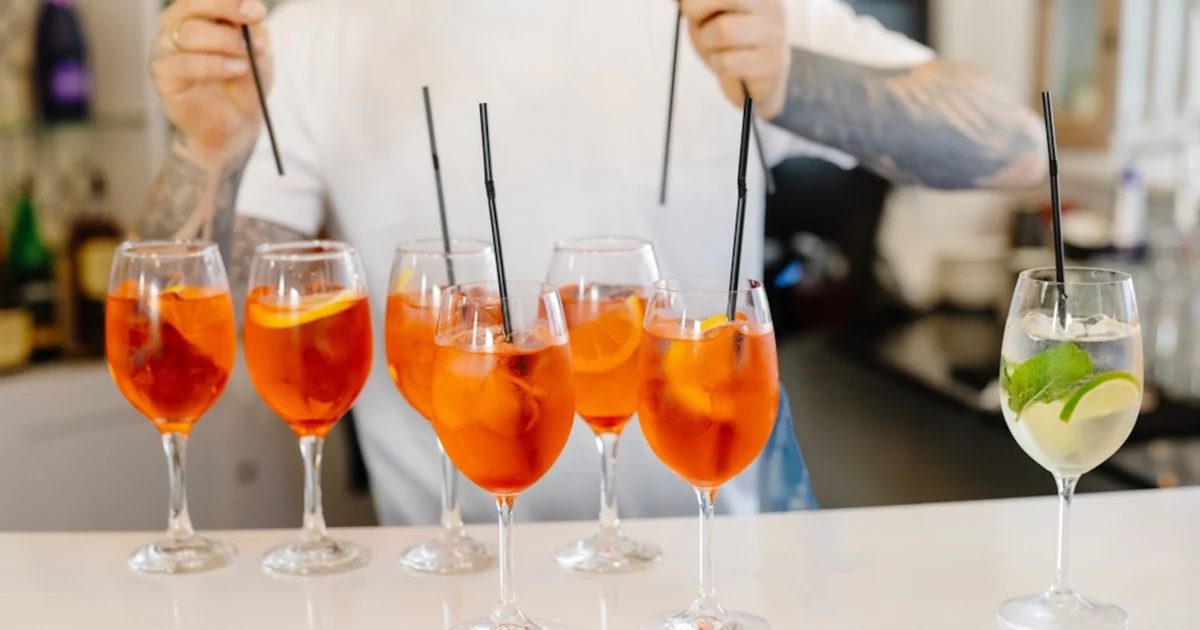
The landscape of popular beverages is undergoing a significant transformation, with the humble spritz emerging as the undisputed star of summer 2026. Data from the prominent payments platform Square reveals a decisive consumer pivot away from spirit-forward cocktails towards lighter, brighter, and lower-alcohol spritzes, signaling a broader shift in drinking habits. This trend is not merely a fleeting seasonal phenomenon but rather a culmination of years of evolving consumer preferences, with a pronounced impact on evening social habits and a growing emphasis on earlier, more relaxed gatherings.
The Ascendancy of the Spritz
While the Aperol Spritz may have served as the gateway for many into the world of aperitivos and spritzes, the summer of 2026 has witnessed the rise of several other contenders, each carving out its own niche in the market. The Hugo Spritz, a refreshing concoction of elderflower liqueur, Prosecco, club soda or sparkling water, and fresh mint, experienced an astonishing surge in popularity, with orders increasing by a remarkable 153.2% year over year across Square’s network of sellers. This growth outpaced that of the iconic Aperol Spritz, which, while still popular, saw a more modest 14.7% increase.
Beyond the Hugo, other spritz variations are also gaining considerable traction. The Limoncello Spritz saw a robust 75% rise in orders, highlighting a consumer appetite for citrus-forward and zesty profiles. The Campari Spritz, another classic, demonstrated sustained appeal with a 68.5% increase in popularity. Furthermore, the Square database registered the emergence of a new player this summer: the Sarti Spritz. This innovative drink features Sarti Rosa, a sweet-and-sour aperitivo infused with the vibrant flavors of blood orange, passion fruit, and mango, complemented by the effervescence of Prosecco and club soda or sparkling water. This introduction underscores the ongoing experimentation and innovation within the spritz category, as establishments seek to cater to diverse palates.
A Decline in Traditional Cocktails
In stark contrast to the booming spritz market, traditional spirit-forward cocktails are experiencing a downturn. Data from Square indicates a notable decrease in the popularity of classic drinks. Orders for the Old Fashioned, a long-standing favorite, dropped by 1.1%. The Mojito, another perennial summer staple, saw a decline of 7.6% in orders. Similarly, the Manhattan, a sophisticated choice for many, experienced a slight dip of 1.3%. This decline in high-alcohol content cocktails suggests a deliberate consumer choice to opt for beverages with a lower alcohol by volume (ABV), aligning with a desire for more mindful consumption and extended enjoyment.
A Decade of Growth and Evolving Consumption Patterns
The current surge in spritz popularity is not an overnight sensation but rather the result of a sustained and significant upward trend spanning a decade. Square’s data reveals that U.S. spritz orders have multiplied approximately 22-fold between the summers of 2016 and 2025. This impressive growth trajectory indicates a fundamental shift in consumer preferences that has been building momentum for years.
Accompanying this increased demand has been a steady rise in pricing. The average price of a spritz has more than doubled over the past decade, increasing from $4.89 in 2016 to $10.15 in 2025. In 2026, this upward trend continued, with the average spritz price climbing an additional 34 cents to $10.49. This price appreciation reflects both the growing demand and potentially the increased cost of ingredients and premiumization within the category.
The expansion of the spritz market is further evidenced by the increasing number of new venues adding these drinks to their menus. Square reports that a significant portion of the growth observed in 2026 is attributable to establishments introducing spritzes for the first time, signaling a broad adoption and recognition of the category’s potential across the hospitality industry.
The Rise of the Early Evening Aperitivo Culture
Beyond the specific beverage choices, the data from Square illuminates a significant alteration in consumer behavior regarding the timing of alcohol consumption. The trend of consumers embracing happy hour and opting for earlier drinking occasions is becoming increasingly pronounced. Since 2019, the 5-8 p.m. happy hour window has consistently captured a larger share of bar sales, while late-night sales (11 p.m. to 4 a.m.) have seen a corresponding decline.
This trend is particularly evident in major metropolitan areas. In New York City, for instance, happy hour transactions accounted for 18.8% of bar sales in 2025 and further increased to 19.4% in the first five months of 2026. Conversely, late-night bar sales in the city have witnessed a steady decrease, falling from 48% of transactions in 2019 to 38.9% in the same period of 2026.
This shift signifies a growing embrace of aperitivo culture, a tradition where light drinks and small bites are enjoyed before a meal, typically in the early evening. Consumers are increasingly choosing to pre-empt late dinner reservations or linger at bars until last call, opting instead for a more relaxed and social pre-dinner experience. This cultural shift aligns perfectly with the lighter, more sessionable nature of spritzes, making them the ideal accompaniment for these evolving social rituals.
Industry Implications and Strategic Adaptations
The insights gleaned from Square’s data offer actionable intelligence for businesses within the food and beverage sector. James Schonzeit, head of food & beverage at Square, emphasized the importance of leveraging such data for strategic decision-making. "This data isn’t just interesting – it’s actionable, and the sellers that win are using their data to make meaningful business decisions," Schonzeit stated. "When a seller can see that happy hour is growing faster in their city than the national average, or that a certain drink is taking off, they can adjust their hours, their inventory, and their menu accordingly."
This data empowers establishments to:
- Optimize Menu Offerings: By identifying trending beverages like various spritz types, restaurants and bars can strategically feature them on their menus, potentially dedicating prime real estate to these popular items. This also means re-evaluating the prominence of declining spirit-forward cocktails.
- Refine Pricing Strategies: The observed price increases in spritzes, coupled with their growing demand, suggest opportunities for premiumization and value-driven pricing. Understanding consumer willingness to pay for these lighter options is crucial.
- Adjust Operational Hours and Promotions: The pronounced shift towards earlier evening consumption necessitates a re-evaluation of happy hour strategies. Extending happy hour offerings, promoting early bird specials, and tailoring marketing efforts to attract this demographic can significantly boost revenue. Conversely, the declining late-night market may warrant a reassessment of staffing and operational focus during those hours.
- Enhance Inventory Management: As spritz consumption rises, ensuring an adequate supply of key ingredients like Prosecco, elderflower liqueur, Aperol, Campari, and fresh citrus becomes paramount. Conversely, stocking levels for spirits used in declining cocktails might need to be adjusted.
- Capitalize on Emerging Trends: The introduction of new spritz variations like the Sarti Spritz highlights the industry’s innovation. Businesses can stay ahead by experimenting with their own unique spritz creations, catering to the evolving tastes of consumers.
The widespread adoption of spritzes, the shift towards earlier drinking occasions, and the growing emphasis on lighter, lower-alcohol beverages are not isolated trends but interconnected facets of a broader cultural evolution. As consumers increasingly seek experiences that are both enjoyable and mindful, the spritz, with its refreshing profile and versatile nature, is perfectly positioned to remain at the forefront of beverage trends for the foreseeable future. The "summer of the spritz" in 2026 is not just a fleeting moment but a clear indicator of enduring changes in how and when people choose to socialize and imbibe.
