

The culinary landscape of Canada’s National Capital Region (NCR), spanning Ottawa and Gatineau, has undergone a significant transformation to accommodate the specialized dietary requirements of the celiac community. As autoimmune awareness grows, the demand for dining environments that prioritize the prevention of cross-contamination has shifted from a niche market to a critical component of the local hospitality industry. For individuals with celiac disease, an autoimmune condition where the ingestion of gluten leads to damage in the small intestine, the distinction between "gluten-friendly" and "strictly gluten-free" is a matter of medical necessity rather than a lifestyle preference.

The Medical and Regulatory Context of Gluten-Free Dining
According to data from Celiac Canada, approximately 1 in 114 Canadians are affected by celiac disease, yet many remain undiagnosed. The health implications of accidental gluten ingestion are severe, encompassing both immediate symptomatic distress and long-term risks such as nutritional deficiencies, infertility, and certain cancers. While Canada’s food labeling regulations are robust, the restaurant industry often lags behind international standards seen in the United Kingdom and parts of Europe, where allergen disclosure is strictly mandated by law.

In the NCR, the burden of safety often falls on the consumer to verify kitchen practices. The emergence of a "living resource" for the region—a comprehensive catalog of safe establishments—serves as a vital tool for residents and visitors navigating the complexities of the Ottawa-Gatineau food scene.

Dedicated Gluten-Free Facilities: The Gold Standard
For the most sensitive diners, dedicated facilities provide a zero-risk environment. These establishments do not allow wheat, barley, or rye on the premises, effectively eliminating the risk of airborne flour contamination or shared equipment issues.

Strawberry Blonde Bakery
Located in the Westboro neighborhood, with a secondary location in Kanata, Strawberry Blonde Bakery has established itself as a cornerstone of the NCR’s allergen-free community. The facility is not only 100% gluten-free but also vegan, nut-free, and kosher. This multi-layered approach to inclusivity addresses the common overlap between celiac disease and other food sensitivities. Their expansion into nationwide shipping and local delivery reflects the growing economic viability of the specialized bakery sector.

Gutsies
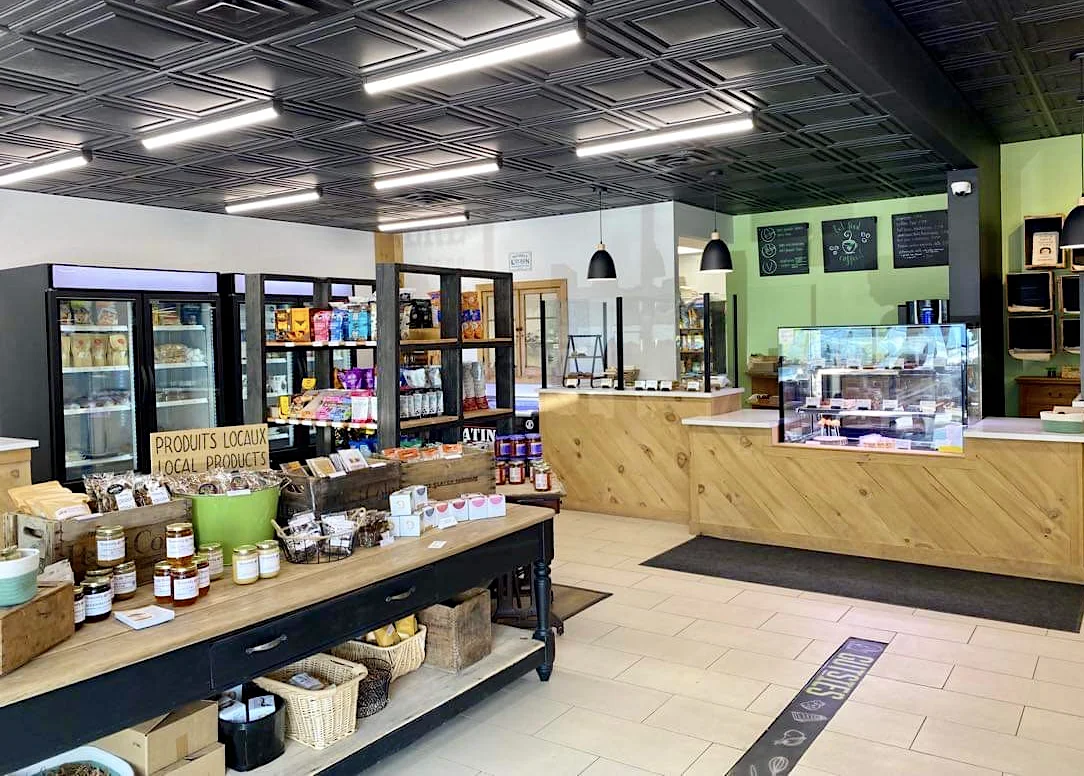
Operating out of Orléans, Gutsies functions as both a boutique bakery and a specialized grocer. Founded by Natasha, a local entrepreneur motivated by her daughter’s celiac diagnosis, the shop bridges a market gap by importing high-quality gluten-free goods from Montreal and Toronto. Their inventory includes hard-to-find frozen items and fresh bread, such as the sought-after products from La Marquise Sans Gluten. This business model highlights the importance of supply chain curation in the gluten-free market.

2 Sprinkles (Formerly 5 Cupcakes)
A family-owned enterprise that transitioned from a traditional bakery to a gluten-free model, 2 Sprinkles focuses on baked—not fried—donuts and specialty breads. Their presence at the Lansdowne Farmers Market demonstrates the shift toward mobile and market-based food distribution for niche dietary products.

Ethnic Cuisines and Naturally Gluten-Free Alternatives
The NCR’s diverse international food scene offers several naturally gluten-free options, though these require careful navigation of marinades and cooking methods.

The Latin American Influence
Latin American cuisine, particularly that of Venezuela, El Salvador, and Mexico, utilizes corn (masa) as a primary starch, making it a fertile ground for celiac-safe options.

- Chicha Canada: Specializes in a traditional rice-based beverage that is naturally gluten-free and dairy-free.
- The Tortilla Maker: An Orléans-based facility that produces fresh corn tortillas and tamales using traditional family recipes, ensuring a lack of wheat fillers.
- Arepas Place and Gooneys: Both establishments focus on the arepa—a corn-flour pocket. These businesses emphasize the use of dedicated grills to prevent contact with gluten-containing items.
- La Cabana: Known for pupusas, a Salvadoran staple made from masa or rice flour, this restaurant provides a clear example of how traditional methods can align with modern dietary needs.
Asian and Mediterranean Innovations
The risk of cross-contamination is traditionally high in Asian kitchens due to the prevalence of soy sauce (which contains wheat) and shared woks. However, several NCR establishments have implemented rigorous safety protocols.

- Social Thai and Siam Bistro: These restaurants are recognized by local advocacy groups for their understanding of celiac-safe preparation, including the use of tamari (gluten-free soy sauce) and dedicated equipment.
- The Greek Souvlaki Shack: This Bank Street staple is a rarity in the Mediterranean sector, offering house-made gluten-free pita and utilizing a dedicated fryer for calamari and fries.
- Thali and Coconut Lagoon: Under the direction of Chef Joe Thottungal, these establishments provide a menu where gluten-containing items are clearly demarcated, allowing celiacs to safely consume the majority of the offerings.
The Poutine and Pub Sector: Overcoming the Shared Fryer
A significant hurdle for celiacs in Canada is the "shared fryer" problem, where potatoes are fried in the same oil as breaded chicken or fish. In the NCR, a few specialized vendors have invested in dedicated fryers to capture the gluten-free market.

Smokin’ R&Rs (Stittsville)
This BBQ and poutine specialist has gained acclaim for its entirely gluten-free poutine menu. By utilizing a dedicated fryer and a wheat-free gravy recipe, they have successfully adapted a Canadian staple for a medically restricted audience.

Little Mac’s
Located on Wellington Street West, Little Mac’s offers a menu of "comfort food" that is almost entirely gluten-free, including fried chicken and waffles. Their practice of preparing wheat-based buns on a separate griddle is a model for hybrid kitchens seeking to accommodate celiac diners without compromising the experience for the general public.
The Role of Dessert and Ice Cream Safety
In the ice cream industry, cross-contamination often occurs via shared scoops or "cookie-crumb" flavors. Two Ottawa leaders have set the regional standard for safety:

- The Merry Dairy: Implements a protocol where staff open fresh tubs of ice cream and use sanitized scoops upon a celiac disclosure. They also produce house-made gluten-free waffle cones, a rarity in the industry.
- Moo Shu Ice Cream: Known for inventive, Asian-inspired flavors, Moo Shu provides clear allergen labeling and ensures that their gluten-free waffle cones are handled with strict adherence to safety standards.
Chronology of the Regional Gluten-Free Evolution
The development of the NCR as a celiac-safe destination has followed a distinct timeline:

- 2017–2019: The "Early Adoption Phase," where pioneering spots like Strawberry Blonde and The Merry Dairy began establishing strict protocols.
- 2020–2022: The "Pandemic Pivot," during which several home-based gluten-free businesses (such as Chamos Grill and 2 Sprinkles) transitioned to brick-and-mortar or formal market stalls.
- 2023–Present: The "Specialization Era," marked by the arrival of highly specific vendors like The Tortilla Maker and the expansion of GFFP (Gluten-Free Food Program) certifications in local restaurants like La Dolce Vita.
Broader Implications and Market Analysis
The growth of celiac-safe dining in Ottawa and Gatineau reflects a broader economic trend: the "veto vote." In group dining scenarios, the individual with the most restrictive dietary needs—often the celiac diner—determines the choice of restaurant for the entire party. Establishments that invest in dedicated equipment and staff training are seeing a return on investment through increased customer loyalty and a capture of this "veto" market.

Furthermore, the rise of "pop-up" businesses like Toronto-based The Bean Sprout and Riz Gluten Free, which periodically service the Ottawa region, indicates that the local demand for safe ethnic food currently outstrips local supply. This suggests a significant opportunity for future entrepreneurs in the NCR to establish permanent, dedicated facilities for gluten-free Chinese and East Asian cuisines.

Conclusion
While the National Capital Region may currently offer fewer celiac-safe options than larger metropolises like Montreal or Toronto, the quality and rigor of its existing establishments are noteworthy. The success of these businesses is largely dependent on the advocacy of local celiac associations and the meticulous research of independent culinary experts. As the industry continues to professionalize its approach to allergens, Ottawa is positioned to become a leading hub for inclusive, medically-safe dining in Canada. Diners are encouraged to remain vigilant, maintain open communication with kitchen staff, and support those establishments that prioritize the health and safety of the celiac community.
