

The sixth episode of Food Network’s high-stakes competition series, Pitmasters, delivered a pivotal transition for the remaining contestants as they concluded the grueling "Core Four" challenge and pivoted to a theme centered on domestic hospitality. This episode, a continuation of the narrative established in the previous week, required the competing duos to finalize a 12-hour brisket cook before facing a new "Big Burn" challenge titled Backyard BBQ. The episode served as a testament to the endurance required in professional barbecue circuits, highlighting the technical complexities of live-fire cooking and the emotional toll of the elimination process.
The Conclusion of the Core Four: The Brisket Turn-In
The episode opened during the final hours of the Core Four challenge, a multi-protein marathon that tests a pitmaster’s versatility across four foundational meats. The final protein in this sequence was brisket, widely considered the most difficult cut of beef to master due to its dense connective tissue and the precision required to render fat without drying out the lean muscle. For contestants Susie Bulloch and Christie Vanover, the challenge was compounded by the constraints of a live-fire environment and a strict 12-hour deadline.

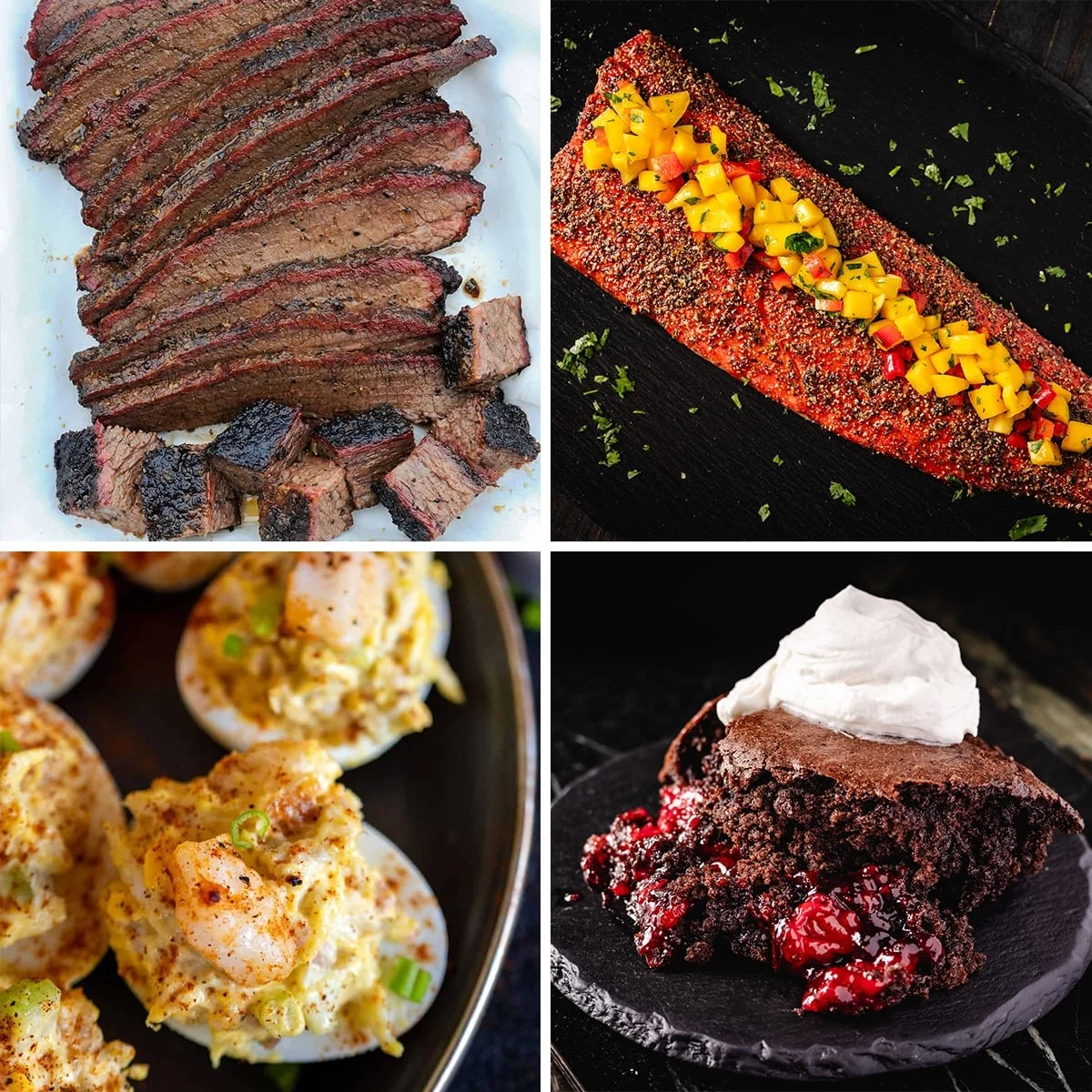
In the world of competitive barbecue, a traditional Texas-style brisket often requires 14 to 16 hours of low-and-slow cooking at temperatures ranging from 225°F to 250°F. Given the time constraints, Bulloch and Vanover opted for a "hot and fast" methodology. This technique involves cooking the meat at higher temperatures, typically between 300°F and 350°F, to accelerate the breakdown of collagen. While this method is increasingly popular in competition circuits for its efficiency, it carries a higher risk of scorching the exterior or failing to achieve the desired tenderness if not monitored with extreme precision. To ensure a traditional aesthetic, the team finished their brisket directly over the live fire to develop a robust "bark"—the flavorful, dark crust formed by the Maillard reaction and smoke particles.
Financial Stakes and Scoring Analysis
The Core Four challenge featured a structured incentive program designed to maintain high intensity throughout the 12-hour period. Each individual protein turn-in offered a $1,000 prize for the top-ranked dish. Furthermore, the team with the highest cumulative score across all four categories—chicken, ribs, pork shoulder, and brisket—was awarded an additional $3,000.
The judging for the brisket round saw Esaul and Grecia take the top honors, securing the $1,000 prize. When the cumulative scores were tallied, the competition reached a stalemate at the top of the leaderboard, with Matt and Max tied with Esaul and Grecia for the overall lead. Although Bulloch and Vanover did not secure a win in any of the individual protein categories, a post-competition analysis revealed a significant achievement in consistency. Their total points across the four rounds placed them as the second-highest scoring team overall. In professional barbecue terminology, this performance is equivalent to the "Reserve Grand Champion" title, a prestigious designation that rewards high-level performance across a diverse menu rather than a single standout dish.

Elimination and the Human Element of Competition
The conclusion of the Core Four challenge necessitated the elimination of one team. Denzel and Reggie were the pair selected to depart, a move that resonated emotionally with the remaining contestants. Host Andrew Zimmern remarked on the familial bond that typically forms among competitors in high-pressure environments. This phenomenon is well-documented in reality television research; the combination of sleep deprivation, shared physical hardship, and mutual professional respect often leads to a "foxhole mentality" among participants.
The departure of Denzel and Reggie left a reduced field to face the next phase of the competition. The transition provided a brief reprieve for the remaining pitmasters, as the show’s producers granted a period of rest before the commencement of the next "Big Burn." This tactical pause is often necessary in culinary competitions to ensure that the quality of output remains high and that the contestants can perform safely around open flames and industrial equipment.
The Big Burn Challenge: The Backyard BBQ
The second half of Episode 6 introduced a challenge that shifted the focus from technical competition standards to the roots of American barbecue: the backyard gathering. The "Big Burn" Backyard BBQ challenge required teams to prepare one central protein and two side dishes. Unlike previous rounds where the audience was limited to a panel of expert judges, this challenge required the teams to cook for both the judges and their fellow competitors. The financial incentive for this round was set at $5,000.

This challenge represents a departure from the "blind judging" standards often used by organizations like the Kansas City Barbeque Society (KCBS). Instead, it emphasized the "hospitality" aspect of cooking—balancing technical skill with the ability to create a cohesive, enjoyable meal for a group.
Menu Strategy and Culinary Execution
Bulloch and Vanover designed a menu intended to reflect their personal brands—Hey Grill Hey and Girls Can Grill, respectively—while catering to the communal nature of the challenge. Their selection included:
Dry Rub Salmon with Mango Salsa
Salmon is a non-traditional choice in many barbecue competitions, which usually favor pork and beef. However, in a backyard setting, it offers a lighter, faster-cooking alternative. The team utilized a complex dry rub consisting of brown sugar, black pepper, coarse sea salt, dried basil, garlic powder, smoked paprika, and lime zest. The fish was cooked over a live fire, leveraging the smoke to complement the natural oils of the salmon. It was topped with a fresh mango salsa (mango, roasted red bell pepper, cilantro, and lime juice) to provide an acidic contrast to the rich protein.

Seafood Salad Deviled Eggs
Deviled eggs are a staple of American picnic culture. To elevate the dish for the competition, Vanover incorporated grilled shrimp and crab meat. The shrimp were subjected to smoke on the grill before being minced and folded into a base of mayonnaise, mustard, celery, shallots, and mashed egg yolks. This dish highlighted the team’s ability to utilize the grill for components beyond the main course.
Mountain Berry Chocolate Cake
For the final side—a dessert—the team prepared a Dutch oven cobbler-style cake. This method is a hallmark of outdoor and campfire cooking. The dish featured a berry filling topped with a chocolate batter that, when baked in the cast-iron Dutch oven, created a textured crust with a molten interior.
Critical Analysis of Judging and Outcomes
The judging for the Backyard BBQ challenge revealed a dichotomy between the peer reviews and the official panel’s assessment. While the fellow competitors expressed high levels of satisfaction with the meal, the judges—Andrew Zimmern and his panel—offered more stringent critiques.

The judges were particularly critical of the Mountain Berry Chocolate Cake. While the dish was presented as a family favorite and a staple of outdoor hospitality, the panel’s expectations for technical perfection in a $5,000 challenge led to a more clinical breakdown of its execution. This highlights a recurring theme in culinary television: the tension between "comfort food" and "competition food." In a professional judging scenario, judges often look for complexity, innovative technique, and perfect textural balance, which can sometimes clash with the rustic, simple nature of traditional backyard recipes.
Ultimately, Bulloch and Vanover did not win the $5,000 prize for this round. The results underscored the difficulty of translating personal, high-sentiment recipes into a format that satisfies professional critics who are tasked with finding flaws in a field of high-level talent.
Broader Implications for the Barbecue Industry
The appearance of established figures like Susie Bulloch and Christie Vanover on Pitmasters reflects the evolving landscape of the barbecue industry. Both women have built significant digital platforms—Bulloch through her recipe site and product line, and Vanover through her competition success and educational content. Their participation in a Food Network series bridges the gap between the traditional, male-dominated world of competition barbecue and the modern, digital-first culinary world.

The episode also highlights the increasing popularity of live-fire cooking as a distinct discipline from traditional smoking. By requiring contestants to work over open flames rather than in temperature-controlled smokers, the show emphasizes the primal, manual skills of heat management. This trend mirrors a broader movement in the restaurant industry toward wood-fired cooking and "open kitchen" concepts that prioritize transparency and sensory experience.
As Pitmasters moves toward its final episodes, the stakes continue to escalate. Episode 6 served as a reminder that consistency and technical adaptability are the primary requirements for survival in a field where a single misstep in a side dish can overshadow a successful protein. The remaining teams must now navigate the final hurdles of the competition, balancing their personal culinary identities with the rigorous demands of the Food Network stage.
