

This post may contain affiliate links. Please read our disclosure policy.
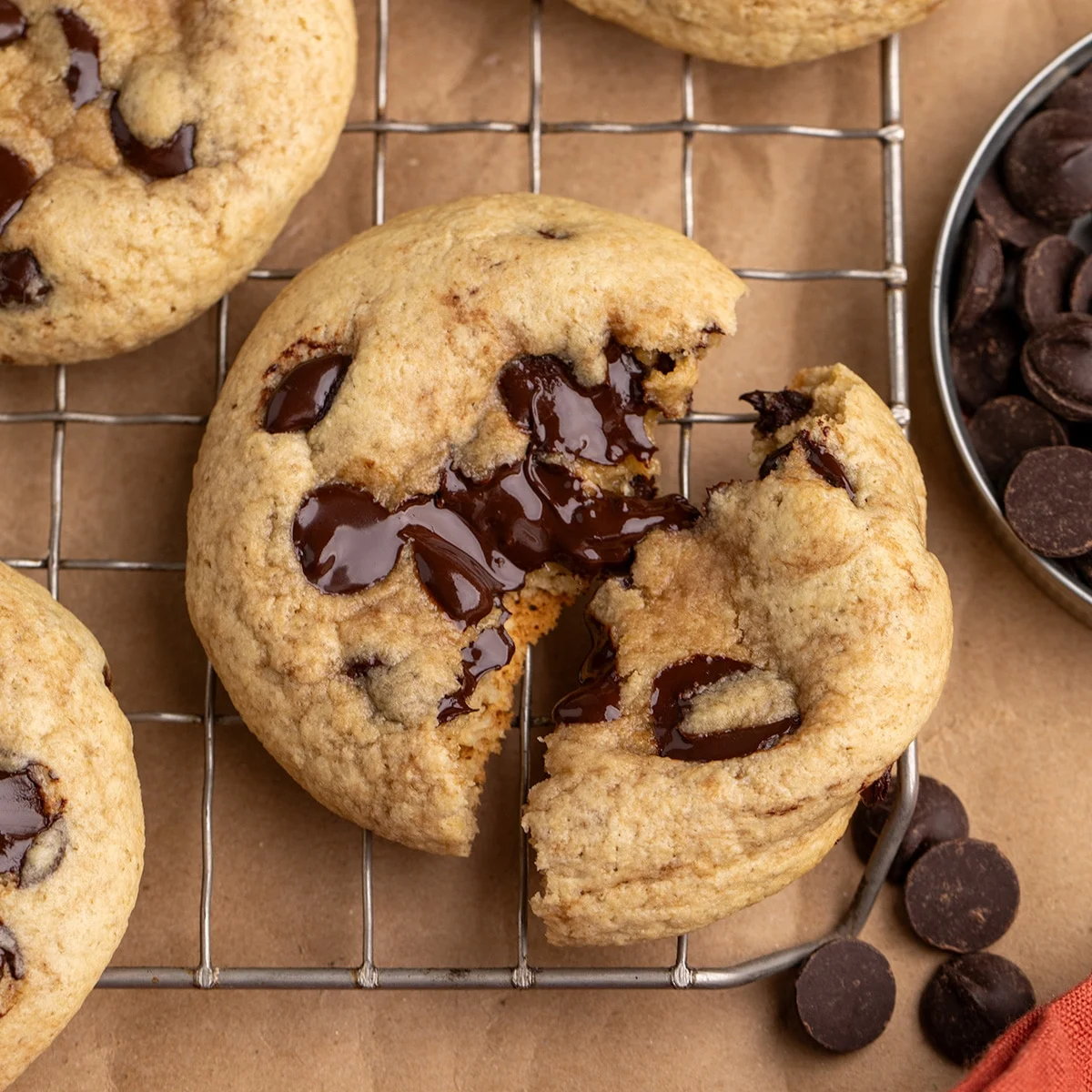
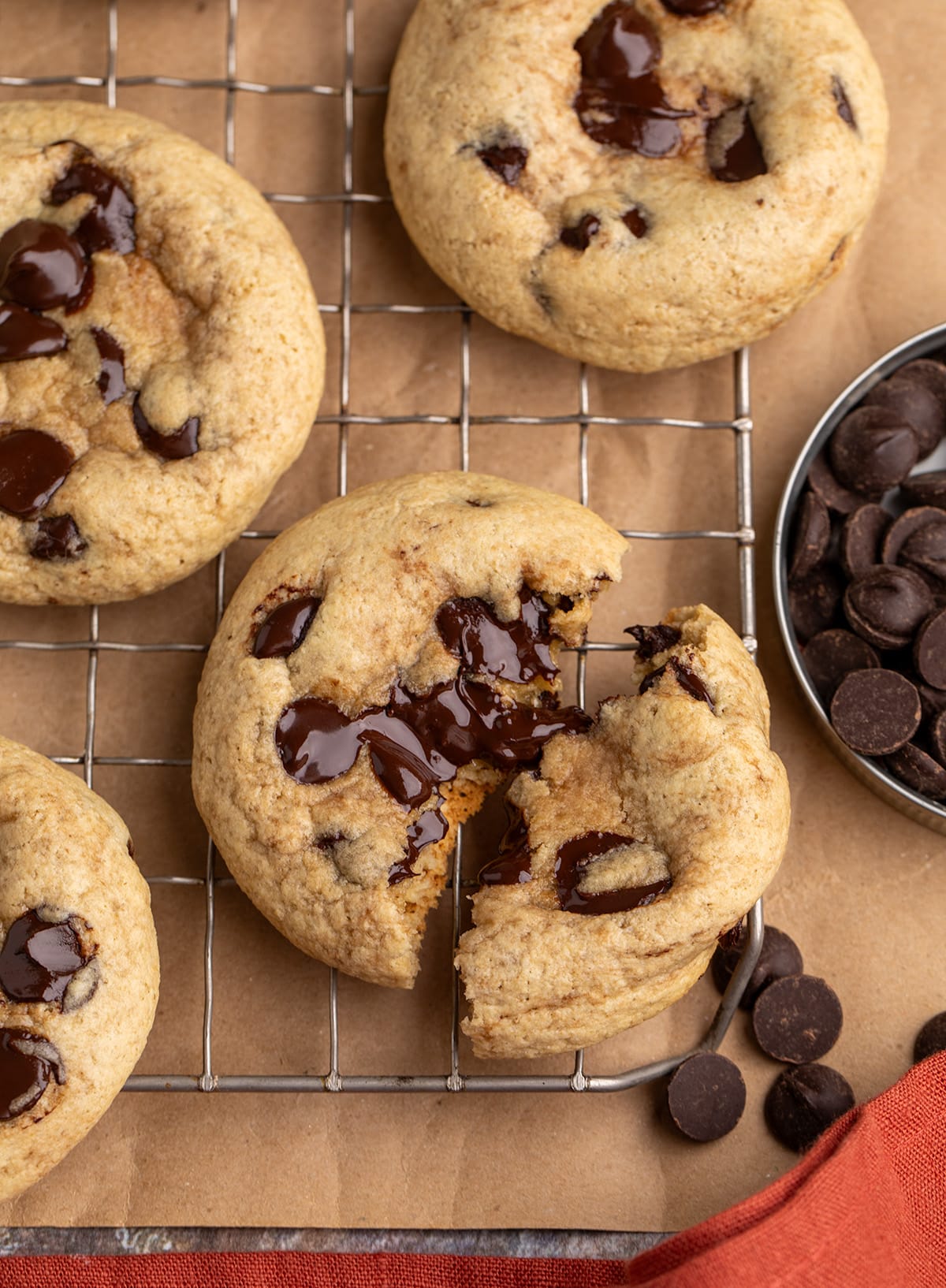
In the ever-evolving landscape of health-conscious baking, the quest for treats that are both indulgent and beneficial can often feel like a culinary tightrope walk. However, a recent development in recipe innovation promises to bridge this gap, offering a delightful solution for those seeking a protein-packed, yet classic, chocolate chip cookie experience. These new chocolate chip protein cookies are being lauded for their surprisingly traditional flavor profile, boasting a buttery texture, subtle sweetness, and a satisfying chew, all while delivering a substantial 10 grams of protein per serving. The key differentiator, according to culinary experts, lies in their ingenious use of protein powder as the primary protein source, a departure from common recipes that rely heavily on nut butters. This strategic choice allows the cookies to retain the authentic taste and texture of a beloved homemade treat, with the protein boost serving as a secondary, yet significant, benefit.
The Science Behind the Success: Why These Cookies Stand Out
The success of these chocolate chip protein cookies can be attributed to a carefully balanced approach to ingredient selection and preparation, addressing common pitfalls associated with protein-enhanced baked goods. Unlike many protein cookies that can suffer from a dry, chalky texture due to the inherent properties of protein powder, this recipe employs a masterful combination of finely ground oat flour, melted butter, and eggs. These elements work in concert to ensure a soft, chewy interior that is far removed from the often-undesirable texture of conventional protein snacks.

A critical aspect of achieving this desired outcome is the baking process itself. The recipe emphasizes a precise baking time, recommending that the cookies be removed from the oven when their centers are still slightly underbaked, with only the edges showing a hint of golden brown. This technique leverages residual heat to complete the baking process as the cookies cool, a method that is paramount in preserving moisture and preventing the protein powder from becoming overly dry or developing a chalky mouthfeel. The result is a cookie that genuinely tastes like a classic chocolate chip cookie first, and a protein-enhanced treat second, a testament to thoughtful recipe development.
Key Ingredients for a Protein-Rich Indulgence
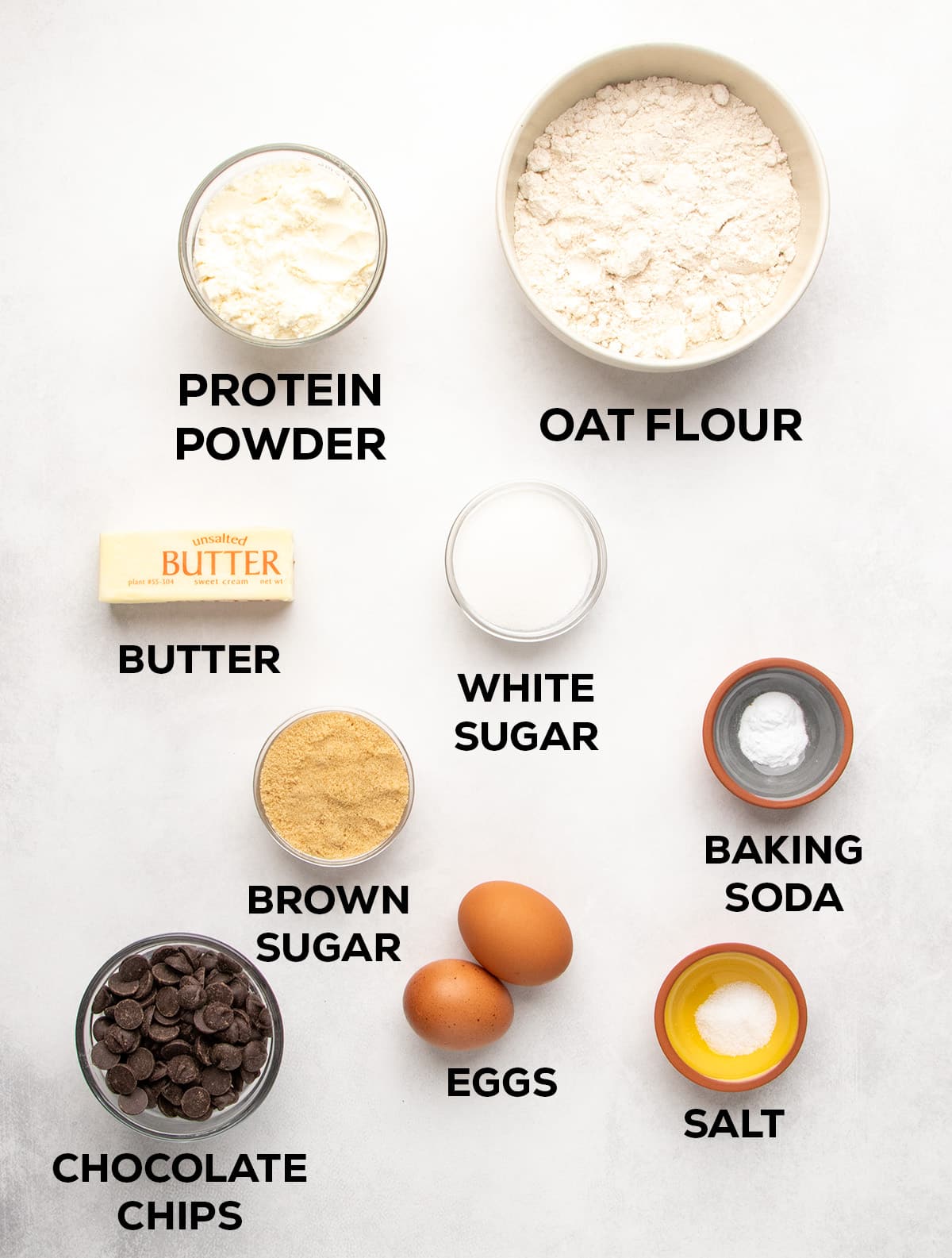
Crafting these exceptional protein cookies requires a specific set of ingredients, each playing a vital role in the final texture and flavor. For precise measurements, the full recipe card is available. The core components include:
- Protein Powder: The primary source of protein, carefully selected to complement, rather than overpower, the cookie’s flavor. Options for substitution are explored below, catering to various dietary needs.
- Oat Flour: Finely ground oat flour contributes to the soft and chewy texture, providing a base that absorbs moisture effectively and prevents the dryness often associated with high-protein baking.
- Butter: Melted butter lends richness and a classic buttery flavor, crucial for replicating the taste of traditional chocolate chip cookies.
- Eggs: Eggs bind the ingredients together, contribute to the structure, and add moisture, further enhancing the cookie’s tender crumb.
- Sugars (White and Brown): A combination of white and brown sugar is used to achieve the perfect balance of sweetness and chewiness. Brown sugar, in particular, contributes to moisture and a richer flavor profile.
- Baking Soda: Acts as a leavening agent, helping the cookies to spread and achieve a desirable texture.
- Salt: Enhances the overall flavor profile and balances the sweetness.
- Chocolate Chips: The quintessential addition, providing pockets of melted chocolate throughout the cookie.
For those seeking alternative protein-rich baked goods, a recipe for peanut butter protein cookies is also available, offering a different flavor profile while maintaining a significant protein content.
A Step-by-Step Guide to Baking Perfection
The creation of these chocolate chip protein cookies is a straightforward process, guided by clear instructions and visual cues to ensure success at every stage.
1. Combining Dry Ingredients:
The initial step involves thoroughly whisking together the oat flour, protein powder, both white and brown sugars, baking soda, and salt. This ensures an even distribution of all dry components, preventing any concentrated pockets of leavening agents or salt. Any lumps in the brown sugar should be broken up at this stage to ensure uniformity in the dough.
2. Incorporating Wet Ingredients:
A well is created in the center of the dry ingredients, where the melted butter and beaten eggs are added. This method helps to contain the wet ingredients, minimizing mess, and facilitates a quick and even incorporation into a thick dough. This approach also helps to prevent overmixing, which can lead to a tough or stringy batter.
3. Adding Chocolate Chips:
The majority of the chocolate chips are then mixed into the dough, ensuring they are evenly dispersed throughout. A portion of the chips are reserved to be pressed onto the tops of the cookies before baking, allowing for a visually appealing finish with visible melted chocolate.
4. Portioning the Dough:
Using a medium-sized spring-loaded ice cream scoop or two spoons, portions of dough are measured out. Each portion should be approximately 1.5 tablespoons, weighing around 2.25 ounces. Consistent portion sizes are crucial for ensuring that all cookies bake evenly and finish at the same time.
5. Shaping the Cookies:
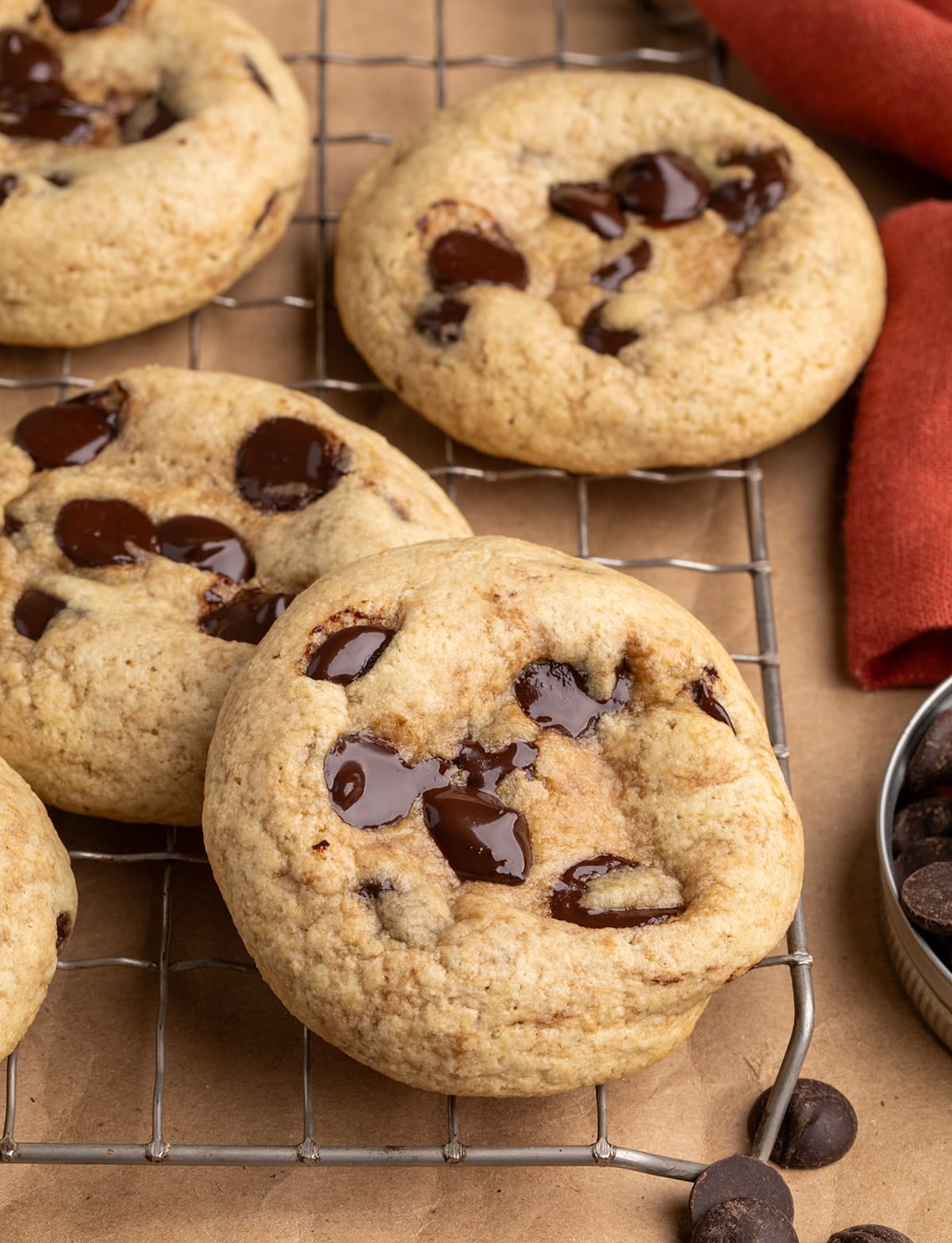
Each dough portion is rolled into a smooth ball between the palms of the hands. This creates cookies with uniformly rounded tops that bake into well-shaped rounds. The reserved chocolate chips are then pressed gently onto the top of each dough ball, creating an enticing visual element.
6. Baking to Optimal Doneness:
The cookies are baked at 325°F (163°C) for approximately 9 minutes. The key here is to remove them when they appear almost fully set in the center, with only the edges showing slight browning. Over-baking will result in a drier cookie, diminishing the desired soft and chewy texture.
Navigating Substitutions for Dietary Needs
For individuals with specific dietary requirements, several substitutions can be made to adapt this recipe without compromising its integrity.
Dairy-Free Adaptations
To make these cookies dairy-free, block-style vegan butter, such as Melt or Miyoko’s brand, can be used as a direct substitute for butter. For the protein component, collagen peptides, such as Vital Proteins or Perfect Hydrolyzed Collagen Peptides, can be employed as an alternative to whey protein isolate, though the texture and flavor profile may vary slightly. Alternatively, your favorite flavored protein powder, like Vega essentials chocolate flavor, can be used, but be mindful that additional ingredients in flavored powders might influence the final outcome. For a dairy-free protein snack that doesn’t require protein powder, consider the author’s recipe for protein balls, which offer approximately 6 grams of protein each.
Oat-Free Alternatives
For those who cannot consume oats, several options exist. Quinoa flakes, ground into a fine flour, can serve as a suitable substitute. Additionally, exploring other gluten-free oat substitutes or using super finely ground and sifted almond flour, such as from Blue Diamond or Wellbee’s, are viable alternatives.
Egg-Free Baking
In place of the two eggs, a "chia egg" can be used, prepared by mixing 2 tablespoons of ground white chia seeds with 4 tablespoons of lukewarm water and allowing it to gel. Other effective egg replacers include Bob’s Red Mill egg replacer or JustEgg liquid refrigerated egg replacer.
Sugar Alternatives
While sugar alternatives like those from the Lakanto brand can be used, it is important to note that sugar plays a crucial role in moisture retention in baked goods. Consequently, using sugar alternatives may result in a drier cookie texture.
Storage and Shelf Life
These delectable chocolate chip protein cookies can be stored in an airtight container at room temperature for approximately five days. For longer preservation, they can be frozen in a freezer-safe zip-top bag for up to three months. When consuming frozen cookies, allow them to defrost for a short period to ensure the chocolate chips are not excessively hard.

The nutritional information for these cookies indicates approximately 284 calories, 28g of carbohydrates, 10g of protein, and 15g of fat per serving. These figures are automatically calculated and should be considered approximate. The development of such recipes highlights a growing trend in the food industry towards creating products that cater to both taste preferences and health-conscious choices, making nutritious eating more accessible and enjoyable.
