

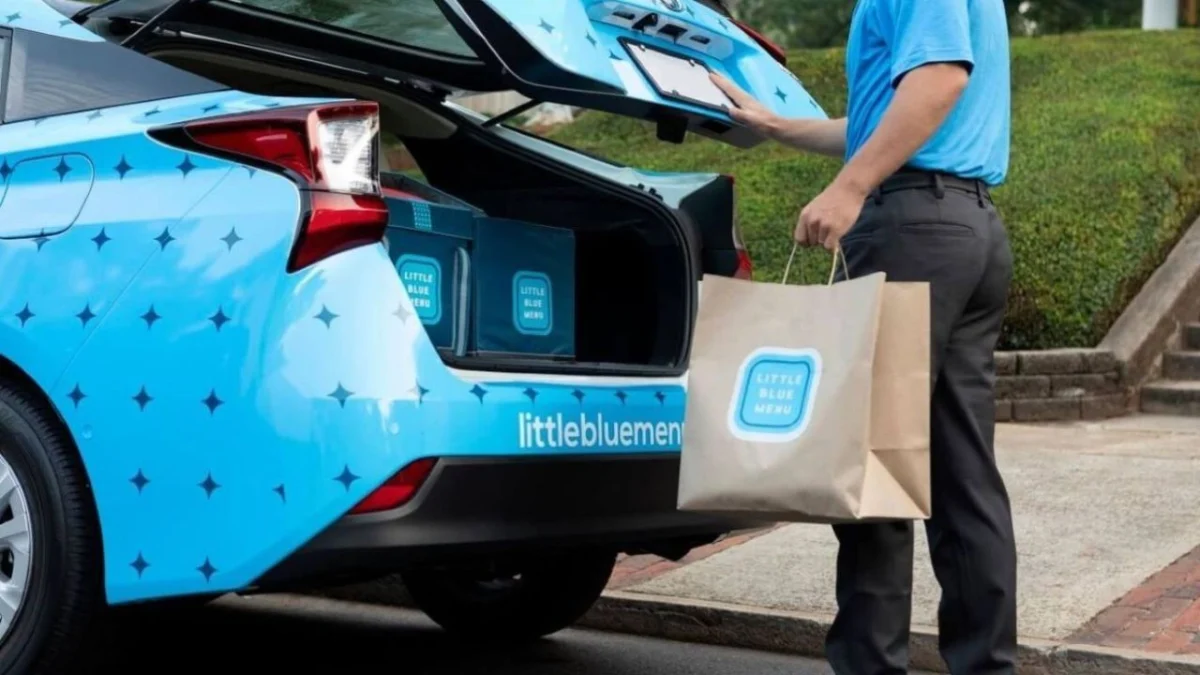
Chick-fil-A’s innovative delivery-focused concept, Little Blue Menu, is set to conclude its five-year experimental run with the transition of its sole remaining location in College Park, Maryland, into a traditional Chick-fil-A restaurant in January 2027. This strategic shift marks the end of a significant chapter in the fast-food giant’s exploration of alternative service models and culinary ventures beyond its core offerings.
The Genesis and Evolution of Little Blue Menu
Little Blue Menu first emerged in Nashville in 2021, aiming to redefine the drive-thru and delivery experience. The concept was designed to test a broader culinary spectrum, moving beyond Chick-fil-A’s signature chicken sandwiches. Initial offerings included adventurous items such as pizzas topped with Chick-fil-A nuggets, alongside burgers, onion rings, and chicken wings. This initial foray into diverse menu experimentation was housed under three distinct virtual restaurant brands: Garden Day, Flock & Farm, and Outfox Wings. The Nashville location, however, operated for a limited period, closing its doors in 2023.
Following the Nashville experiment, the concept found a new home in College Park, Maryland, later in 2023. This iteration of Little Blue Menu focused on optimizing delivery, mobile pickup, and catering services, with all orders facilitated through the Chick-fil-A app or popular third-party delivery platforms. This pivot underscored the growing importance of digital channels in the quick-service restaurant landscape. In a notable development in late 2023, the College Park location introduced a physical dining room, signaling a potential shift towards a more hybrid service model that integrated the convenience of digital ordering with the traditional in-restaurant dining experience. This addition allowed customers to enjoy their meals on-site, offering a more comprehensive customer engagement strategy.
Strategic Rationale and Company Confirmation
The decision to transition the College Park location into a standard Chick-fil-A restaurant was first reported by Streetcar Suburbs this week. A company spokesperson confirmed the development to Nation’s Restaurant News, stating, "Since its inception five years ago, Little Blue Menu was designed as a test-and-learn concept. After several successful years exploring new ways to serve guests, the location in College Park will transition to a traditional Chick-fil-A restaurant in 2027. We are grateful to remain part of the College Park community and look forward to sharing more soon."
This statement highlights Chick-fil-A’s commitment to a strategic, data-driven approach to innovation. The "test-and-learn" methodology allows the company to gauge the viability and customer reception of new concepts with calculated risk. The success of Little Blue Menu, in terms of gathering valuable consumer insights and operational data, appears to have informed this decision to integrate its learnings into the established Chick-fil-A brand.
A Broader Landscape of Chick-fil-A Ventures
The Little Blue Menu initiative is not an isolated endeavor for Chick-fil-A. The company, through its subsidiary Red Wagon Ventures, has a history of launching and testing a diverse portfolio of concepts designed to explore new market opportunities and customer engagement strategies. Founded in January 2017, Red Wagon Ventures operates with a mandate to develop ventures that extend beyond Chick-fil-A’s core restaurant business.
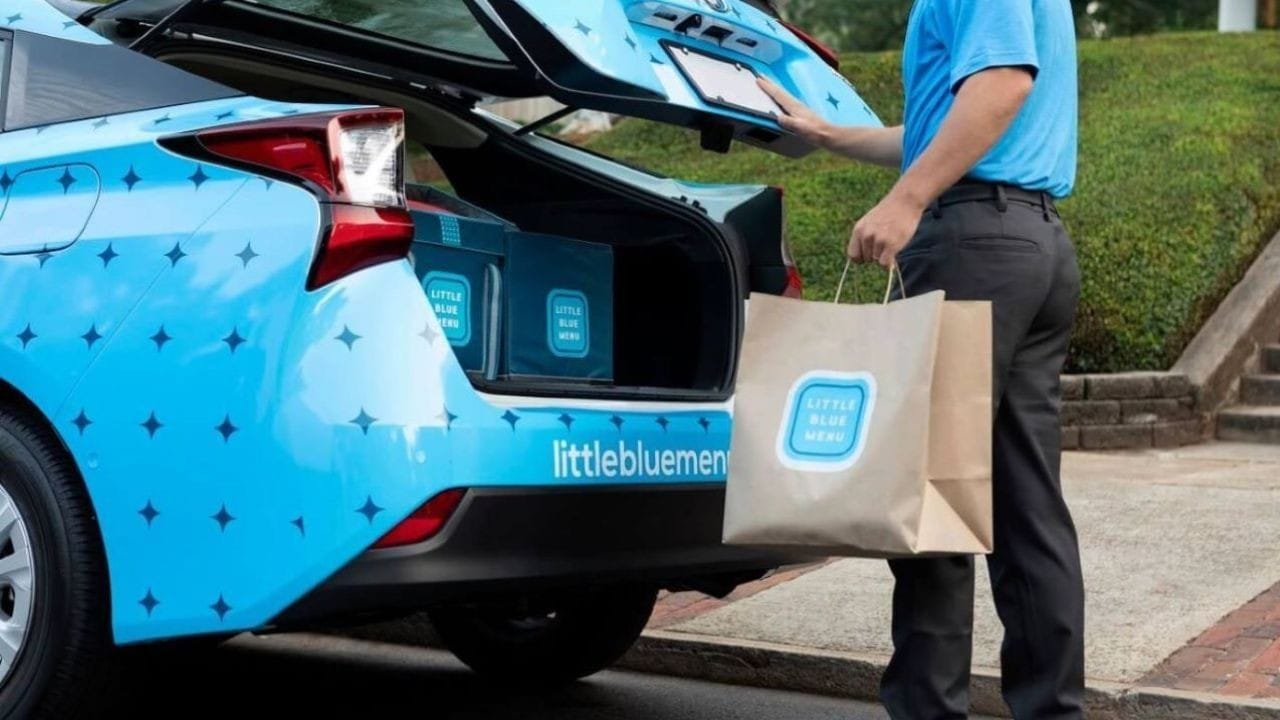
Among these ventures, Daybright, a beverage-focused concept, opened in Hiram, Georgia, approximately 30 miles west of downtown Atlanta, about a year ago. This concept further illustrates Chick-fil-A’s interest in niche market segments and specialized dining experiences.
Another notable venture under Red Wagon Ventures was Kefi, a family club concept that included a toy store, coffee shop, and daycare. Kefi opened in 2019 but ceased operations in 2021, underscoring the dynamic and sometimes challenging nature of developing new consumer-facing businesses. Additionally, Red Wagon Ventures has ventured into the home services sector with Acrew Home Professionals, a company catering to homeowners in the Atlanta area. These diverse initiatives demonstrate a broad strategic vision for Red Wagon Ventures, encompassing hospitality, retail, and service industries, all with the aim of fostering innovation and identifying future growth avenues.
The Role of Food Trucks and Culinary Experimentation
In 2023, Little Blue Menu also engaged in a food truck tour that traversed Kentucky, Indiana, and Georgia. This mobile approach allowed the brand to reach a wider audience, gather direct customer feedback in various geographic locations, and test menu items in different market conditions. The food truck initiative served as a dynamic extension of the "test-and-learn" strategy, providing real-time data on consumer preferences and operational logistics in a flexible format. While Little Blue Menu experimented with unique culinary creations, it consistently offered traditional Chick-fil-A menu items, ensuring a familiar entry point for many customers and a baseline for comparison. This dual approach allowed for both novelty and consistency in its market testing.
Analysis of Implications and Future Outlook
The closure and transition of Little Blue Menu represent a common outcome for experimental restaurant concepts. The rapid evolution of consumer preferences, the competitive landscape, and the complexities of operational scaling often present significant challenges. For Chick-fil-A, the value of Little Blue Menu likely lies less in its direct profitability and more in the intelligence gathered. The insights gained from its operation—understanding customer demand for off-premise dining, the appeal of expanded menus, and the effectiveness of digital ordering platforms—are invaluable for informing future strategic decisions.
The integration of the College Park location into a traditional Chick-fil-A restaurant suggests that the core brand remains the most potent vehicle for growth and market penetration. However, the learnings from Little Blue Menu may subtly influence the evolution of standard Chick-fil-A locations. This could manifest in enhanced digital ordering capabilities, refined catering services, or even the potential for localized menu variations in the future, drawing inspiration from the experimental offerings.
Chick-fil-A’s ongoing commitment to innovation, as evidenced by Red Wagon Ventures and other test concepts, indicates that the company will continue to explore new frontiers. The insights derived from Little Blue Menu will undoubtedly contribute to the company’s strategic roadmap, ensuring that its growth remains informed by a deep understanding of evolving consumer behavior and market dynamics. The success of any restaurant chain hinges on its ability to adapt, and Chick-fil-A’s systematic approach to testing and learning positions it well for continued relevance and expansion in the dynamic food service industry.
The transition of Little Blue Menu is not a failure, but rather a successful phase within a larger strategic framework of innovation and market exploration. The data and experience acquired will likely shape future initiatives, reinforcing Chick-fil-A’s reputation for thoughtful growth and customer-centric development. The company’s ability to learn from its experiments and integrate those learnings into its core business model is a key factor in its sustained success. As the College Park location prepares for its transformation, the broader restaurant industry will be watching to see how Chick-fil-A continues to leverage its innovative spirit to meet the ever-changing demands of consumers.
