

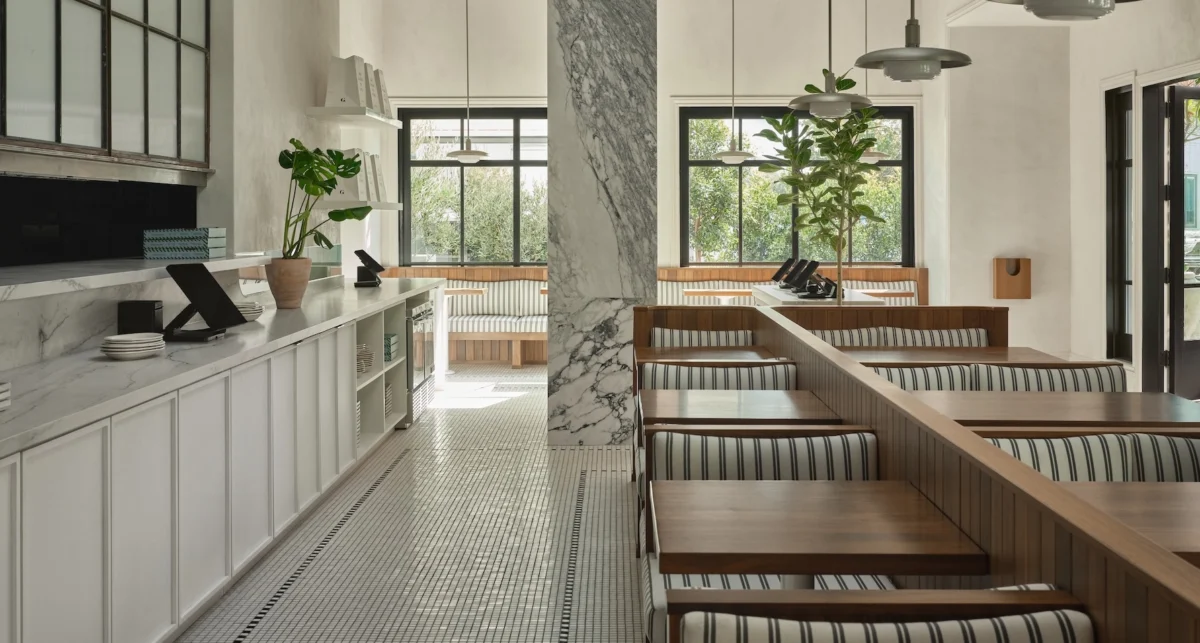
Goop Kitchen, the health-conscious culinary venture backed by actress Gwyneth Paltrow, has officially transitioned from its primarily virtual operational model to a physical dine-in restaurant experience. The brand, known for its commitment to "clean" eating, announced the grand opening of its inaugural brick-and-mortar establishment in the One Paseo shopping center, located in the affluent Del Mar neighborhood of San Diego, California. This strategic move signifies a significant evolution for Goop Kitchen, which has steadily built its presence across California and New York through a network of delivery and pickup-focused ghost kitchens since its inception in Los Angeles in 2021. The new San Diego location aims to offer a more immersive dining experience, blending the brand’s signature healthful menu with an exclusive in-restaurant offering and a thoughtfully designed ambiance.
The establishment of a physical restaurant represents a crucial step in Goop Kitchen’s growth trajectory, signaling a desire to connect with consumers on a deeper level and capitalize on the evolving landscape of the restaurant industry. While the digital realm has proven a fertile ground for the brand’s expansion, the tangible presence of a dine-in space allows for greater control over the customer experience, from food presentation and service to the overall atmosphere. This expansion into San Diego, a market already showing a strong affinity for health-conscious dining and an active lifestyle, underscores Goop Kitchen’s strategic foresight.
From Virtual Kitchens to Physical Dining: A Strategic Evolution
Goop Kitchen’s journey began as a digital-first enterprise, leveraging the burgeoning trend of food delivery and pickup services. Initially launched in Los Angeles, the brand rapidly expanded its footprint, establishing a considerable presence with 15 operational outlets across California and an additional three in New York. This virtual model allowed Goop Kitchen to efficiently reach a broad customer base without the substantial overhead associated with traditional brick-and-mortar restaurants. The brand’s success in this space is a testament to its ability to adapt to changing consumer habits and capitalize on the convenience offered by on-demand food services.
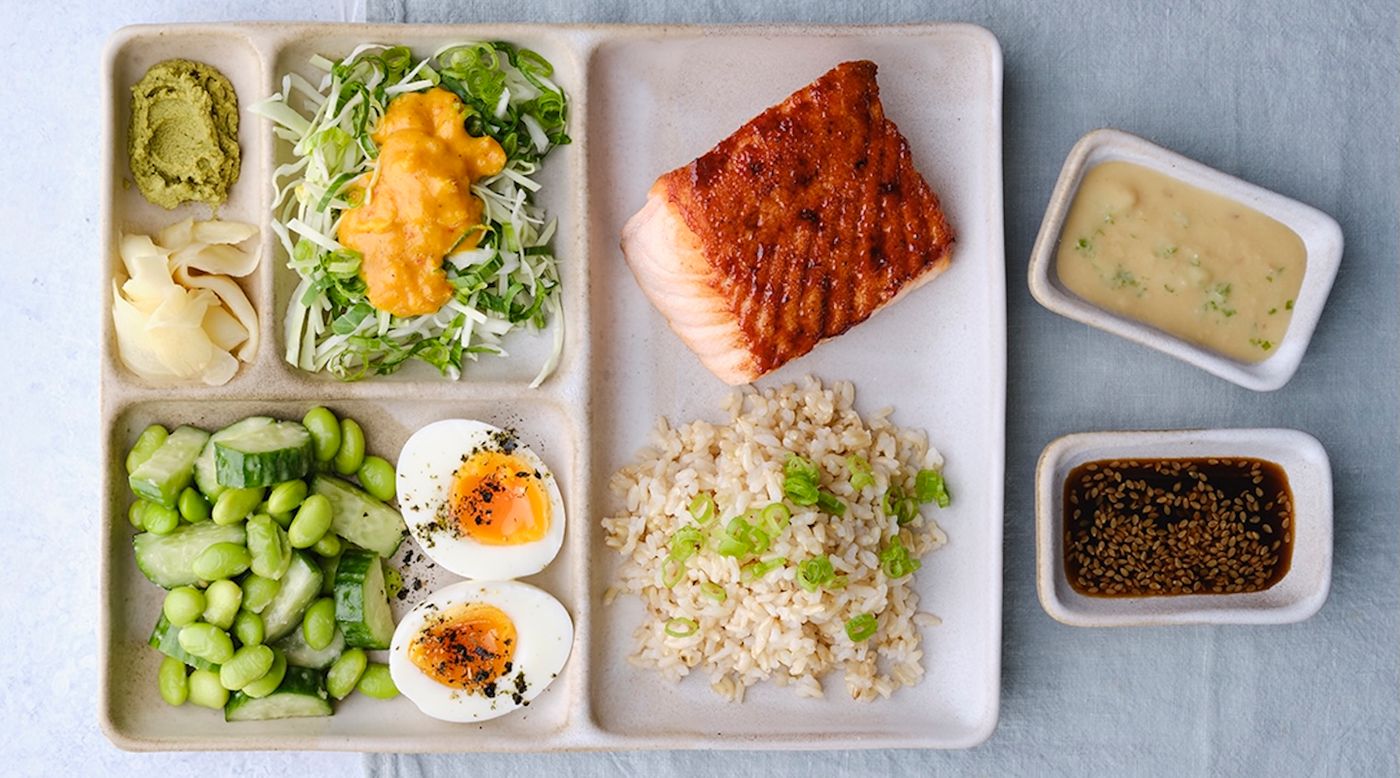
However, the opening of the San Diego dine-in restaurant marks a deliberate pivot. This new venture is not merely an extension of its existing delivery infrastructure but a comprehensive dining destination. The restaurant boasts 92 seats, providing a comfortable and inviting setting for patrons to enjoy their meals. While the core menu remains consistent with what is available for online ordering – featuring Goop’s signature "clean" ingredients devoid of refined sugar, seed oils, or processed additives – the dine-in location introduces a selection of exclusive dishes. These new culinary creations are designed to enhance the in-restaurant experience and offer patrons unique gastronomic delights not accessible through delivery.
Among the highlighted new menu items are the "Field of Greens salad pizza," a visually appealing and flavorful dish combining pesto, garlic confit, mozzarella, and parmesan atop a pizza crust, finished with fresh arugula. For beverages, patrons can indulge in the "Strawberry-Goji Berry Palmer" and a refreshing "Passion Fruit Lemonade," further differentiating the dine-in experience from its virtual counterparts. These additions reflect a commitment to innovation and a desire to provide added value to customers who choose to dine on-site.
San Diego: A Market Ripe for Goop’s Healthful Cuisine
The choice of San Diego as the site for Goop Kitchen’s first dine-in restaurant is a calculated strategic decision. The city’s demographic profile and lifestyle trends align closely with Goop’s brand ethos. San Diego is renowned for its active population, its emphasis on outdoor living, and a growing consumer base that prioritizes health and wellness. This creates a fertile ground for Goop Kitchen’s unique selling proposition: food that is not only delicious but also supports a healthy lifestyle.
Donald Moore, Co-CEO of Goop Kitchen, articulated this sentiment in a statement, emphasizing San Diego’s "natural fit" for the brand. "It’s a community that values great food, an active lifestyle, and meaningful time with family and friends," Moore stated. He further elaborated on the selection of One Paseo as the ideal location, describing it as a "beautiful gathering place for families, friends, and neighbors, and the kind of environment where people want to slow down, connect, and enjoy a meal together." This vision highlights Goop Kitchen’s aspiration to be more than just a place to eat; it aims to be a destination for community and connection, fostering a sense of belonging around healthful dining.
The One Paseo shopping center itself is a contemporary and upscale destination, attracting a demographic that aligns with Goop’s target audience. Its curated mix of retail, dining, and entertainment options creates an environment conducive to leisurely visits and social gatherings, further enhancing the appeal of Goop Kitchen’s dine-in offering.
Design and Ambiance: A Reflection of the Goop Brand
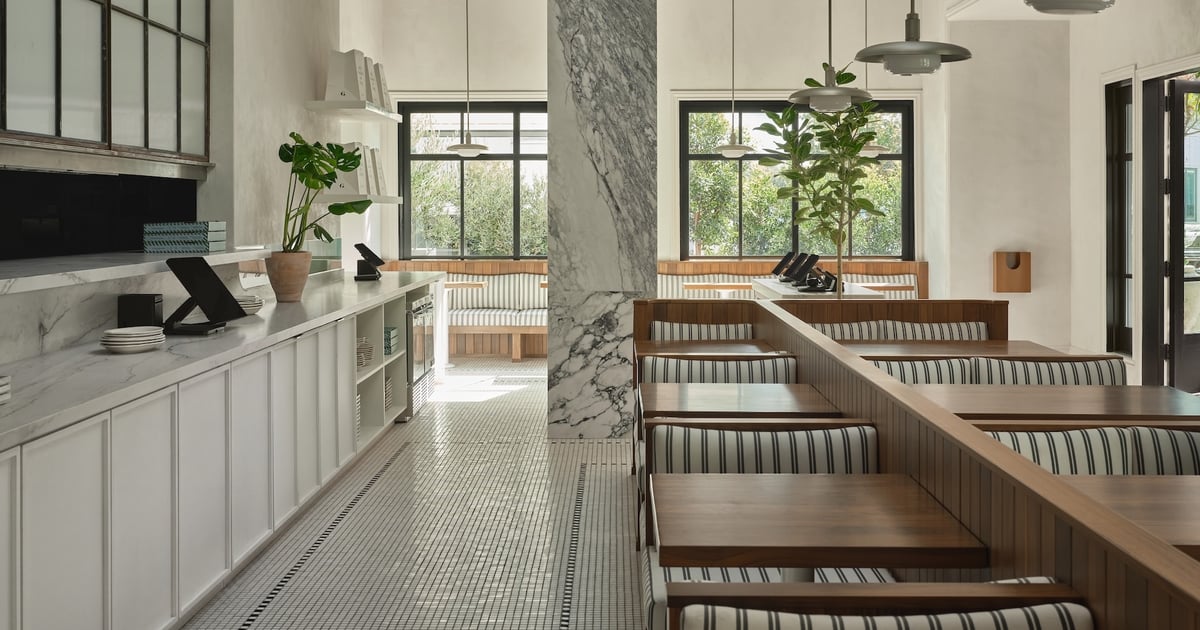
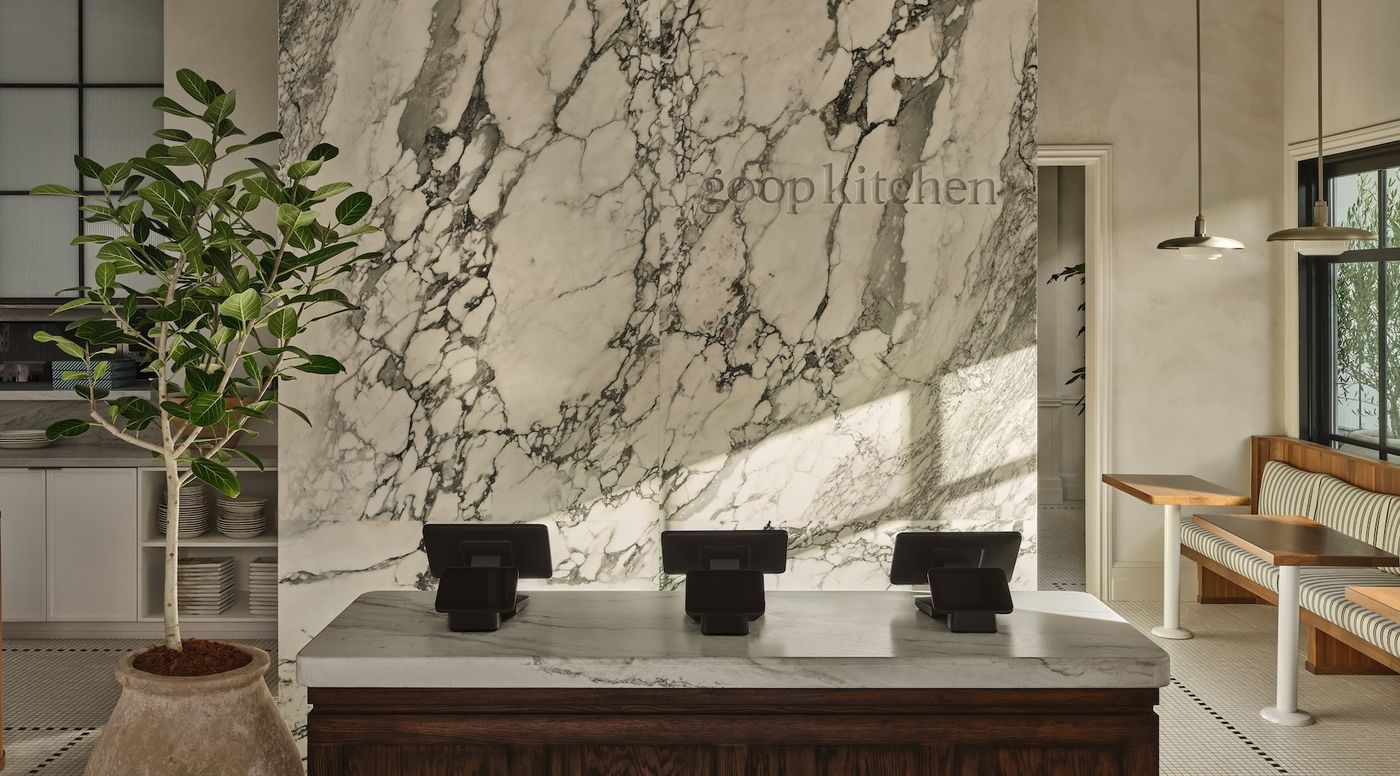
The interior design of the Goop Kitchen restaurant was a collaborative effort, involving Gwyneth Paltrow herself and the acclaimed architectural firm Michael Hsu Architecture. This partnership aimed to translate the Goop brand’s aesthetic and values into a physical space. While specific design details were not extensively elaborated upon in the initial announcement, the involvement of Paltrow suggests an emphasis on a refined, minimalist, and aesthetically pleasing environment that reflects the brand’s association with wellness, mindfulness, and sophisticated living. The visual cues from the provided images suggest a bright, airy, and modern space, likely incorporating natural elements and a palette that evokes tranquility and health.
The design of a restaurant is a critical component of the overall customer experience, especially for a brand like Goop, which has built its reputation on a holistic approach to well-being. The physical space is intended to be an extension of the brand’s philosophy, creating an atmosphere that complements the healthful food and encourages patrons to relax and engage with the dining experience.
A Phased Expansion Strategy in San Diego
The opening of the Del Mar location is just the beginning of Goop Kitchen’s planned expansion within the San Diego market. The company has indicated its intention to open additional locations in La Jolla and the city’s downtown area. The nature of these future establishments – whether they will also feature dine-in capabilities or revert to the brand’s established virtual kitchen model – remains to be clarified. However, this multi-pronged approach suggests a robust commitment to establishing a significant presence in San Diego, catering to diverse consumer needs and preferences across different neighborhoods.
This phased expansion strategy allows Goop Kitchen to test the market, gather valuable consumer feedback, and refine its operational model in a new geographical territory before committing to further large-scale investments. It also provides flexibility in adapting to local market dynamics and consumer demands.
The Goop Philosophy: Clean Eating and Holistic Wellness
Goop Kitchen’s culinary philosophy is deeply rooted in the broader Goop brand, which was founded by Gwyneth Paltrow in 2008 as a lifestyle newsletter. Initially focused on wellness, beauty treatments, and self-care, Goop has evolved into a multifaceted media and e-commerce company. The extension into Goop Kitchen was a natural progression, aiming to bring the brand’s commitment to clean living and mindful consumption to the realm of food.
The core tenets of Goop Kitchen’s menu revolve around "clean" ingredients. This translates to a deliberate avoidance of refined sugars, seed oils, and processed additives. The emphasis is on fresh, whole foods, prepared with a focus on nutritional value and flavor. This commitment resonates with a growing segment of the population that is increasingly health-conscious and seeking transparent food sourcing and preparation methods. The brand’s positioning within the wellness industry, coupled with its celebrity endorsement, has undoubtedly contributed to its appeal and market penetration.
Broader Implications for the Restaurant Industry
The expansion of Goop Kitchen into the dine-in restaurant sector carries several implications for the broader restaurant industry. Firstly, it demonstrates the viability of established virtual brands transitioning to physical spaces, especially when backed by strong brand recognition and a clear market niche. This could inspire other successful ghost kitchen operators to explore similar avenues for growth and customer engagement.
Secondly, the move highlights the enduring appeal of the "health and wellness" dining trend. As consumers become more educated about the impact of food on their health, brands that prioritize clean ingredients and transparent practices are likely to continue to thrive. Goop Kitchen’s success in this area could encourage further innovation and specialization within the healthy food segment.
Thirdly, the strategic use of a well-designed physical space as an extension of the brand experience underscores the importance of ambiance and customer engagement in a competitive market. In an era where convenience is paramount, creating a compelling reason for customers to dine in – beyond just the food itself – is crucial for long-term success.
Finally, the continued growth of brands like Goop Kitchen in the San Diego market reflects the region’s status as a hub for health-conscious consumers and innovative culinary concepts. This trend is likely to attract further investment and development in the local food scene, fostering a dynamic and evolving gastronomic landscape. The integration of celebrity influence with culinary entrepreneurship, as exemplified by Goop Kitchen, also continues to be a significant force in shaping consumer preferences and market trends. As Goop Kitchen solidifies its presence in San Diego, its journey will be closely watched as a bellwether for the future of integrated digital and physical dining experiences.
