

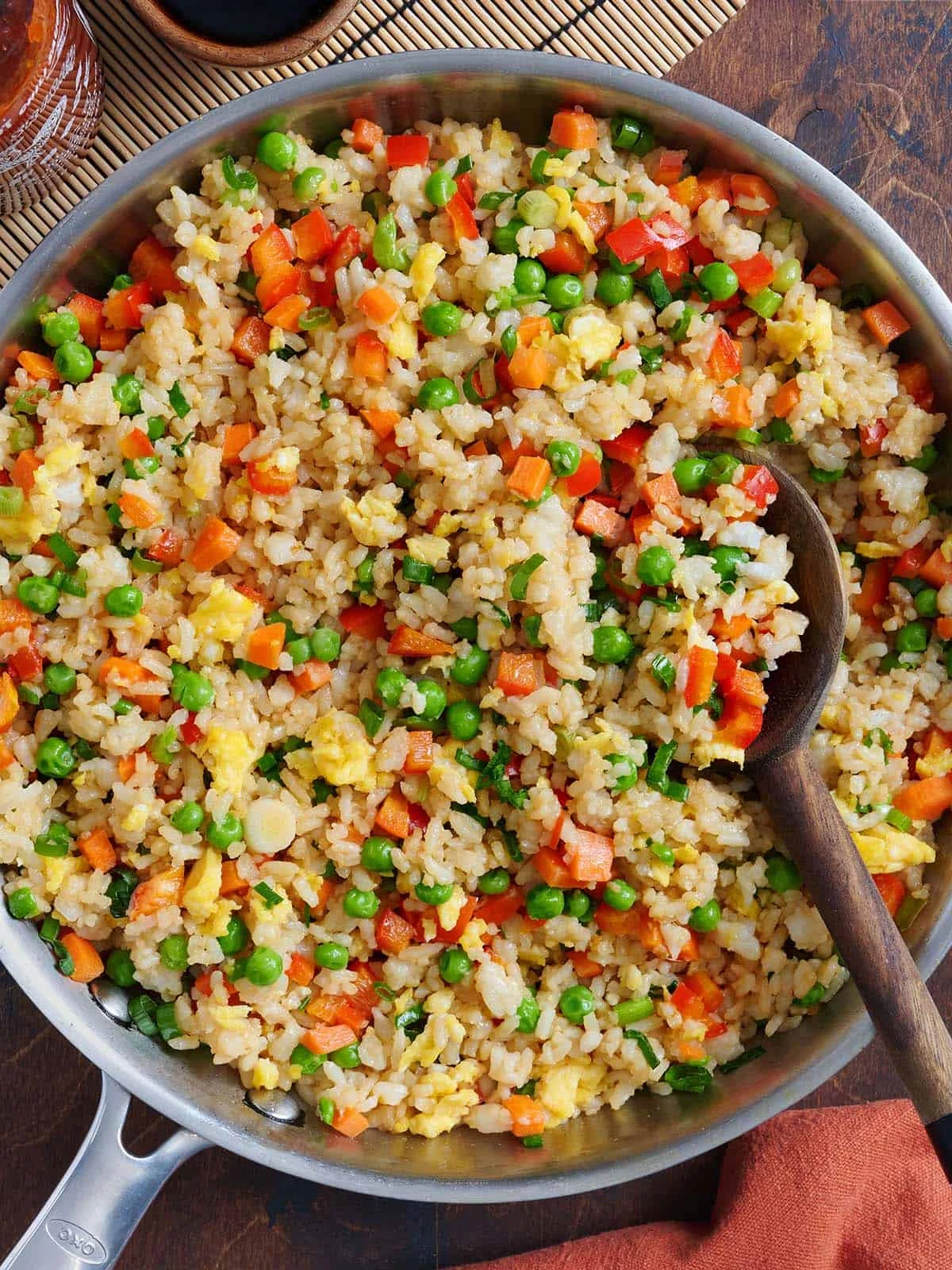
Vegetable fried rice has long maintained its status as a foundational element of global cuisine, transitioning from its historical roots in East Asia to become a ubiquitous staple in the Western "takeout" industry. Prized for its versatility, speed, and cost-effectiveness, the dish represents a convergence of culinary tradition and practical home economics. In the current economic climate, where food inflation and grocery costs remain a significant concern for households, the ability to transform leftover ingredients into a nutritionally dense and satisfying meal is increasingly viewed as a vital skill. This analysis explores the methodology of preparing vegetable fried rice, the scientific principles underlying its texture, the economic benefits of home preparation, and its broader implications for food waste reduction.
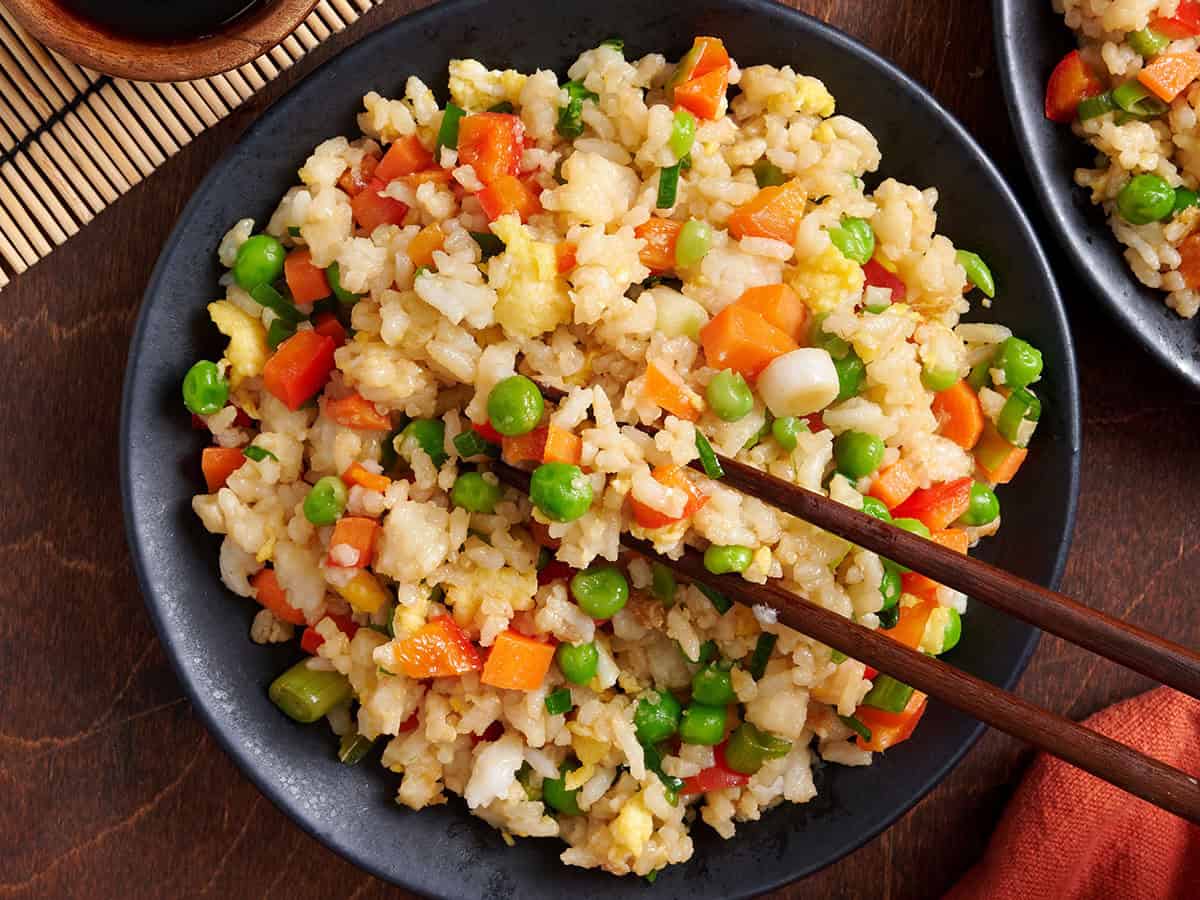
The Economic Framework of Home-Cooked Fried Rice
The primary appeal of vegetable fried rice in a domestic setting is its exceptional cost-efficiency. According to data derived from the Nashville Test Kitchen, a standard four-serving batch of vegetable fried rice can be produced for approximately $4.22, resulting in a per-serving cost of just $1.06. This price point stands in stark contrast to the national average for a similar restaurant-prepared meal, which typically ranges from $8.00 to $15.00 per portion.
The affordability of the dish is rooted in its reliance on high-volume, low-cost staples such as long-grain white rice, frozen vegetables, and eggs. By utilizing "odds and ends" from the refrigerator, home cooks can effectively lower the marginal cost of the meal to near zero for certain ingredients. This economic model aligns with modern "budget-friendly" culinary movements that prioritize maximizing the utility of every grocery item purchased.
Technical Methodology: The Skillet Adaptation
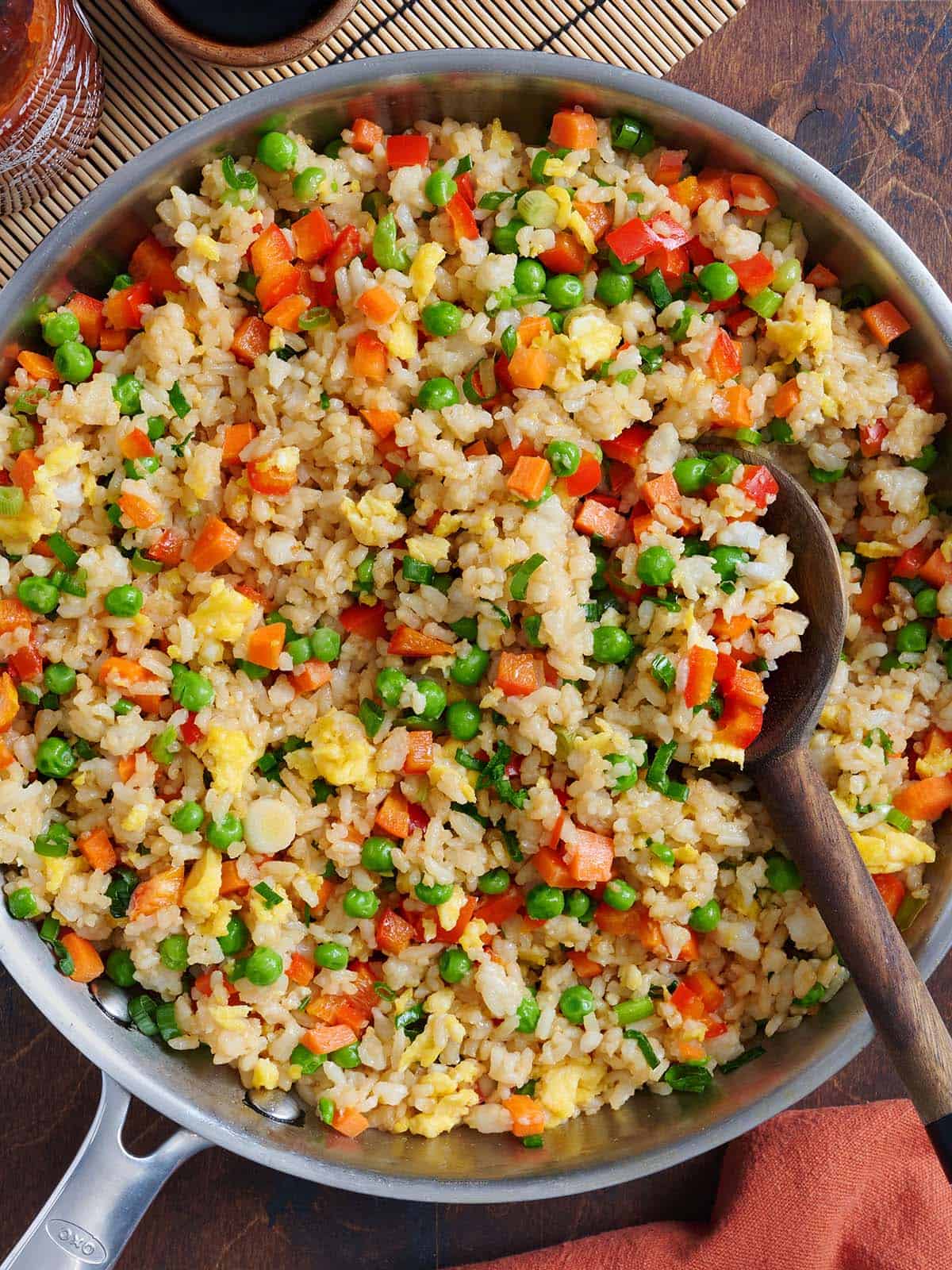
While traditional fried rice is prepared in a wok over high-intensity flames, the modern home kitchen adaptation utilizes a standard skillet. This modification requires a specific sequential cooking process to compensate for the smaller surface area and lower heat retention of a flat-bottomed pan.
Phase I: Preparation and Protein Synthesis
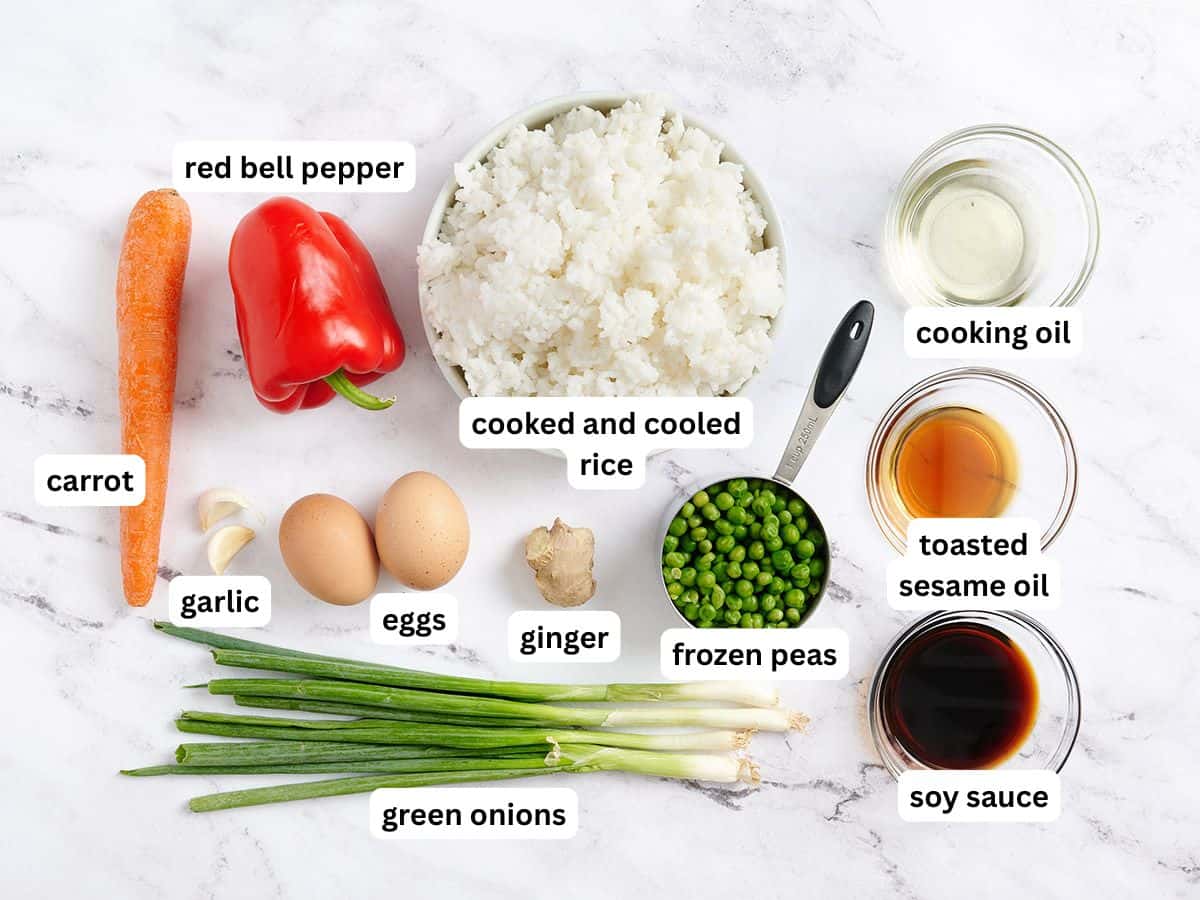
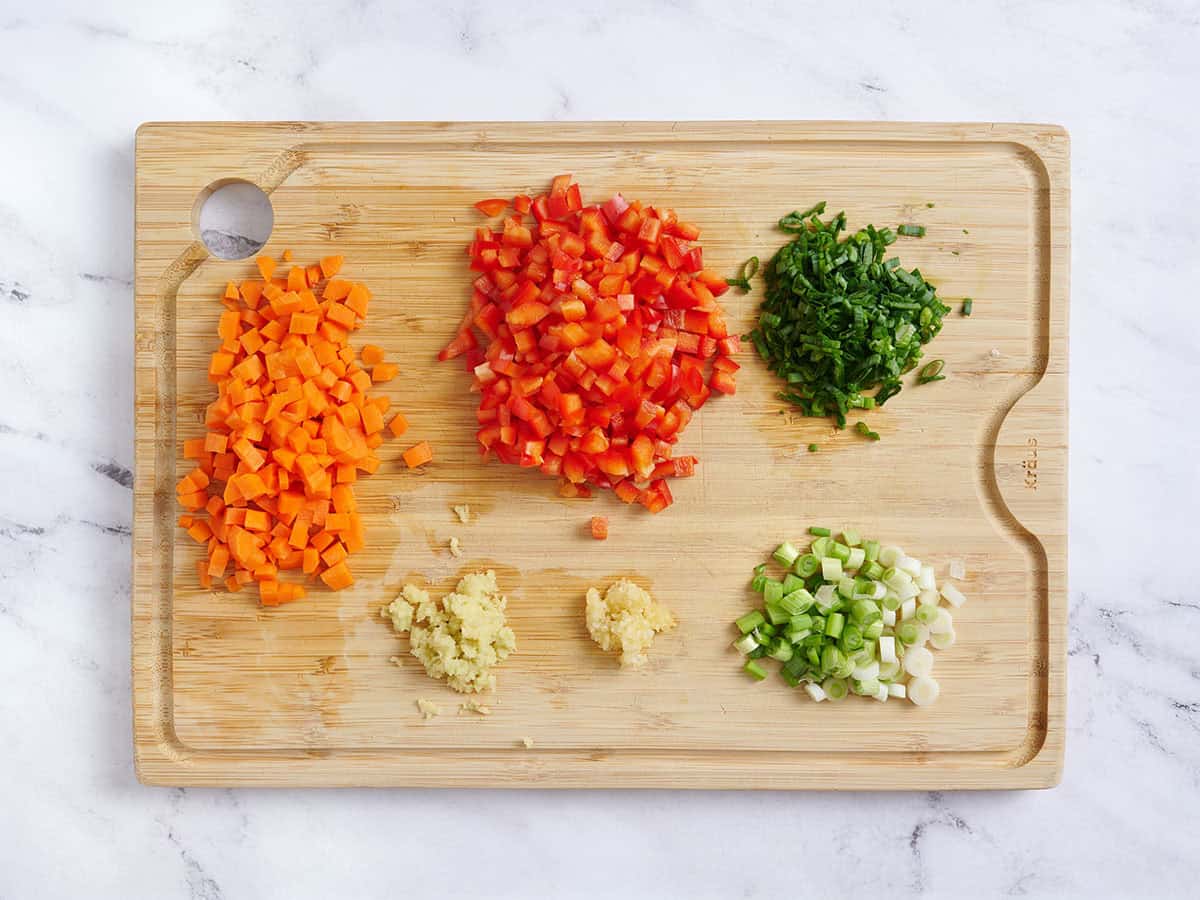
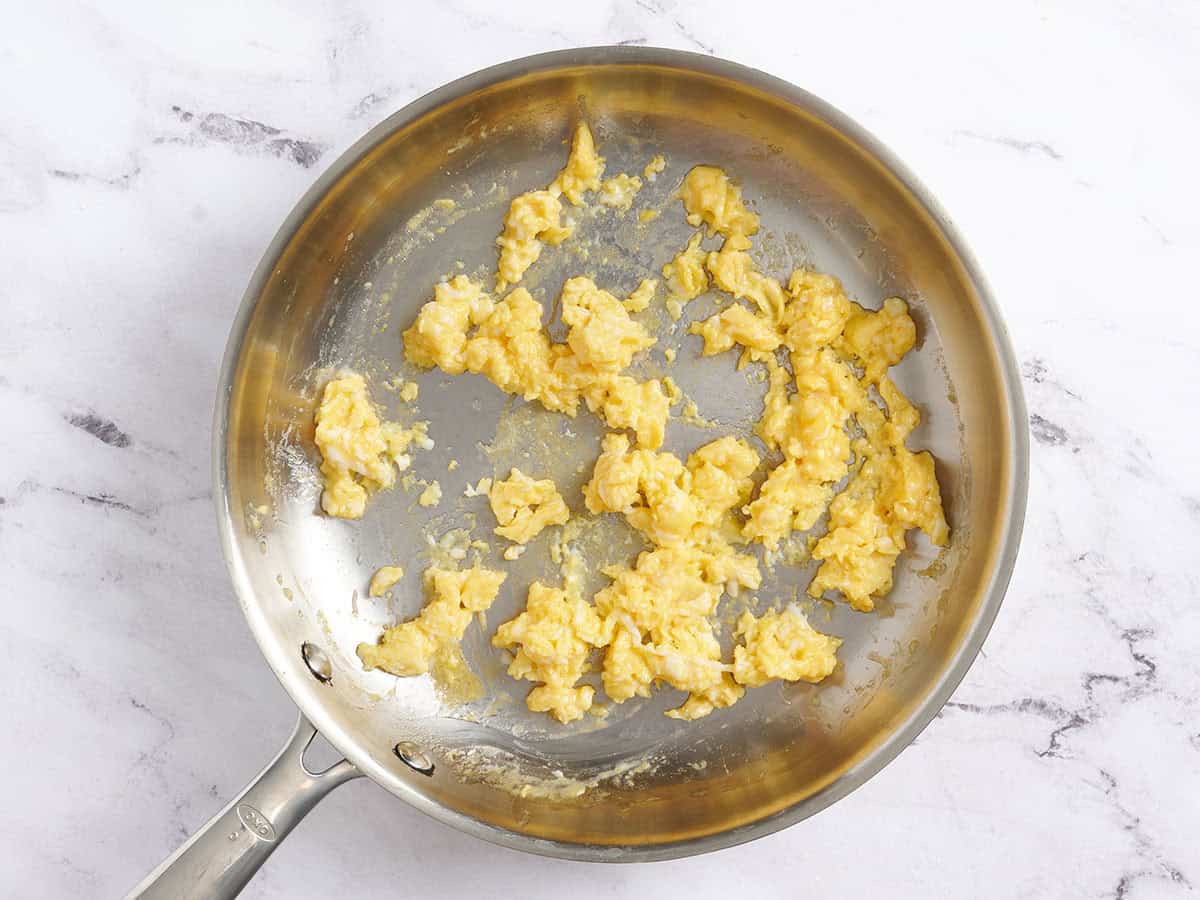
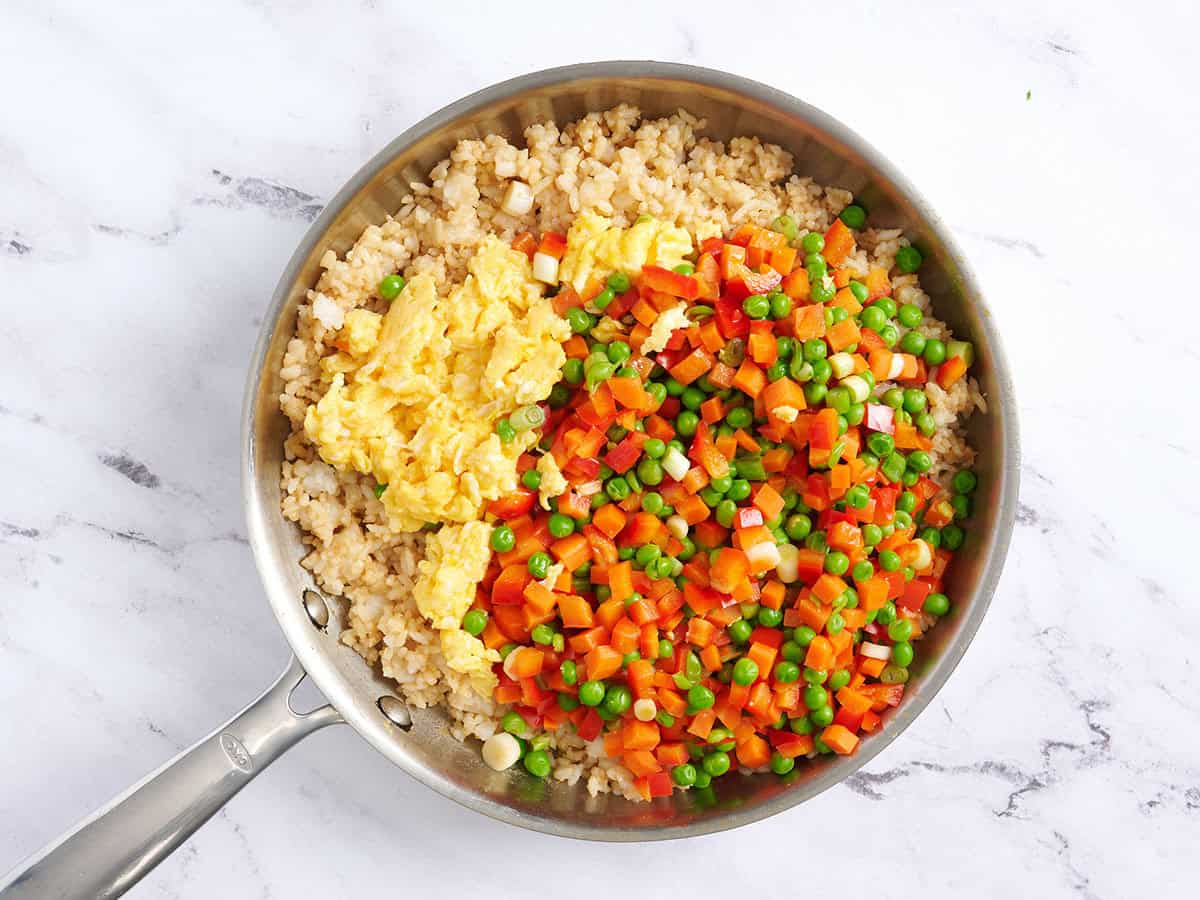
The process begins with the preparation of fresh aromatics, including minced garlic and ginger, alongside diced carrots, bell peppers, and green onions. The protein component, typically large eggs, is whisked and scrambled in a neutral oil (such as vegetable or canola oil) over medium heat. To maintain the integrity of each ingredient, the eggs are removed from the pan once cooked, preventing over-processing during the subsequent high-heat phases.
Phase II: The Vegetable Stir-Fry
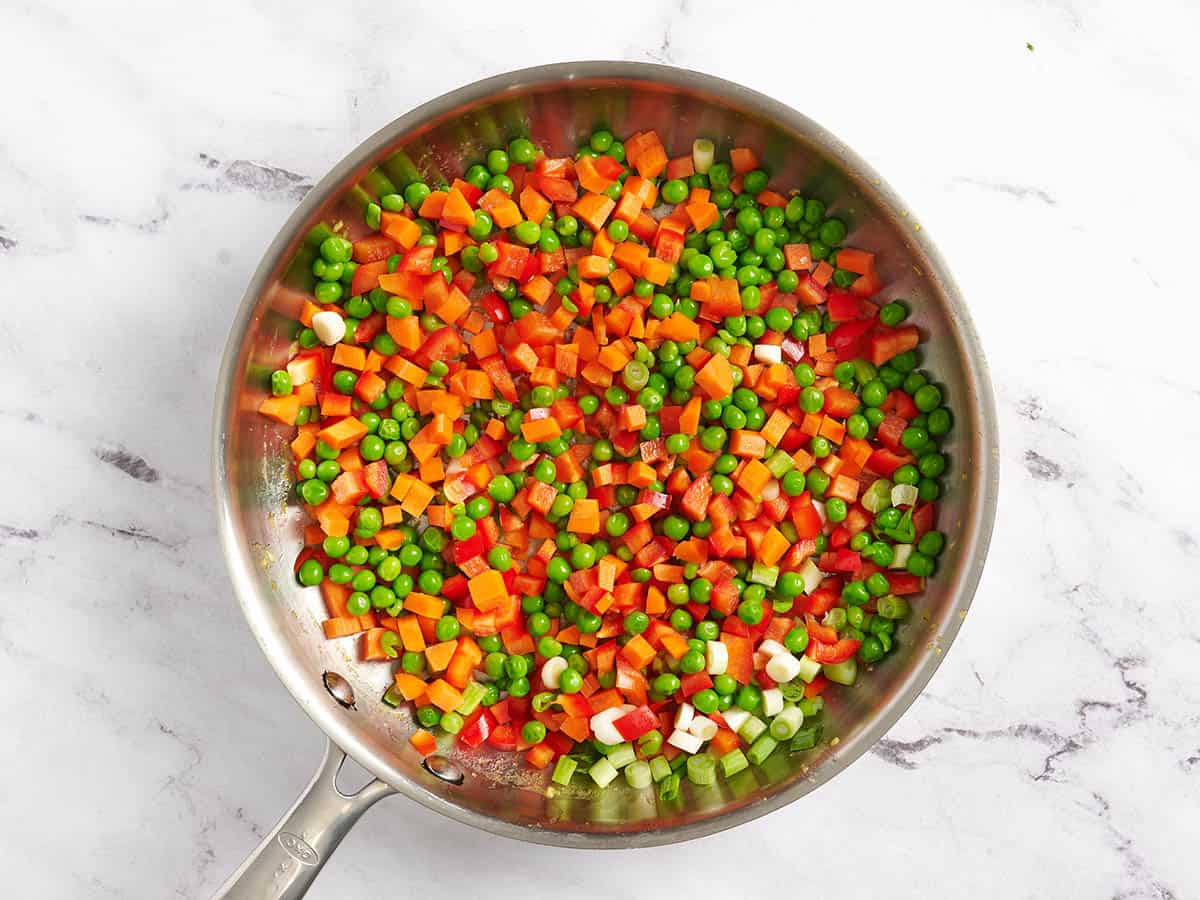
Following the removal of the eggs, the heat is increased to medium-high. Carrots, which require the longest cooking time due to their density, are stir-fried first. This is followed by the addition of bell peppers and the firm lower portions of green onions. Frozen peas are added in the final moments of this phase to ensure they are heated through without losing their vibrant color or structural firmness.
Phase III: The Frying of the Rice
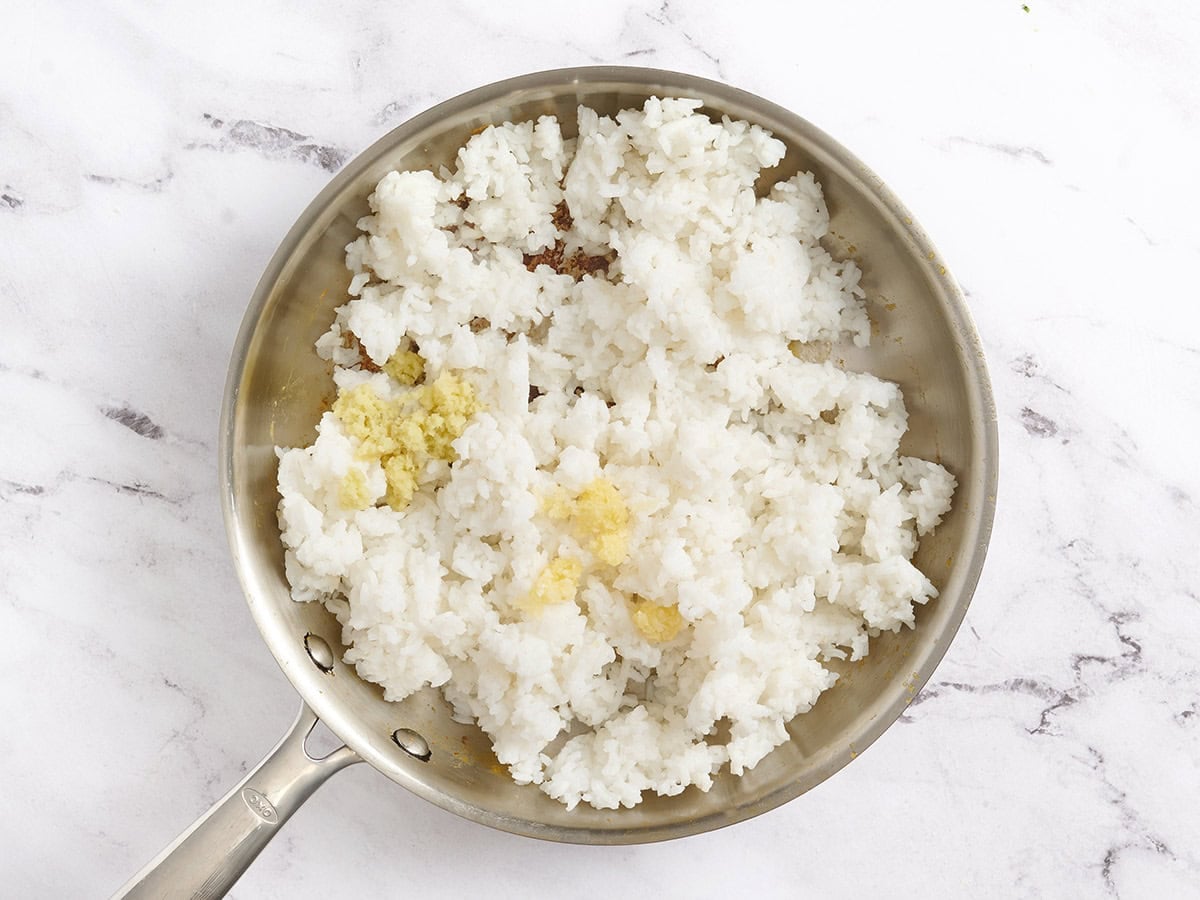
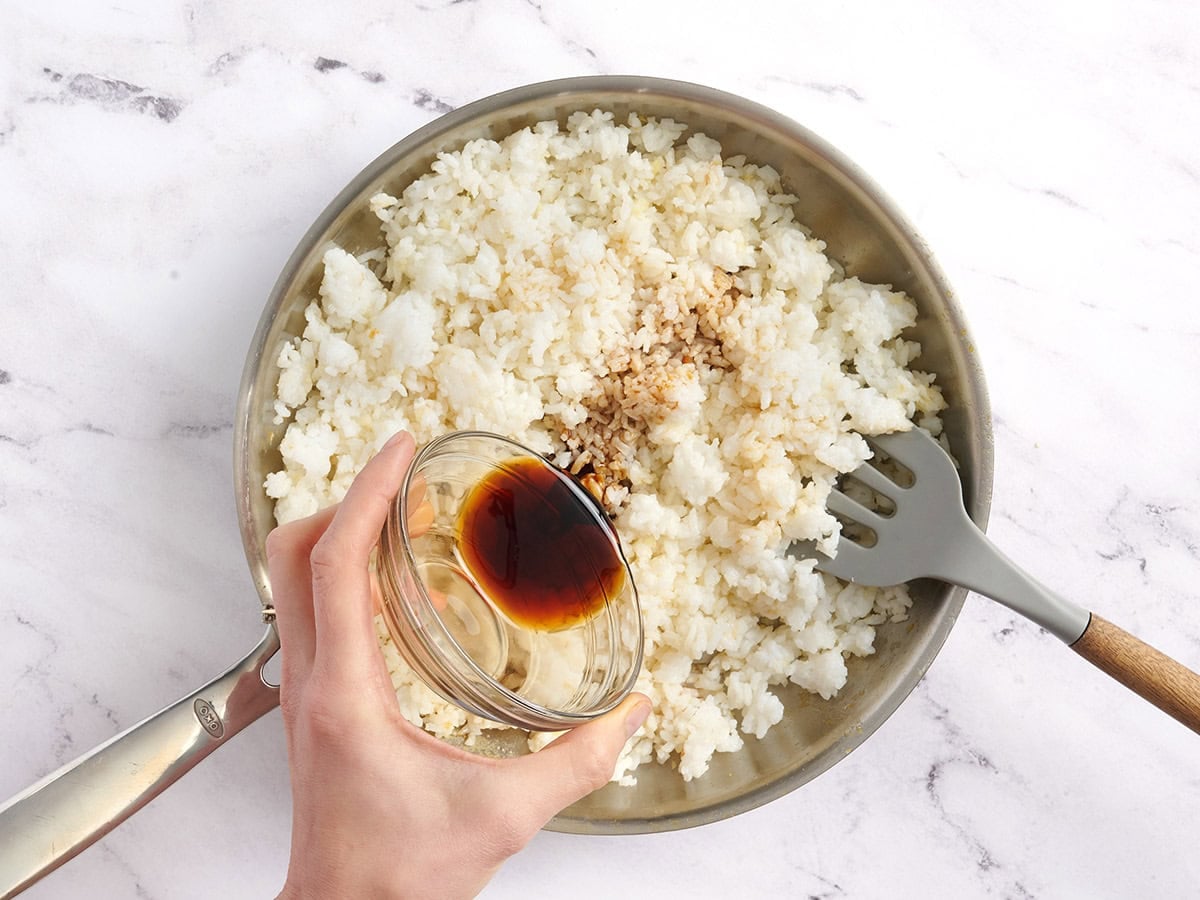
The rice is introduced to the skillet with additional oil. The goal of this phase is to achieve a "fried" texture rather than a steamed one. The grains are tossed with the aromatics (garlic and ginger) until they are separated and heated through. Finally, soy sauce and toasted sesame oil are incorporated to provide the characteristic umami profile and nutty aroma associated with the dish.
The Science of Texture: Starch Retrogradation
A critical factor in the success of fried rice is the state of the rice itself. Culinary experts and food scientists emphasize the use of cold, leftover rice rather than freshly cooked grains. This preference is based on the chemical process of starch retrogradation.
When rice is cooked and subsequently cooled, the starch molecules (amylose and amylopectin) begin to rearrange into a more crystalline structure. This process firms up the grains and reduces surface moisture. In the context of stir-frying, this drier texture prevents the rice from clumping or becoming "gummy" when it interacts with oils and sauces in the pan. For home cooks without access to day-old rice, a documented workaround involves spreading freshly cooked rice on a large baking sheet and refrigerating it for several hours to accelerate moisture evaporation and starch stabilization.
Chronology and Evolution of the Recipe
The specific methodology championed by culinary researchers like Beth Moncel has undergone multiple iterations to ensure accessibility for the average consumer. Originally published on June 2, 2010, the "Vegetable Fried Rice" framework was designed to address the needs of students and budget-conscious families.
On August 12, 2026, the recipe was retested and updated in the Nashville Test Kitchen to reflect modern ingredient availability and improved cooking techniques. This update included more precise measurements for aromatics and a refined sequence for vegetable incorporation, ensuring that the dish remains "better than ever" for a new generation of home cooks. This timeline reflects a broader trend in the culinary industry where legacy recipes are continuously optimized based on user feedback and evolving kitchen technology.
Nutritional Profile and Ingredient Analysis
From a nutritional perspective, vegetable fried rice offers a balanced distribution of macronutrients. A standard 1.25-cup serving contains approximately:
- Calories: 371 kcal
- Carbohydrates: 44g (providing essential energy)
- Protein: 10g (derived from eggs and vegetables)
- Fat: 17g (largely from heart-healthy oils and eggs)
- Fiber: 4g (supporting digestive health)
- Sodium: 807mg (variable based on soy sauce selection)
The inclusion of carrots (Vitamin A), bell peppers (Vitamin C), and peas (Fiber and Protein) ensures that the meal provides more than just caloric value. Furthermore, the recipe’s adaptability allows for the inclusion of firm tofu, chicken, or shrimp, which can significantly increase the protein density for those with higher caloric requirements.
Consumer Feedback and Customization Dynamics
Market analysis of home cooking trends suggests that "customizability" is a leading factor in a recipe’s long-term popularity. Consumer feedback for this specific vegetable fried rice model indicates a high rate of satisfaction due to its "blank slate" nature.
One consumer, identified as Rose, noted that the recipe is "wonderfully satisfying and savory, and so versatile." Her experience involved utilizing leftover roasted broccoli and sweet potatoes, as well as frozen mixed vegetable packages. This feedback highlights a crucial aspect of the dish: it serves as a vehicle for culinary creativity. Other popular additions reported by users include:
- Crunchy Elements: Toasted cashews, peanuts, or sesame seeds.
- Heat Enhancers: Sriracha, chili crisp, or fresh jalapeños.
- Acidic Balancers: A squeeze of fresh lime juice or a dash of rice vinegar.
- Alternative Proteins: Edamame, tempeh, or leftover rotisserie chicken.
Broader Socio-Economic Impact: Waste Reduction
One of the most significant implications of the vegetable fried rice "movement" is its impact on domestic food waste. According to various environmental studies, rice and vegetables are among the most frequently discarded food items in developed nations. By positioning fried rice as a "catch-all" for refrigerator remnants, culinary educators are providing a practical solution to a global sustainability problem.
The "second life" given to leftover rice and vegetable scraps not only saves the individual consumer money but also reduces the carbon footprint associated with food decomposition in landfills. This aligns with the United Nations’ Sustainable Development Goals regarding responsible consumption and production.
Safety and Storage Protocols
Given the specific characteristics of rice, proper storage is essential to prevent foodborne illness. Cooked rice is susceptible to the growth of Bacillus cereus, a bacterium that can produce toxins resistant to heat.
Journalistic investigation into food safety standards reveals that fried rice should be cooled and transferred to airtight containers within two hours of cooking. Once refrigerated, it remains safe for consumption for 3 to 4 days. For long-term storage, the dish can be frozen for up to three months, though the texture of certain vegetables may soften upon thawing. Reheating should always involve the addition of a small amount of moisture (such as water or broth) to create steam, ensuring the rice reaches an internal temperature of 165°F.
Conclusion: The Future of Budget-Conscious Culinary Arts
The enduring popularity of vegetable fried rice serves as a testament to the power of simple, well-executed home cooking. By prioritizing technique over expensive equipment and versatility over rigid ingredient lists, this dish empowers individuals to take control of their nutritional and financial health. As global food systems continue to face challenges, the ability to create a "takeout classic" at home for a fraction of the cost remains an essential component of modern domestic life. Through rigorous testing, scientific understanding of ingredients, and a commitment to waste reduction, the humble bowl of fried rice continues to be a cornerstone of the efficient kitchen.
