

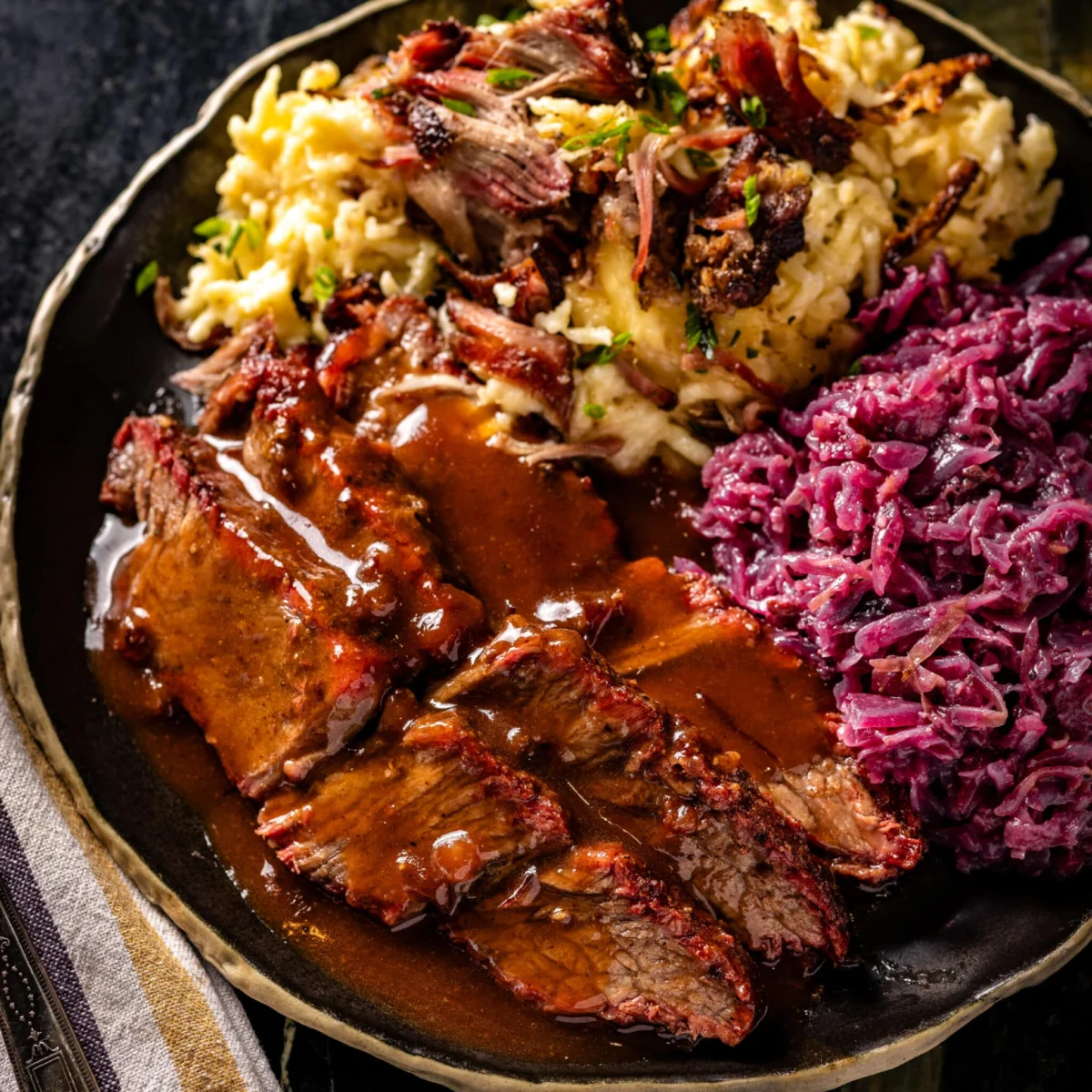
The integration of traditional European preservation methods with contemporary American barbecue technology has reached a new milestone with the formal introduction of Smoked Sauerbraten, a dish that bridges the gap between the centuries-old German pot roast and the precision of low-and-slow wood-fired smoking. Traditionally regarded as one of Germany’s national dishes, sauerbraten is defined by its lengthy marination process and sour-sweet flavor profile. The modern adaptation, popularized by culinary expert Susie Bulloch of the "Hey Grill Hey" platform, utilizes a hybrid method of smoking and braising to enhance the depth of the beef’s flavor while maintaining the "fall-apart" tenderness required of high-quality German fare. This evolution of the recipe represents a broader trend in the culinary world where regional comfort foods are being reimagined through the lens of specialized outdoor cooking equipment.
Historical Context and Cultural Significance of Sauerbraten
To understand the significance of the smoked variant, one must first examine the origins of sauerbraten. Historical records suggest that the dish dates back to the era of Charlemagne in the 9th century, although many culinary historians point to the 13th century as its period of refinement. Originally, the recipe was a pragmatic solution for tenderizing tougher cuts of meat, including horse meat, which was common in certain regions of Germany until the late 19th century. The acidic marinade—typically a combination of vinegar, wine, and aromatic spices—served as both a tenderizer and a preservative before the advent of modern refrigeration.

In contemporary Germany, sauerbraten is most commonly prepared using beef, specifically cuts like rump roast or chuck roast, which benefit from long-term connective tissue breakdown. The dish is a staple of Oktoberfest celebrations and family gatherings, traditionally served with rotkohl (braised red cabbage), knödel (potato dumplings), or spätzle (egg noodles). By introducing smoke into this equation, the flavor profile is expanded to include the phenolic compounds of hardwood, creating a complex intersection of acidity, sweetness, and earthiness.
The Collaboration of Experts: Authentic Origins Meet Modern BBQ
The development of the Smoked Sauerbraten recipe is not an isolated innovation but a collaborative effort involving experts in both German cuisine and American barbecue. Susie Bulloch, a recognized figure in the BBQ community known for her appearances on Food Network’s "Pitmasters" and her work with global icons like Shaquille O’Neal, developed this iteration in conjunction with Sophie Sadler. Sadler, the founder of Dirndl Kitchen, provided the authentic German foundations for the recipe, ensuring that the traditional nuances of the marinade were preserved despite the change in cooking medium.
This partnership highlights a shift in the "food influencer" economy toward cross-cultural education. By blending Sadler’s ancestral knowledge of German spice palettes with Bulloch’s technical expertise in smoke penetration and heat management, the resulting dish caters to a growing demographic of backyard cooks who seek "Oktoberfest" experiences outside of traditional restaurant settings.

Technical Methodology: The Chronology of Preparation
The preparation of Smoked Sauerbraten is a multi-day operation that requires precision in temperature control and timing. The process is divided into four distinct phases: marination, smoking, braising, and the reduction of the gravy.
Phase I: The Marination (The Acidic Breakdown)
The foundation of the dish lies in a 24-to-48-hour marination period. The marinade consists of dry red wine and red wine vinegar, which provide the necessary acidity to denature the protein structures of the beef roast. Aromatics such as onions, carrots, and celery are combined with traditional spices including bay leaves, cloves, and juniper berries. This phase is critical; without the extended soak, the meat would lack the signature "tang" that differentiates sauerbraten from a standard American pot roast.
Phase II: The Initial Smoke (Flavor Infusion)
Unlike traditional recipes that begin with a stovetop sear, the smoked version introduces the meat to a pellet grill or smoker set to 225°F (107°C). Before entering the smoker, the beef is seasoned with a signature rub—typically a blend of salt, pepper, and garlic—designed to create a "bark" or exterior crust. The roast is smoked for approximately two to three hours until it reaches an internal temperature of 135°F. This step allows the meat to absorb hardwood smoke (often oak or hickory) while the exterior undergoes the Maillard reaction, adding a layer of complexity not found in boiled or pot-roasted versions.

Phase III: The Braise (Texture Refinement)
Once the initial smoke flavor is established, the roast is transitioned into a braising pan. It is submerged in the original marinade liquid along with beef stock. The pan is sealed tightly with foil and returned to the smoker, which is often increased in temperature to 300°F (149°C). The beef remains in this environment until the internal temperature reaches 205°F, the point at which collagen fully dissolves into gelatin, resulting in the "fall-apart" texture synonymous with high-end barbecue.
Phase IV: Gravy Synthesis
The final step involves the transformation of the braising liquid into a rich gravy. In some German regions, gingersnaps are used as a thickener and sweetener; in this modern version, a roux or cornstarch slurry is utilized to achieve a velvety consistency. The liquid is strained to remove the spent aromatics and reduced over high heat, concentrating the flavors of the wine, vinegar, and beef drippings.
Nutritional Data and Analytical Implications
The nutritional profile of Smoked Sauerbraten reflects its status as a hearty, protein-dense meal. Based on standardized calculations for a six-serving yield, the dish contains approximately 619 calories per serving.

Nutritional Breakdown per Serving:
- Protein: 47g (94% of the daily recommended value for an average adult)
- Total Fat: 28g (including 12g of saturated fat)
- Carbohydrates: 29g
- Sodium: 4368mg
- Potassium: 1257mg
The high sodium content is a direct result of the marination and seasoning process, which is typical for cured or preserved meats. However, the dish is also a significant source of Vitamin A (3549 IU) and Iron (7mg), largely due to the inclusion of mirepoix vegetables and the nutrient density of the beef roast. From a dietary perspective, the dish is a high-protein option that aligns with "comfort food" profiles while necessitating moderation for individuals on sodium-restricted diets.
Broader Impact on the Outdoor Cooking Industry
The rise of recipes like Smoked Sauerbraten indicates a significant shift in the outdoor cooking industry, which was valued at over $27 billion globally in recent years. As the market for pellet grills and smokers has expanded from professional competition circuits to suburban backyards, there has been a corresponding demand for diverse content.

Industry analysts note that "fusion BBQ"—the application of smoking techniques to non-traditional barbecue foods like Italian lasagna, Mexican birria, and now German sauerbraten—is a primary driver of consumer engagement. Susie Bulloch’s "Hey Grill Hey" platform, which includes a dedicated mobile app and a massive social media following, exemplifies this trend. By providing accessible instructions for complex, multi-day recipes, these platforms have democratized the "Pitmaster" lifestyle.
Furthermore, the inclusion of Smoked Sauerbraten in mainstream media—evidenced by Bulloch’s presence on the Food Network and her Guinness World Record achievements—elevates backyard grilling from a seasonal hobby to a year-round culinary discipline. The dish serves as a case study in how digital platforms can preserve cultural heritage (German cuisine) while evolving it through modern technology (wood-pellet smoking).
Expert Perspectives and Final Analysis
Culinary experts suggest that the success of the Smoked Sauerbraten lies in its ability to balance contrasting flavors. The "sour" element of the vinegar is tempered by the "sweet" notes of the wine reduction and the "smoky" essence of the wood fire. This trifecta of flavor profiles appeals to a wide range of palates, making it a versatile centerpiece for social gatherings.

In a statement regarding her approach to such recipes, Susie Bulloch emphasized the importance of accessibility, noting that while the ingredient list may appear daunting, the majority of the components are pantry staples. This "low-barrier-to-entry" philosophy is essential for the continued growth of the BBQ community.
As the culinary landscape continues to evolve, the Smoked Sauerbraten stands as a testament to the enduring nature of traditional recipes and their capacity for reinvention. It is no longer merely a German pot roast; it is a sophisticated example of modern gastronomic fusion that honors the past while embracing the tools of the future. For the home cook, it offers a tangible way to bring the atmosphere of a Munich biergarten to a backyard patio, proving that with enough time, smoke, and acidity, even the humblest cut of beef can be transformed into a world-class delicacy.
