

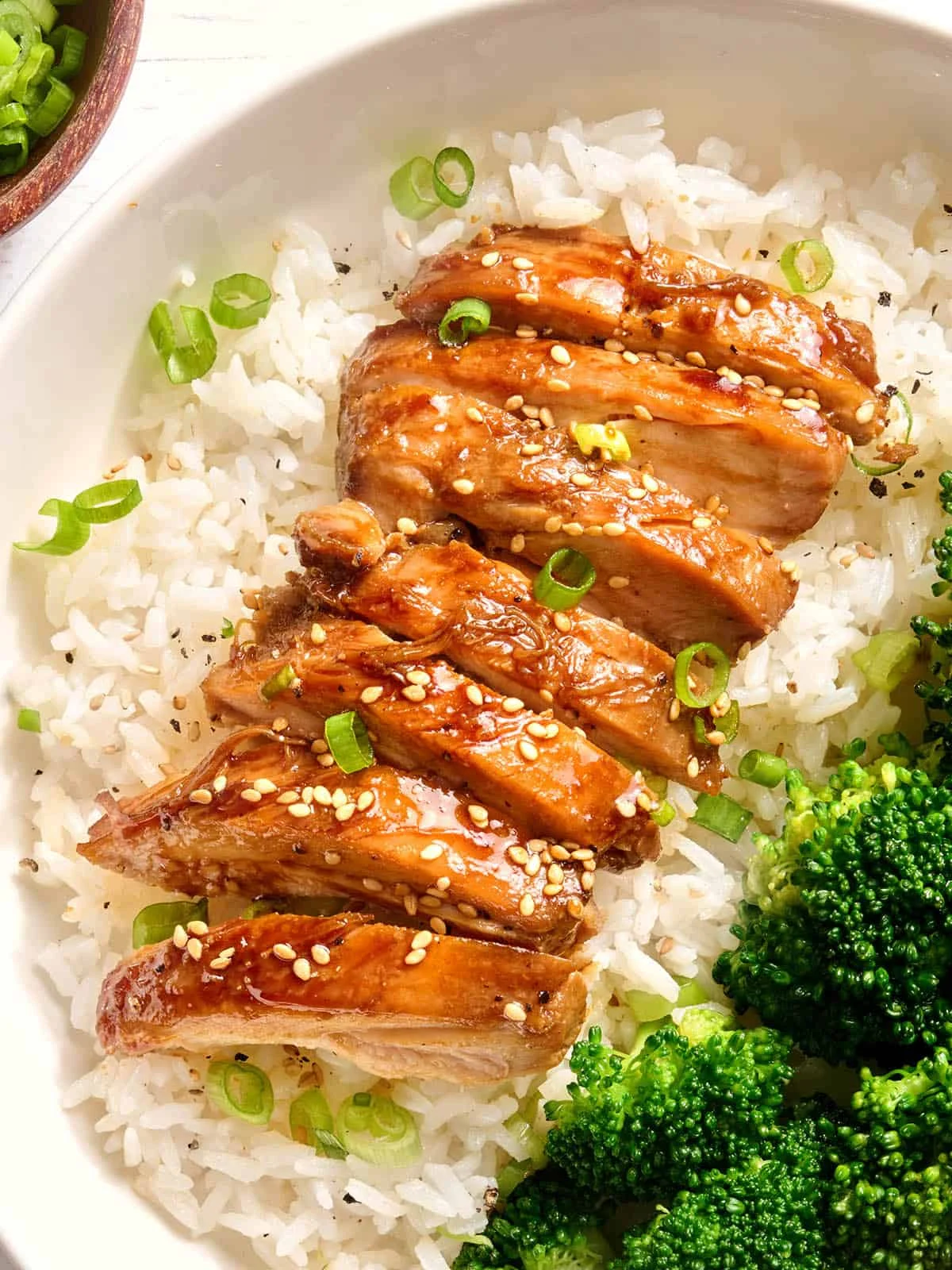
The modern culinary landscape has increasingly prioritized the intersection of affordability and efficiency, leading to the rise of home-cooked staples like Easy Teriyaki Chicken that challenge the dominance of the commercial takeout industry. In an era where food inflation and the rising cost of living have forced many households to reevaluate their dining habits, the development of high-quality, low-cost recipes has become more than a matter of taste; it is a significant economic strategy for the average family. This specific iteration of teriyaki chicken, refined and tested in specialized environments like the Nashville Test Kitchen, exemplifies a shift toward "no-specialty-ingredient" cooking, making international flavors accessible to those without access to gourmet markets.
The Economic Impact of Home-Cooked Alternatives
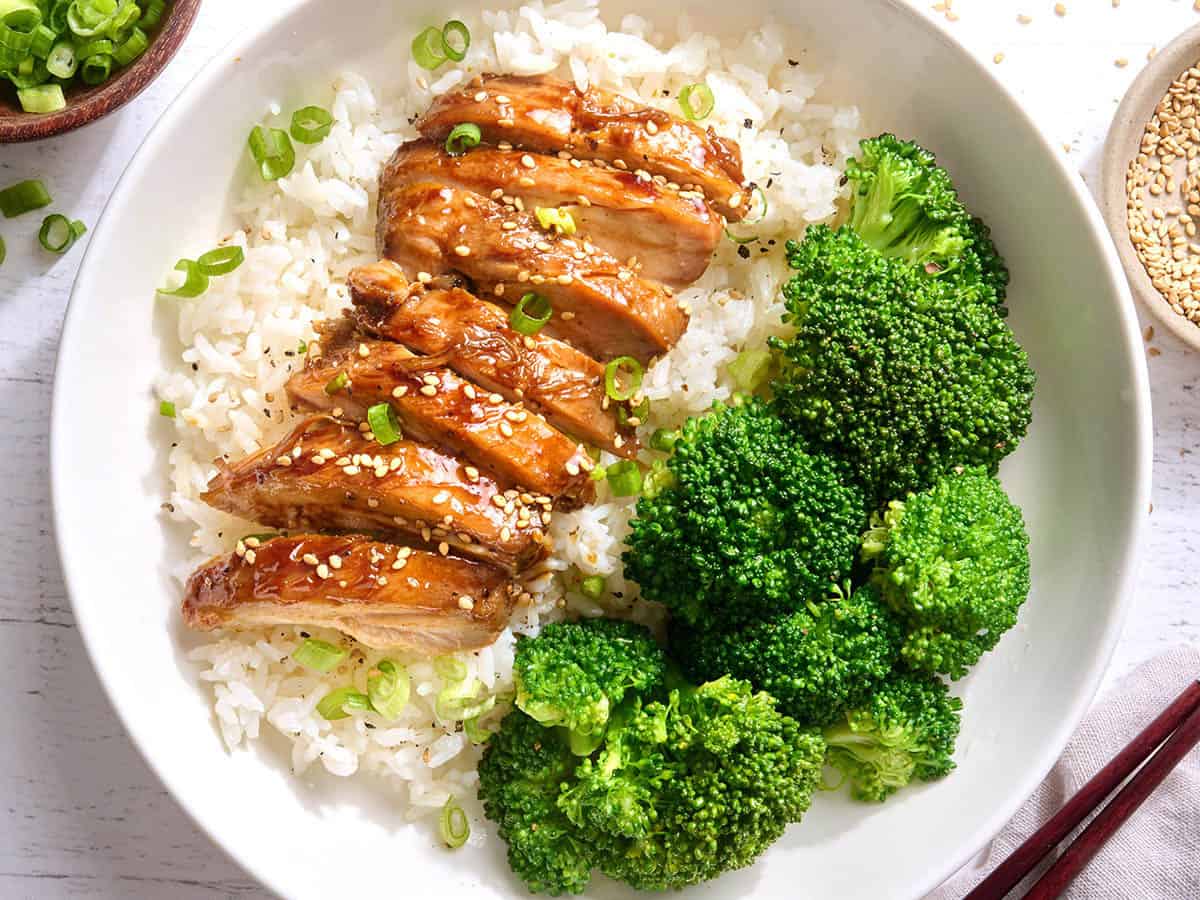
The primary driver behind the popularity of this Easy Teriyaki Chicken recipe is its remarkable cost-efficiency. Based on current market analysis and rigorous price tracking, the recipe yields five servings at a total cost of approximately $7.07, or $1.41 per serving. When contrasted with the average cost of a teriyaki chicken entrée at a standard American fast-casual or takeout restaurant—which typically ranges from $10.00 to $15.00 per person—the home-cooked version represents a savings of nearly 90%.
Financial analysts suggest that for a family of four, transitioning from a weekly takeout habit to a home-prepared meal of this caliber could result in annual savings exceeding $2,000. This economic incentive is coupled with the nutritional transparency afforded by home preparation. While commercial sauces often contain high levels of corn syrup, preservatives, and excessive sodium, the homemade version relies on a controlled ratio of soy sauce, brown sugar, and fresh aromatics.
Culinary Heritage: Traditional vs. American-Style Teriyaki
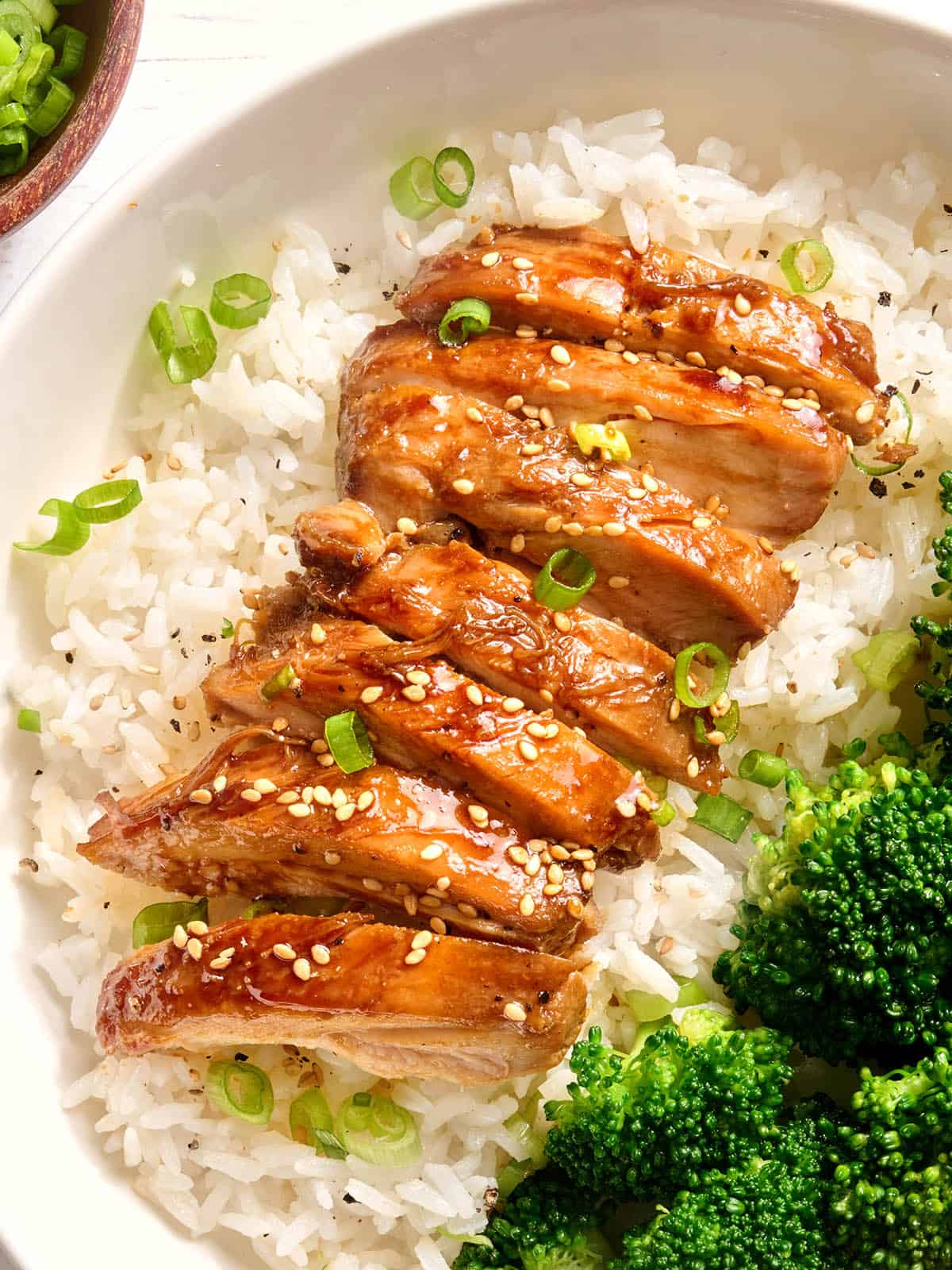
To understand the significance of this recipe, one must examine the linguistic and cultural roots of the term "teriyaki." Derived from the Japanese words teri, meaning a glossy luster or shine, and yaki, meaning grilled or broiled, the term describes a traditional Japanese cooking technique rather than a specific sauce. In its original form, teriyaki involves a glaze made of soy sauce, mirin (a sweet rice wine), sake, and sugar. This glaze is brushed onto fish or meat repeatedly during the grilling process to create a lacquer-like finish.
The version presented here is categorized as an American-style teriyaki. This adaptation omits mirin and sake—ingredients that may be difficult to source in rural or budget-conscious markets—and instead utilizes a combination of soy sauce, brown sugar, and water. This evolution mirrors the historical trend of immigrants and home cooks adapting traditional methods to utilize locally available ingredients. By incorporating fresh garlic and ginger, the recipe maintains a complex flavor profile that honors the savory-sweet-umami balance essential to the dish’s identity without requiring specialty pantry items.
The Science of the Skillet Glaze
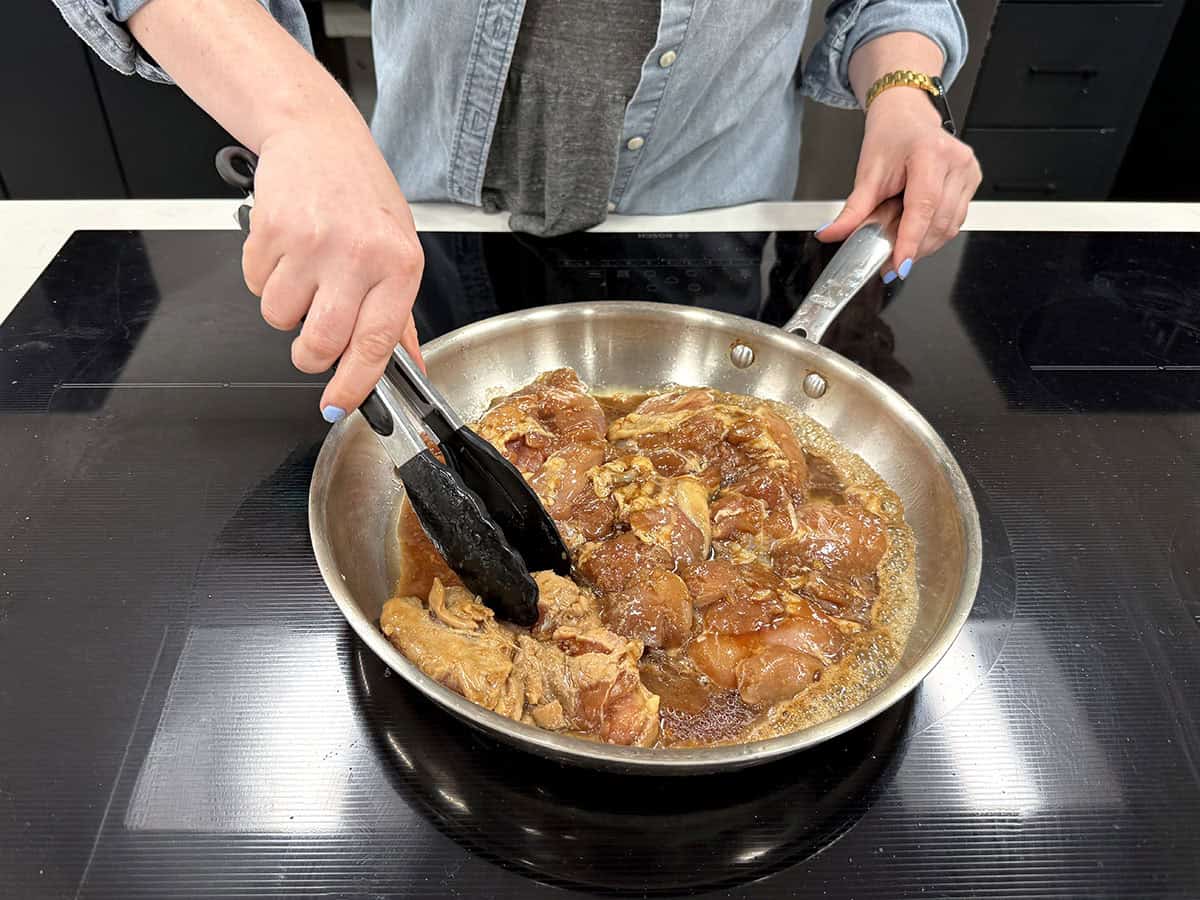
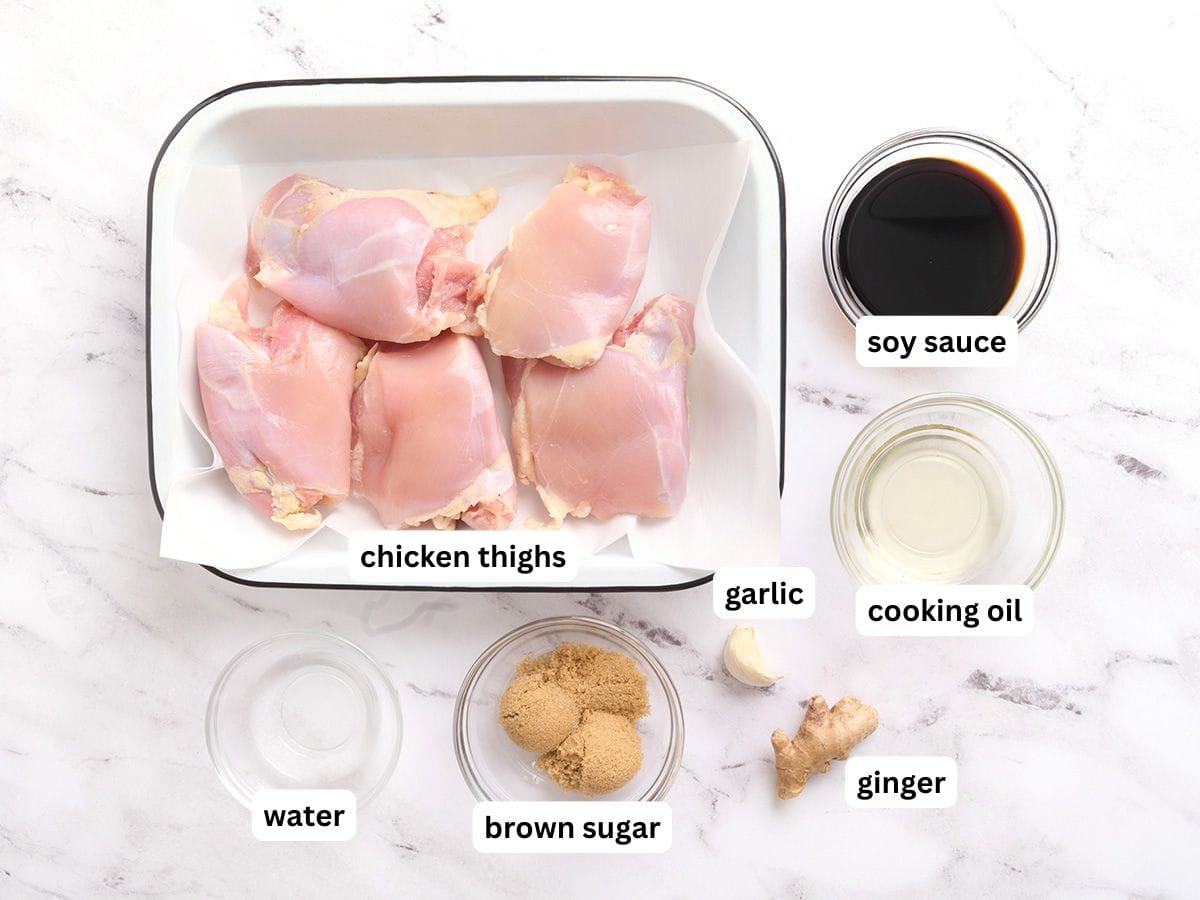
The preparation of Easy Teriyaki Chicken relies on fundamental chemical reactions that occur during the cooking process. The use of boneless, skinless chicken thighs is a strategic choice supported by culinary science. Thigh meat contains a higher concentration of fat and connective tissue compared to breast meat, allowing it to remain tender and juicy during the high-heat reduction of the marinade.
The process involves a two-stage thermal application:
- The Marination Phase: Over a period of 30 minutes to 24 hours, the salt in the soy sauce penetrates the protein structure of the chicken, enhancing its ability to retain moisture. Simultaneously, the aromatics (ginger and garlic) infuse the meat.
- The Reduction Phase: As the chicken cooks in the skillet, the moisture in the marinade evaporates. This concentrates the sugars and proteins, leading to the Maillard reaction—a chemical reaction between amino acids and reducing sugars that gives browned food its distinctive flavor. The sugar eventually reaches a stage of light caramelization, creating the signature "teri" or glossy finish without the need for thickening agents like cornstarch.
Chronology of Preparation and Testing
The development of this recipe followed a structured timeline of testing to ensure consistency across different kitchen environments. In the Nashville Test Kitchen, the recipe underwent multiple iterations to determine the optimal ratios for a "one-skillet" finish.
- Phase 1 (Ingredient Optimization): Researchers tested various sweeteners, including honey and granulated sugar, before determining that brown sugar provided the best depth of flavor and caramelization properties.
- Phase 2 (Texture Analysis): Comparative tests between chicken breasts and thighs revealed that while breasts are leaner, they require significantly more precision (such as filleting or pounding to a 1/2-inch thickness) to prevent drying out before the glaze reduces.
- Phase 3 (Stability Testing): The recipe was tested for freezer stability. It was discovered that freezing the raw chicken directly in the marinade not only preserved the meat but accelerated the infusion process during the thawing phase, providing a "meal prep" solution for high-volume households.
Consumer Response and Market Feedback
The reception of this simplified teriyaki method has been overwhelmingly positive among home cooks. Testimonials from users, such as a consumer identified as "mEL," highlight the recipe’s "impressively good" results and its potential to become a "regular go-to meal." This feedback underscores a broader market trend: the desire for "restaurant-quality" results with "pantry-staple" efforts.
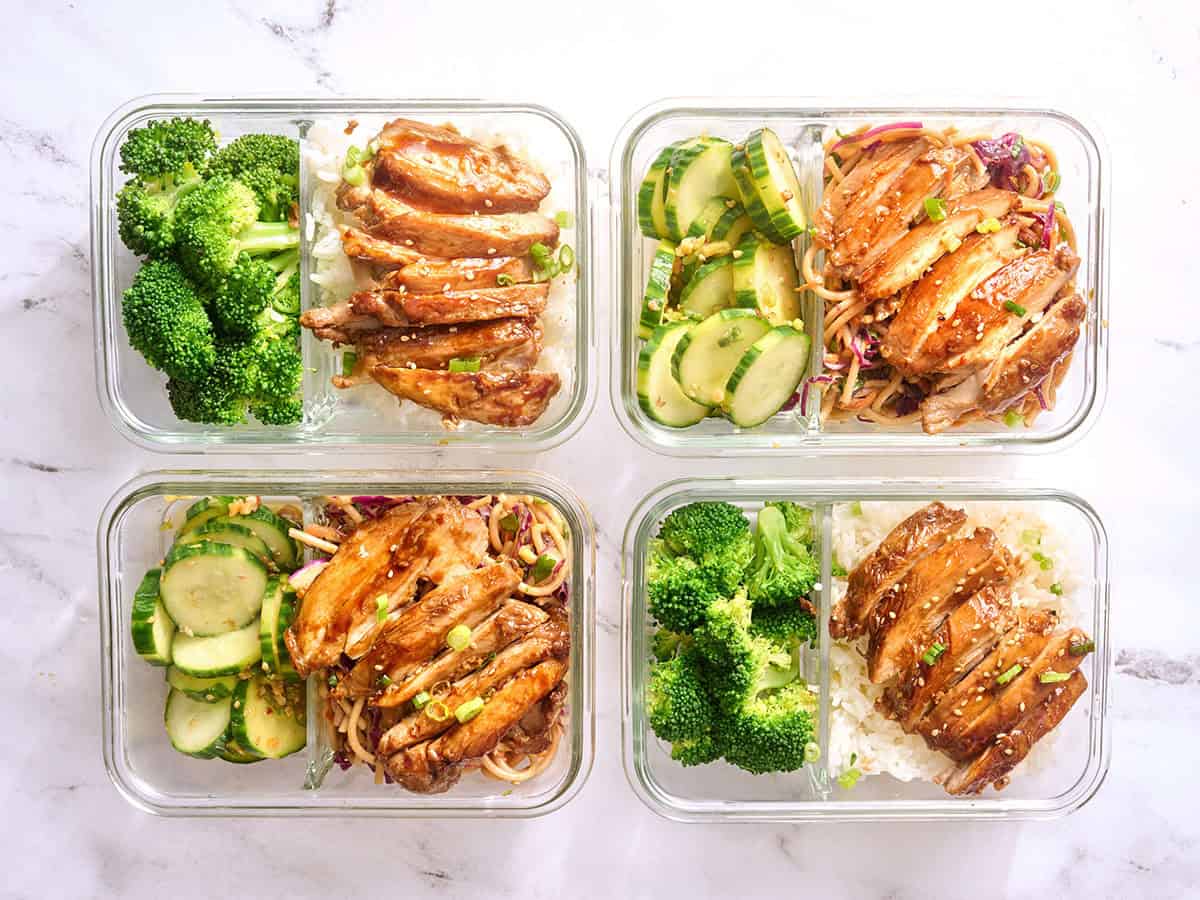
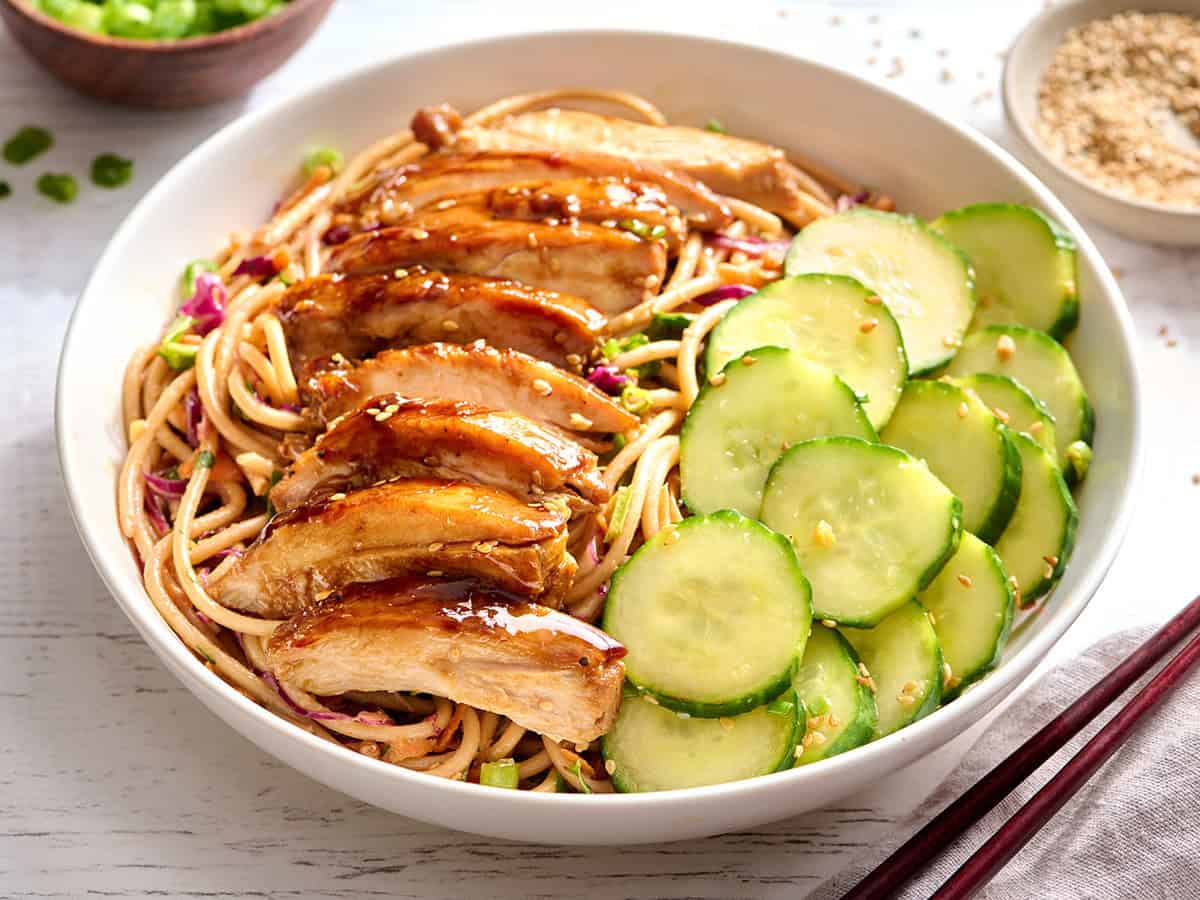
Professional chefs have also noted that the recipe’s versatility contributes to its high rating. The ability to pair the chicken with inexpensive staples like long-grain white rice and steamed broccoli, or more elaborate sides like Thai cucumber salad and cold peanut noodles, allows it to function as both a basic weeknight dinner and a more sophisticated meal-prep option.
Safety Protocols and Best Practices
As with all poultry-based culinary procedures, food safety remains a paramount concern. Health experts and the Nashville Test Kitchen emphasize several critical protocols:
- Temperature Control: Chicken thighs must be cooked to an internal temperature of 175°F (79°C) to ensure both safety and the breakdown of connective tissue for optimal texture. For those using chicken breasts, a temperature of 165°F (74°C) is sufficient.
- Cross-Contamination Prevention: Any marinade that has come into contact with raw poultry must be discarded. If additional sauce is desired for serving, a separate batch should be prepared or the original batch must be divided before the meat is added.
- Refrigeration Limits: Marination should never exceed 24 hours. The high sodium content of the soy sauce can begin to denature the protein fibers excessively, leading to an unappealing, mushy texture.
Broader Implications for the Food Industry
The success of the Easy Teriyaki Chicken recipe is indicative of a larger shift in the food media industry. There is a growing movement away from "aspirational" cooking—which often requires expensive equipment and rare ingredients—toward "functional" cooking. This democratization of culinary knowledge empowers individuals to reclaim control over their food budgets and nutritional intake.
Furthermore, the rise of "budget-friendly meal prep" as a category reflects a cultural shift in the American workforce. As remote and hybrid work models persist, the boundary between professional and domestic life has blurred, increasing the demand for meals that are quick to prepare but offer the psychological satisfaction of a "slow-cooked" or "gourmet" experience.
Conclusion: The Future of Accessible Cuisine
The Easy Teriyaki Chicken recipe stands as a testament to the power of thoughtful simplification. By stripping away the barriers of cost and ingredient scarcity, it provides a blueprint for how traditional international techniques can be successfully integrated into the modern, budget-conscious kitchen. As food prices continue to fluctuate, the reliance on such rigorously tested, high-value recipes is expected to grow, further cementing the role of home cooking as a cornerstone of both economic resilience and culinary exploration.
Through the strategic use of high-fat protein cuts, the chemistry of sugar reduction, and a focus on essential aromatics, this dish achieves a professional-grade result that belies its $1.41 price tag. It is a clear indication that in the world of modern gastronomy, the most influential recipes are often those that provide the greatest return on investment for the home cook’s time and money.
