

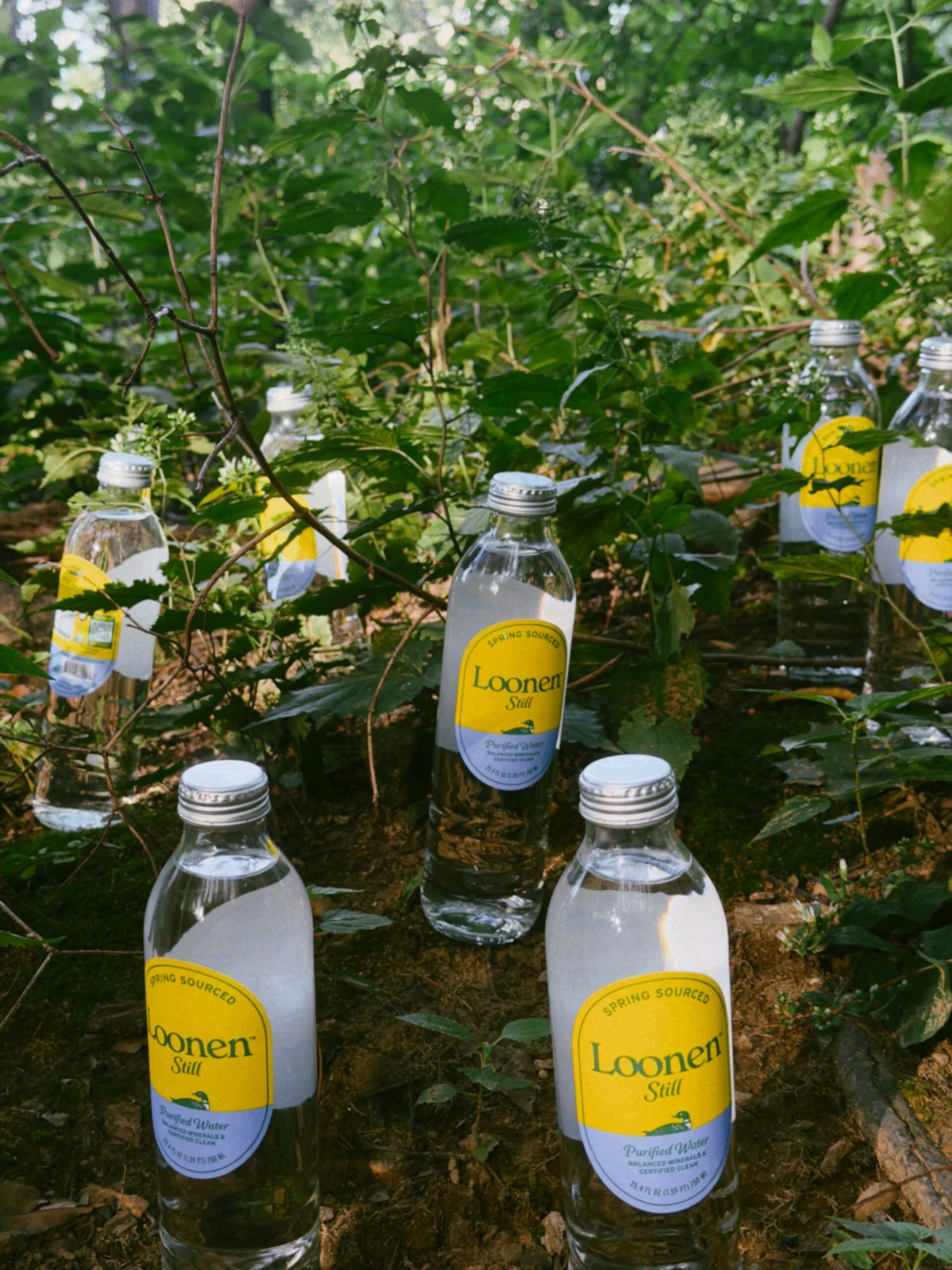
In the dynamic landscape of consumer goods, where every generation is seemingly presented with its own iteration of an expensive, hype-driven bottled water, a new contender has emerged to redefine the premium hydration market. Loonen, launched in late 2025, has swiftly become a cultural phenomenon, distinguishing itself not by what it adds, but by what it meticulously excludes: microplastics. Priced at nearly $6 a bottle, Loonen is positioned at the apex of luxury bottled waters, appealing to a demographic increasingly wary of environmental contaminants and fiercely dedicated to optimizing personal health.
A New Era of Hydration: The Evolution of Status Waters
The past quarter-century has witnessed a fascinating evolution in the bottled water industry, transforming a basic necessity into a potent status symbol and a vehicle for self-expression. The early 2000s saw Fiji Water reign supreme. With its iconic square bottle, pristine imagery of tropical origins, and association with celebrity culture, Fiji epitomized aspirational hydration. It wasn’t just water; it was an accessory, a visible marker of discerning taste and a touch of exotic luxury in everyday life.
As the millennial generation came of age, the cultural zeitgeist shifted. The demand for sparkling beverages grew, and La Croix emerged as the quintessential millennial drink. Eschewing artificial sweeteners and often marketed with quirky, retro-inspired labels, La Croix positioned itself as a "healthier" alternative to soda, embodying a casual coolness that resonated with a generation seeking authenticity and a departure from overt luxury. Its widespread appeal demonstrated a shift towards flavor and a more nuanced understanding of wellness, even if the primary benefit was simply a sugar-free fizzy drink.
The early 2020s ushered in the Gen Z cult of Liquid Death. This brand aggressively disrupted the market with its audacious, heavy-metal aesthetic, irreverent marketing, and aluminum can packaging. Liquid Death masterfully tapped into Gen Z’s anti-establishment sentiments and environmental consciousness, framing canned water as a more sustainable alternative to plastic bottles, despite the inherent energy costs of aluminum production and transportation. Its "Murder Your Thirst" slogan and provocative branding created a loyal following that valued attitude and perceived environmental responsibility as much as, if not more than, the water itself.
Now, in 2026, Loonen represents the next frontier, part of a burgeoning category dubbed "wellness waters." These are not merely for quenching thirst but are crafted to appeal to consumers striving to optimize their health and well-being. This segment includes waters infused with additional oxygen, hydrogen, or those boasting specific pH levels (alkaline) and enhanced electrolyte profiles, all promising various physiological benefits, from improved athletic performance to enhanced cellular function. However, Loonen takes a markedly different approach, pivoting away from infusions and additions to champion purity through subtraction.
The Microplastic Scourge: Loonen’s Core Differentiator
Loonen’s unique selling proposition is its unwavering focus on what is not in its bottles: microplastics. The brand has strategically positioned itself against one of the most pressing and widely discussed environmental and health risks of the 2020s. Microplastics – tiny plastic particles less than five millimeters in length – have permeated virtually every corner of our planet, from the deepest oceans to the highest mountains, and alarmingly, into our food systems, air, and even our bodies.
Scientific research has increasingly highlighted the ubiquitous nature of these contaminants. A review of studies published in Frontiers in Cell and Developmental Biology confirms their presence in bodies of water, soil, the atmosphere, and food chains. More concerning for the bottled water industry, a study published in Frontiers in Chemistry provides evidence that bottled water typically contains significantly more microplastic particles than tap water. This discrepancy is largely attributed to the packaging itself, as plastic bottles can shed millions of microscopic particles into the water they contain, particularly when exposed to heat or jostling. One recent study even found an average of nearly 250,000 plastic particles per liter in bottled water, a staggering figure that underscores the scale of the problem.
The health implications associated with microplastic exposure are a growing area of scientific concern. Studies suggest links to a range of adverse health outcomes, including various forms of cancer, respiratory diseases, and reproductive health issues. Beyond these specific ailments, research indicates that microplastics "may also systematically accelerate the aging process and increase the risk of age-related diseases." Furthermore, some plastics contain endocrine-disrupting chemicals (EDCs) that can leach into water. These EDCs can interfere with the body’s endocrine system, which regulates hormones vital for development, metabolism, immunity, and brain function. The potential for widespread endocrine disruption from constant microplastic exposure presents a profound public health challenge.
Against this backdrop of escalating concern, Loonen’s message of microplastic-free purity resonates powerfully. It taps into a broader consumer trend characterized by a deep distrust of conventional foodways and a fervent desire for "clean" products. Consumers are increasingly willing to pay a premium for items that promise to safeguard or promote wellness, viewing such purchases as an investment in their long-term health. This sentiment is also evident in phenomena like the "protein-maxxing" trend, the MAHA (Movement for Authentic Health & Awareness) movement, and the resurgence of interest in raw milk, all driven by a quest for optimal health and perceived purity.
Crafting Purity: Loonen’s Product and Process
Loonen’s commitment to being microplastic-free is not merely a marketing slogan; it is embedded in its production process and product design. Unlike many conventional bottled waters, which are often just treated municipal tap water bottled in plastic (like Dasani from Coca-Cola or Aquafina from PepsiCo, which undergo purification to remove minerals before bottling), Loonen starts with a different premise.
To ensure its purity claims, Loonen employs a meticulously controlled manufacturing process. The water itself, sourced from pristine springs, is processed and bottled without ever coming into contact with plastic. This is a critical distinction, as even the filtration and treatment stages in many bottled water facilities can involve plastic components, introducing microplastics before the water even reaches its final container.
The brand’s distinctive packaging is central to its promise. Loonen is bottled exclusively in glass, eliminating the primary source of microplastic contamination common to plastic bottles. The tall, wavy bottle design is not just aesthetically pleasing – a factor highly valued by its target demographic – but also functional. Co-founder Clara Sieg highlights its ergonomic appeal: "It’s thin, it feels nice in hand. It has a wide spout. You can [dump] your electrolyte powders into it." This design thoughtfulness caters to the active, wellness-conscious consumer who might personalize their hydration with supplements.
Furthermore, the cap sealing each Loonen bottle is a crucial component of its purity claim. The company specifies that its caps are unpainted, uncoated, and free from PFAS (per- and polyfluoroalkyl substances) and BPA (Bisphenol A), two classes of chemicals commonly found in plastic packaging that are known for their potential to leach and cause health issues.
Transparency is another cornerstone of Loonen’s strategy. Each batch of water undergoes rigorous testing by an independent third-party laboratory. These tests scrutinize the water for a comprehensive array of organic and inorganic compounds, including microplastics, pesticides, and "forever chemicals" (PFAS). The results of these tests are then made publicly available on Loonen’s website and are regularly updated, offering consumers an unprecedented level of insight and reassurance regarding the product’s purity. This commitment to transparent, verifiable testing aims to build trust with a consumer base that is increasingly skeptical of corporate claims and demands evidence.
Marketing Mastery: The Engine Behind Loonen’s Ascent
Loonen’s rapid ascent from a new market entrant to a pervasive luxury item is a masterclass in modern branding and targeted marketing. Cofounder Clara Sieg openly discusses their influencer strategy: "We send water to people who we think might love the product." This approach, seemingly simple, is highly effective. By strategically seeding their product with influential figures, Loonen leveraged the power of social proof and aspirational marketing.
The brand’s tall, wavy bottle quickly became a ubiquitous presence in the meticulously curated feeds of social media influencers like Brooks Marks and found its way into the hands of global celebrities such as Dua Lipa. These organic (or seemingly organic) endorsements created an immediate buzz, transforming Loonen from an unknown entity into an object of desire. The ripple effect was profound: when high-profile individuals are seen with a product, it instantly imbues it with an aura of exclusivity and desirability, prompting their followers to investigate and emulate.
Beyond individual endorsements, Loonen strategically secured placement in viral, high-end grocery stores known for their trend-setting clientele, such as Erewhon, Meadow Lane, and Happier Grocer. These establishments are not merely retailers; they are cultural touchstones for health-conscious, affluent consumers. Seeing Loonen prominently displayed in such locations further solidified its status as a premium, must-have wellness product. The combination of influencer visibility and strategic retail presence created an undeniable momentum that led to widespread recognition and, eventually, online discourse, as evidenced by Reddit threads like "What the f*** is Loonen Water?" in r/NYCinfluencersnark, signaling its transition from niche luxury to mainstream curiosity.
Loonen’s success taps into a deeper psychological current: the desire for status and self-optimization. As Sieg notes, the luxurious feel of the bottle itself contributes to its appeal, making it "one of many signifiers that gesture toward someone’s wealth and status—you’re not just staying hydrated, you’re living better." In an era where personal brands are meticulously crafted online, the products consumers choose become extensions of their identity and values. Loonen, with its pristine image and health-conscious narrative, allows consumers to signal their commitment to wellness and their ability to afford premium choices.
Expert Scrutiny and Broader Implications
While Loonen enjoys widespread consumer adoration, it has not escaped the scrutiny of industry experts. Martin Riese, a renowned water sommelier, offers a critical perspective, dubbing Loonen "simply processed spring water with a catchy label." Riese’s dismissive remark, "Americans love marketing stories with a sprinkle of fear-mongering. I am too hydrated for that," underscores a skepticism about the true scientific value of such premium products versus their marketing narratives.
This sentiment is echoed by broader discussions within the scientific and environmental communities. Water quality experts often point out that municipal tap water in many developed countries is rigorously tested and safe to drink, often adhering to stricter standards than bottled water. While plastic bottling introduces microplastic risk, high-quality home filtration systems can provide an economical and environmentally friendlier alternative to repeatedly purchasing bottled water, even glass-bottled options.
Environmental scientists, while acknowledging the benefits of glass over plastic in terms of microplastic leaching, also highlight the overall environmental footprint of any bottled water. The production of glass, its weight, and the energy required for transportation all contribute to carbon emissions. The question then becomes one of comparative sustainability: is a glass bottle, transported globally, genuinely more sustainable than a local, filtered tap water source? This complexity adds nuance to the "environmentally conscious" aspect of premium bottled waters.
From a nutritional and health perspective, many health experts maintain that for the average healthy individual, the fundamental benefit of water is hydration. While electrolyte-infused waters can be beneficial for athletes or those experiencing dehydration, and alkaline water proponents claim various benefits, robust scientific evidence consistently demonstrating superior health outcomes from these specialized waters over regular, clean tap water remains limited. The premium price tag, therefore, often reflects branding, packaging, and perceived purity rather than a demonstrable health advantage for the general population.
Loonen’s rise is thus a complex case study in modern consumption. It reflects a potent convergence of genuine consumer concern over environmental contaminants like microplastics, a pervasive desire for optimal health in an increasingly health-anxious society, and the enduring power of aspirational branding and influencer marketing.
The Future of Hydration and Consumer Trust
Loonen’s success heralds a potential shift in the bottled water industry, signaling a future where "clean" and "free-from" claims become as important, if not more important, than "infused" or "added" benefits. As awareness of microplastics and other environmental toxins continues to grow, consumers are likely to demand greater transparency and verifiable purity from all beverage products. This could push other bottled water brands to re-evaluate their packaging, processing methods, and testing protocols, potentially spurring innovation in sustainable and contaminant-free solutions.
However, the proliferation of luxury wellness products also raises questions about accessibility and equity. Optimal health, in this context, risks becoming a luxury commodity, creating a socio-economic divide where those who can afford premium "pure" products are perceived to have better access to wellness.
Ultimately, Loonen embodies the paradoxical nature of the modern wellness industry: it offers a meticulously crafted solution to a problem largely created by modern industrial processes, at a premium price. Its journey underscores the evolving relationship between consumers, health, and the environment, highlighting how expertly crafted narratives, combined with a tangible response to a pressing concern, can capture the imagination and wallets of a generation. The brand’s trajectory will undoubtedly serve as a benchmark for future entrants in the competitive and ever-evolving market for bottled water, proving that in the quest for hydration, purity, perception, and purpose are intrinsically linked.
