

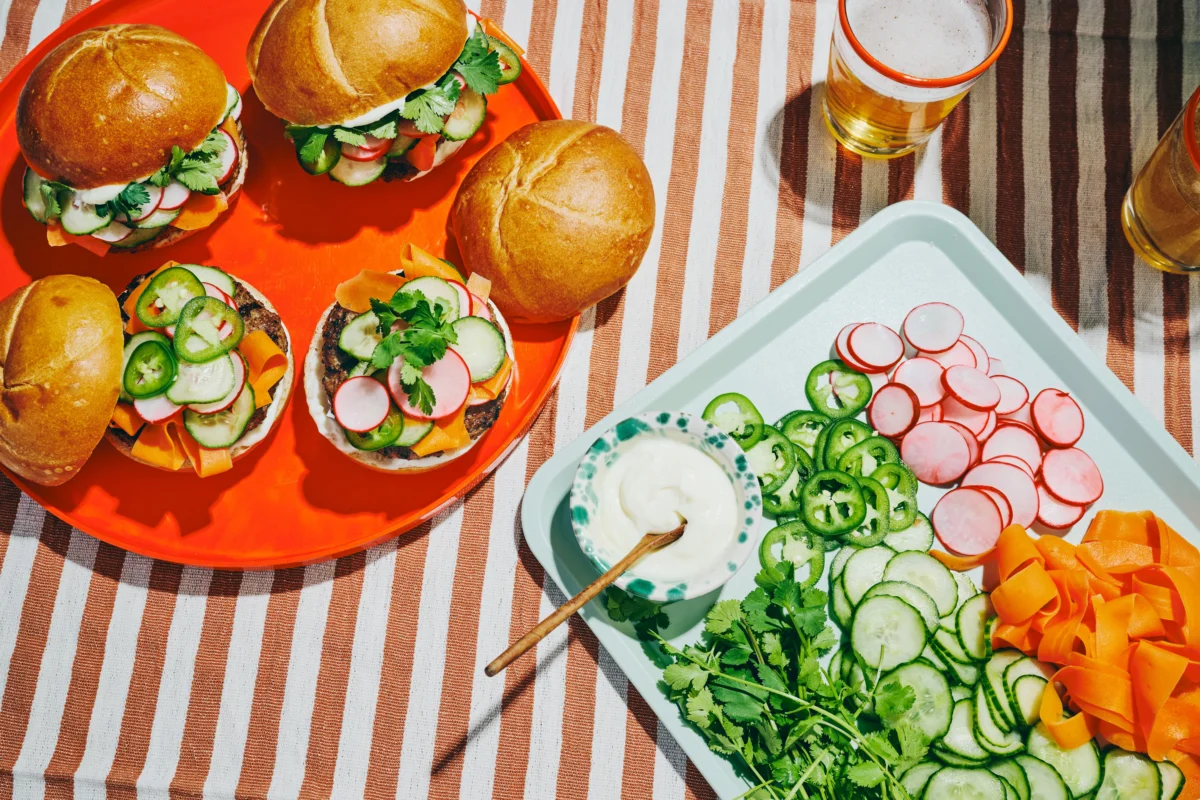
Labor Day weekend, observed annually on the first Monday of September, traditionally signals the unofficial conclusion of summer in the United States, a period marked by a final flourish of seasonal celebrations centered around outdoor gatherings and quintessential American fare. While the autumnal equinox officially ushers in fall later in the month, this holiday weekend serves as a cultural demarcation point, prompting millions to engage in one last major cookout, embracing the abundance of late-summer produce and classic grilling traditions. This transition period is not merely calendrical; it is deeply embedded in the nation’s social fabric, influencing consumer behavior, agricultural markets, and the broader leisure and hospitality sectors.
A Historical Perspective on Labor Day
To understand the profound significance of Labor Day, one must delve into its origins. The holiday emerged from the burgeoning labor movement of the late 19th century, a tumultuous era characterized by industrial expansion, harsh working conditions, and growing calls for workers’ rights. The concept of a dedicated day to celebrate the contributions of the American workforce gained traction amidst a climate of strikes, protests, and demands for an eight-hour workday, safer environments, and fair wages.
The first Labor Day parade was held in New York City on September 5, 1882, organized by the Central Labor Union. Thousands of workers marched through the streets, advocating for their rights and celebrating their collective strength. This event sparked a movement, and within a few years, many states began to recognize Labor Day as a legal holiday. Oregon was the first state to pass a law recognizing Labor Day in 1887, followed by Colorado, Massachusetts, New Jersey, and New York.
The push for federal recognition intensified after the Pullman Strike of 1894, a nationwide railroad strike that paralyzed much of the country’s rail traffic. In response to the strike’s violent suppression and as an attempt to reconcile with labor, President Grover Cleveland signed an act into law on June 28, 1894, making the first Monday of September a national holiday dedicated to the American worker. This act, passed just six days after the strike ended, was a significant victory for the labor movement, acknowledging the profound impact of workers on the nation’s prosperity and progress. Over time, the holiday’s focus broadened from purely recognizing labor unions to celebrating the contributions of all workers to the nation’s strength and well-being.
The Cultural Significance: Summer’s Last Hurrah
Beyond its historical roots in the labor movement, Labor Day weekend has evolved into a powerful cultural touchstone, widely regarded as the unofficial end of summer. This perception is deeply ingrained in American society, influencing everything from fashion trends (the proverbial "no white after Labor Day" rule, though increasingly disregarded) to retail cycles and, most notably, culinary traditions. For many, it signifies the end of carefree summer days, the return to school routines, and the gradual shift towards autumn’s cooler temperatures and holiday season preparations.
This symbolic transition fuels a collective desire to savor the remaining vestiges of summer, culminating in elaborate outdoor gatherings. Families and friends congregate for barbecues, picnics, and beach outings, seeking to maximize enjoyment of the season’s pleasant weather and relaxed atmosphere before the onset of autumn. The emphasis on outdoor dining, particularly grilling, becomes paramount, transforming backyards, parks, and beaches into vibrant hubs of activity.

The Culinary Landscape: A Feast of Late-Summer Flavors
The culinary traditions associated with Labor Day weekend are a rich tapestry woven from classic American comfort foods and the peak abundance of late-summer produce. The menu for these gatherings often reflects a desire for both hearty, satisfying grilled fare and the fresh, vibrant flavors of the season.
-
Grilled Meats: The Heart of the Cookout:
Burgers, ribs, and hot dogs remain perennial favorites, embodying the spirit of casual outdoor dining. Smash burgers, with their crispy edges and juicy interiors, have seen a resurgence in popularity, offering a gourmet twist on a classic. Barbecue ribs, often slow-cooked and finished on the grill with a smoky, tangy glaze, represent a labor of love for many pitmasters. Hot dogs, a staple of American cookouts, offer a quick and satisfying option, particularly for larger gatherings.
Beyond these traditional choices, there’s a growing trend towards diverse grilled options. Grilled salmon provides a lighter, yet equally flavorful alternative, rich in omega-3 fatty acids. Tofu burgers and other plant-based alternatives cater to vegetarian and vegan guests, reflecting evolving dietary preferences and the increasing availability of sophisticated meat substitutes. The act of grilling itself, with its distinct smoky aroma and communal nature, is central to the Labor Day experience. According to market research data, charcoal and gas grill sales typically peak in the months leading up to and including Labor Day, underscoring the holiday’s role as a prime grilling occasion. -
Peak Seasonal Produce: A Burst of Freshness:
What truly distinguishes Labor Day culinary offerings is the celebration of late-summer produce, which is at its absolute peak in terms of flavor and ripeness.- Tomatoes: Juicy, ripe tomatoes, whether heirloom varieties or classic beefsteaks, are abundant. They are showcased in simple salads with basil and mozzarella, sliced for burgers, or transformed into vibrant salsas and gazpachos. Agricultural experts often note that the late summer harvest yields tomatoes with optimal sugar content and acidity, making them ideal for a range of dishes.
- Corn: Sweet corn on the cob is another quintessential summer delight. Grilled, boiled, or roasted, it often features prominently, sometimes dressed simply with butter and salt, or elevated with chili-lime seasoning or cotija cheese. The freshness of local corn, harvested just days before the holiday, is a highly anticipated treat.
- Watermelon: This iconic summer fruit provides refreshing hydration and natural sweetness. Served in wedges, cubes, or incorporated into salads with feta and mint, watermelon is a staple at any Labor Day gathering. Its high water content and natural electrolytes make it particularly appealing during warm weather.
- Stone Fruit: Peaches, plums, nectarines, and cherries, often referred to as stone fruit, reach their zenith in late summer. Their sweetness and vibrant colors make them perfect for desserts like galettes, crumbles, or simply enjoyed fresh. Grilling stone fruit can also caramelize their sugars, adding another layer of flavor.
-
Classic Sides and Desserts:
No cookout is complete without an array of classic side dishes. Potato salad, often creamy and rich, or vinegar-based for a tangier profile, is a ubiquitous presence. Pasta salad, adaptable with various vegetables, cheeses, and dressings, offers versatility. Baked beans, slow-cooked with molasses and bacon, provide a hearty, savory complement to grilled meats. Coleslaw, whether creamy or vinaigrette-dressed, offers a crisp, refreshing counterpoint to richer dishes.
Desserts often feature the season’s bounty. Fruity galettes, with their rustic charm and focus on fresh fruit, are popular choices. Ice cream pies, offering a cool, creamy finish, are also a favorite. And, of course, no summer celebration would be complete without refreshing beverages like freshly squeezed lemonade, symbolizing the bright, crisp flavors of the season.
Economic Impact and Consumer Trends
Labor Day weekend represents a significant economic driver, particularly for the food retail, hospitality, and travel sectors. Consumer spending on groceries, alcoholic beverages, and related cookout supplies sees a notable surge in the days leading up to the holiday. Industry analysts frequently report that grocery sales, especially for grilling essentials, fresh produce, and beverages, experience a substantial spike, often comparable to other major holidays.
According to various retail associations, millions of Americans travel during the Labor Day weekend, contributing to increased spending on gasoline, lodging, and dining out. While the emphasis is often on home-based gatherings, restaurants, particularly those with outdoor dining options, also experience heightened demand. The demand for specific seasonal produce during this period can have a direct impact on local farmers and agricultural supply chains, providing a crucial boost at the tail end of the growing season. This economic activity underscores the holiday’s dual role: a celebration of labor and a significant consumer event.
Agricultural Implications: Sustaining the Harvest

For the agricultural sector, Labor Day weekend represents a critical window for moving late-season crops. The heightened consumer demand for items like corn, tomatoes, watermelon, and stone fruit provides farmers with a strong market for their harvest. This period is vital for minimizing waste and ensuring that the fruits (and vegetables) of their labor reach consumers at their peak.
Local farmers’ markets often experience a surge in visitors seeking fresh, regionally sourced ingredients for their holiday meals. This supports local economies and reinforces the farm-to-table movement, connecting consumers directly with the origins of their food. The demand signals from Labor Day weekend can also influence planting decisions for the following year, as farmers consider which crops consistently perform well in the late-summer market.
Beyond the Plate: Travel and Leisure
While food is central, Labor Day weekend’s broader impact extends to travel and leisure. As the last long weekend before the busy autumn and winter holiday seasons, it’s a popular time for short trips, camping excursions, and visits to beaches or national parks. The American Automobile Association (AAA) frequently reports millions of Americans traveling by car, plane, or train, making it one of the busiest travel periods of the year. This mobility further fuels the demand for convenient food options, whether picnic supplies from grocery stores or quick meals from roadside eateries. The intersection of travel and culinary traditions means that many families are either hosting a cookout at home, participating in one away from home, or bringing a signature dish to a larger communal gathering.
The Implied Transition to Autumn
The conclusion of Labor Day weekend often brings with it a noticeable shift in consumer behavior and industry focus. Retailers begin to transition from summer merchandise to fall apparel, school supplies, and early holiday decorations. Food marketers start promoting heartier, comfort-food recipes associated with cooler weather, such as stews, roasted vegetables, and pumpkin-spiced items.
For many, the post-Labor Day period marks a return to more structured routines, whether it’s academic schedules for students, a renewed focus on work for adults, or simply the psychological shift from vacation mode to daily life. This period of transition highlights the holiday’s powerful role not just as a day off, but as a significant marker in the annual rhythm of American life, bridging the carefree days of summer with the productive and festive seasons of autumn and winter. The final cookout becomes a symbolic act, a collective embrace of the warmth and bounty of summer before the inevitable embrace of cooler days and the distinct flavors of fall.
