

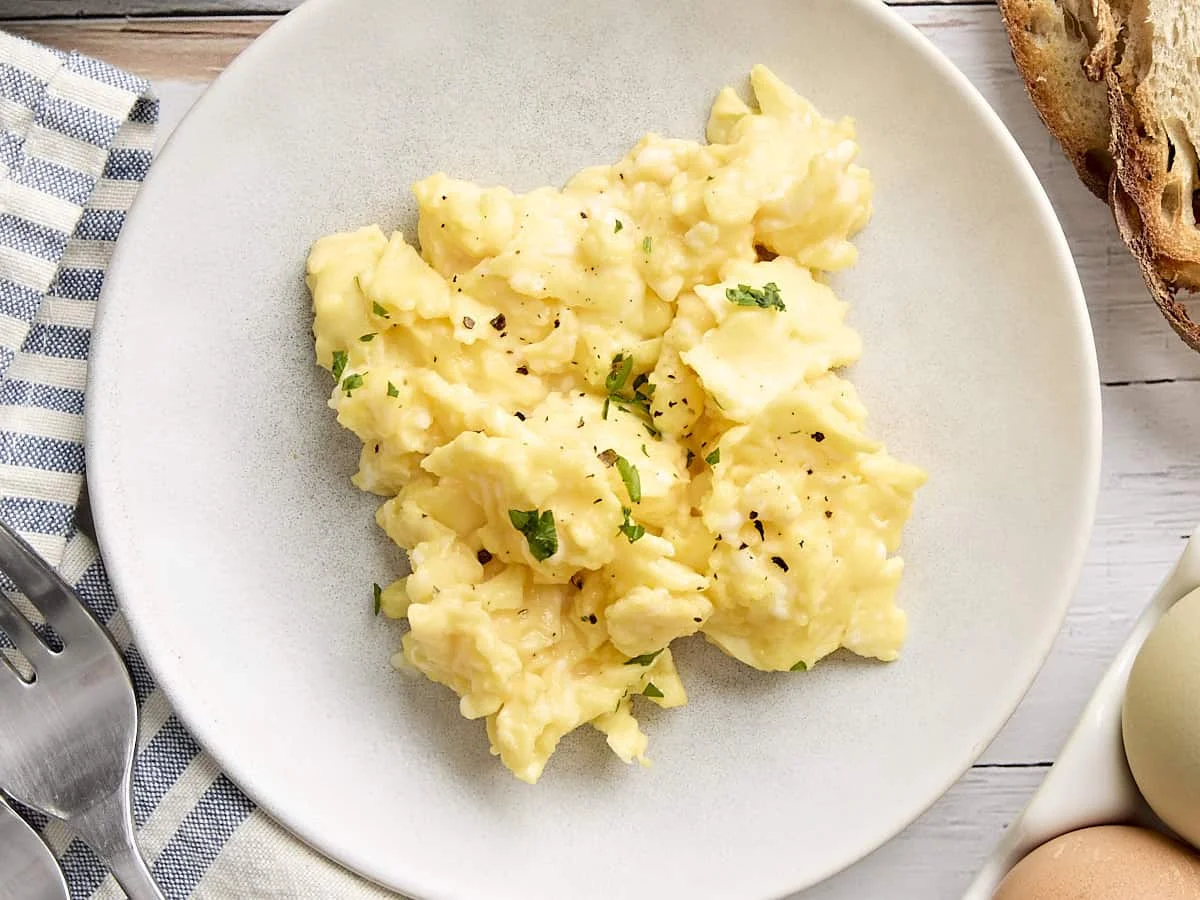
The avian egg remains one of the most versatile and cost-effective protein sources in the global food supply chain, serving as a fundamental staple for diverse demographics ranging from budget-conscious students to professional culinary experts. Beyond its affordability, the egg is a nutritional powerhouse, providing high-quality protein, essential vitamins, and minerals in a compact, easily stored format. In an era marked by fluctuating food prices and an increased focus on sustainable, nutrient-dense diets, the mastery of egg preparation has transitioned from a basic domestic skill to a strategic component of household economic management. Culinary research conducted at facilities such as the Nashville Test Kitchen emphasizes that the efficacy of egg-based meals relies on a combination of precision timing, temperature control, and the strategic integration of supplemental ingredients to enhance both volume and nutritional value.

The Economic and Nutritional Profile of Eggs
According to data from the United States Department of Agriculture (USDA), a single large egg contains approximately 6 grams of high-quality protein, including all nine essential amino acids. Furthermore, eggs are a significant source of choline, lutein, and zeaxanthin, which are critical for neurological health and ocular function. From an economic perspective, eggs consistently offer one of the lowest costs per gram of protein compared to red meats and poultry. This cost-efficiency became particularly relevant during the 2022-2023 period, when the global poultry market faced challenges due to Highly Pathogenic Avian Influenza (HPAI), causing a temporary spike in prices. Despite these fluctuations, eggs have remained a preferred option for consumers seeking to maintain nutritional standards while navigating inflationary pressures. The Nashville Test Kitchen’s research indicates that by utilizing eggs as a primary dinner component, households can reduce per-serving meal costs to under $1.50 while maintaining satiety.
Precision Boiling and Mechanical Preparation Methodologies
The foundational tutorials for egg preparation focus on the mechanical and thermal processes required to achieve specific textures. These methods have been standardized to ensure reproducibility across various kitchen environments.

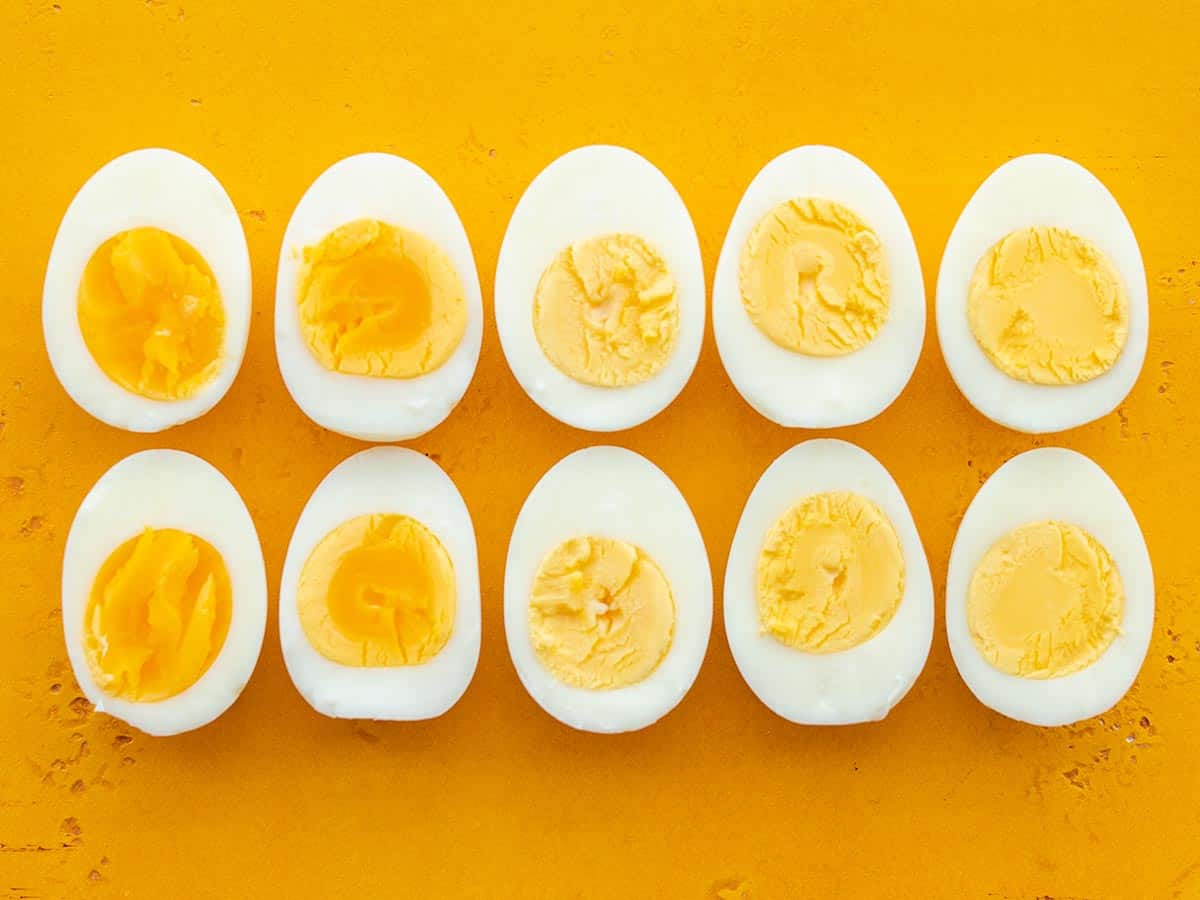
- Soft-Boiled Optimization: Achieving the "liquid gold" center characteristic of a perfect soft-boiled egg requires a precise six-minute submersion in boiling water followed by an immediate ice bath. This process halts the denaturation of proteins in the yolk while ensuring the whites are fully set. This technique is essential for applications in ramen bowls and gourmet toast.
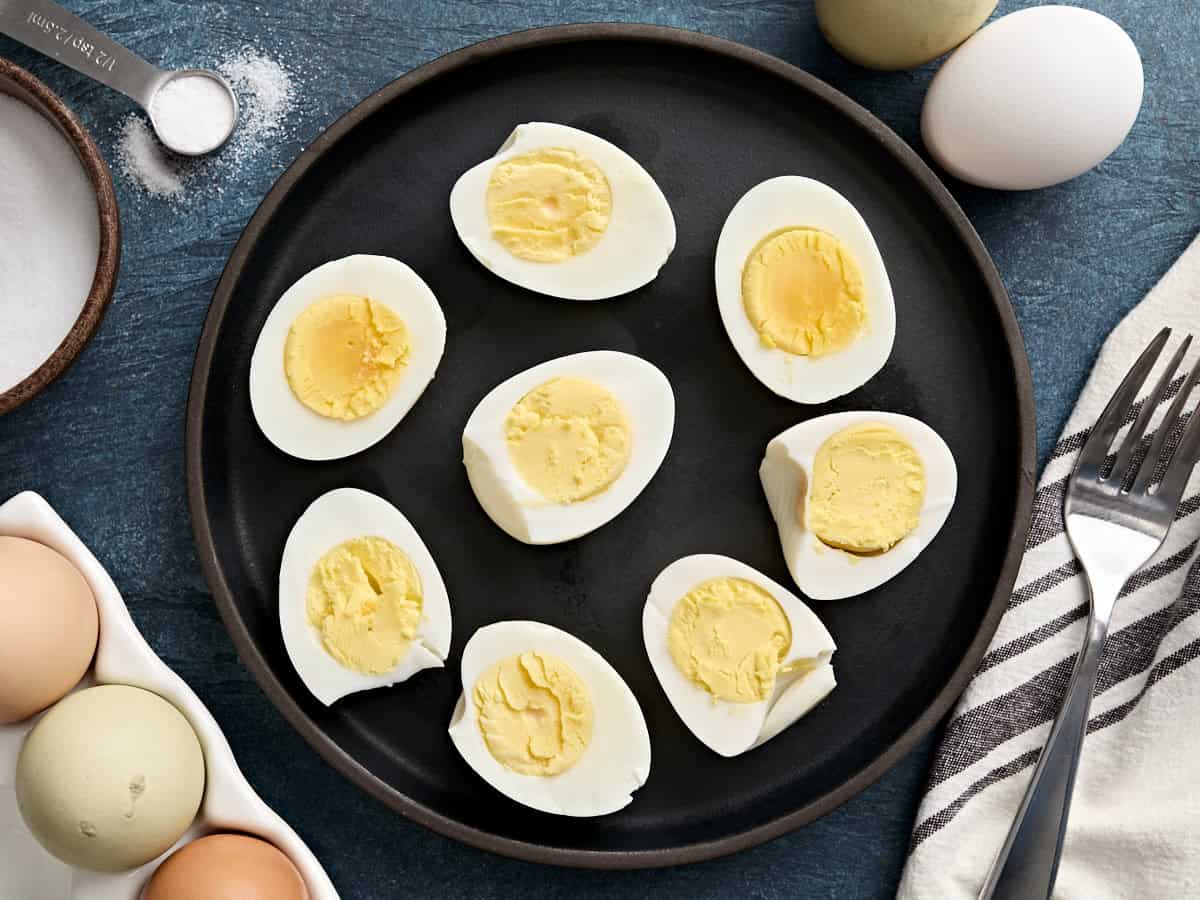
- Hard-Boiling Standards: To avoid the ferrous sulfate reaction—the "green ring" around the yolk—experts recommend a hot-water bath method where eggs are cooked off-heat after reaching a boil. This gentler approach ensures a creamy texture.
- Fried Egg Variations: The categorization of fried eggs into sunny-side up, over-easy, and over-hard depends on the duration of contact with the skillet and the timing of the flip. Professional standards emphasize the use of butter or oil to facilitate the Maillard reaction on the edges of the whites.
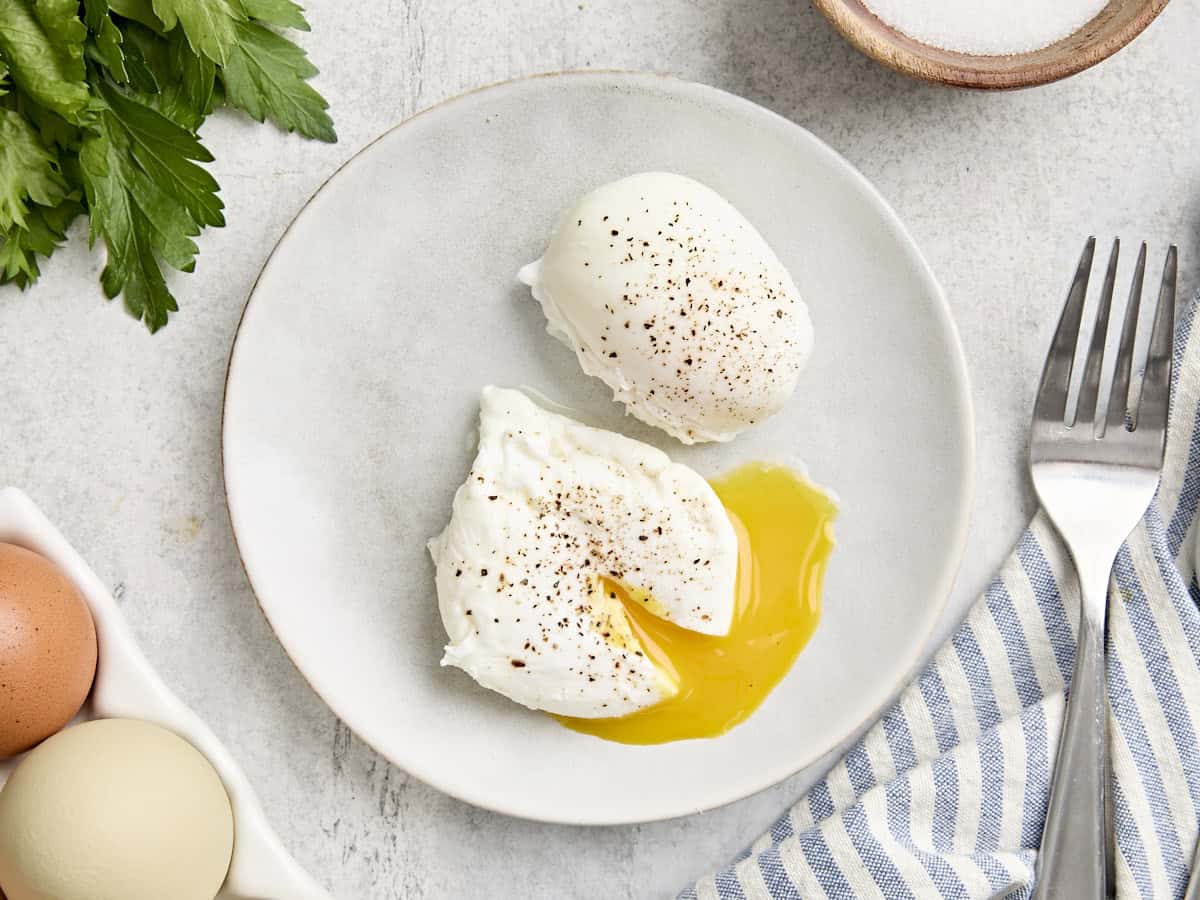
- The Science of Poaching: Poaching involves the coagulation of egg proteins in simmering water. The addition of acetic acid (vinegar) and the creation of a vortex are documented methods to maintain the structural integrity of the egg white around the yolk.
- Air Fryer Integration: Modern culinary trends have adapted the air fryer for egg preparation. Research suggests that a 17-minute cycle at specific temperatures can replicate the results of traditional boiling with a higher degree of "hands-off" efficiency, reflecting the increasing automation of domestic kitchens.
The Evolution of Scrambled Eggs: Volume and Texture Optimization
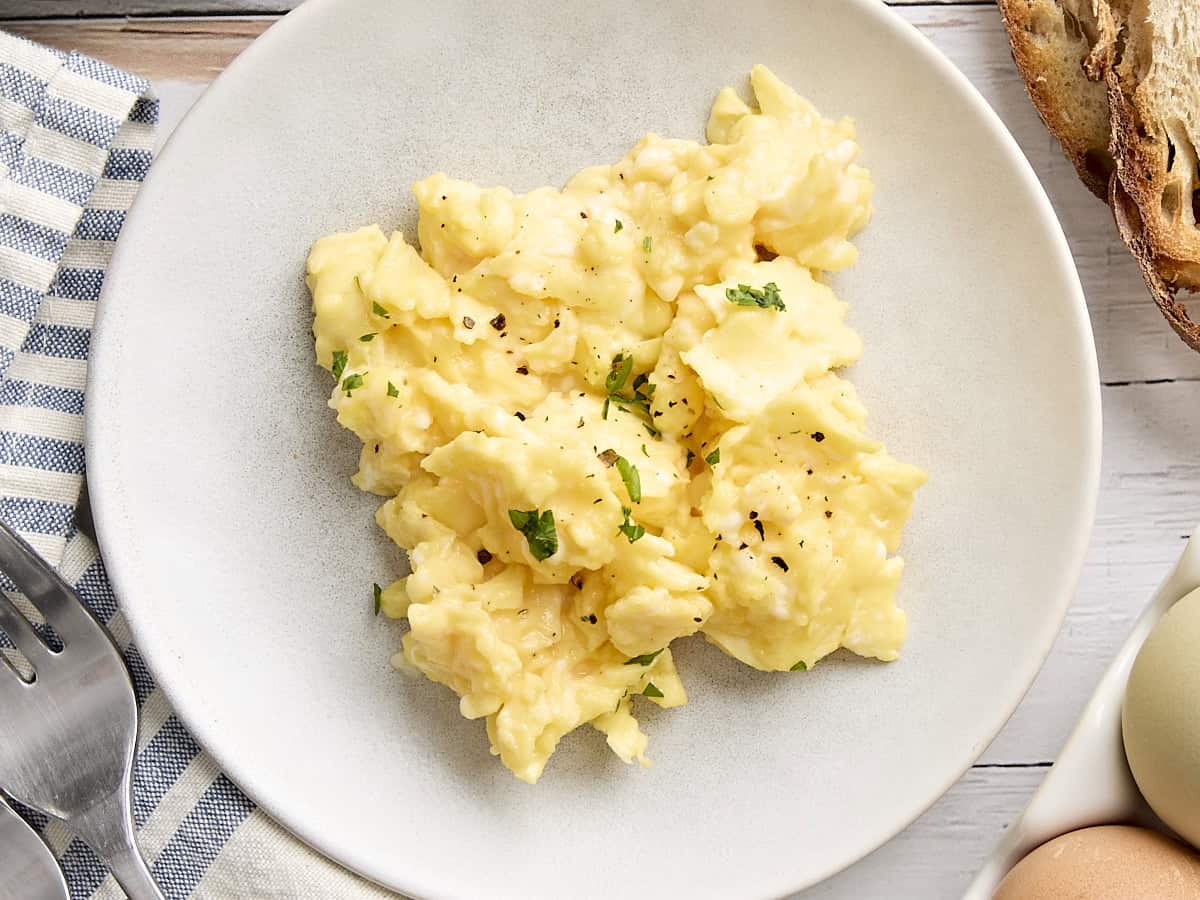
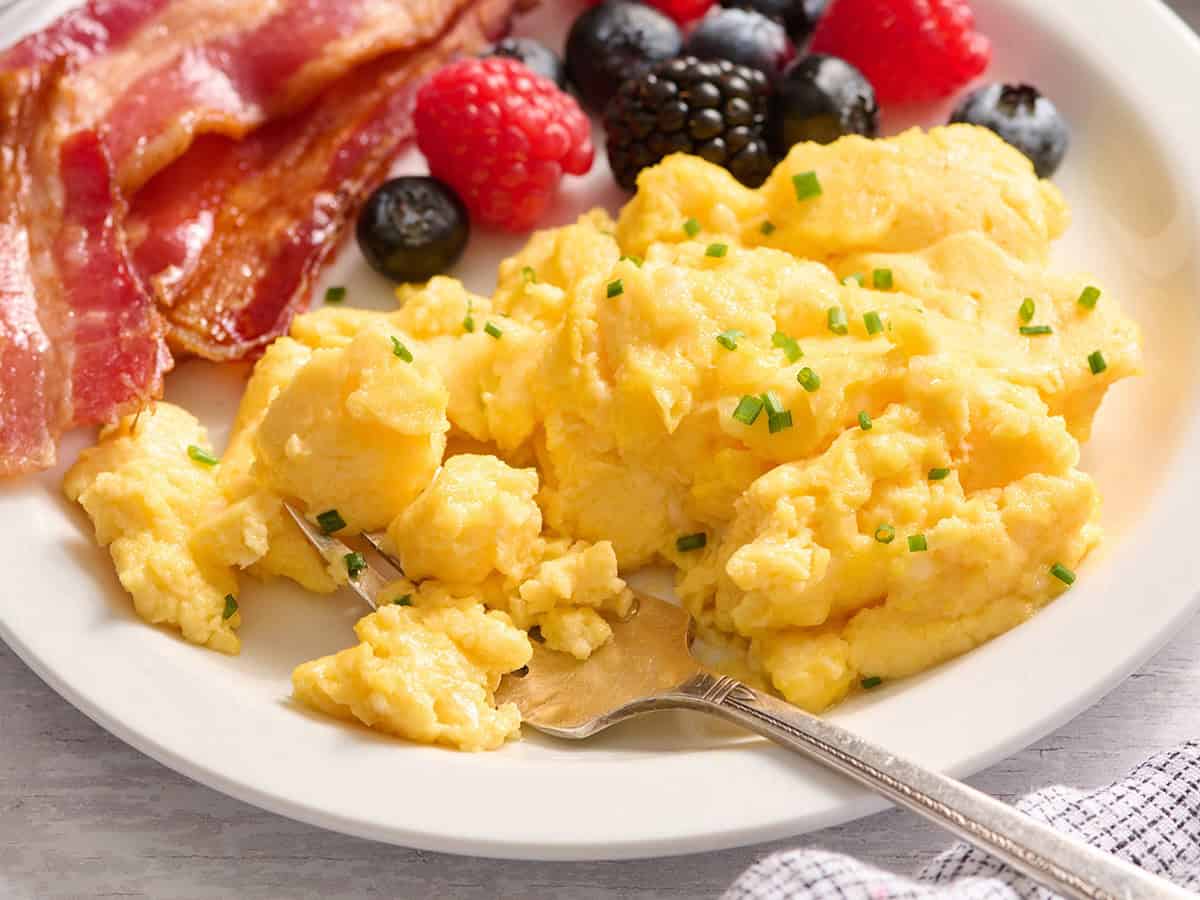
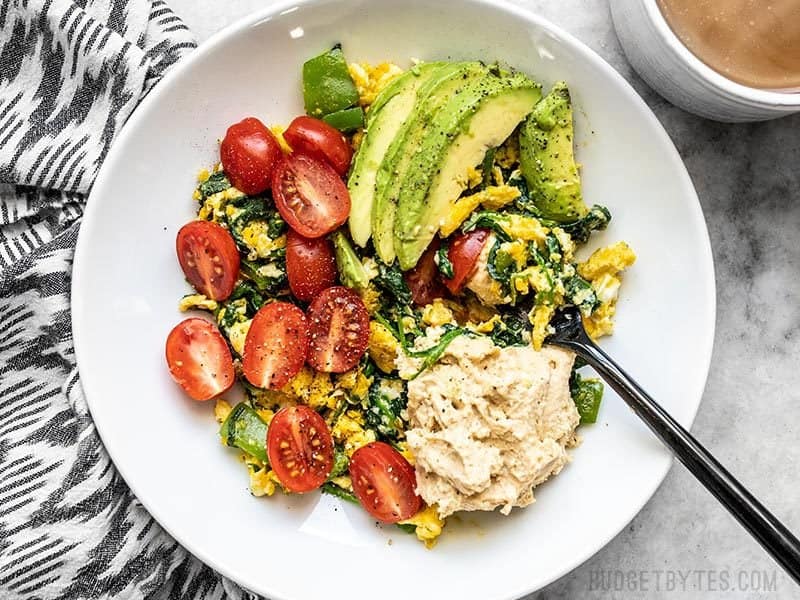
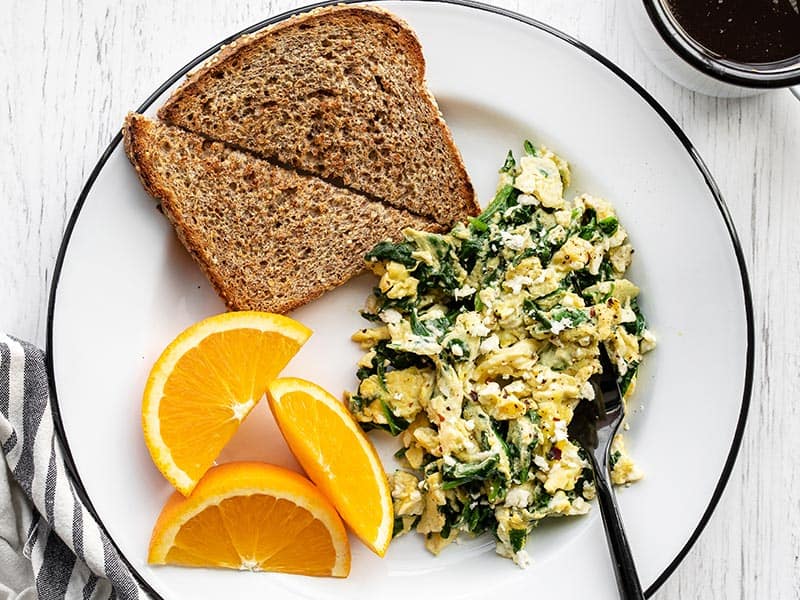
Scrambled eggs represent the most common entry point for egg consumption, yet the technique allows for significant nutritional enhancement through "bulking." By integrating high-volume, low-cost vegetables and dairy, the caloric density and satiety of the meal are improved.
The integration of cottage cheese into scrambled eggs has emerged as a significant trend in high-protein dieting. Data suggests that adding two tablespoons of cottage cheese increases the protein content by approximately 4 to 5 grams per serving while simultaneously providing a creamier texture without the need for high-fat heavy creams. Other variations include the Turkish Menemen, which incorporates onions, green peppers, and tomatoes, demonstrating the egg’s ability to absorb complex spice profiles. Regional adaptations such as Green Chile Migas utilize corn tortillas and peppers to provide a Tex-Mex flavor profile that serves as an inexpensive yet filling dinner alternative.
Strategic Meal Prepping: The Role of Freezer-Friendly Egg Dishes
In response to the demands of the modern workforce, freezer-friendly egg preparations have become a vital area of culinary development. The stability of cooked eggs when stored at sub-zero temperatures allows for the mass production of "grab-and-go" breakfasts.
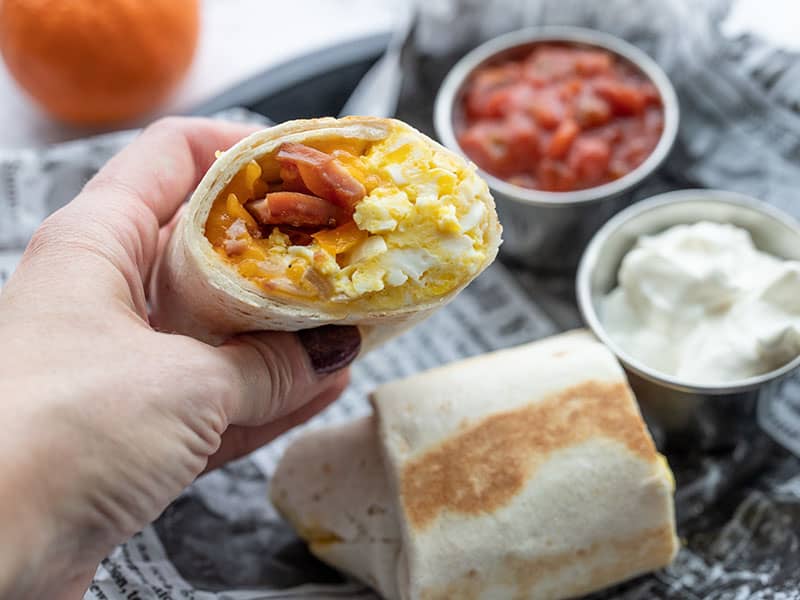
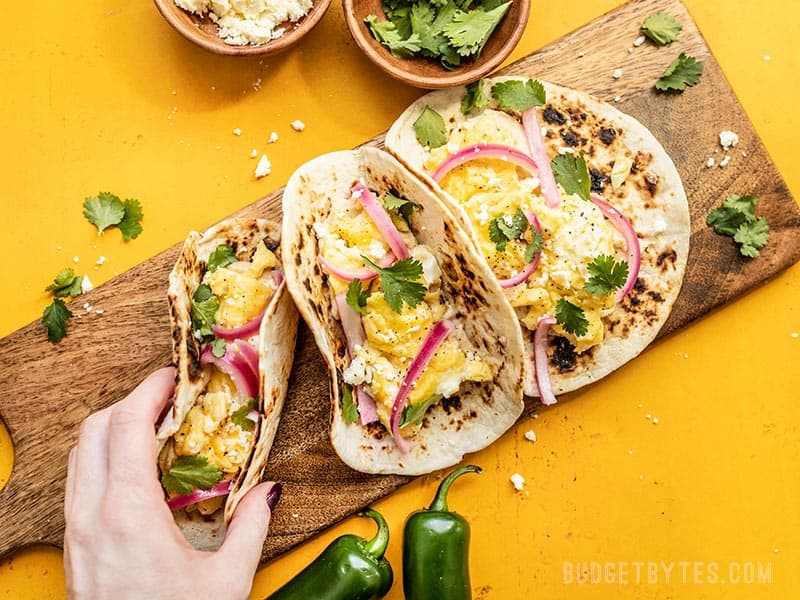
- Breakfast Burritos and Sandwiches: These items utilize flour tortillas or English muffins as a vehicle for scrambled eggs, cheese, and various legumes or meats. The Nashville Test Kitchen’s protocols suggest that these can be produced for approximately $1.25 to $1.41 per unit, significantly lower than commercial fast-food alternatives.
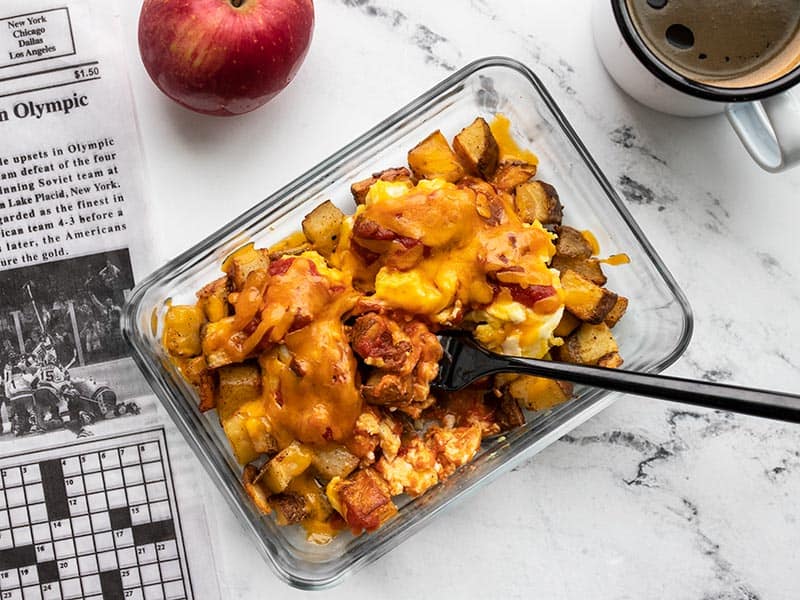
- Country Breakfast Bowls: By combining roasted potatoes with eggs and salsa, consumers can create a nutritionally balanced meal that maintains its structural integrity through the reheating process.
Baked Egg Protocols and High-Volume Efficiency
Baking eggs is identified as a superior method for feeding multiple individuals or for preparing several days of meals simultaneously. This category includes quiches, frittatas, and egg muffins.
The "crustless quiche" has gained popularity as a low-carbohydrate, high-protein option. By removing the traditional pastry crust, the cook reduces prep time and caloric intake while focusing on the density of vegetables like spinach and mushrooms. Furthermore, the use of puff pastry in dishes like Quiche Lorraine provides a sophisticated texture with minimal labor, often requiring only 10 minutes of active preparation.
Egg muffins, often referred to as "egg bites," represent a portion-controlled method of preparation. By using a standard muffin tin, cooks can customize individual portions with leftover ingredients, such as broccoli, bacon, or feta cheese, effectively reducing food waste within the household.
Gastronomic Shifts: Eggs as a Primary Dinner Component
The transition of eggs from a breakfast staple to a dinner centerpiece is a documented shift in consumer behavior, often referred to as the "breakfast for dinner" or "brinner" phenomenon. This shift is largely driven by time constraints and economic necessity.
- Shakshuka: This North African and Middle Eastern dish poaches eggs in a robust tomato and red pepper sauce. It serves as a prime example of a "one-pan meal" that offers a high degree of flavor complexity with minimal cleanup.
- Black Beans with Eggs: This combination focuses on the synergistic effect of pairing avian protein with plant-based protein (legumes). When served over rice, this dish provides a complete amino acid profile at a very low cost-per-serving.
- Ratatouille Frittata: This dish leverages the seasonal abundance of summer vegetables like eggplant and zucchini, using eggs as a binder to transform a vegetable side dish into a substantial main course.
Cultural and Specialized Egg Preparations
The versatility of the egg is further highlighted by specialized preparations that cater to specific cultural palates or social occasions.

- Chinese Steamed Eggs: A testament to the delicacy of the ingredient, this dish relies on a 1:1.5 or 1:2 ratio of egg to water/broth. The result is a savory custard with a silken texture, often finished with soy sauce and sesame oil. This method is noted for being exceptionally easy on the digestive system and is a staple in many East Asian households.
- Sriracha Egg Salad: The modernization of the classic egg salad involves the addition of capsaicin-rich sauces like Sriracha. This provides a metabolic boost and a contemporary flavor profile to a traditional dish.
- Deviled Eggs: Traditionally reserved for social gatherings, deviled eggs remain a top-tier appetizer due to their low production cost and high popularity. The use of Dijon mustard and dill relish are standard enhancements that provide the necessary acidity to balance the richness of the yolk.
Broader Impact and Implications
The continued reliance on eggs as a primary nutritional source has broader implications for public health and environmental sustainability. From a sustainability standpoint, the carbon footprint of egg production is significantly lower than that of beef or pork, making it a more environmentally viable protein source for a growing global population.
The findings from the Nashville Test Kitchen underscore a critical reality: the ability to cook eggs in diverse ways is not merely a matter of culinary preference, but a skill set tied to financial resilience. By mastering these 35 recipes and tutorials, consumers can effectively mitigate the impact of rising food costs without compromising on nutritional quality or flavor. The egg’s unique chemical properties—its ability to emulsify, leaven, and bind—ensure that it will remain the most indispensable item in the modern refrigerator. As food science continues to evolve, the integration of traditional methods with modern technology (such as the air fryer or microwave-safe meal prep containers) will continue to refine how this ancient staple is consumed in a fast-paced world.
In conclusion, the egg represents a rare intersection of economy, nutrition, and culinary art. Whether prepared as a simple soft-boiled snack or a complex Quiche Lorraine, it provides a scalable solution to the universal challenge of affordable healthy eating. The rigorous testing of these methods ensures that even the most novice cook can achieve professional-grade results, reinforcing the egg’s status as the ultimate kitchen staple.
