

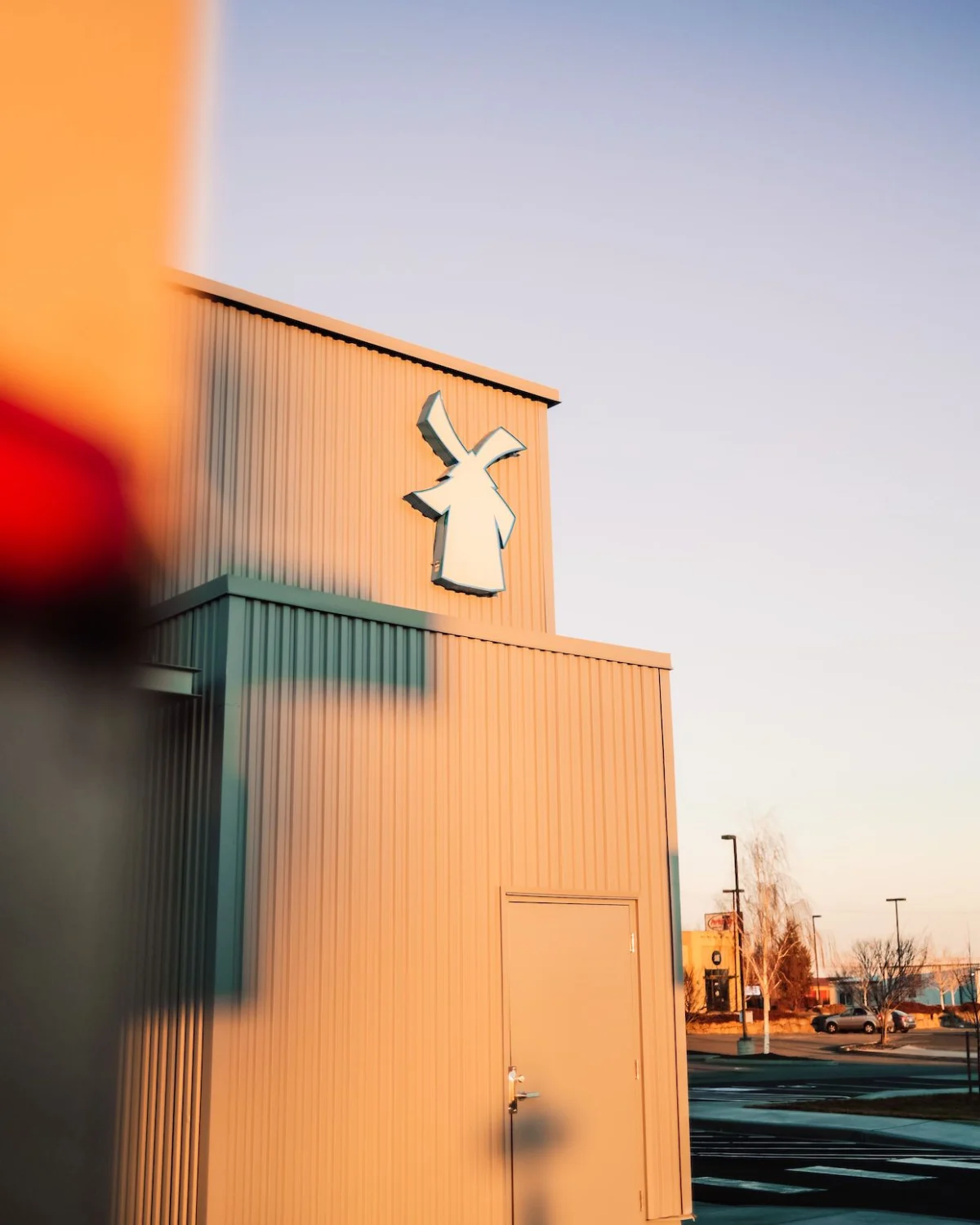
In a significant move signaling a strategic expansion and a potential revitalization of former fast-casual real estate, U.S. coffee giant Dutch Bros is in the process of acquiring approximately 65 former locations of Salad and Go, a once-prominent fast-salad chain that has recently filed for Chapter 11 bankruptcy protection. The proposed acquisition, valued at $105 million, would see Dutch Bros’ subsidiary, Boersma Bros. LLC, take over leases and site-related assets, including equipment, at a substantial number of these recently shuttered establishments.
The asset purchase agreement, dated August 4, outlines Dutch Bros’ intent to acquire leases and associated assets at 51 locations primarily situated in Arizona and Nevada. These 51 sites represent a significant portion of Salad and Go’s former operational footprint. In addition to these core locations, the agreement also encompasses 14 additional leases in Texas and Oklahoma, notably for a nominal purchase price of just $50. This dual-pronged approach to acquiring prime real estate underscores Dutch Bros’ aggressive growth strategy and its ability to capitalize on distressed asset opportunities.
However, the transaction is not yet finalized and remains subject to the crucial approval of the U.S. Bankruptcy Court for the Southern District of Texas. As of the latest available information, court documents reviewed by Daily Coffee News indicate that the sale has not yet closed, and the proposed order detailing the acquisition has not been signed by a presiding judge. This means the acquisition remains contingent on judicial consent, a standard but critical step in bankruptcy proceedings.
The swift bankruptcy filing by And Go Concepts LLC, the primary operating entity behind Salad and Go, along with four affiliated companies on August 4, marks a dramatic downturn for a company that, at its peak, was valued at over a billion dollars. The debtors have articulated a clear plan to sell off assets and execute an orderly wind-down of their operations, a process that Dutch Bros’ proposed acquisition directly supports.
A Comprehensive Asset Transfer
The scope of the proposed purchase agreement is comprehensive, extending beyond mere leases. It includes the transfer of furniture, fixtures, equipment, vehicles, computers, point-of-sale systems, and existing leasehold improvements. Furthermore, Dutch Bros would acquire certain site-specific customer lists, security deposits, and transferable utility contracts. Importantly, the agreement explicitly excludes the Salad and Go brand name and any associated intellectual property, indicating Dutch Bros’ intention to repurpose the locations for its own distinct brand identity.
The 51 former Salad and Go locations designated for acquisition in Arizona and Nevada are geographically concentrated. Specifically, 47 of these sites are located within Arizona, a state where both companies have a significant presence. Four of the former Salad and Go locations are situated in Las Vegas, Nevada. The additional 14 leases are split between Texas and Oklahoma, with 12 in Texas and two in Oklahoma. In total, the initial agreement covers 65 leases, though the agreement includes provisions that could allow for adjustments to this number as the process unfolds.
Dutch Bros’ Unrelenting Expansion Trajectory
This strategic acquisition comes at a time when Dutch Bros is actively engaged in a period of aggressive expansion. As of March 31, the popular coffee chain boasted a considerable network of 1,177 shops spread across 25 states. The company has consistently demonstrated a commitment to increasing its market share through both organic growth and opportunistic acquisitions. The acquisition of Salad and Go’s former locations presents a compelling opportunity to rapidly expand its footprint, particularly in key markets where it already has a presence or seeks to establish a stronger foothold. The drive-through model inherent to many of Salad and Go’s former sites aligns perfectly with Dutch Bros’ own highly successful drive-through-centric operating model, potentially reducing the need for significant site modifications.
The Rise and Fall of Salad and Go
Salad and Go was established in Gilbert, Arizona, in 2013 with a distinct vision: to offer a healthy, convenient alternative to traditional fast food. The company’s innovative model centered on compact, drive-through-only restaurants, strategically supported by centralized food-production facilities. This operational structure allowed for efficient preparation and rapid delivery of fresh, customizable salads and wraps.
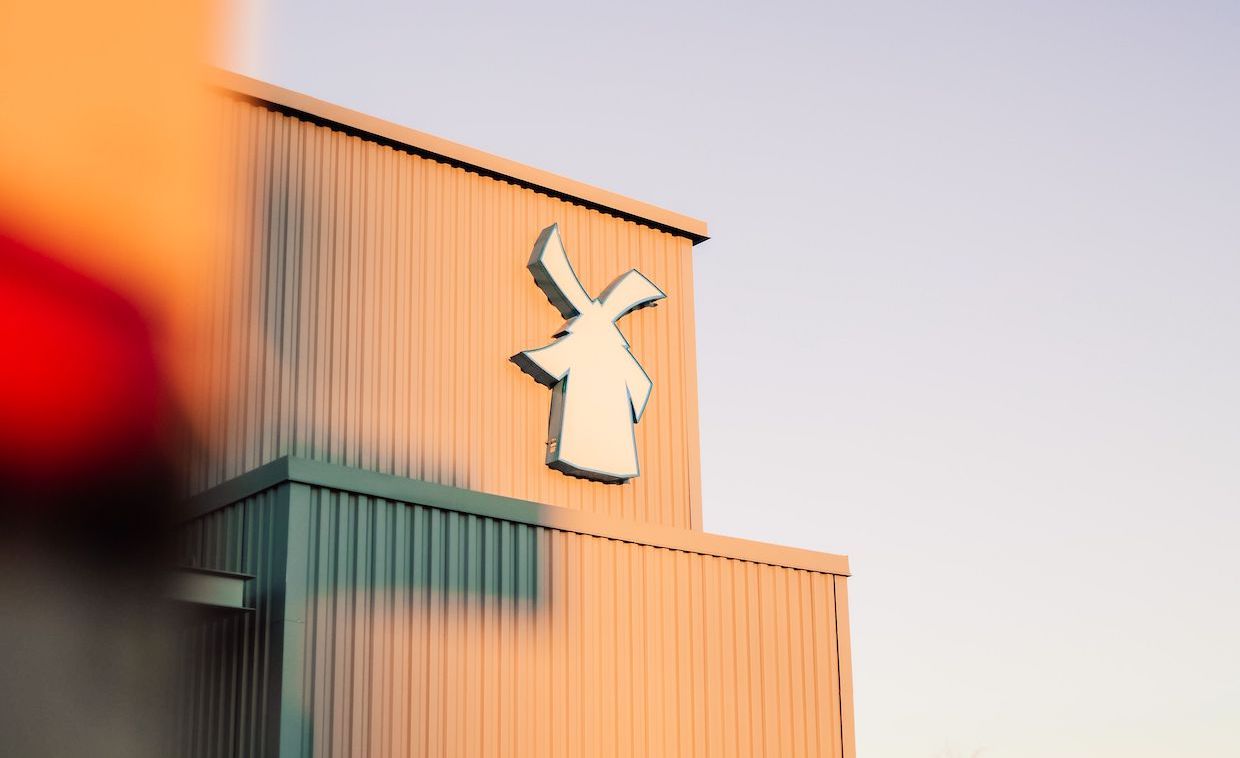
The company experienced a period of significant growth, particularly after 2021, when it embarked on an ambitious expansion into Texas and Oklahoma. At its zenith, Salad and Go operated an impressive 146 locations across four states. Its rapid ascent culminated in an estimated valuation of $1.1 billion in 2022, according to a Chapter 11 declaration filed by Francis Gallagher, Salad and Go’s Chief Financial Officer. This valuation underscored the market’s initial enthusiasm for its health-focused, convenient dining concept.
However, the company’s trajectory shifted dramatically in the subsequent years. Facing mounting operational challenges and likely market saturation, Salad and Go began to scale back its operations. In September 2025, the company closed approximately 41 underperforming locations. This was followed by the complete cessation of operations for all remaining restaurants in Texas and Oklahoma in January of the current year. The final blow came on August 5, the day after filing for Chapter 11 protection, when the approximately 70 remaining locations nationwide ceased operations. This rapid contraction points to underlying financial vulnerabilities and an inability to sustain its ambitious growth model in the face of market pressures.
Legal and Financial Underpinnings of the Deal
The acquisition by Boersma Bros. LLC, a subsidiary of Dutch Bros Inc., is structured as an asset purchase under bankruptcy law. This type of transaction allows the buyer to select specific assets and liabilities from the bankrupt entity, offering a degree of protection from undisclosed or unwanted obligations. The bankruptcy court’s oversight is crucial to ensure that the sale is conducted in a manner that is fair to all creditors and stakeholders of Salad and Go.
The Chapter 11 filing by And Go Concepts LLC provides a legal framework for the company to reorganize its debts and assets. While the stated plan is to wind down operations, the sale of valuable real estate leases and equipment to a financially robust entity like Dutch Bros offers a potential path to recovery for some of Salad and Go’s creditors. The nominal price for the Texas and Oklahoma leases suggests that these may have been considered less desirable or require more investment, but their inclusion still represents an opportunity for Dutch Bros to secure potential expansion sites at minimal upfront cost.
Analyzing the Implications
The proposed acquisition has several notable implications for both Dutch Bros and the broader fast-casual and coffee retail landscape. For Dutch Bros, this represents a highly efficient method of acquiring prime retail locations. By purchasing existing leases and site infrastructure, the company can significantly accelerate its expansion timeline and reduce the capital expenditure typically associated with new store development, such as land acquisition and new construction. The concentrated nature of the Salad and Go locations in Arizona and Nevada could allow Dutch Bros to solidify its presence in these key Western markets, potentially creating synergistic operational efficiencies and enhancing brand visibility.
From a market perspective, the acquisition highlights the ongoing consolidation within the quick-service restaurant and coffee sectors. Companies with strong financial standing and proven expansion models are adept at leveraging periods of distress among competitors to gain market share. The failure of Salad and Go, despite its initial promise and high valuation, serves as a cautionary tale about the challenges of rapid scaling and the intense competition within the food and beverage industry.
The repurposing of these former Salad and Go sites by Dutch Bros could also lead to a revitalized retail landscape in the affected areas. While Salad and Go offered a health-focused alternative, Dutch Bros caters to a different consumer demand for specialty coffee and beverages. This shift could attract a different customer base to these locations, potentially injecting new economic activity into the communities.
Furthermore, the inclusion of customer lists and site-specific data, while not encompassing the brand itself, could provide Dutch Bros with valuable insights into consumer behavior and local market demographics, further informing their strategic decisions for these newly acquired sites. The success of this acquisition hinges on Dutch Bros’ ability to effectively integrate these new locations into its operational framework and capitalize on their strategic positioning. The bankruptcy court’s final approval will be a critical determinant in the unfolding of this significant retail real estate transaction.
