

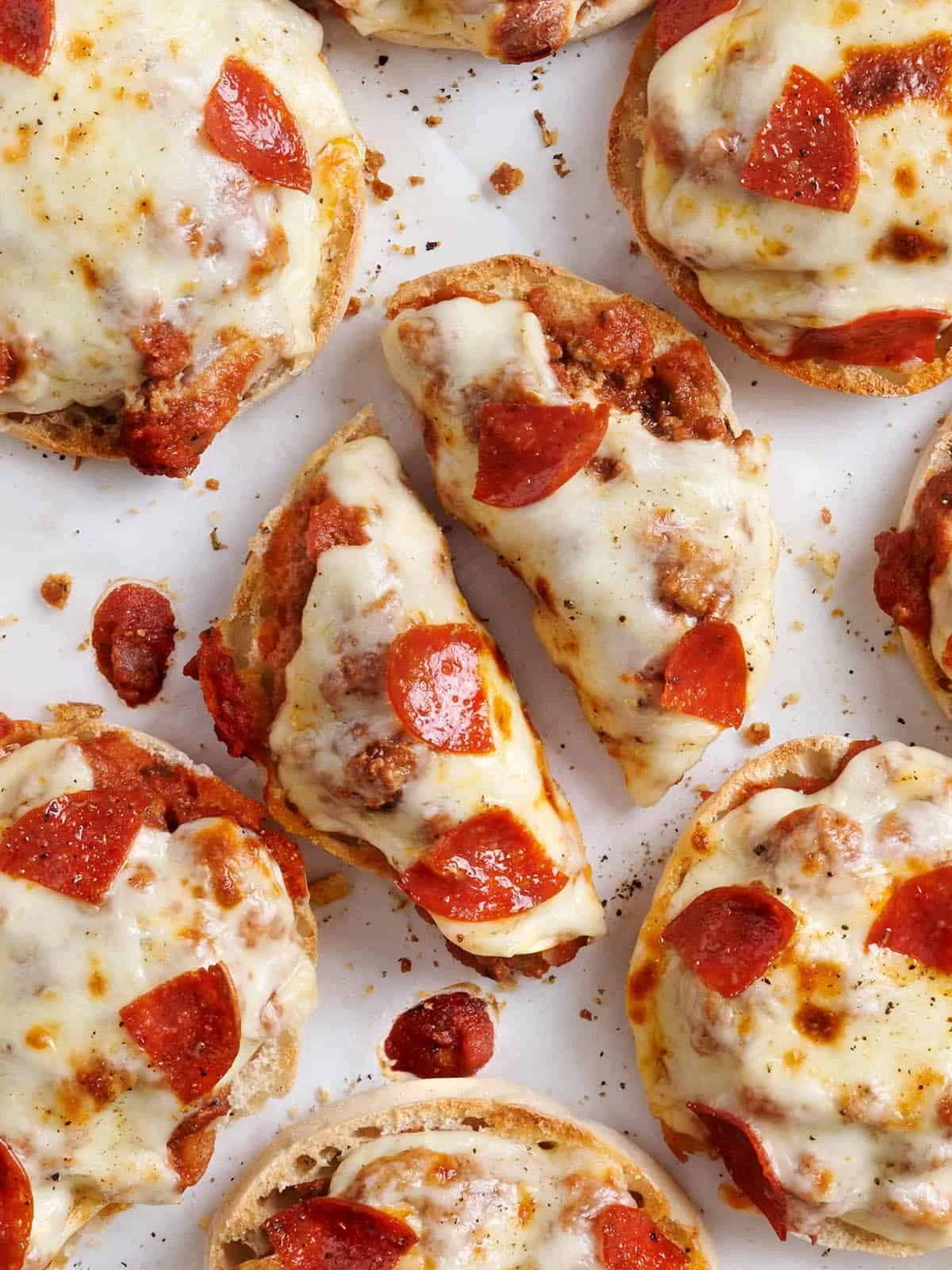
The culinary landscape of the 21st century is increasingly defined by a tension between the desire for gourmet complexity and the practical necessity of economic efficiency. Within this context, the "pizza burger"—a hybrid dish that traditionally features a seasoned meat mixture served open-faced on a bread base—has emerged as a significant case study in domestic meal planning. Recently refined by culinary experts at the Nashville Test Kitchen, the modern iteration of this dish utilizes toasted English muffins, frozen vegetable blends, and a strategic mix of ground proteins to deliver a meal that is both a nostalgic callback to mid-century American institutional dining and a solution to contemporary inflationary pressures. At an estimated cost of $1.71 per serving, the pizza burger represents a growing trend in "semi-homemade" cooking that prioritizes speed, budget-friendliness, and nutrient density without sacrificing the palatability required to satisfy diverse age groups.
Historical Context and the Evolution of Institutional Comfort Food
To understand the enduring appeal of the pizza burger, one must examine its origins within the American National School Lunch Program (NSLP). Established in 1946, the NSLP sought to provide nutritionally balanced, low-cost lunches to children. By the 1960s and 1970s, cafeteria managers were tasked with creating "fusion" dishes that could utilize commodity ingredients—such as ground beef, canned tomato paste, and bulk-purchased bread products—in ways that appealed to the changing tastes of the youth.
The pizza burger was a product of this era, serving as a middle ground between the classic American hamburger and the surging popularity of Italian-American pizza. Unlike the standard burger, which requires a cohesive patty, the pizza burger often utilized a "loose-meat" or "sloppy joe" style preparation, which allowed for easier portioning and the incorporation of vegetable extenders. The contemporary revival of this recipe by Nashville-based culinary instructors highlights a return to these efficiency-based roots, albeit with updated techniques to improve texture and flavor profiles.
Economic Analysis: The $1.71 Price Point
In an era where the Consumer Price Index (CPI) for food at home continues to fluctuate, the financial viability of the pizza burger is a primary driver of its popularity. A detailed breakdown of the recipe’s costs reveals a total expenditure of approximately $10.27 for a six-serving batch. This translates to roughly $1.71 per serving, a figure that stands in stark contrast to the average cost of a fast-food meal, which currently exceeds $7.00 per person in most American metropolitan areas.
Several strategic procurement choices contribute to this low price point:
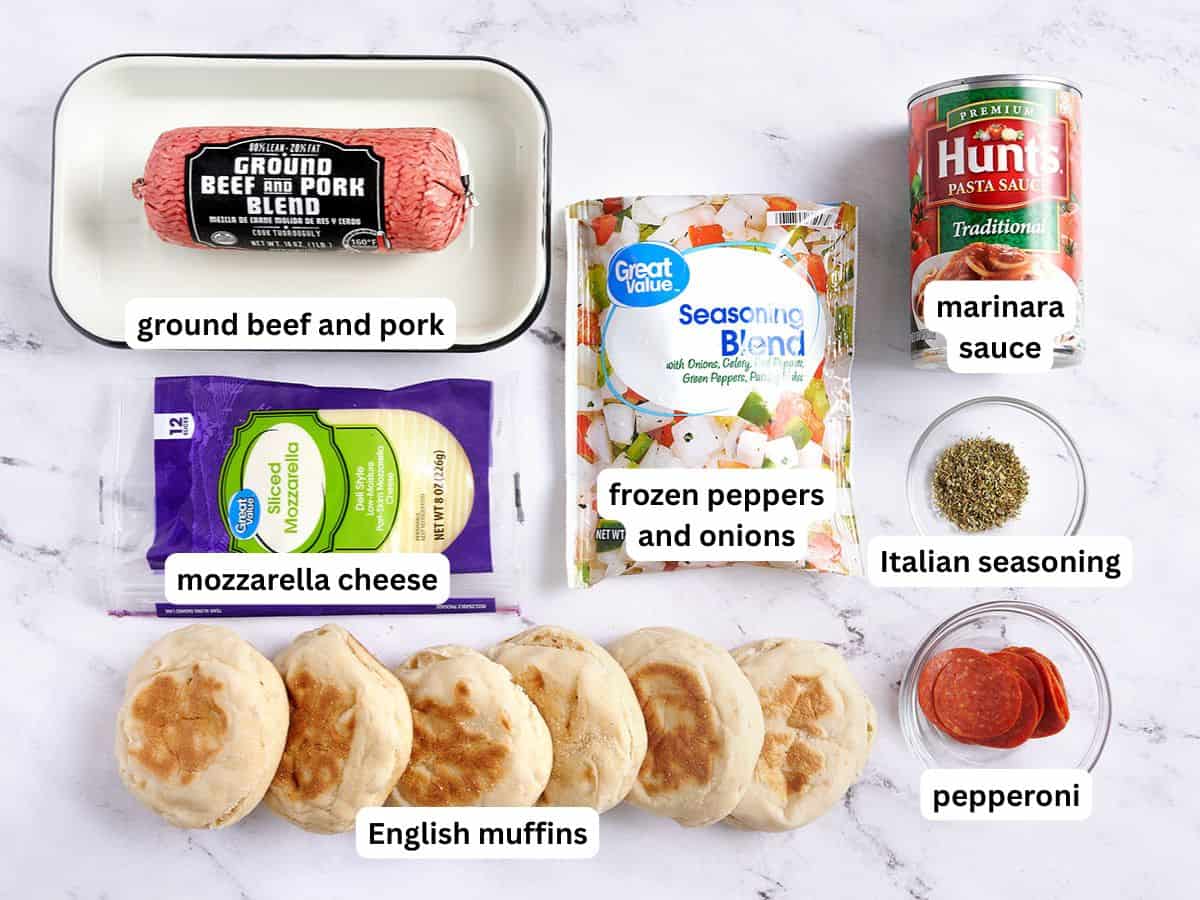
- Protein Blending: The use of a ground beef and pork blend is a critical cost-saving measure. Market data frequently shows that ground pork is priced significantly lower than pure ground beef. By combining the two, home cooks can achieve a higher fat-to-lean ratio that mimics premium burger blends while reducing the overall cost per pound.
- Frozen Logistics: The recipe utilizes a frozen "seasoning blend" of peppers and onions. According to agricultural economists, frozen vegetables are often more cost-effective than fresh counterparts because they eliminate "shrink" (waste from spoilage) and reduce labor costs associated with preparation.
- Bread Substitutions: Utilizing English muffins instead of traditional pizza dough or specialized brioche buns provides a shelf-stable, portion-controlled base that maintains its structural integrity when subjected to heavy, saucy toppings.
Technical Methodology and Preparation Chronology
The preparation of the modern pizza burger is designed to fit within a 30-minute window, catering to the "time-poor" demographic of working households. The process is a refined sequence of heat management and moisture control.
Phase I: Preparation and Base Toasting
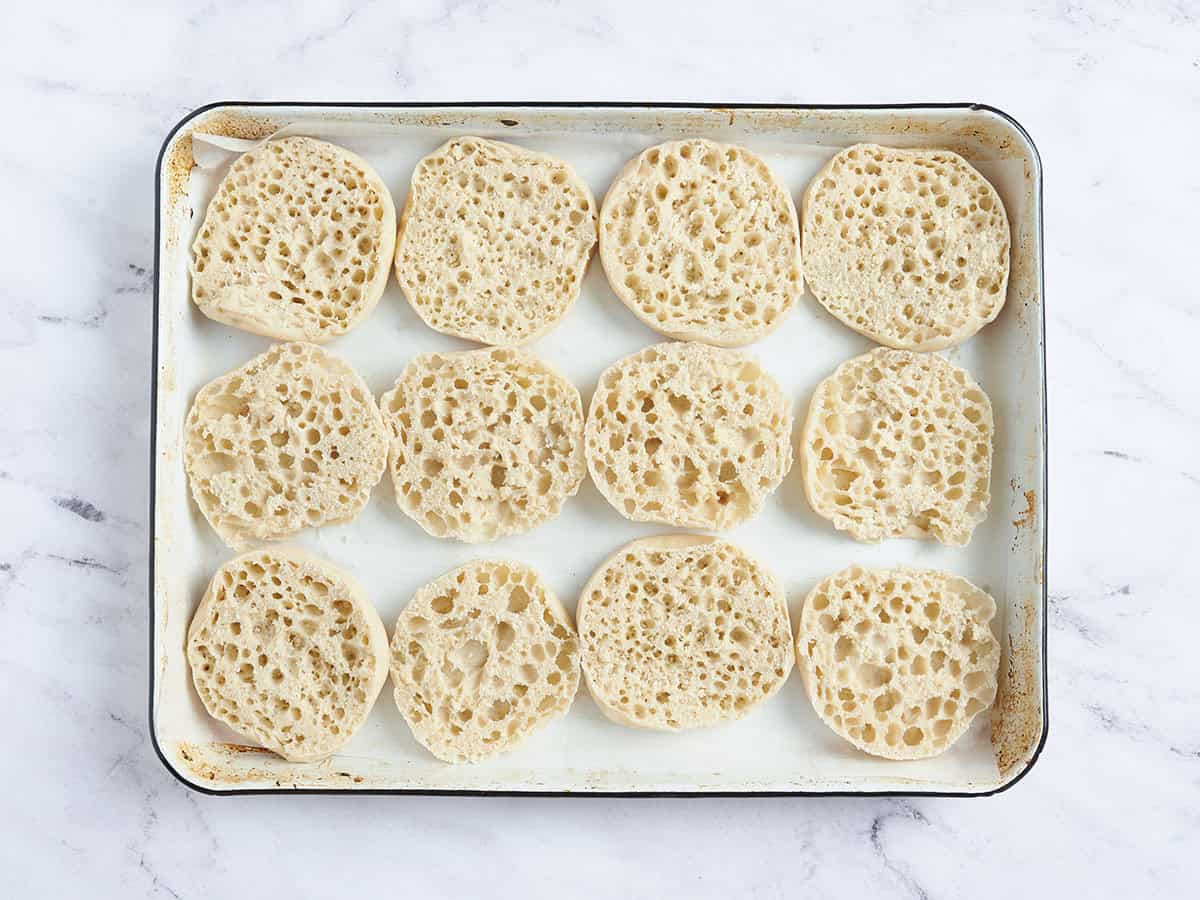
The process begins with preheating the oven to 350°F. The selection of English muffins as the vessel is intentional; their porous "nooks and crannies" are ideal for trapping the marinara sauce. A preliminary five-minute toast is mandatory. This creates a hydrophobic barrier of toasted starches, preventing the sauce from migrating into the bread and causing sogginess during the final bake.
Phase II: The Maillard Reaction and Vegetable Integration
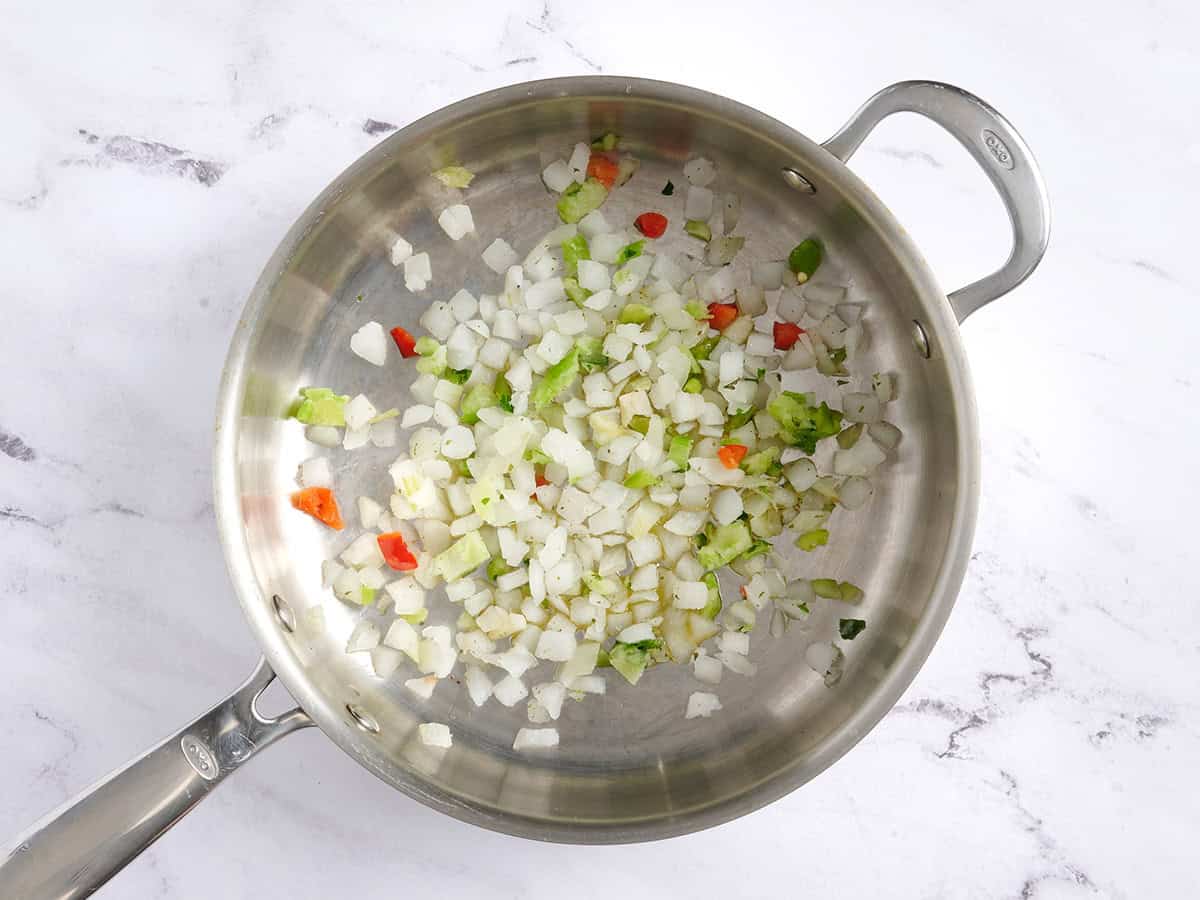
While the muffins toast, a single teaspoon of olive oil is used to sauté the frozen vegetable blend. This step serves two purposes: it evaporates the excess water inherent in frozen produce and initiates the Maillard reaction, caramelizing the natural sugars in the onions and peppers to provide a foundational umami layer.
Phase III: Protein Development and Fat Management
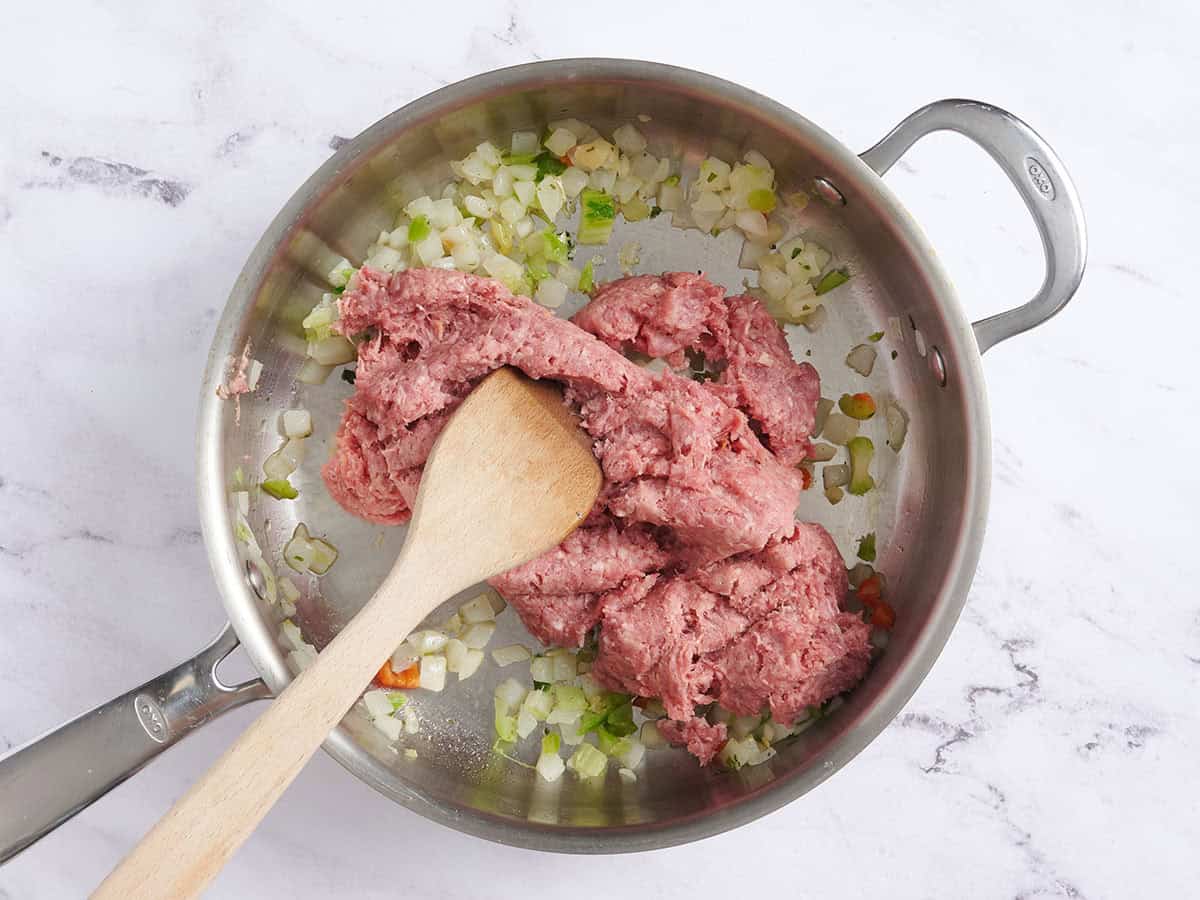
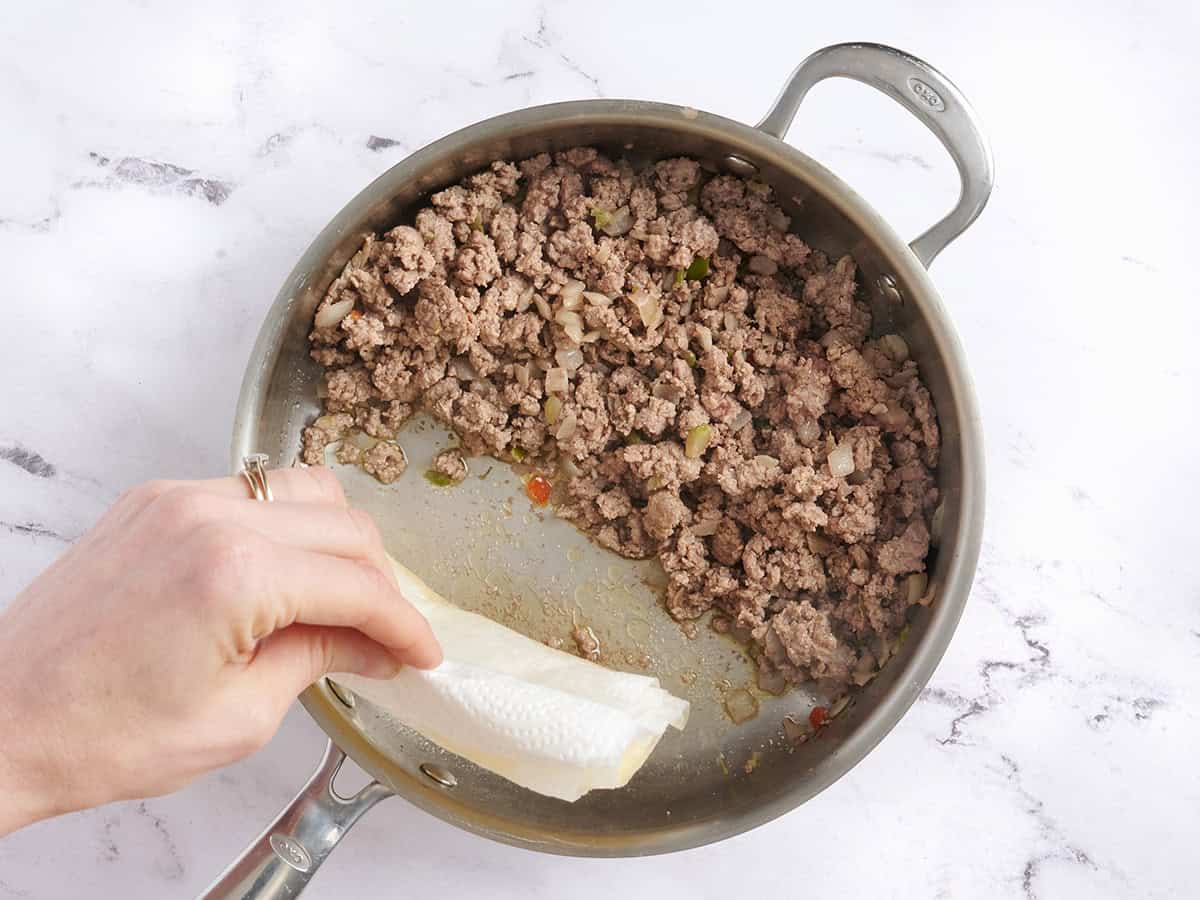
The meat blend is added to the skillet and broken into fine crumbles. Internal temperatures must reach 160°F to ensure food safety. A critical step in the Nashville Test Kitchen methodology is the removal of excess fat after browning. By blotting the pan with paper towels or draining the rendered lipids, the cook ensures that the final product remains "rich and savory without making it greasy," a common pitfall in high-fat ground meat recipes.
Phase IV: Reduction and Assembly
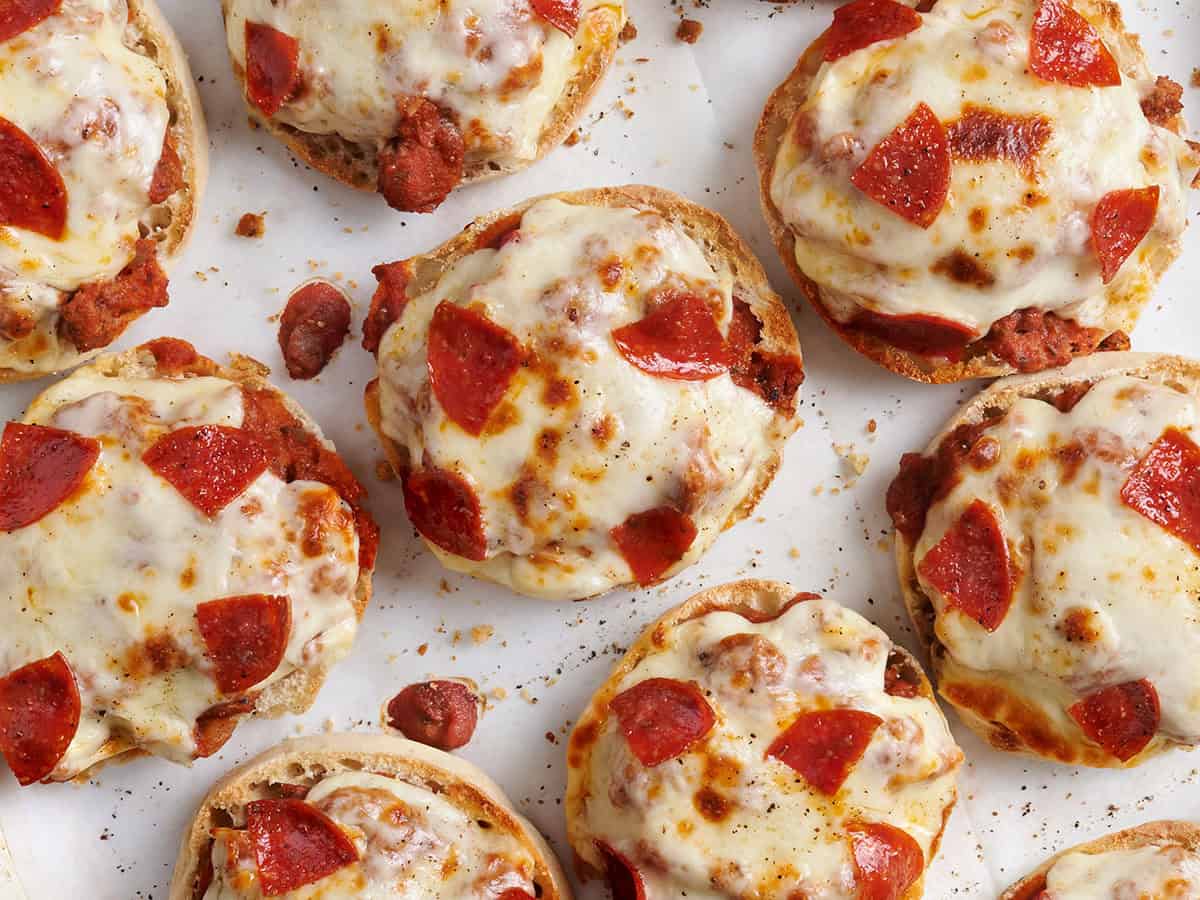
The addition of a 24-ounce container of marinara sauce and Italian seasoning transforms the crumbles into a thick ragù. A six-minute simmer is recommended to reduce the sauce’s water content. The final assembly involves mounding the mixture onto the toasted muffins, topping with halved mozzarella slices—to ensure total coverage—and optional pepperoni. The final bake (8–10 minutes) focuses on cheese emulsification and the crisping of the edges.
Nutritional Profile and Dietary Implications
From a nutritional standpoint, the pizza burger is a calorie-dense meal designed for high satiety. A single serving (consisting of two open-faced halves) contains approximately 569 calories. The protein content is notably high at 33 grams, representing roughly 66% of the recommended daily value for an average adult. This makes it an effective post-activity meal.
However, the dish is also high in sodium (1285 mg) and fat (32 g), largely due to the inclusion of processed cheese and cured meats like pepperoni. Health professionals suggest that while the dish is an excellent source of protein and provides 5 grams of dietary fiber, it is best balanced with low-sodium side dishes, such as a fresh Caesar salad or steamed green beans, to mitigate the overall salt intake of the meal.
Broader Impact on Home Food Management
The pizza burger recipe serves as a template for "fridge-clearing" and food waste reduction. The versatility of the topping allows for the incorporation of various leftover ingredients—mushrooms, spinach, olives, or different cheese varieties—which aligns with global sustainability goals regarding food waste.
Furthermore, the "freezer-friendly" nature of the meat mixture addresses the growing demand for meal-prep solutions. By preparing the saucy meat base in bulk and freezing it, households can reduce their reliance on ultra-processed frozen dinners. The ability to bake the assembled burgers directly from a frozen state (at 350°F) provides a level of convenience previously reserved for commercial products, but with the quality control of home cooking.
Expert Analysis and Future Outlook
Culinary instructors, including those involved in the Nashville Test Kitchen, emphasize that the success of such recipes lies in their "realistic" nature. Chef Jess Rice, a contributor to the development of these budget-friendly standards, notes that the use of shortcuts like Walmart’s "Seasoning Blend" is not a compromise in quality but a strategic move for the modern kitchen.
As food prices remain a central concern for consumers, the culinary industry is seeing a shift toward these "high-low" recipes—meals that use low-cost, shelf-stable staples (English muffins, canned sauce) combined with high-impact techniques (pre-toasting, sauce reduction). The pizza burger is no longer just a memory of the school cafeteria; it is a sophisticated, engineered solution for 21st-century domestic challenges. Its ability to bridge the gap between nostalgia and necessity ensures its place in the permanent rotation of the American dinner table.
In conclusion, the pizza burger represents a triumph of practical gastronomy. It respects the financial constraints of the consumer while acknowledging the psychological importance of "comfort food." As more families look to reclaim the weeknight dinner from the grasp of expensive delivery services, recipes that offer a 30-minute turnaround and a sub-$2 per serving price point will continue to dominate the digital and domestic culinary landscape.
