

The third episode of Food Network’s high-stakes competition series, Pitmasters, showcased a significant evolution in the traditional barbecue format, tasking elite competitors with navigating the complexities of live-fire cooking under extreme pressure. In this installment, prominent pitmasters Susie Bulloch, founder of Hey Grill Hey, and Christie Vanover, the force behind Girls Can Grill, faced a series of technical hurdles that tested their versatility beyond standard meat preparation. The episode, which is now streaming on platforms including HBO Max and Discovery+, emphasized a growing trend in the culinary world: the integration of sophisticated plant-based techniques and international flavor profiles into the smoke-centric discipline of barbecue.
The Flash Burn: Reimagining Barbecue Without Protein
The episode commenced with a "Flash Burn" challenge, a high-speed round designed to test a chef’s ability to innovate within a limited timeframe. Unlike previous iterations of the show that centered on heavy proteins, Judge Ernest Servantes introduced a mandate that fundamentally challenged the pitmasters’ foundational skills: the creation of a full barbecue dish without the use of any meat. The 60-minute challenge focused on technique, patience, and the ability to layer flavors—elements often overshadowed by the inherent richness of animal fats in traditional smoking.

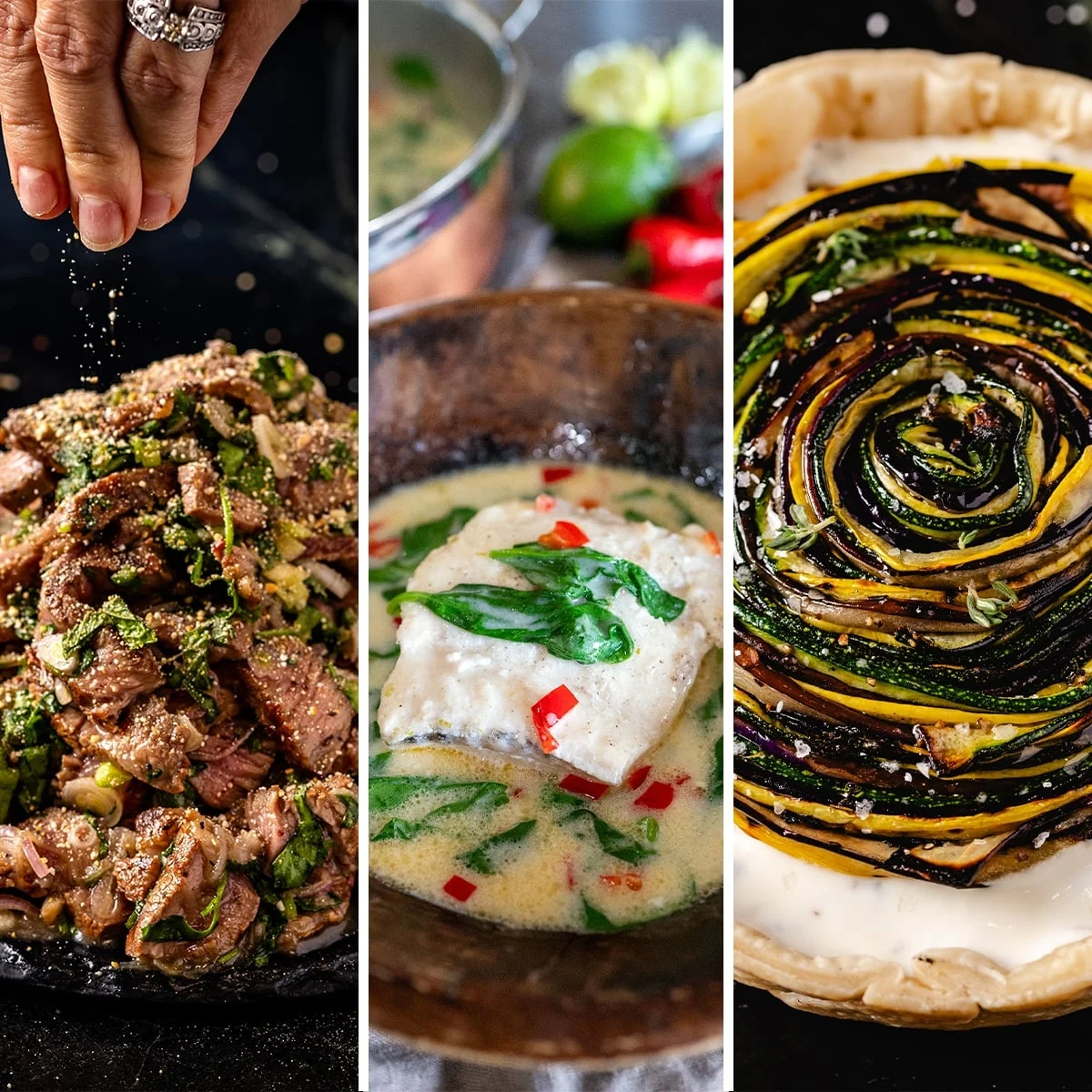
Bulloch and Vanover approached this challenge by leveraging their extensive backgrounds in vegetable-forward grilling. Market data suggests that the demand for grilled and smoked vegetables has seen a steady increase, with more consumers seeking "veggie-centric" sides that carry the same depth of flavor as main courses. For this round, the duo produced a grilled summer vegetable tart, a dish that required the simultaneous management of pastry baking and open-flame vegetable roasting.
The technical execution involved creating a butter crust from scratch, which was baked in cast-iron skillets directly on the smoker. To ensure the structural integrity of the pastry against the moisture of the toppings, the crusts were finished over direct coals. The filling consisted of a refined ricotta and mascarpone blend, topped with a "rosette" of thinly sliced eggplant, zucchini, and squash. This arrangement was not merely aesthetic; the thin slices allowed for rapid caramelization and the infusion of smoke in under an hour. The dish was finalized with a honey drizzle, providing a necessary counterpoint to the char of the vegetables. The execution earned high praise from the judging panel, with Judge Jess Pryles offering a "hats off" acknowledgement of the technical difficulty involved in executing pastry over live fire.
Strategic Implications of the Flash Burn Victory
The stakes for the Flash Burn were significantly higher in this episode, as the winning team was granted immunity for the subsequent "Big Burn" elimination round. This structural element of the competition serves to reward consistency and versatility. In the context of professional culinary competitions, immunity allows chefs to take greater risks in later rounds, potentially leading to more innovative, though higher-risk, dish concepts. While the episode maintained a level of suspense regarding the final tally, the performance of Bulloch and Vanover in the vegetarian round established them as formidable technical competitors who could adapt to unconventional mandates.

The Big Burn: A Three-Hour Masterclass in Surf and Turf
Following the vegetarian challenge, the competitors transitioned to the "Big Burn," a three-hour intensive cook focusing on the classic "Surf and Turf" concept. This challenge required the simultaneous preparation of a seafood protein and a meat protein, both cooked entirely over live fire. The primary difficulty in a live-fire surf and turf lies in the disparate temperature requirements and cooking times of the two components; delicate seafood often requires gentle heat, while robust cuts of beef demand high-intensity searing to achieve the Maillard reaction.
For the "surf" component, Vanover executed a plank-roasted halibut. This method, rooted in indigenous North American cooking traditions, utilizes a wooden plank to shield the delicate white fish from direct flame while allowing the wood to release aromatic smoke into the protein. The halibut fillets were tied with butcher’s twine over fresh parsley and mint, a technique designed to infuse the fish with herbal notes during the roasting process. The dish was finished in a coconut milk broth enriched with Fresno chilis and lime, a preparation style derived from Vanover’s established poached cod recipes.
Simultaneously, Bulloch managed the "turf" component, preparing a live-fire version of a Thai beef waterfall salad, known traditionally as Nam Tok Neua. This dish is characterized by its umami-heavy profile and the use of fresh aromatics. The preparation involved marinating the steak in a blend of soy sauce and black pepper, followed by a two-stage cooking process. The beef was first placed in indirect heat to absorb smoke and was subsequently seared directly on the coals to achieve a charred exterior while maintaining a medium-rare interior. The dish was completed with an umami-rich dressing featuring fish sauce and a topping of toasted rice powder, which provides a unique textural contrast essential to the authentic Thai profile.

Critical Reception and Judging Analysis
The judging process for Episode 3 took place at an elevated "hilltop" station, requiring the pitmasters to transport their finished dishes for immediate evaluation. This logistical hurdle adds a layer of difficulty, as rest times and temperature maintenance must be precisely calculated to ensure the dish is at its peak when it reaches the judges.
The panel, featuring world-renowned culinary personality Andrew Zimmern, provided a rigorous critique of the entries. Zimmern, known for his deep expertise in global cuisines, noted that Bulloch’s Thai beef waterfall salad was among the highest-quality beef dishes he had encountered during the competition. The judges specifically highlighted the cohesion between the halibut and the beef salad, noting that the two distinct dishes shared a common thread of brightness and acidity that prevented the meal from feeling overly heavy.
A notable moment during the judging process—reported by the participants—involved the judges providing immediate reassurance to Bulloch and Vanover regarding their safety in the competition. According to behind-the-scenes accounts, the panel explicitly informed the duo they would not be facing elimination, a rarity in the high-tension environment of Food Network productions. This feedback underscored the high level of execution maintained by the team throughout both the Flash Burn and the Big Burn.

Chronology of Performance
The progression of Bulloch and Vanover through the first three episodes of Pitmasters illustrates a consistent upward trajectory:
- Episode 1: Initial adaptation to the live-fire environment and the establishment of the team dynamic.
- Episode 2: Refinement of smoking techniques and successful navigation of traditional barbecue proteins.
- Episode 3: Successful pivot to non-traditional barbecue (vegetarian) and complex multi-protein management (surf and turf).
This timeline demonstrates a strategic approach to the competition, where the pitmasters have gradually expanded their repertoire to meet the increasingly complex demands of the judges.
Broader Industry Context: The Evolution of Modern Barbecue
The challenges presented in this episode reflect broader shifts within the professional barbecue industry. Historically, barbecue has been a male-dominated field focused almost exclusively on the "low and slow" preparation of pork and beef. However, the success of figures like Bulloch and Vanover signals a diversification of the craft.

Furthermore, the inclusion of a vegetarian challenge on a premiere barbecue show like Pitmasters indicates that the industry is recognizing the importance of inclusive menu design. As culinary competitions continue to evolve, the ability to apply traditional smoke and fire techniques to a wide array of ingredients—including delicate seafood and garden vegetables—is becoming a prerequisite for the title of "Master."
Conclusion and Future Outlook
Episode 3 of Pitmasters served as a testament to the technical proficiency required in modern competitive cooking. By successfully navigating a meatless challenge and a complex surf and turf requirement, Susie Bulloch and Christie Vanover reinforced the idea that barbecue is a versatile medium capable of producing world-class cuisine across all food categories.
As the series continues, the remaining competitors will likely face even more stringent requirements as the field narrows. The performance of the Hey Grill Hey and Girls Can Grill team in this episode has established a high benchmark for technical execution and creative flavor profiling, positioning them as significant contenders for the remainder of the season. New episodes continue to air on Food Network, providing a weekly look into the rigorous demands of professional live-fire gastronomy.
