

The Finnish Long Drink, known domestically as "lonkero," has transitioned from a temporary logistical solution for the 1952 Summer Olympics into a cornerstone of Finnish beverage culture and a growing player in the international ready-to-drink (RTD) market. Characterized by its signature blend of gin and grapefruit soda, the beverage has maintained a consistent presence in Finnish liquor stores and on-tap across the country’s hospitality sector for decades. As the global demand for refreshing, low-alcohol canned cocktails continues to rise, the historical trajectory and market expansion of the lonkero provide a significant case study in national branding and consumer loyalty.
The 1952 Helsinki Olympics: A Catalyst for Innovation
The origins of the Finnish Long Drink are inextricably linked to the 1952 Summer Olympics held in Helsinki. At the time, Finland was still recovering from the economic and social effects of World War II and was operating under a strict state-controlled alcohol monopoly, Alko. Facing an unprecedented influx of international visitors—estimated at over 70,000—the Finnish government recognized that the existing bar infrastructure would be unable to serve high volumes of cocktails, such as gin and tonics, with the necessary speed.
To address this logistical challenge, the government commissioned the beverage company Hartwall to create a pre-mixed, bottled drink that could be served quickly and efficiently. The result was the "Original Long Drink." While initially intended as a temporary product to be discontinued after the closing ceremonies, the beverage proved so popular with both locals and tourists that production continued, eventually cementing it as a national staple.
The 1952 Games were notable for other historical shifts as well. They marked the first Summer Olympics since 1912 where medals were not awarded for art competitions. Previously, the Olympic Charter included categories for architecture, literature, music, painting, and sculpture. The discontinuation of these "Pentathlon of the Muses" meant that Finnish literary figures, such as 1948 gold medalist Aale Tynni, were unable to defend their titles on home soil. Despite the absence of artistic medals, the introduction of the Long Drink is often cited by cultural historians as a different form of enduring Finnish creativity that emerged from the event.
Product Composition and Flavor Profile
The traditional Finnish Long Drink typically maintains an alcohol by volume (ABV) of between 5% and 8%. The flavor profile is defined by a balance of tartness, sweetness, and the botanical bitterness of juniper.
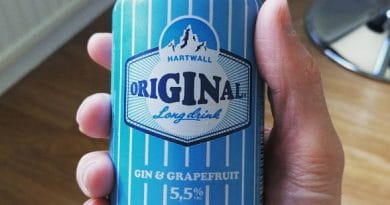
- The Hartwall Standard: The original recipe utilizes a base of London Dry Gin mixed with a carbonated grapefruit soda. Sensory analysis reveals a prominent white grapefruit aroma on the nose. Unlike many contemporary American fruit-flavored malt beverages, the palate is noted for being less sugary than expected. It features an acidic grapefruit entry, followed by strong mid-palate gin notes, specifically juniper and citrus depth. The finish is generally crisp and dry, mimicking the refreshment of a traditional Gin and Tonic without the heavy quinine bitterness.
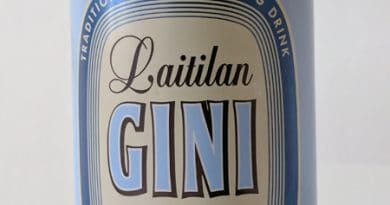
- Market Variations: Following the liberalization of Finnish alcohol laws, other producers entered the market. Laitilan Gini Long Drink is a notable competitor, though it offers a different profile. Market reviews indicate that Laitilan’s version leans more toward a "ruby red" grapefruit flavor with a sweeter, more fruit-forward nose. However, some connoisseurs note that in these variations, the juniper notes can become obscured by the intensity of the juice, leading to a profile that favors soda enthusiasts over gin traditionalists.
Chronology of Market Presence and Revival
The history of the lonkero has not been a linear path of growth. The product faced a brief period of discontinuation in the 1970s as consumer tastes shifted toward other spirit categories. However, a combination of consumer demand and a burgeoning sense of national nostalgia led Hartwall to reintroduce the original recipe.
- 1952: Launch of the Hartwall Original Long Drink for the Helsinki Olympics.
- 1970s: Production is briefly halted due to shifting market trends.
- 1980s–1990s: The drink is revived and reclaimed as a cultural icon in Finland.
- 1995: Finland’s entry into the European Union leads to changes in alcohol legislation, allowing for a wider variety of "long drink" styles, including those fermented from sugar or malt rather than distilled gin.
- 2015: Hartwall initiates a strategic international expansion, signing distribution agreements to bring the product to the Netherlands, Sweden, and Belgium.
- 2016: The brand expands into Asian markets, including Japan and Hong Kong, where the "clean" and "refreshing" Finnish aesthetic aligns with local consumer preferences.
- 2017–Present: The category sees a surge in North American interest, driven by both Finnish exports and domestic startups attempting to replicate the authentic "lonkero" experience for the US and Canadian markets.
Global Expansion and Cult Following
The transition of the Finnish Long Drink from a domestic secret to a global commodity has been fueled by a dedicated "cult" following. International visitors to Finland often returned home with accounts of the drink, but until the mid-2010s, it remained largely unavailable outside of Northern Europe.
In the United Kingdom, specific establishments like the Northern Lights bar in Brighton gained notoriety among enthusiasts for stocking the authentic Finnish product. This scarcity created a secondary market of "DIY" mixologists attempting to replicate the flavor using locally available ingredients.
Consumer Replication Strategies in Restricted Markets
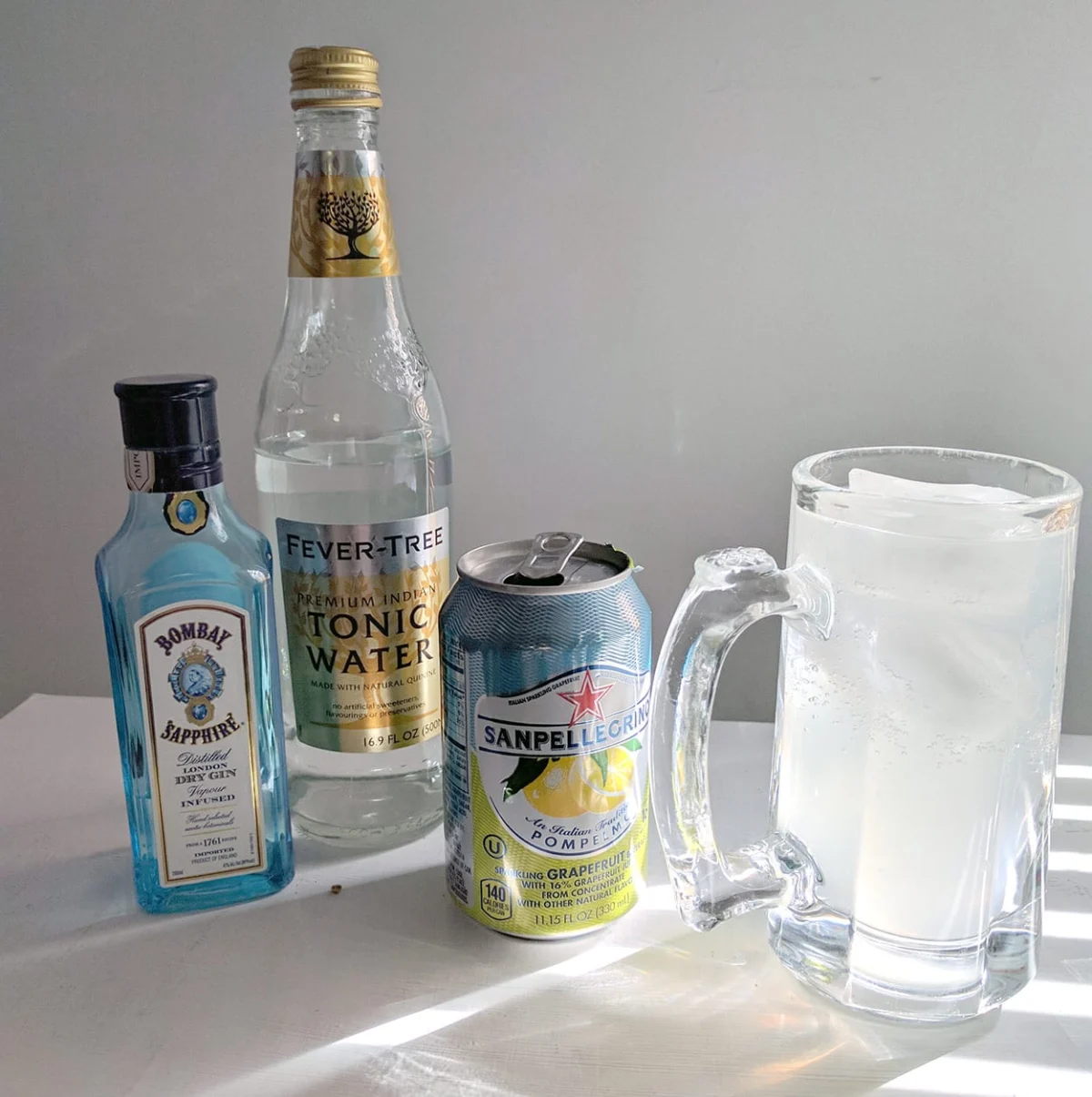
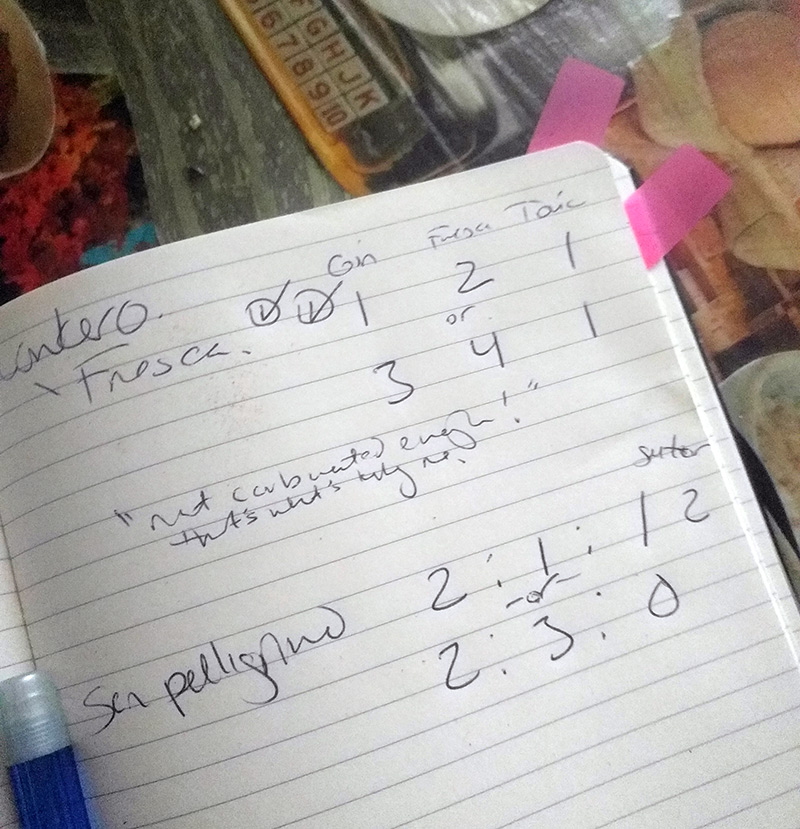
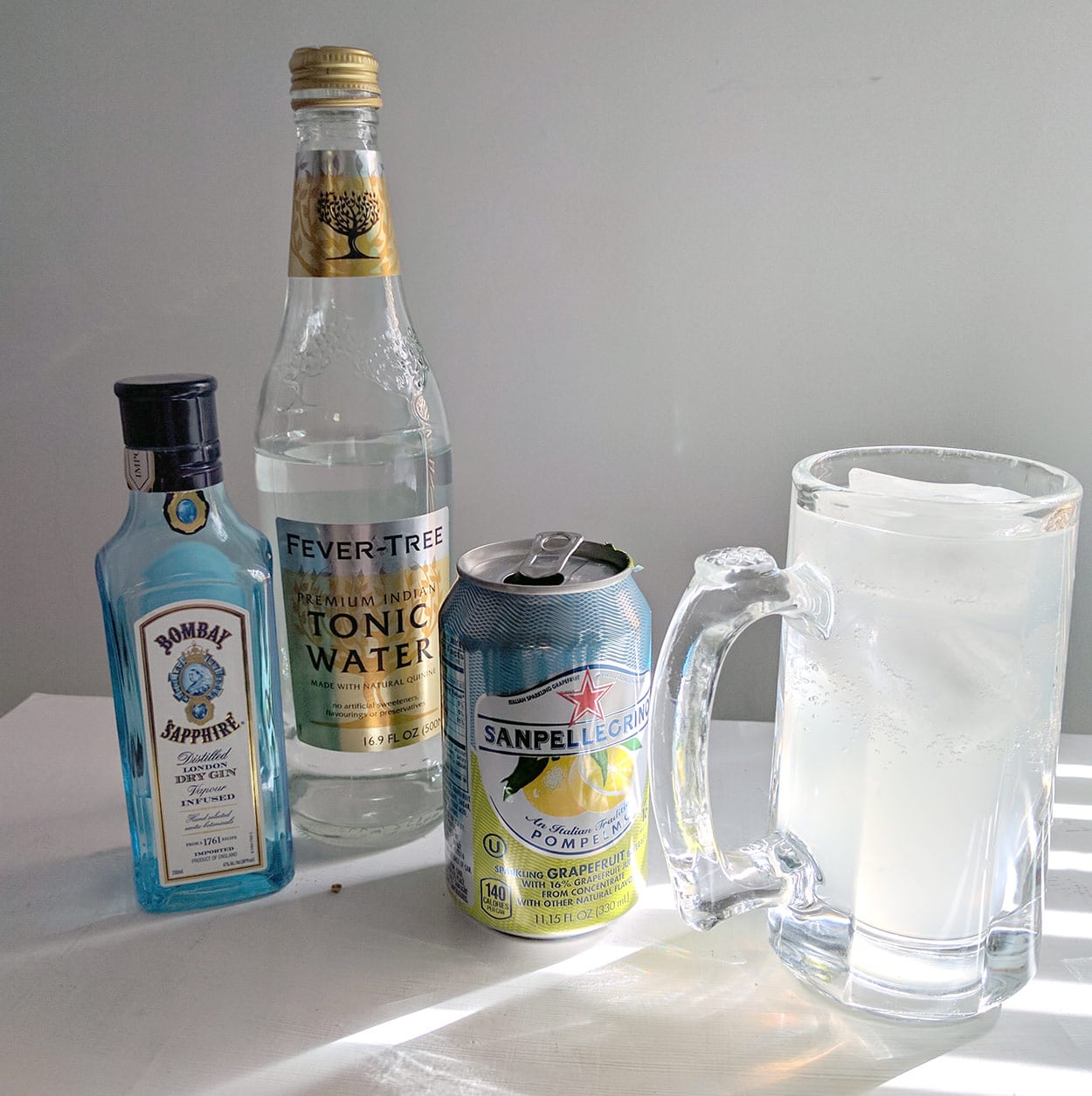
In regions where authentic Finnish exports are unavailable, consumers have turned to specific ratios of gin and grapefruit soda to approximate the experience. Analysis of these home-made variations provides insight into the essential components of the drink’s appeal:
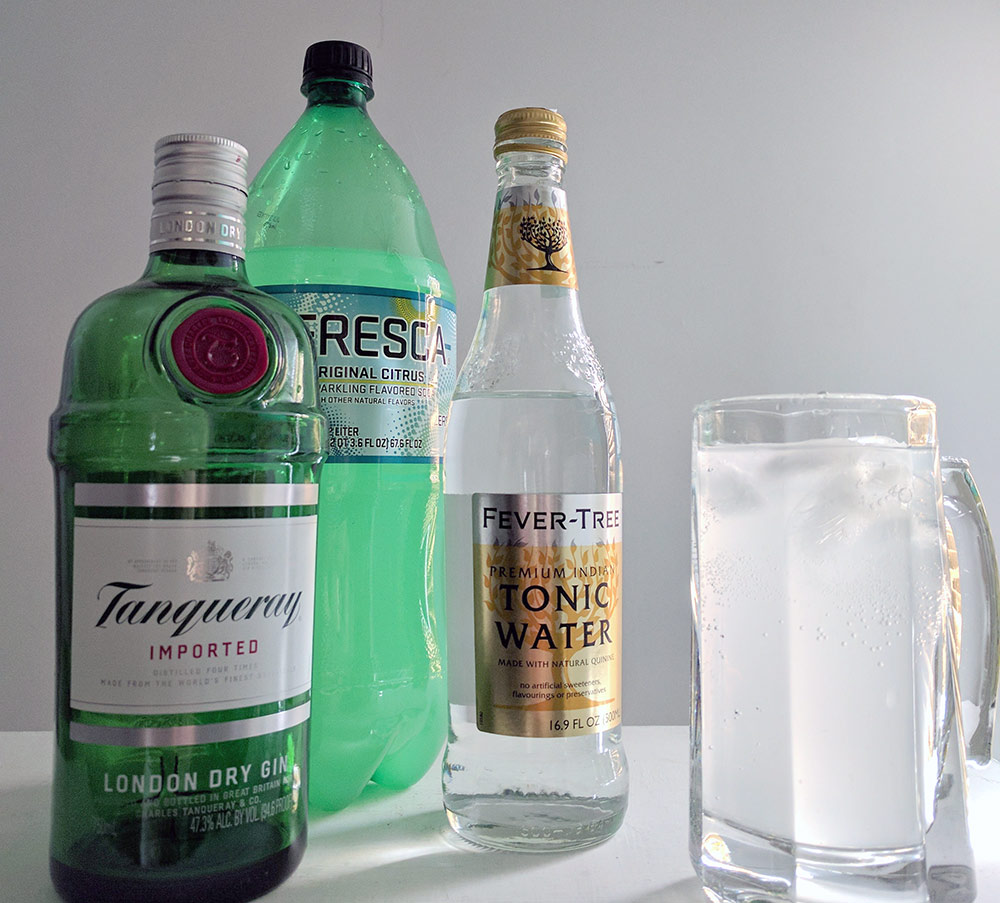
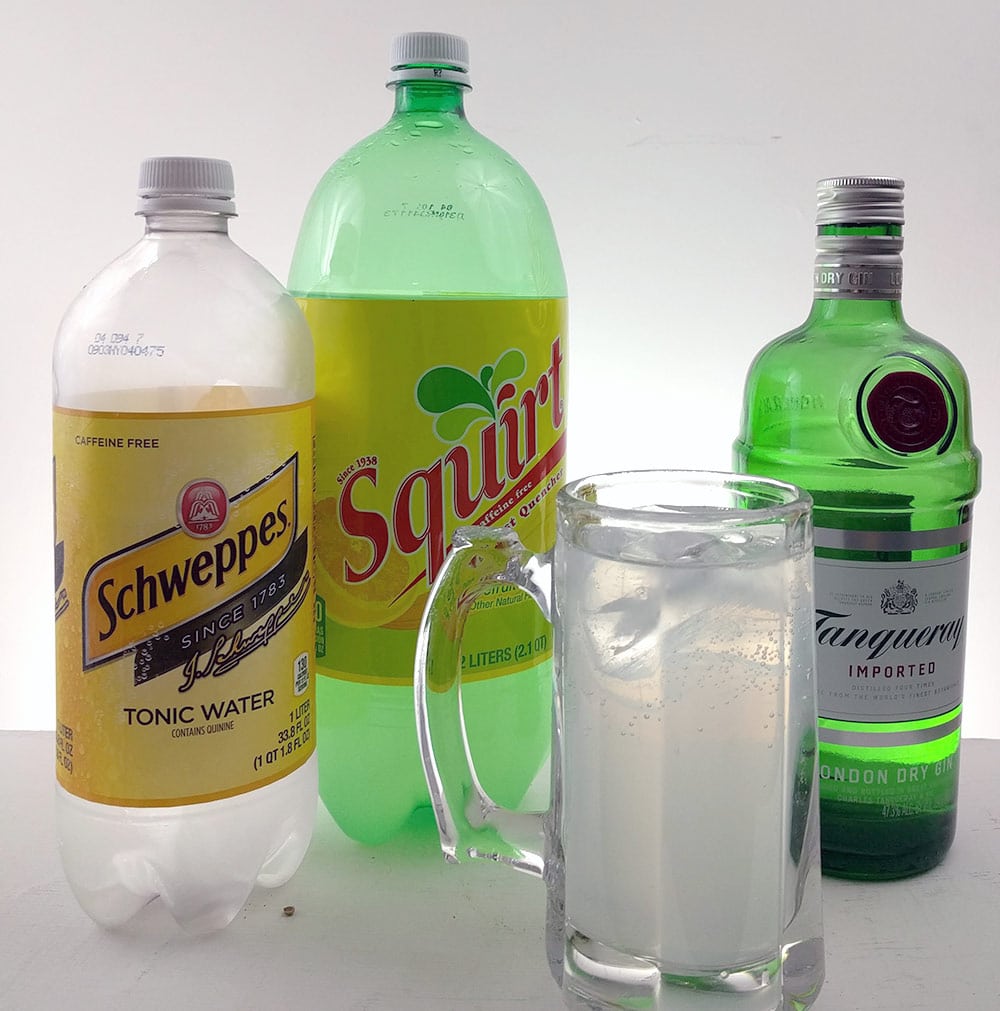
- The Grapefruit Soda Variable: In the United States, consumers frequently test the drink using "Squirt" (a PepsiCo product) or "Fresca" (a Coca-Cola product). Journalistic tasting panels have concluded that while Squirt is often too sweet, Fresca—due to its citrus-blend profile and lower sugar content—comes closest to replicating the canned Finnish experience.
- The Gin Component: To maintain the "Olympic" standard, a juniper-forward London Dry Gin, such as Tanqueray, is typically used. The target ratio is approximately one part gin to three or four parts soda, depending on the carbonation levels.
- The "Grape Tonic" Rarity: In Finland, a specific "Grape Tonic" mixer is available, which provides a more balanced bitterness than standard grapefruit sodas. The absence of this specific mixer in North American and Southern European markets remains a significant barrier to perfect home replication.
Economic and Cultural Implications
The rise of the Long Drink coincides with the global "Ready-to-Drink" (RTD) boom. According to market research, the RTD category has seen double-digit growth globally over the last five years, as consumers move away from heavy beers and complex cocktails in favor of convenience and lighter flavor profiles.
The Finnish Long Drink is uniquely positioned in this market. Unlike "hard seltzers," which are often fermented from cane sugar and use artificial flavorings, the authentic lonkero uses distilled gin. This allows it to compete in the premium "canned cocktail" segment rather than the budget malt beverage segment.
Furthermore, the drink serves as a significant tool for Finnish "gastro-diplomacy." By exporting a product so closely tied to a specific historical event (the 1952 Olympics) and a specific cultural ritual (the Finnish sauna), the country is able to export a piece of its national identity. The ubiquity of the drink in Finnish saunas—where it is served as a refreshing "post-heat" beverage—has become a key marketing angle for international distributors.
Future Outlook
As of the current market trajectory, the Finnish Long Drink is poised for further expansion into the North American market. The success of the category in Asia and Western Europe has demonstrated that the flavor profile has universal appeal beyond the Nordic region. Industry analysts suggest that the primary challenge for the "Original" Finnish brands will be competing with domestic "Long Drink" startups in the US, which have successfully utilized celebrity endorsements and aggressive social media marketing to claim the "lonkero" identity.
However, the historical weight of the 1952 Helsinki Olympics and the strict quality standards of the original gin-based recipe provide a level of authenticity that new entrants may struggle to match. For the Finnish beverage industry, the Long Drink remains not just a product, but a testament to a moment in history when a temporary solution became a permanent legacy. Whether enjoyed in a high-end bar in Tokyo, a quirky pub in Brighton, or a traditional sauna in Helsinki, the "lonkero" continues to be one of Finland’s most successful and refreshing cultural exports.
