

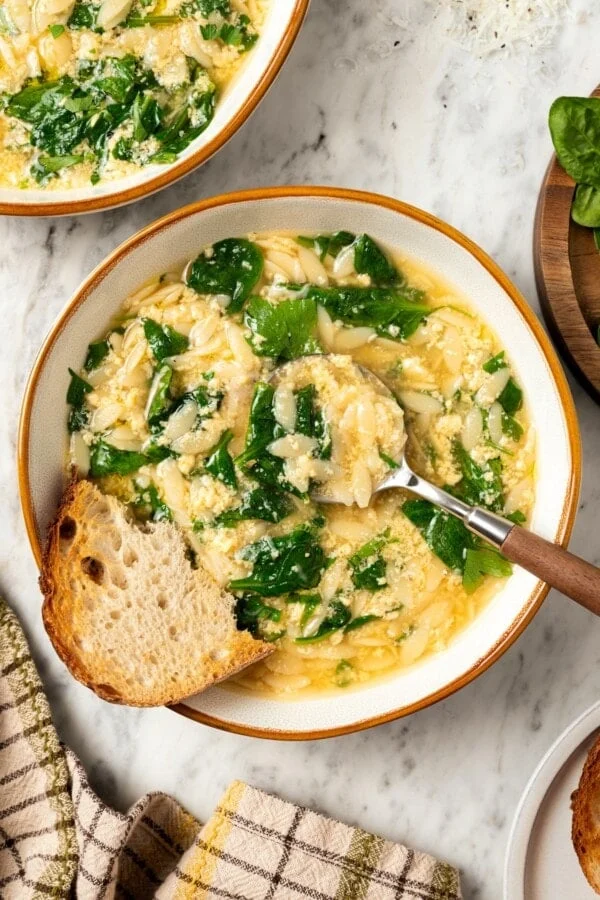
Stracciatella soup, an iconic Italian egg drop soup, continues to captivate palates worldwide, celebrated for its rich chicken broth base, delicate Parmesan "rags," and its remarkable ease of preparation. Originating as a staple of Roman cuisine, this comforting dish has evolved to incorporate ingredients like orzo and fresh spinach, transforming it into a satisfying meal that can be prepared in as little as 20 minutes. Its enduring popularity stems from a harmonious blend of historical tradition, nutritional value, and modern culinary convenience, making it a perennial favorite for both quick weeknight dinners and elegant Italian meal starters.
Historical Roots and Cultural Significance
The name "Stracciatella" derives from the Italian verb "stracciare," meaning "to tear" or "to shred," a fitting description for the distinctive ribbons of cooked egg and cheese that form when the mixture is slowly stirred into hot broth. This technique, central to the soup’s identity, harks back centuries, firmly establishing Stracciatella as a foundational element of Italian comfort food, particularly in the Lazio region, where Rome is located. Historically, it was often prepared during colder months or for festive occasions, serving as a restorative and nourishing starter. Its simplicity, requiring only a few basic ingredients readily available in most Italian households, contributed to its widespread adoption and timeless appeal.
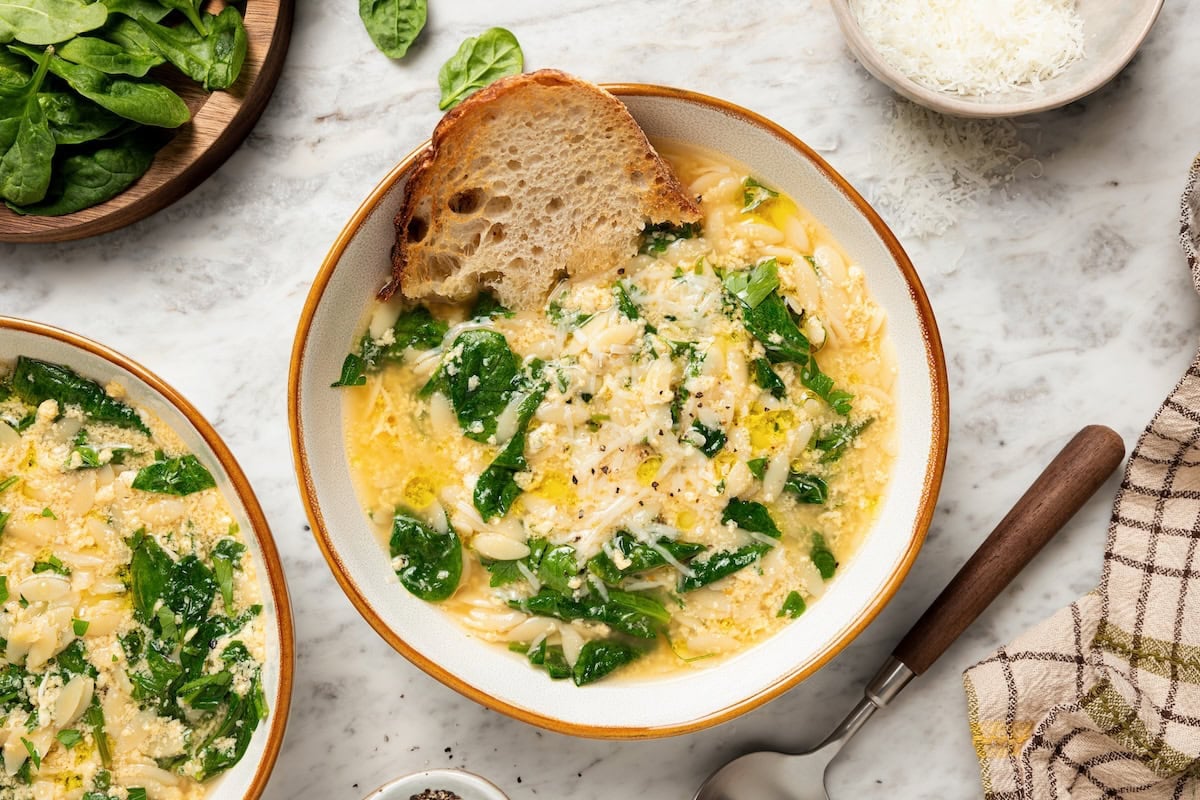
During ancient Roman times, clear broths were highly valued for their perceived restorative properties, especially for the sick or elderly. The addition of eggs and cheese, rich in protein and flavor, would have elevated these broths into more substantial and fortifying dishes. Over generations, the precise method of preparing Stracciatella was perfected, passed down through family recipes, ensuring its place not just on restaurant menus but, more importantly, at the heart of home kitchens. Its role often extended beyond mere sustenance; it became a symbol of warmth, care, and the culinary heritage embedded within Italian culture. The chronological development of the soup, from a humble broth enhancer to a recognized culinary classic, underscores its deep roots in Italy’s gastronomic landscape.
The Art of the "Stracciatella" Technique
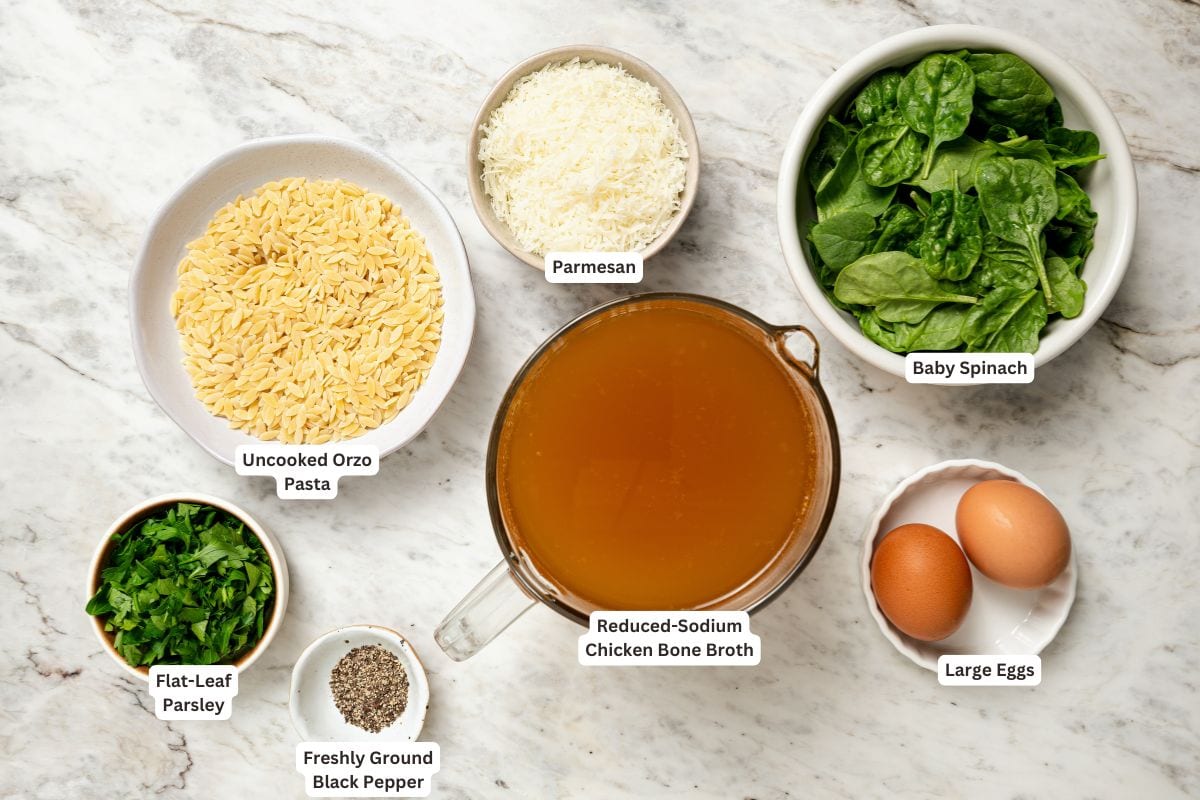
The signature texture of Stracciatella soup, the "little rags" of egg and cheese, is achieved through a precise and simple culinary technique. A mixture of beaten eggs and grated Parmesan cheese is slowly drizzled into simmering chicken broth while continuously stirring. The heat of the broth instantly coagulates the egg, forming delicate, wispy strands that float gracefully throughout the liquid. The Parmesan not only imparts a depth of umami flavor but also contributes to the distinct texture of these "rags," providing a slightly chewy, savory counterpoint to the smooth broth.
The quality of the broth is paramount to the success of Stracciatella. Traditionally, a homemade chicken broth, simmered for hours with aromatic vegetables and herbs, forms the backbone of the soup, providing a rich, savory foundation that enhances every other ingredient. While modern cooks often opt for high-quality store-bought broths for convenience, the essence remains the same: a robust, flavorful liquid is key. Culinary experts often emphasize that the subtle nuances of a well-made broth allow the delicate flavors of the egg and cheese to shine, preventing them from being overwhelmed. The technique itself, while appearing simple, requires a gentle hand to ensure the egg forms delicate strands rather than clumps, a testament to the Italian culinary philosophy that often finds perfection in understated elegance.
Modern Adaptations: Orzo and Spinach
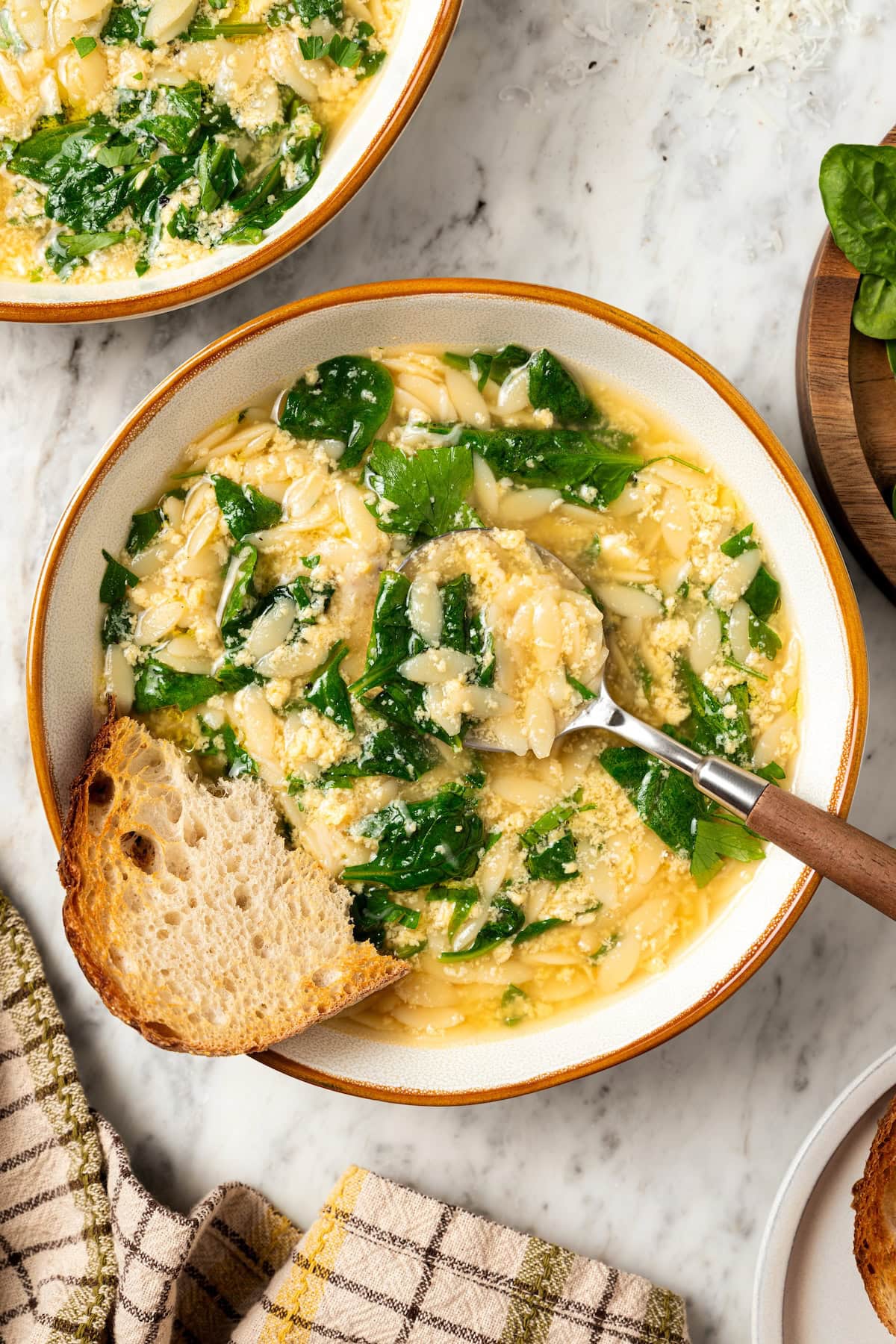
While traditionally served as a clear, light broth with egg and cheese, contemporary versions of Stracciatella soup frequently incorporate additional ingredients to enhance its nutritional profile and transform it into a more substantial meal. The addition of orzo, a small, rice-shaped pasta, is a popular adaptation. Orzo cooks quickly, absorbing the rich flavors of the broth and adding a pleasant textual chewiness that makes the soup more filling. Its neutral flavor profile ensures it complements rather than competes with the existing components. Food historians note that the integration of small pasta shapes into soups is a long-standing Italian tradition, designed to add caloric value and heartiness, particularly in peasant cuisine.
Similarly, fresh spinach has become a common and welcome addition. Wilted into the hot broth just before serving, spinach introduces a vibrant green color, a subtle earthy flavor, and a significant boost of vitamins and minerals. This inclusion aligns with contemporary health trends that prioritize nutrient-dense ingredients. The combination of orzo and spinach elevates Stracciatella from a mere appetizer to a complete, balanced dish, offering carbohydrates for energy, protein from the eggs and broth, and essential micronutrients from the leafy greens. This evolution reflects a broader trend in Italian cooking, where traditional recipes are adapted to suit modern dietary preferences and lifestyles without compromising their authentic flavors.
Nutritional Profile and Health Considerations
Stracciatella soup, particularly when prepared with lean chicken broth, eggs, and spinach, offers a surprisingly robust nutritional profile, making it an appealing option for health-conscious individuals. A single serving (approximately one cup) of the enhanced version with orzo and spinach typically provides around 235 calories, making it a relatively light yet satisfying meal. Its macronutrient breakdown highlights its strength as a protein source, often delivering about 25 grams of protein per serving from the chicken broth, eggs, and Parmesan cheese. This high protein content contributes to satiety, aiding in weight management and muscle maintenance.

Furthermore, the carbohydrates, approximately 16.5 grams per serving, primarily come from the orzo, providing a readily available energy source. The fat content, around 9.5 grams, with 4 grams of saturated fat, is moderate, largely derived from the Parmesan cheese and any residual fat in the chicken broth. Cholesterol levels hover around 73.5 mg, primarily from the eggs. The addition of spinach significantly boosts the soup’s micronutrient content, providing dietary fiber (around 1.5 grams), and essential vitamins and minerals such as Vitamin K, Vitamin A, Vitamin C, folate, iron, and potassium.
Nutritionists increasingly point to dishes like Stracciatella soup as examples of how traditional recipes can be inherently wholesome. Its low sugar content (approximately 0.5 grams) and moderate sodium (around 332 mg per serving, which can be adjusted by using low-sodium broth) further enhance its health credentials. For those seeking vegetarian options, replacing chicken broth with a robust vegetable broth maintains the essence of the dish while accommodating dietary preferences. This adaptability underscores its versatility in meeting various nutritional needs and dietary restrictions, solidifying its place as a nutritious and flexible meal choice.
Efficiency in the Modern Kitchen: The 20-Minute Appeal
In an era defined by fast-paced lifestyles and demanding schedules, the appeal of a delicious, homemade meal that can be prepared in under 30 minutes is immense. Stracciatella soup, with its 10-minute prep and 20-minute cook time, perfectly fits this niche, offering a welcome respite from elaborate cooking without sacrificing flavor or nutritional value. This efficiency is a significant factor in its growing popularity among busy families and individuals seeking wholesome, quick dinner solutions.

The rapid cooking time is largely due to the nature of its ingredients and preparation method. Broth heats quickly, eggs cook almost instantly when drizzled, and orzo, being a small pasta, requires minimal boiling time. Spinach wilts in mere seconds. This streamlined process stands in stark contrast to many traditional Italian dishes that require hours of simmering and complex layering. Culinary publications frequently highlight the demand for "weeknight heroes" – recipes that deliver maximum flavor with minimal effort – and Stracciatella soup is consistently cited as a prime example. Its ability to provide warmth, comfort, and a taste of authentic Italian cuisine in such a short timeframe makes it an invaluable addition to any modern cook’s repertoire, challenging the notion that quick meals must compromise on quality or taste.
Expert Perspectives and Culinary Endorsements
The enduring appeal of Stracciatella soup is frequently lauded by culinary experts and food critics who appreciate its simplicity, depth of flavor, and comforting qualities. Food writers often describe it as the quintessential Italian comfort food, a dish that evokes warmth and nostalgia with every spoonful. They emphasize that its magic lies in the high quality of its few core ingredients and the elegant simplicity of its preparation.
Renowned chefs, while often known for complex creations, frequently express admiration for classic dishes like Stracciatella, recognizing their fundamental role in Italian gastronomy. They highlight how the soup, despite its unassuming appearance, offers a sophisticated balance of savory broth, rich egg, and tangy Parmesan, creating a complex flavor profile from humble components. The fact that it can be served as a light starter or a more substantial meal with additions like orzo and spinach further attests to its versatility, a trait highly valued in professional kitchens. This adaptability allows it to seamlessly fit into various dining contexts, from a casual family dinner to a more formal Italian spread. The consistent positive reception from culinary professionals and home cooks alike underscores its status as a beloved and timeless recipe.
Broader Impact and Global Popularity
Stracciatella soup’s influence extends far beyond its Italian origins, finding a cherished place on menus in Italian restaurants across the globe and becoming a beloved dish in home kitchens worldwide. Its straightforward preparation makes it highly accessible for international cooks, allowing them to recreate an authentic taste of Italy without requiring specialized skills or exotic ingredients. This global dissemination has helped introduce countless individuals to the nuanced flavors and comforting essence of Italian cuisine.
Beyond its direct consumption, Stracciatella serves as an excellent culinary ambassador, showcasing the philosophy of Italian cooking: using fresh, high-quality ingredients simply to create deeply satisfying dishes. Its popularity has contributed to a broader appreciation for Italian egg-based dishes and the versatility of broths. In an increasingly globalized food landscape, Stracciatella stands out as a testament to the universal appeal of wholesome, flavorful, and easy-to-prepare comfort food. Its continued presence in diverse culinary environments reaffirms its status not just as a recipe, but as a cultural touchstone that bridges geographical and generational divides.
Conclusion
Stracciatella soup, with its humble origins in Roman tradition, has gracefully transitioned into a modern culinary favorite, embodying the perfect balance of historical depth, nutritional value, and contemporary convenience. From the delicate, savory "rags" of egg and Parmesan to the wholesome additions of orzo and spinach, each element contributes to its enduring appeal. Its ability to transform simple ingredients into a deeply comforting and satisfying meal in mere minutes ensures its relevance in today’s busy world. As a testament to Italian culinary artistry, Stracciatella soup continues to offer warmth, nourishment, and a taste of heritage to anyone seeking a truly special, yet effortlessly prepared, dish.
