

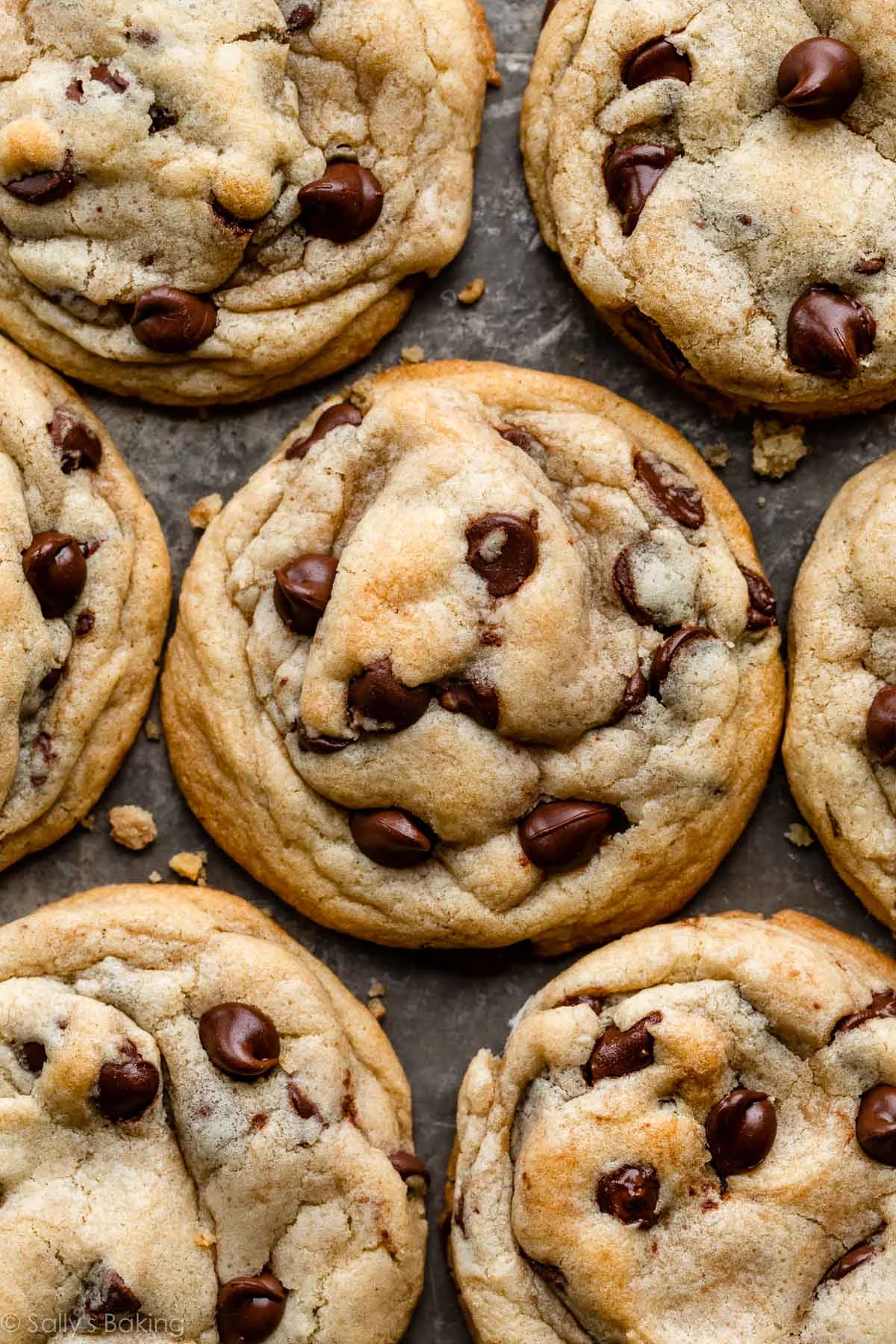
The burgeoning interest in home baking, amplified by culinary media and the quest for homemade delights, has underscored the critical role of appropriate equipment in achieving consistent and professional-quality results. Beyond merely following a recipe, the efficacy and longevity of a baker’s tools significantly influence the final product, transforming a potentially frustrating endeavor into a rewarding culinary experience. This comprehensive guide, informed by extensive practical application and industry insights, delineates the fundamental tools deemed indispensable for successful cookie production, catering to novices, those establishing a kitchen, or seasoned enthusiasts seeking to refine their arsenal.
The Foundational Ecosystem: Baking Surfaces and Cooling
The journey to a perfectly baked cookie begins with its immediate environment within the oven, emphasizing the importance of reliable baking surfaces and efficient cooling mechanisms.
1. Half Sheet Pans: The Unsung Workhorse of the Kitchen
A high-quality half sheet pan stands as the cornerstone of any effective baking setup. Inferior pans, often thin and prone to warping under high temperatures, can lead to uneven baking and undesirable browning patterns. Conversely, excessively dark pans absorb and transfer heat too aggressively, frequently resulting in burnt cookie bottoms while the centers remain undercooked.
Leading culinary experts consistently recommend sturdy, light-colored aluminum pans, such as those produced by Nordic Ware or USA Pan. These brands are lauded for their robust construction, which resists warping, and their ability to distribute heat uniformly across the baking surface. This even heat distribution is paramount for consistent cookie texture and color. Data from professional test kitchens frequently demonstrates that these types of pans contribute to a more controlled Maillard reaction, yielding cookies with a desirable golden hue and thoroughly baked interiors. Beyond cookies, their versatility extends to roasting vegetables, preparing sheet cakes, and crafting confectioneries like homemade toffee, making them an indispensable multi-purpose item. Optimal baking practice dictates owning a minimum of two such pans to facilitate continuous baking, allowing one pan to cool while another batch is prepared, thereby preventing dough from prematurely spreading on a hot surface.
2. Silicone Baking Mats or Parchment Sheets: The Barrier to Perfection
The direct contact of cookie dough with a baking sheet necessitates a protective layer to prevent sticking, promote even browning, and simplify cleanup. The choice between silicone baking mats and pre-cut parchment sheets often comes down to personal preference and specific recipe requirements, but both offer significant advantages over traditional greasing methods.
Silicone baking mats, exemplified by brands like Silpat, are often the preferred choice for their reusable nature and the subtle grip they provide, which aids cookies in maintaining their shape during the baking process. Made from food-grade silicone reinforced with fiberglass, these mats can withstand high temperatures and offer a non-stick surface without the need for additional fats. Industry analysis suggests that the adoption of silicone mats has risen significantly in eco-conscious kitchens due to their reusability, reducing reliance on single-use parchment paper. Pre-cut parchment sheets, designed to fit standard half sheet pans (typically 11×16 inches), offer a convenient and equally effective alternative, particularly when a recipe explicitly calls for parchment or for bakers who prefer disposable options for swift cleanup. Both methods are superior to non-stick sprays or butter, which can create an overly greasy environment, encouraging cookies to spread excessively and altering their texture.
3. Cooling Racks: The Breath of Fresh Air
The post-oven phase is as critical as the baking itself. Transferring cookies from the hot baking sheet to a wire cooling rack after a brief initial rest on the pan is a non-negotiable step for optimal texture development. This practice allows air to circulate freely beneath the cookies, preventing the accumulation of moisture that can lead to soggy bottoms and ensuring even cooling.
Cooling racks, typically constructed from chrome-plated steel or stainless steel, are an economical investment with considerable longevity. Culinary schools and professional bakeries universally employ cooling racks, emphasizing their role in halting the residual cooking process (carryover baking) that continues even after items are removed from the oven. Owning at least two cooling racks is advisable, accommodating multiple batches of cookies and ensuring adequate space for proper air circulation. This seemingly simple tool plays a vital role in achieving the desired crispness and structural integrity of a finished cookie.
Precision and Preparation: Ensuring Consistency from Dough to Oven

Accuracy in ingredient measurement and consistent dough formation are paramount to baking success. These tools ensure every cookie performs as intended.
4. Cookie Scoops: The Architect of Uniformity
The humble cookie scoop is an often-underestimated tool that dramatically enhances baking consistency. Its primary function is to portion dough uniformly, which is crucial for even baking. Cookies of disparate sizes will bake at different rates, leading to some being overdone while others remain underbaked.
Available in various sizes, the medium scoop (approximately 1.5 tablespoons) is a versatile choice for most standard cookie recipes. Beyond cookies, these spring-loaded scoops prove invaluable for portioning cupcake and muffin batter, pancakes, meatballs, and even ice cream. The ergonomic design of modern cookie scoops, often featuring comfortable handles and smooth release mechanisms, reflects advancements aimed at reducing hand fatigue during repetitive tasks. Data from kitchen equipment reviews consistently highlights user satisfaction with the efficiency and consistency provided by quality cookie scoops, making them a top recommendation for home bakers aiming for professional-level results.
5. Measuring Cups & Digital Food Scale: The Science of Exactness
Precision in baking is not merely a suggestion; it is a fundamental principle. While quality measuring cups are essential, a digital kitchen scale represents the zenith of accuracy in ingredient measurement, a practice increasingly advocated by culinary professionals.
The inherent variability of volume measurements (cups) versus the unwavering consistency of weight measurements (grams) is a critical distinction. A gram always weighs a gram, irrespective of ingredient density or packing method. Conversely, the volume of a "cup" of flour, for instance, can fluctuate by as much as 20% depending on whether it’s scooped and leveled or spooned lightly into the cup. This discrepancy can significantly impact the hydration and structure of cookie dough. Consequently, many contemporary recipes, including those from renowned baking authorities, now include both weight and volume measurements, empowering bakers to achieve consistent outcomes. Industry data indicates a growing trend among serious home bakers to adopt digital scales, recognizing their ability to eliminate common baking errors related to imprecise ingredient ratios. For those still relying on measuring cups, proper technique—such as spooning flour into the cup and leveling with a straight edge—is crucial to minimize variation.
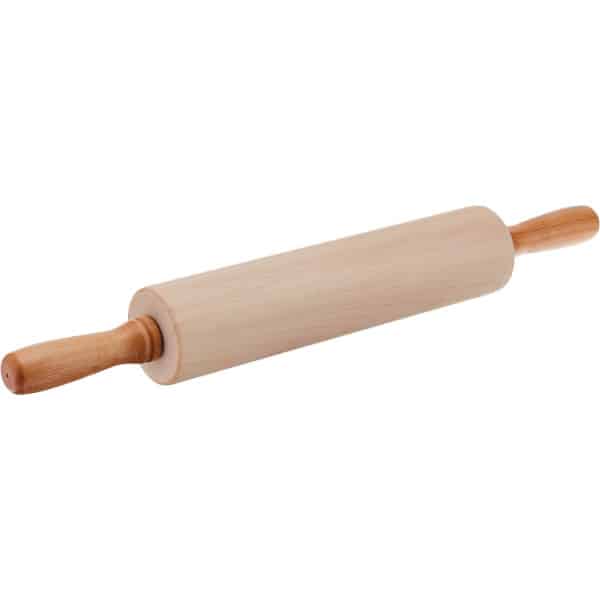
6. Rolling Pin: The Foundation for Flatness
For a multitude of recipes beyond drop cookies, a reliable rolling pin is an indispensable tool. Its utility spans from classic sugar cookies and delicate pie crusts to savory crackers and yeast-leavened treats like cinnamon rolls.
The design of a rolling pin has evolved, but the core principles remain. Traditional wooden rolling pins, favored by many for their heft and tactile feedback, offer a balanced feel in the hands, allowing for consistent pressure across the dough. The material choice—from maple and birch to marble and stainless steel—influences its performance. Wooden pins often require light flouring to prevent sticking, while marble pins, when chilled, can help keep dough cool and prevent butter from melting prematurely. Ergonomic considerations, such as the presence or absence of handles and the pin’s diameter, are also factors in user preference. A durable, well-balanced rolling pin is an investment that can serve a baker for decades, demonstrating its enduring value in the kitchen.
Efficiency and Mastery: Powering Through and Perfecting the Mix
These tools address the mechanics of mixing and handling dough, optimizing both effort and outcome.
7. Stand Mixer: The Engine of the Modern Baker
While a quality hand mixer can certainly suffice for many cookie dough preparations, a stand mixer represents a significant upgrade in efficiency and capability for frequent bakers. Its robust motor and hands-free operation are particularly advantageous for tackling thick, dense cookie doughs that can strain handheld devices.
The 5-quart capacity is a popular choice, striking an ideal balance for most standard home baking recipes, offering sufficient volume without occupying excessive counter space. Beyond its prowess with cookie dough, a stand mixer’s versatility is unmatched, extending to cake and muffin batters, bread dough, fluffy whipped cream, silken buttercream, and ethereal meringues. The initial investment in a stand mixer is often justified by its broad utility and the significant reduction in manual effort, allowing bakers to multitask or simply enjoy a less strenuous mixing process. Market research consistently shows stand mixers as one of the most desired kitchen appliances, reflecting their transformative impact on home baking.
8. Silicone Spatulas: The Versatile Scraper
Often overlooked in favor of more specialized equipment, a sturdy and flexible silicone spatula is arguably one of the most frequently utilized tools in a baker’s kitchen. Its design, combining a rigid handle with a pliable, heat-resistant head, makes it exceptionally versatile.
Silicone spatulas excel at scraping every last vestige of cookie dough from a mixing bowl, ensuring minimal waste and maximizing yield. Their flexibility allows them to conform to the curves of any bowl or container. They are equally adept at folding delicate ingredients, stirring hot mixtures, spreading frostings, and general cooking tasks. The durability and heat resistance of silicone make them suitable for use with both hot and cold ingredients. Owning several sizes—from small, precise spatulas for intricate work to larger ones for heavy-duty mixing—is a common practice among experienced bakers, highlighting their indispensable nature for a multitude of culinary applications.
Specialization and Presentation: Adding Flair and Ensuring Safe Passage
These tools cater to specific aesthetic demands and the practicalities of sharing baked goods.
9. Cookie Cutters: Crafting Shapes with Precision
For cookies that demand specific shapes, such as festive holiday designs or intricate patterns, the quality of the cookie cutter directly impacts the final aesthetic. Flimsy, poorly constructed cutters can bend easily, resulting in ragged edges and distorted shapes, undermining the effort invested in preparing the dough.
The consensus among professional bakers favors sturdy metal cookie cutters with sharp edges, which ensure clean, precise cuts through dough. Brands like Ann Clark are recognized for their extensive variety and robust construction, offering a wide range of shapes that retain their integrity over repeated use. For specialized cookie types, such as spritz cookies, a dedicated cookie press like the OXO model is highly recommended. These presses allow for intricate, consistent designs to be extruded directly onto baking sheets, a tradition for many during holiday seasons. The choice of cookie cutters extends beyond mere functionality; they are tools of artistic expression, enabling bakers to personalize their creations for various occasions.
10. Dessert Carrier: Protecting Culinary Creations in Transit
The effort invested in baking exquisite cookies deserves to be preserved when transporting them. A robust dessert carrier is essential for safeguarding baked goods, ensuring they arrive at their destination looking as pristine as they did when they left the kitchen.
The vulnerability of cookies to breakage, smudging, or temperature fluctuations during transit necessitates a protective solution. While dedicated cookie carriers exist, innovative solutions such as repurposing a cupcake carrier with the tray inverted offer a surprisingly effective way to stack and secure multiple layers of cookies without damage. Alternatively, a half sheet pan lid or a 9×13-inch pan with a fitted lid provides ample space and protection for larger batches. The implications of a reliable dessert carrier extend beyond mere convenience; it speaks to the baker’s pride in their craft and their commitment to delivering a perfect product. In an era of potlucks, gifted treats, and community events, the dessert carrier is a practical necessity that upholds the integrity of homemade creations.
Broader Impact and Implications
The investment in quality cookie baking tools transcends the individual act of baking; it contributes to a more efficient, enjoyable, and successful culinary experience. Industry analyses indicate that access to reliable tools can significantly reduce food waste by minimizing failed batches and encouraging more frequent home baking. Furthermore, the ergonomic design of modern tools helps mitigate fatigue, making baking accessible and pleasurable for a wider demographic.
As home baking continues its trajectory as a popular pastime and a source of comfort and creativity, the emphasis on equipping kitchens with the right instruments remains paramount. The chronology of a baker’s tool acquisition often begins with the essentials, gradually expanding to specialized items as skills develop and interests broaden. Ultimately, these ten tools form the bedrock of a well-appointed cookie-baking kitchen, empowering bakers to consistently produce delicious, beautifully crafted cookies that bring joy to both creator and consumer.
