

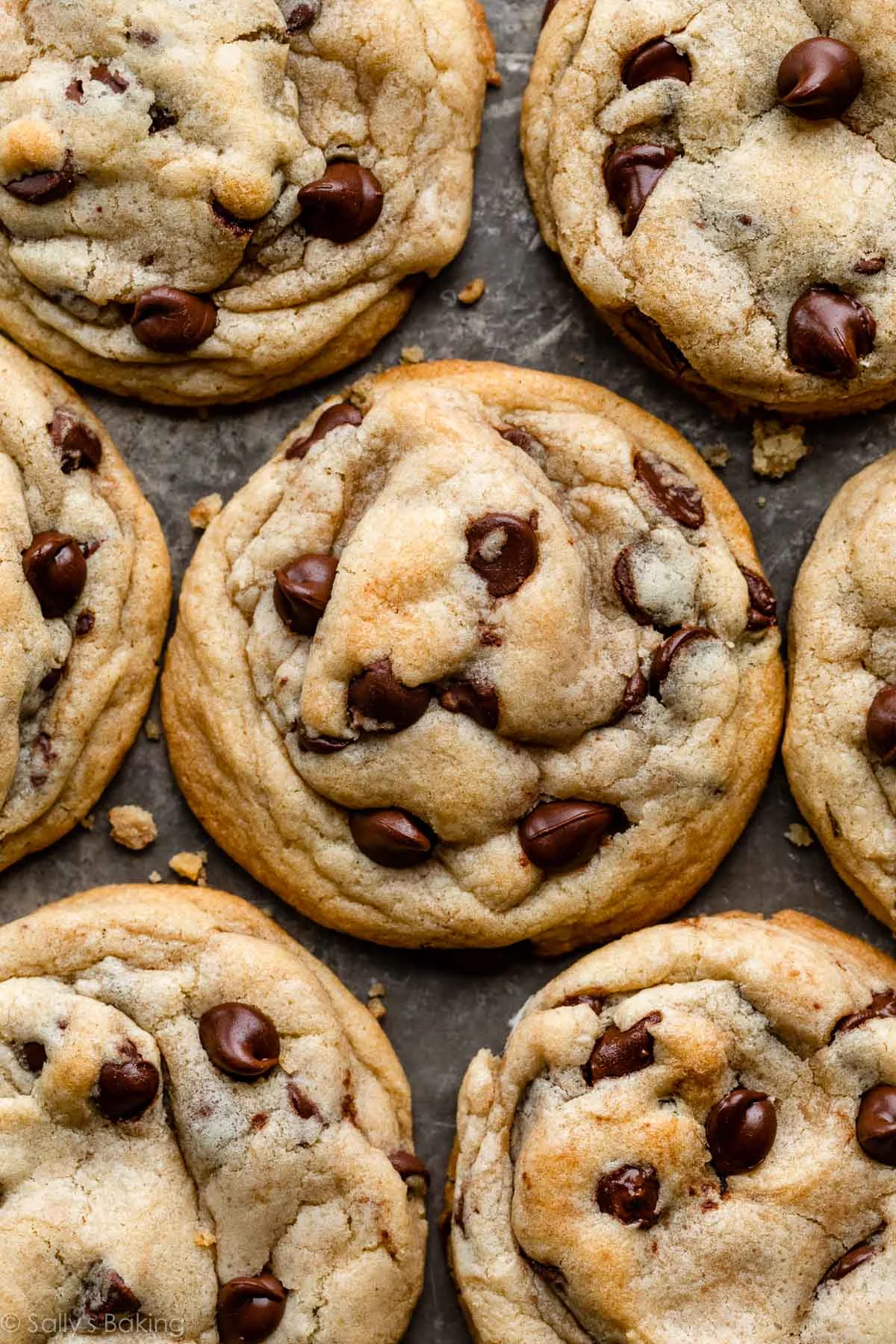
The Foundation of Flawless Baking: Understanding Core Equipment
The pursuit of the perfect cookie, characterized by uniform browning, consistent texture, and optimal doneness, begins long before the oven preheats. It starts with the right tools. Over years of extensive recipe development, including hundreds of distinct cookie formulations and participation in annual baking initiatives, the efficacy of specific kitchen instruments has been rigorously tested and validated. This independent analysis, compiled without commercial sponsorship, highlights products that consistently meet high standards of performance and longevity, drawing on the collective experience of the baking community and widely accepted industry benchmarks.
1. The Indispensable Half Sheet Pan: A Cornerstone of Even Baking
At the very core of successful cookie baking lies the humble yet critical baking sheet. Its importance cannot be overstated, as it directly influences heat distribution and, consequently, the uniformity of the bake. Inferior baking sheets, often thin and prone to warping under high temperatures, can lead to uneven cooking, with some cookies overdone and others underbaked. Similarly, dark-colored pans absorb more heat, frequently resulting in prematurely browned or burnt cookie bottoms before the centers are adequately cooked.
Professional bakers and culinary institutions consistently recommend investing in high-quality, light-colored aluminum half sheet pans. Brands such as Nordic Ware and USA Pan are frequently cited for their robust construction, resistance to warping, and excellent thermal conductivity, which promotes even baking across the entire surface. These pans are typically made from commercial-grade aluminum, offering superior heat transfer properties compared to darker or thinner alternatives. The standard half sheet pan size (approximately 18×13 inches) is versatile, accommodating a substantial batch of cookies while fitting comfortably in most standard ovens. Beyond cookies, these pans are invaluable for roasting vegetables, preparing sheet cakes, and crafting various confections, making them a multifaceted investment for any kitchen. For optimal efficiency and consistent workflow, maintaining a minimum of two quality baking sheets is advised, allowing one to cool while another batch bakes, thereby preventing the common pitfall of placing dough on a hot surface, which can cause premature spreading.
2. Silicone Baking Mats and Pre-Cut Parchment Sheets: Enhancing Release and Consistency
Lining baking sheets before adding cookie dough is a non-negotiable step for achieving superior results, addressing issues of sticking, promoting even browning, and simplifying cleanup. While various lining options exist, silicone baking mats and parchment paper stand out as the preferred choices among baking professionals. The use of nonstick sprays or butter is generally discouraged, as these can create an overly greasy surface that encourages excessive cookie spread, altering the intended texture and appearance.
Silicone baking mats, often referred to by the brand name Silpat, offer a distinct advantage due to their inherent non-stick properties and subtle grip. This grip helps cookie dough maintain its shape during baking, resulting in more uniformly sized and perfectly round cookies. Made from food-grade silicone and fiberglass mesh, these mats provide excellent heat distribution and are reusable for hundreds, if not thousands, of baking cycles, representing an environmentally conscious and cost-effective solution. When selecting silicone mats, ensuring they are sized appropriately for standard half sheet pans (typically 11×16 inches) is crucial for a snug fit and optimal performance.
For recipes that specifically call for parchment paper or as a versatile alternative to silicone mats, pre-cut parchment sheets are highly recommended. These sheets are designed to fit standard half sheet pans perfectly, eliminating the need for awkward tearing or trimming from a roll. Parchment paper, typically coated with silicone, provides a non-stick surface, aids in even heat distribution, and facilitates effortless transfer of baked goods. Both silicone mats and parchment sheets contribute significantly to consistent baking outcomes by creating a barrier that prevents direct contact with the hot metal, thereby mitigating excessive bottom browning and promoting a more even bake throughout the cookie.
3. The Precision of Cookie Scoops: Ensuring Uniformity and Efficiency
Achieving consistent results in baking often hinges on precise portioning, and this is where cookie scoops prove invaluable. These specialized tools streamline the process of dividing and shaping dough, ensuring that each cookie is uniform in size and weight. This uniformity is critical for even baking; without it, a single batch can yield a spectrum of doneness, from underbaked centers to overdone edges.

Cookie scoops are essentially spring-loaded disher scoops, available in various sizes, typically measured by their capacity in tablespoons or ounces. For the vast majority of cookie recipes, a medium-sized scoop, holding approximately 1.5 tablespoons of dough, is the most versatile and frequently utilized. Beyond cookies, these scoops demonstrate remarkable utility in the kitchen, perfectly portioning cupcake and muffin batters, pancake mix, meatballs, and even ice cream. The ergonomic design and mechanical advantage provided by the spring mechanism reduce hand fatigue, particularly when working with stiff doughs or preparing large quantities. Investing in a set of scoops in different sizes (small for mini cookies or truffles, medium for standard cookies, large for oversized cookies or muffins) can significantly enhance baking efficiency and product consistency.
4. The Essential Cooling Rack: Preventing Soggy Bottoms and Promoting Airflow
The post-baking cooling process is as crucial as the baking itself, and a cooling rack plays a pivotal role in achieving perfectly textured cookies. Most cookie recipes instruct bakers to allow cookies to cool on the baking sheet for a few minutes immediately after removal from the oven, allowing them to set slightly before transfer. The subsequent transfer to a wire cooling rack is critical.
Cooling racks, typically made of chrome-plated steel or stainless steel, are designed with an open grid structure that allows air to circulate freely around all sides of the cookies. This unrestricted airflow is essential for preventing condensation from forming underneath the cookies, which can lead to undesirable soggy bottoms. Proper cooling on a rack ensures that cookies cool evenly, maintaining their crispness and preventing moisture buildup. These racks are relatively inexpensive and remarkably durable, often lasting for many years with proper care. For home bakers, owning at least two cooling racks is highly recommended to accommodate multiple batches simultaneously, ensuring a smooth and efficient cooling process. Their utility extends beyond cookies to cooling cakes, breads, and even glazing pastries.
5. The Power of the Stand Mixer: A Cornerstone Appliance for Serious Bakers
While capable results can certainly be achieved with a quality handheld mixer, the stand mixer represents a significant upgrade for individuals who bake frequently or in larger quantities. Its robust motor and hands-free operation make it an indispensable appliance for tackling dense cookie doughs, which can be challenging for handheld units. The stand mixer’s ability to operate independently allows the baker to attend to other tasks, enhancing efficiency in the kitchen.
The 5-quart capacity stand mixer is widely regarded as the optimal size for most standard home baking recipes, striking a balance between capacity for larger batches and a manageable footprint. Leading brands like KitchenAid have established themselves as industry benchmarks, known for their durability, powerful motors, and extensive range of attachments. Beyond its primary function for cookie dough, a stand mixer is a versatile workhorse, capable of preparing cake and muffin batters, kneading bread dough, whipping cream, creating meringues, and crafting various buttercreams. Its investment is justified by its multi-functionality, longevity, and the sheer ease it brings to numerous culinary processes, significantly reducing physical effort and ensuring consistent mixing results.
6. Precision Measurement: Measuring Cups and the Digital Food Scale
Accuracy in ingredient measurement is a non-negotiable principle in baking, directly impacting the chemical reactions and structural integrity of the final product. While quality measuring cups are fundamental, the gold standard for consistent results is a digital kitchen scale. The inherent variability of volume measurements – a "cup" of flour can differ significantly based on compaction – introduces an element of inconsistency that can be detrimental to delicate baking recipes.
A gram, conversely, always weighs a gram, providing an objective and repeatable measurement. This precision is why professional recipes and increasingly, home baking resources, include both weight and volume measurements. Digital food scales have become more affordable and accessible, representing a crucial investment for any baker serious about reproducibility. When using volume measurements, it is imperative to employ proper techniques, such as the "fluff, spoon, and level" method for flour, to minimize variation. However, even with meticulous volume measurement, a digital scale offers a level of accuracy that ensures consistent hydration levels, optimal ingredient ratios, and ultimately, predictable baking outcomes, eliminating common baking failures attributed to imprecise ingredient quantities.
7. The Timeless Rolling Pin: Versatility and Craftsmanship
A quality rolling pin is a quintessential baking tool, extending its utility far beyond the realm of cookies. It is an enduring piece of equipment, essential for any recipe requiring dough to be flattened or shaped. From classic sugar cookies and intricate pie crusts to homemade crackers and fluffy cinnamon rolls, a well-chosen rolling pin is a testament to timeless design and functionality.
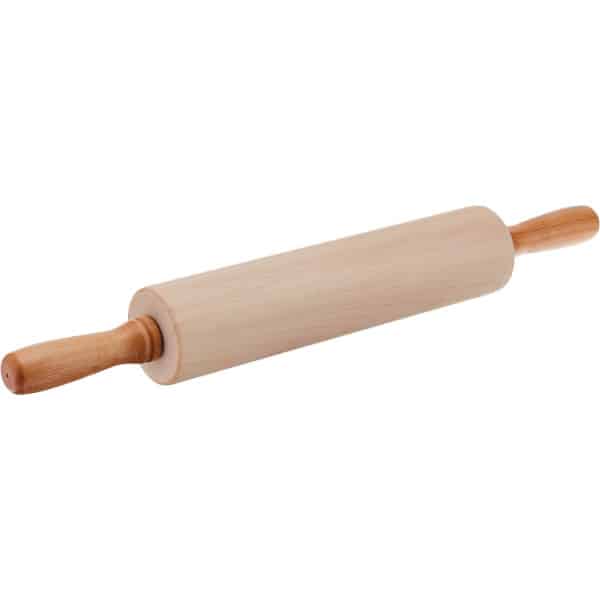
The preference for rolling pins often leans towards traditional wooden models, prized for their balance, natural weight, and tactile feel. A sturdy wooden rolling pin, particularly one crafted from hard maple or beech, offers excellent durability and develops a beautiful patina over years of use. Its simple, ergonomic design allows for even pressure distribution, which is crucial for achieving uniform dough thickness—a key factor in consistent baking. Unlike some modern designs with internal mechanisms, a solid wooden pin is easy to clean and maintain, embodying a classic craftsmanship that can last for decades, becoming a cherished tool in any baker’s collection.
8. Crafting Shapes: Quality Cookie Cutters and Presses
For decorative cookies, such as holiday sugar cookies or shortbread, cookie cutters are essential. However, not all cookie cutters are created equal. Flimsy, thin-gauge metal cutters are prone to bending, resulting in misshapen cookies and ragged edges. The hallmark of a high-quality cookie cutter is sturdy construction, typically from metal (like tin-plated steel or stainless steel), with sharp, clean edges that slice through dough efficiently without tearing.
Brands like Ann Clark are highly regarded in the baking community for their extensive variety of shapes and robust construction. Investing in a diverse set of sturdy metal cutters ensures clean cuts and lasting performance. For specialized cookies like spritz, which are extruded through a press, a reliable cookie press is indispensable. The OXO cookie press, for instance, is frequently recommended for its ease of use, durable components, and consistent performance, allowing bakers to create intricate, uniform shapes with minimal effort, particularly popular during festive baking seasons.
9. The Versatility of Silicone Spatulas: An Everyday Essential
Among the most frequently utilized tools in any kitchen, the silicone spatula stands out for its incredible versatility and indispensable role in baking. A well-designed silicone spatula combines flexibility with sturdiness, offering a comfortable grip and resilience to high temperatures.
Silicone spatulas are ideal for scraping every last vestige of cookie dough from mixing bowls, ensuring no ingredients are wasted and all components are thoroughly incorporated. Their flexible yet firm blades are perfect for folding delicate ingredients, stirring batters, tempering chocolate, and even general cooking tasks. Unlike rubber spatulas of yesteryear, modern silicone spatulas are heat-resistant, odor-resistant, and non-reactive, making them safe for use with all types of food and cookware. Culinary professionals often keep several sizes on hand—from small, precise scrapers to larger, more robust mixing spatulas—highlighting their constant utility across a wide range of kitchen applications. Their ease of cleaning and durability further cement their status as an essential, high-value investment.
10. Dessert Carriers: Preserving Presentation and Portability
The effort invested in baking exquisite cookies deserves to be complemented by their pristine presentation upon arrival at their destination. For transporting or gifting homemade treats, a sturdy and protective dessert carrier is an invaluable accessory, safeguarding the integrity and aesthetic appeal of baked goods during transit.
Purpose-built dessert carriers are designed to prevent crushing, smudging, or shifting, ensuring cookies retain their freshly baked appearance. A common professional trick involves repurposing a cupcake carrier by inverting the tray, creating a stable platform for stacking multiple layers of cookies without them touching or sticking. Additionally, specialized lids for standard half sheet pans offer a secure and convenient method for transporting larger quantities. For smaller batches or gifts, a 9×13-inch pan with a fitted, airtight lid provides excellent protection and portability. These carriers are not merely about convenience; they reflect an appreciation for the culinary effort and ensure that the recipient experiences the cookies exactly as the baker intended—fresh, intact, and visually appealing.
The Broader Impact: Elevating Home Baking to Culinary Art
The thoughtful selection and proper utilization of these essential baking tools collectively elevate the home baking experience from a simple task to a precise culinary art form. By investing in quality equipment, bakers gain greater control over variables, ensure consistency in results, and ultimately enhance the enjoyment and satisfaction derived from creating homemade cookies. This systematic approach, grounded in expert recommendations and functional design, empowers bakers of all skill levels to achieve professional-grade outcomes, fostering a deeper appreciation for the science and artistry inherent in baking. The growing demand for reliable kitchen tools underscores a broader trend towards culinary literacy and the desire for excellence in domestic gastronomy.
