

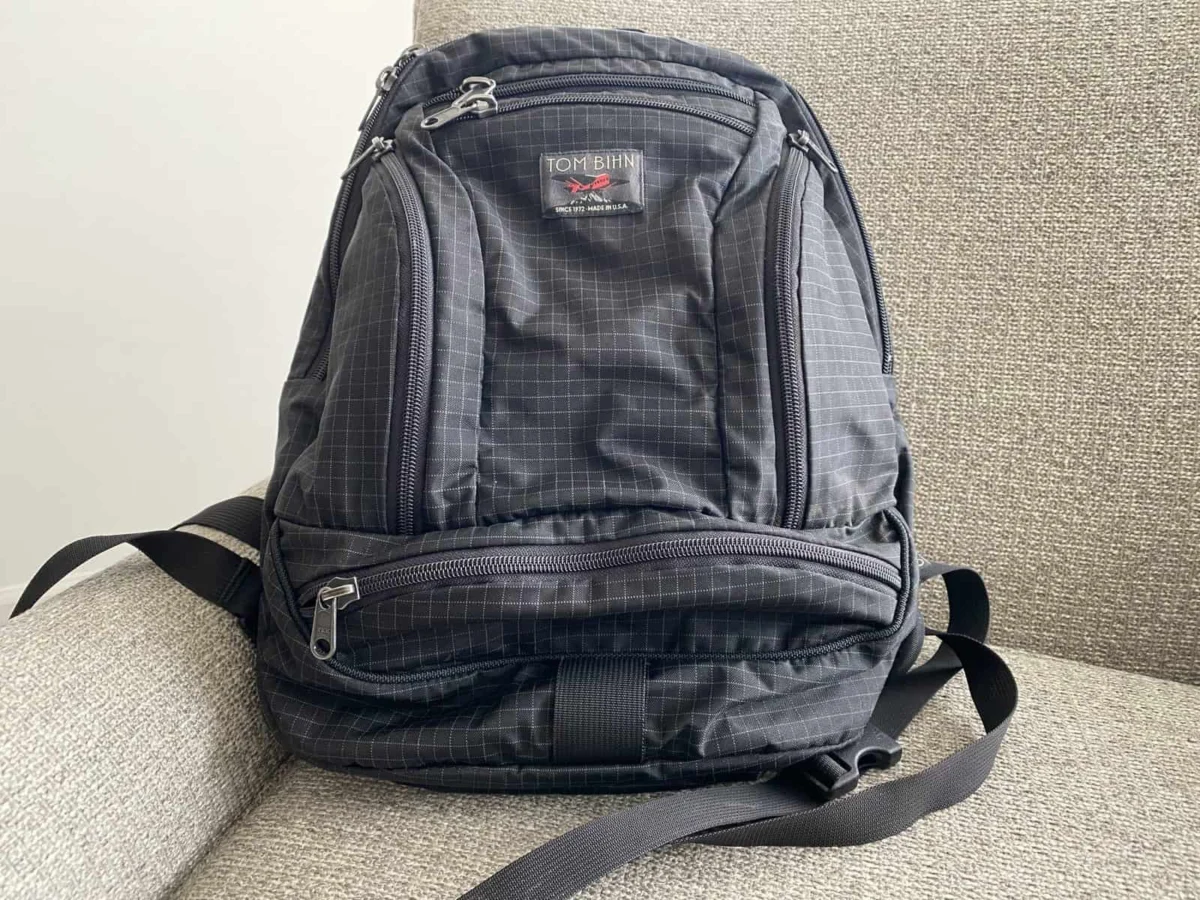
The recovery of personal property following a burglary is statistically rare, yet a recent incident in the Park Slope neighborhood of Brooklyn has defied these odds, bringing closure to a case that began over three years ago. In a sequence of events that highlights the intersection of chance, community vigilance, and the lasting impact of urban crime, a backpack stolen during a 2017 residential burglary was recently discovered by a chimney sweep and returned to its rightful owner. The return of the item, a specialized travel daybag, has not only solved a localized mystery but has also provided a window into the long-term psychological effects of property crime on victims.
The Intersection of Medical Crisis and Criminal Activity
The origins of this case date back to August 2017, a period during which the victim, a former attorney and travel writer known for the digital publication Legal Nomads, was undergoing a significant medical crisis. While the victim was at a local emergency room receiving a lumbar puncture—a procedure intended to diagnose or treat specific neurological conditions—the apartment she was cat-sitting for in Brooklyn was breached.
Security footage from a residential camera within the apartment confirmed a chilling confluence of events: the burglar entered the premises at the exact timestamp the medical procedure commenced at the hospital. During the commission of the crime, the perpetrator utilized a Tom Bihn Synapse daybag belonging to the victim to consolidate stolen goods. The thief ultimately exited the residence with various high-value items, including a laptop, jewelry, and cash, but notably left behind the victim’s Canadian passport and a small denomination of Canadian currency on a sofa. This selective theft suggested a perpetrator focused on liquid assets and electronics while discarding items that could facilitate easier tracking by law enforcement.
For the victim, the burglary was secondary to the medical outcome of that night. The spinal tap resulted in a debilitating cerebrospinal fluid (CSF) leak, a condition that left her significantly disabled and altered the trajectory of her professional and personal life. Consequently, the loss of the backpack and its contents became a footnote in a larger narrative of physical and emotional recovery, until a routine maintenance task in a neighboring building brought the past back to the surface.
A Discovery on the Rooftops of Park Slope
In late 2020, a resident living several doors down from the site of the original 2017 burglary contracted a professional chimney sweep to perform maintenance on her home. The property, located in the historic Park Slope district—an area characterized by its 19th-century brownstones and leafy streets—had not had its chimney serviced in several years.

During the inspection, the technician discovered a backpack wedged into the side of a chimney vent on the roof. Upon retrieval, the bag was found to contain several expired credit cards, prescription eyewear, and various personal effects. Recognizing that the items likely belonged to a victim of a crime, the homeowner conducted a search on social media platforms to locate the individual named on the credit cards.
A message was sent via Facebook in December 2020, though it remained in the "Message Requests" folder—a secondary inbox often overlooked by users—until January 2021. The message inquired if the recipient had lost a bag in the Brooklyn area several years prior. This discovery confirms a common tactic used by opportunistic burglars: "dumping" non-liquid or identifiable evidence in hard-to-reach locations, such as rooftops or alleyway bins, immediately after a heist to minimize the risk of being caught with incriminating personal documents.
Chronology of Events: From Burglary to Recovery
To understand the significance of this recovery, it is necessary to examine the timeline of the events:
- August 2017: The victim is hospitalized for a lumbar puncture. Simultaneously, the Park Slope apartment is burgled. The Tom Bihn backpack is stolen along with electronics and jewelry.
- Late 2017 – 2020: The backpack remains exposed to the elements on a Brooklyn rooftop, tucked into a chimney vent. During this time, the victim undergoes extensive medical treatment for complications arising from the hospital visit.
- December 2020: A neighbor hires a chimney sweep. The bag is discovered. The neighbor attempts to contact the owner via social media.
- January 2021: The victim discovers the message in her filtered inbox. Verification of the items confirms the bag is the one stolen three years earlier.
- February 2021: A surrogate for the victim, a former legal colleague, retrieves the bag from the Park Slope resident.
- Spring 2021: The bag is refurbished and eventually rehomed, marking the formal conclusion of the incident.
Property Crime and Recovery Statistics in New York City
The recovery of this backpack is an outlier in the broader context of New York City property crime statistics. According to historical data from the New York Police Department (NYPD), the clearance rate for burglaries—defined as the identification and arrest of a suspect—frequently hovers between 12% and 15%. The actual recovery of stolen property, particularly soft goods like backpacks or clothing, is even lower.
In 2017, the year of the theft, the 78th Precinct, which serves Park Slope, reported a relatively low number of burglaries compared to other Brooklyn sectors, yet the recovery of specific personal items years after the fact remains a rare occurrence. Most stolen electronics are quickly moved through secondary markets or "fences," while personal bags and documents are typically destroyed or discarded in municipal waste streams. The fact that this item remained stationary on a rooftop for over 40 months highlights the unique architectural landscape of Brooklyn, where flat roofs and chimney vents provide unintended "cold storage" for discarded evidence.
The Psychological Weight of Recovered Objects
The return of the backpack served as a significant emotional catalyst for the victim. In journalistic interviews and personal accounts, victims of burglary often report a sense of "violation of sanctuary." When such items return years later, they can act as "vessels of memory," dredging up the trauma associated with the original crime.

The victim described the experience as "kicking up sediment from the bottom of a lake," a metaphor for the resurfacing of suppressed emotions related to her 2017 medical trauma and the subsequent loss of her mobility. For many, a physical object like a backpack represents a specific version of themselves—in this case, the "mobile" and "independent" version of the victim before her disability. The warped frames of the recovered prescription glasses and the expired credit cards served as physical manifestations of the time lost and the changes endured during the intervening years.
The Role of Digital Platforms in Property Restitution
This case also underscores the evolving role of social media in civil society. While the "Message Requests" feature of Facebook initially delayed the reunion, the platform ultimately facilitated a connection that would have been impossible in the pre-digital era.
Law enforcement agencies have increasingly noted that "community sleuthing" and neighborhood-based digital groups (such as Nextdoor or local Facebook groups) are becoming instrumental in returning lost or stolen property. In this instance, the Good Samaritan’s initiative to cross-reference the name on an expired credit card with a digital profile allowed for a direct return, bypassing the often-overburdened bureaucratic channels of the precinct’s evidence room.
Concluding a Chapter: Transmuting Trauma into Utility
The final disposition of the recovered backpack provides an insight into the process of moving past criminal victimization. After the bag was retrieved by a friend—a fellow lawyer who had shared a long history with the victim—it was meticulously cleaned and restored. In an effort to shift the narrative from one of loss to one of support, the friend filled the bag with gifts before shipping it to the victim.
Ultimately, the victim chose not to keep the bag, citing its heavy emotional associations with a period of intense suffering. Instead, the bag was gifted to another individual who could use it without the burden of its history. This act of "transmuting" a relic of a crime into a functional tool for someone else marks a common psychological strategy for survivors of trauma: reclaiming agency by determining the future of an object that was once taken by force.
While the thief was never apprehended and the high-value electronics remain lost, the return of the Tom Bihn bag stands as a testament to the unpredictable nature of urban life and the persistence of community ties. It serves as a rare "cold case" resolution that, while not providing legal justice, provided a necessary form of emotional restitution.
