

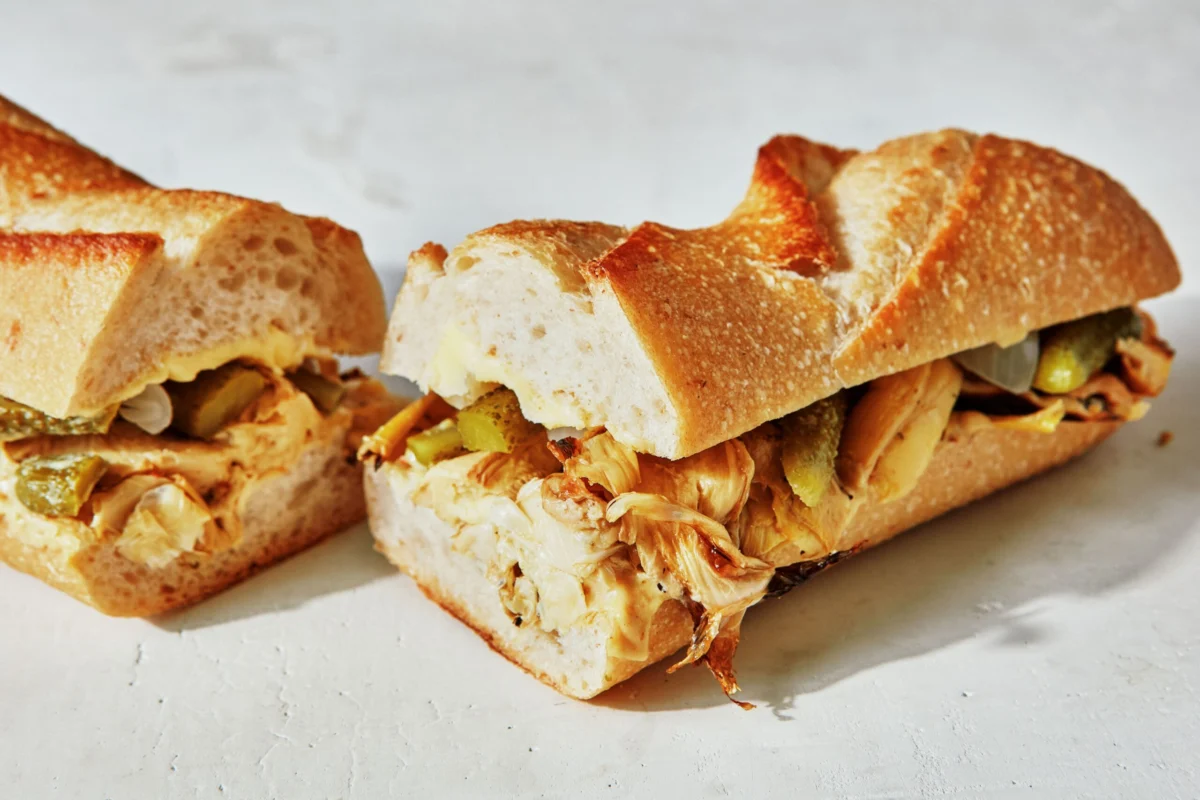
Bon Appétit’s popular "It’s That Simple" series, renowned for its accessible and minimalist recipes, has unveiled an unconventional yet highly anticipated vegetarian rendition of the classic French jambon-beurre sandwich. This innovative recipe, which substitutes traditional ham with marinated artichokes, exemplifies a broader culinary trend towards plant-based adaptations of iconic dishes, marrying convenience with contemporary dietary preferences. The introduction of this recipe underscores the evolving landscape of home cooking and food media, where simplicity, flavor, and inclusivity are increasingly prioritized.
The "It’s That Simple" Philosophy: Accessibility and Innovation
The "It’s That Simple" series, a staple feature of Bon Appétit’s digital and print offerings, is built upon a foundational premise: to demystify cooking through straightforward techniques and concise ingredient lists, yielding results that are both impressive and easily achievable for home cooks of varying skill levels. Since its inception, the series has consistently delivered recipes characterized by their minimal complexity, often requiring fewer than ten ingredients and utilizing common pantry staples. This editorial strategy aligns with a growing consumer demand for efficient meal solutions that do not compromise on flavor or culinary satisfaction. The series aims to empower individuals to create sophisticated dishes without extensive culinary training, fostering a sense of accomplishment and encouraging engagement with home cooking. Each recipe published under this banner is meticulously tested to ensure its foolproof nature, reinforcing the brand’s commitment to reliability and culinary excellence. Previous successful entries in the series, such as Crispy Tuna Patties, Spiced Brown Butter Tomatoes, and a 2-Ingredient Chocolate Mousse, highlight the diverse range of dishes that can be simplified without sacrificing quality or taste.
The Jambon-Beurre: A French Culinary Icon
To fully appreciate the audacious nature of Bon Appétit’s vegetarian adaptation, it is essential to understand the cultural and historical significance of the original jambon-beurre. Known affectionately as "le Parisien," the jambon-beurre sandwich is more than just a simple meal; it is a quintessential emblem of French culinary heritage and everyday life. Its origins can be traced back to the 19th century, though its widespread popularity as an affordable and ubiquitous lunch option surged in post-World War II France. At its core, the classic jambon-beurre is a testament to the philosophy of terroir and the celebration of high-quality, unadorned ingredients.
The traditional construction is deceptively simple: a fresh, crusty baguette, split lengthwise, generously slathered with unsalted butter—often in a layer so thick that it leaves distinct teeth marks upon biting—and filled with delicate ruffles of thinly sliced, subtly salty ham. Occasionally, a thin smear of Dijon mustard or a scattering of sliced cornichons is added for an extra piquant note, though purists often argue against any additions that might detract from the core trinity of bread, butter, and ham. In 2017, it was reported that over 1.2 billion jambon-beurre sandwiches were sold in France, surpassing even the popularity of the hamburger, solidifying its status as the nation’s most consumed sandwich. This data underscores its integral role in French gastronomic identity and daily routines, making any deviation from its traditional composition a notable culinary event.
The Rise of Plant-Based Cuisine and Culinary Adaptation
The Bon Appétit vegetarian jambon-beurre emerges within a global context of escalating interest in plant-based diets and sustainable food consumption. Over the past decade, the shift towards vegetarianism, veganism, and flexitarianism has transformed from a niche movement into a significant mainstream culinary force. Market research consistently demonstrates substantial growth in the plant-based food sector. According to a report by the Plant Based Foods Association, U.S. retail sales of plant-based foods grew by 27% in 2020, reaching $7 billion, and continue to expand year over year. Globally, the plant-based food market is projected to reach hundreds of billions of dollars by the end of the decade, driven by increasing consumer awareness of health benefits, environmental concerns, and ethical considerations related to animal agriculture.
This societal shift has compelled food media outlets, chefs, and product developers to innovate, creating plant-based alternatives that mimic the textures, flavors, and culinary experiences of traditional meat-based dishes. The challenge lies in developing substitutes that not only satisfy dietary restrictions but also appeal to a broad palate, including those who do not strictly adhere to a plant-based diet but are seeking to reduce their meat consumption. The "It’s That Simple" series, through its accessible approach, is strategically positioned to introduce such innovations to a wide audience of home cooks.
Artichokes: A Clever Substitution
The selection of jarred marinated artichokes as the central component of the vegetarian jambon-beurre is a testament to clever ingredient sourcing and an understanding of flavor profiles. Marinated artichokes, readily available in most grocery stores, possess several key attributes that make them an ideal stand-in for ham:
- Meaty Texture: When briefly broiled, as suggested in the recipe, the artichoke hearts develop a slightly firmer, more substantial texture that provides a satisfying bite, reminiscent of cured meats.
- Inherent Umami: Artichokes naturally possess a subtle umami flavor, which is further enhanced by the brining and marinating process. This savory depth is crucial for replicating the complex flavor profile typically contributed by ham. The marinade itself, often infused with herbs, garlic, and oil, adds another layer of flavor and moisture. Bon Appétit explicitly advises against discarding the marinade, suggesting its utility in other culinary applications, thus reinforcing the series’ commitment to maximizing ingredient potential and minimizing waste.
- Pantry-Friendly: Utilizing jarred ingredients aligns perfectly with the "It’s That Simple" ethos of convenience and accessibility. Pantry staples reduce preparation time and increase the likelihood that a home cook will have the necessary ingredients on hand.
- Nutritional Profile: Artichokes are rich in fiber, vitamins (C, K, B), and antioxidants, offering a nutritious alternative to processed meats.
The broiling step is a critical innovation in this recipe, transforming the texture and intensifying the umami of the artichokes, ensuring they stand up to the rich butter and crisp baguette. This simple technique elevates a humble pantry item into a star ingredient, showcasing the power of minimal intervention for maximum impact.
The Vegetarian Jambon-Beurre: An Audacious Reimagining
The Bon Appétit vegetarian jambon-beurre is described as "audacious" and "a little unhinged" precisely because it dares to challenge a deeply entrenched culinary tradition. While the substitution of ham is radical, the recipe otherwise remains faithful to the classic structure: a fresh baguette and a generous layer of butter. This strategic adherence to the original format helps to ground the innovation in familiarity, making the plant-based version approachable even for purists.
The conceptualization of this recipe likely involved extensive testing to ensure that the artichokes delivered the desired textural and flavor complexity required to anchor the sandwich. The editorial team at Bon Appétit, under the guidance of its culinary directors, would have aimed to strike a delicate balance: pushing boundaries while retaining the essence of what makes the original dish so beloved. The implicit statement from Bon Appétit is one of culinary inclusivity and creative problem-solving, demonstrating that beloved classics can be reinterpreted to suit a broader range of dietary needs without sacrificing deliciousness. The recipe’s suitability for a "chic desk lunch" or a "day in the sun" further emphasizes its versatility and broad appeal, positioning it as a modern, adaptable meal solution.
Industry Reactions and Broader Implications
The publication of such a recipe by a prominent culinary authority like Bon Appétit carries significant implications for both the food industry and home cooking practices. Culinary observers and food critics generally view such innovations as a positive development, reflecting a dynamic and responsive food media landscape. While some traditionalists might initially express skepticism, the cleverness of the substitution and the inherent simplicity of the recipe are likely to garner widespread appreciation.
From a food media perspective, this recipe reinforces Bon Appétit’s role as a trendsetter and innovator. By offering accessible plant-based alternatives to classic dishes, the publication not only caters to its existing audience but also attracts new readers who are actively seeking vegetarian or flexitarian options. This strategy is crucial for maintaining relevance in a rapidly evolving digital content environment.
Economically, the popularization of a recipe featuring jarred marinated artichokes could lead to increased demand for such pantry items, potentially influencing supermarket stocking practices and product development within the processed food sector. Manufacturers of plant-based products are constantly looking for innovative applications for their ingredients, and a high-profile recipe like this can provide significant market validation.
Societally, the vegetarian jambon-beurre contributes to the ongoing normalization of plant-based eating. By presenting a meat-free option for a culturally significant sandwich, it helps to dismantle the perception that vegetarian food is inherently restrictive or less satisfying. It signals that plant-based dining can be both effortless and deeply enjoyable, encouraging a wider demographic to explore meatless meals. This contributes to a broader cultural shift towards more sustainable and ethically conscious food choices, even if consumers are not fully committed to a vegetarian lifestyle.
Expanding the "It’s That Simple" Repertoire
The vegetarian jambon-beurre is another strong addition to the "It’s That Simple" collection, reinforcing the series’ reputation for delivering inventive yet uncomplicated recipes. Alongside this innovative sandwich, Bon Appétit continues to champion a range of other accessible dishes that resonate with contemporary culinary interests. Examples such as Crispy Tuna Patties offer a fresh take on classic comfort food, leveraging pantry staples for quick and flavorful meals. Spiced Brown Butter Tomatoes showcase how simple techniques can elevate humble ingredients into sophisticated side dishes. The 2-Ingredient Chocolate Mousse, a perennial favorite, perfectly encapsulates the series’ promise of impressive results from minimal effort. Together, these recipes illustrate Bon Appétit’s enduring commitment to making gourmet cooking approachable and inclusive, consistently inspiring home cooks to experiment and enjoy the process of creating delicious food without unnecessary complexity.
In conclusion, Bon Appétit’s introduction of a vegetarian jambon-beurre using marinated artichokes is more than just a recipe; it is a cultural statement. It highlights the ingenuity of modern culinary adaptation, the growing influence of plant-based diets, and the enduring appeal of simplicity in home cooking. As food trends continue to evolve, such innovations will undoubtedly play a pivotal role in shaping how we perceive, prepare, and enjoy our meals, bridging the gap between tradition and the demands of contemporary lifestyles.
