

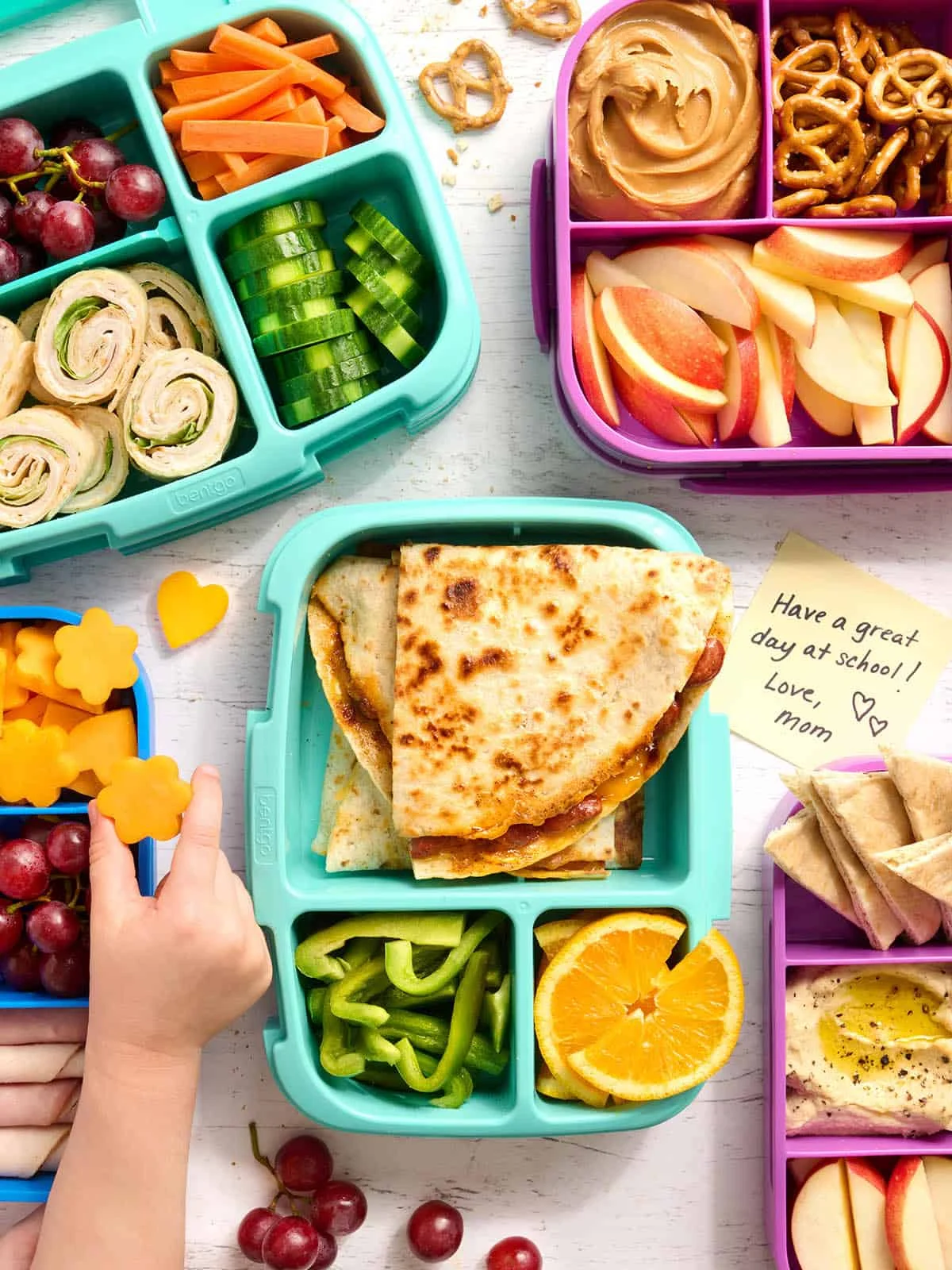
The logistical challenge of providing daily nutrition for school-aged children has intensified as families navigate a complex landscape of rising grocery prices, strict school safety guidelines, and a shifting national school lunch infrastructure. While the morning routine of preparing a mid-day meal may appear to be a minor domestic task, it sits at the intersection of significant economic and legislative pressures. As of 2026, the cost of living and food inflation have forced a re-evaluation of the "packed versus purchased" lunch debate. Research indicates that while school-provided meals remain a staple for millions, the quality, variety, and reliability of these programs are under strain, prompting a surge in home-prepared bento-style alternatives that prioritize both budget and nutritional density.
The Economic Landscape of School Nutrition in 2026
According to the School Nutrition Association’s 2025 Trends Report, the average cost of a school cafeteria lunch reached approximately $3.09. However, industry analysts suggest that by the 2026 academic year, this figure has faced upward pressure due to sustained inflation and the expiration of various federal subsidy programs. While $3.09 per meal remains lower than many retail options, the Deloitte 2025 Back-to-School Report found that the average cost for a parent-packed lunch had risen to $6.15 per day when including brand-name snacks and pre-packaged convenience items.
The current economic challenge for households is to bridge the gap between the $6.15 premium packed lunch and the $3.09 cafeteria meal without sacrificing nutritional quality. Data from the Nashville Test Kitchen and budget-focused culinary researchers suggest that by utilizing bulk staples and "ingredient sharing"—the practice of using one ingredient across multiple meal types—families can reduce the per-meal cost of a packed lunch to between $1.09 and $3.83. This range effectively matches or beats cafeteria pricing while offering greater control over allergens and fresh produce intake.
A Chronology of Federal Policy and School Lunch Evolution
To understand the current reliance on home-packed lunches, one must look at the legislative timeline that has shaped the American school tray over the last two decades:
- 2010: The Healthy, Hunger-Free Kids Act: This landmark legislation, championed by the Obama administration, mandated increased servings of fruits, vegetables, and whole grains in schools. It set the first major nutritional upgrades in thirty years.
- 2015–2020: Regulatory Adjustments: Periodic shifts in federal oversight led to fluctuations in whole-grain requirements and sodium limits, often sparking debate between health advocates and school district budget directors.
- 2020–2022: Pandemic-Era Universal Free Meals: During the COVID-19 pandemic, federal waivers allowed schools to provide free meals to all students regardless of income. This period saw a temporary stabilization in child food security.
- 2023–2025: Funding Retraction and Labor Shortages: The expiration of universal free meal waivers, combined with a tightening of eligibility requirements, returned many families to a "pay-to-eat" system. Simultaneously, 90% of school nutrition directors reported significant worker shortages, leading to a reduction in "scratch cooking" and a return to more processed, heat-and-serve options.
- 2026: The Current State: New dietary guidelines are currently in a transition phase, but local food funding cuts have created a lag. Parents are increasingly reporting "lunchroom fatigue" among students, where a lack of variety leads to high rates of food waste.
Strategic Meal Planning: The Five-Box Framework
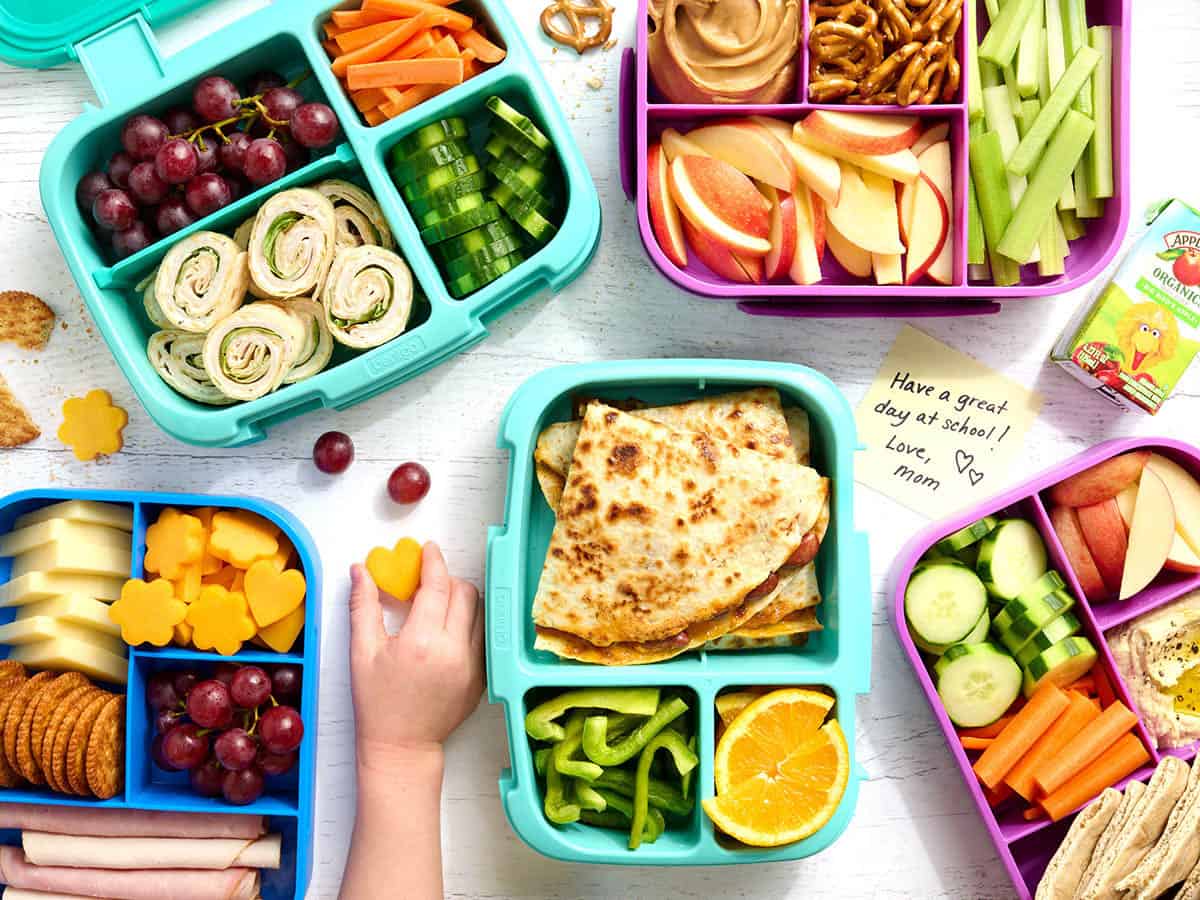
To combat these systemic issues, nutritional experts have developed a bento-box framework designed to maximize shelf-stable staples and minimize morning preparation time. These five strategies are engineered to be served at room temperature or chilled, bypassing the need for school microwave access, which is often limited or non-existent for students.
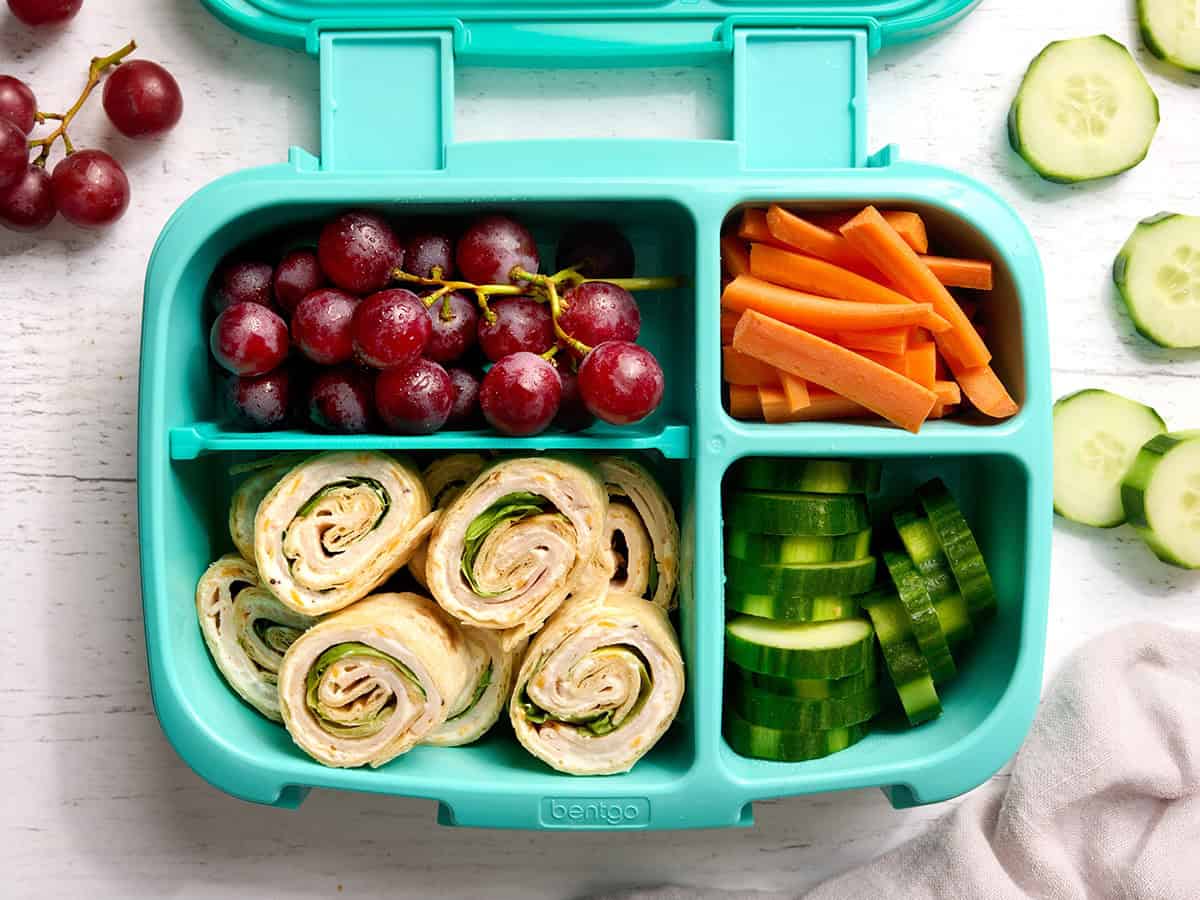
1. The Protein-Rich Pinwheel Strategy
Cost Estimate: $3.16 – $3.83
The turkey pinwheel utilizes flour tortillas, deli turkey, and cream cheese. From a food-science perspective, the cream cheese acts as a structural binder, preventing the wrap from deconstructing during transit. This method mimics the "sandwich" profile but increases visual appeal and ease of consumption for younger children. By pairing this with high-yield produce like cucumbers and carrots, parents can utilize the same vegetables in evening salads, reducing total household food waste.
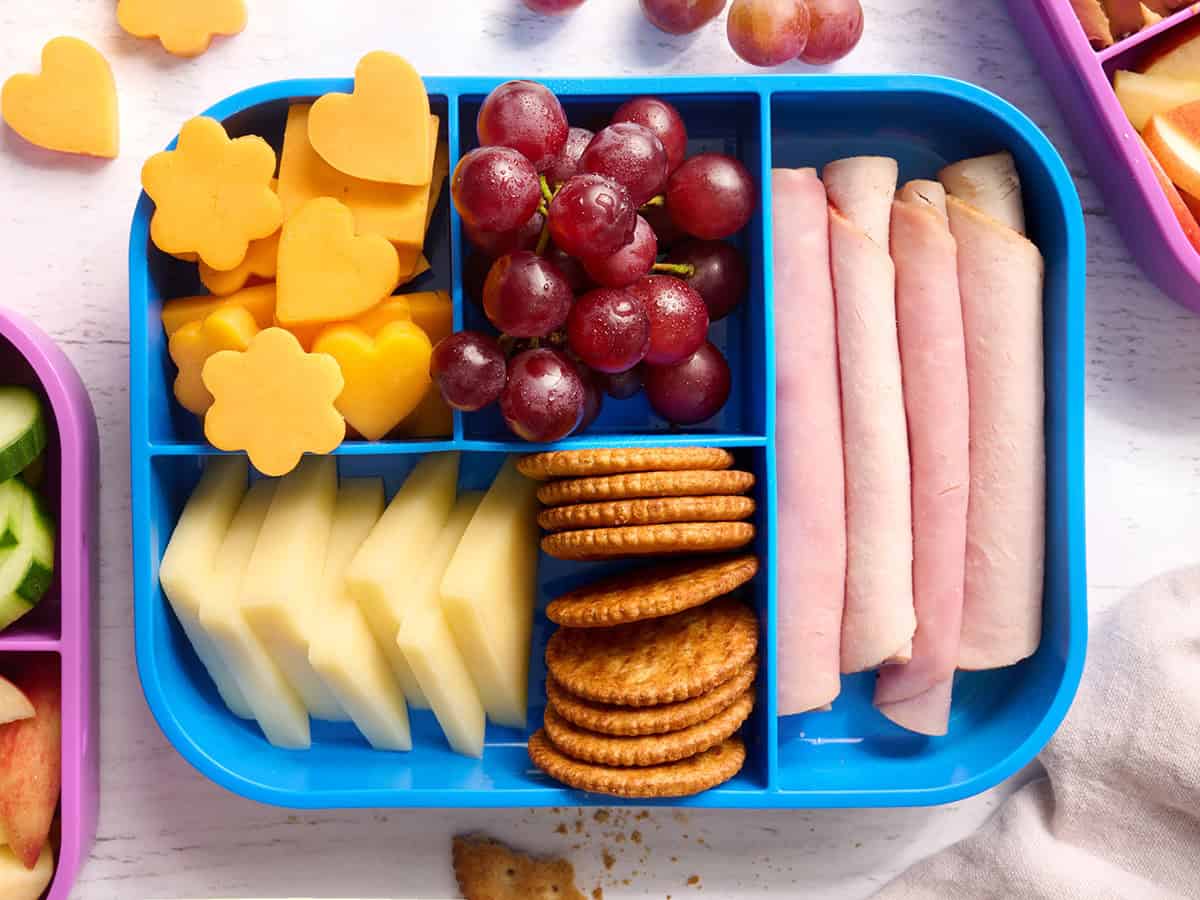
2. The Deconstructed ‘Lunchable’ Alternative
Cost Estimate: $1.81 – $3.41
Commercial pre-packaged lunch kits often carry a high price premium for the convenience of packaging. A home-assembled version using block cheese (sliced at home), deli ham, and whole-grain crackers offers a higher protein-to-sodium ratio. This "cheese board" approach allows for the utilization of "fridge odds and ends," such as the remaining portions of grapes or berries, making it a "budget hero" for mid-week preparation.
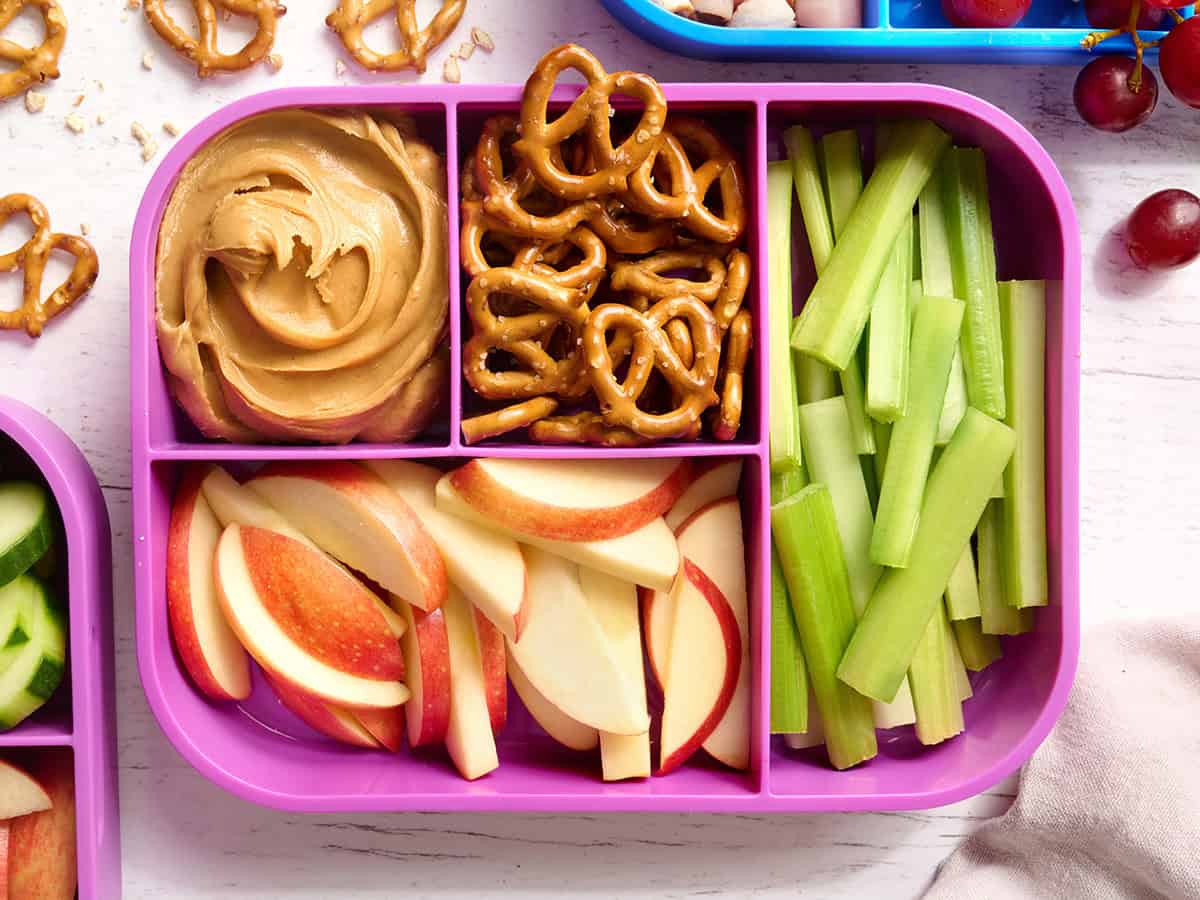
3. The Nutrient-Dense Dipper Box
Cost Estimate: $1.09
Peanut butter (or seed-based alternatives like sunflower butter for nut-free campuses) remains one of the most cost-effective sources of healthy fats and protein. When paired with pretzels, celery, and apples, it provides a tactile, "activity-based" lunch. To prevent enzymatic browning in sliced apples—a leading cause of fruit being returned uneaten—analysts recommend a light toss in lemon juice or salt water, which preserves the aesthetic appeal for the four to five hours between packing and consumption.
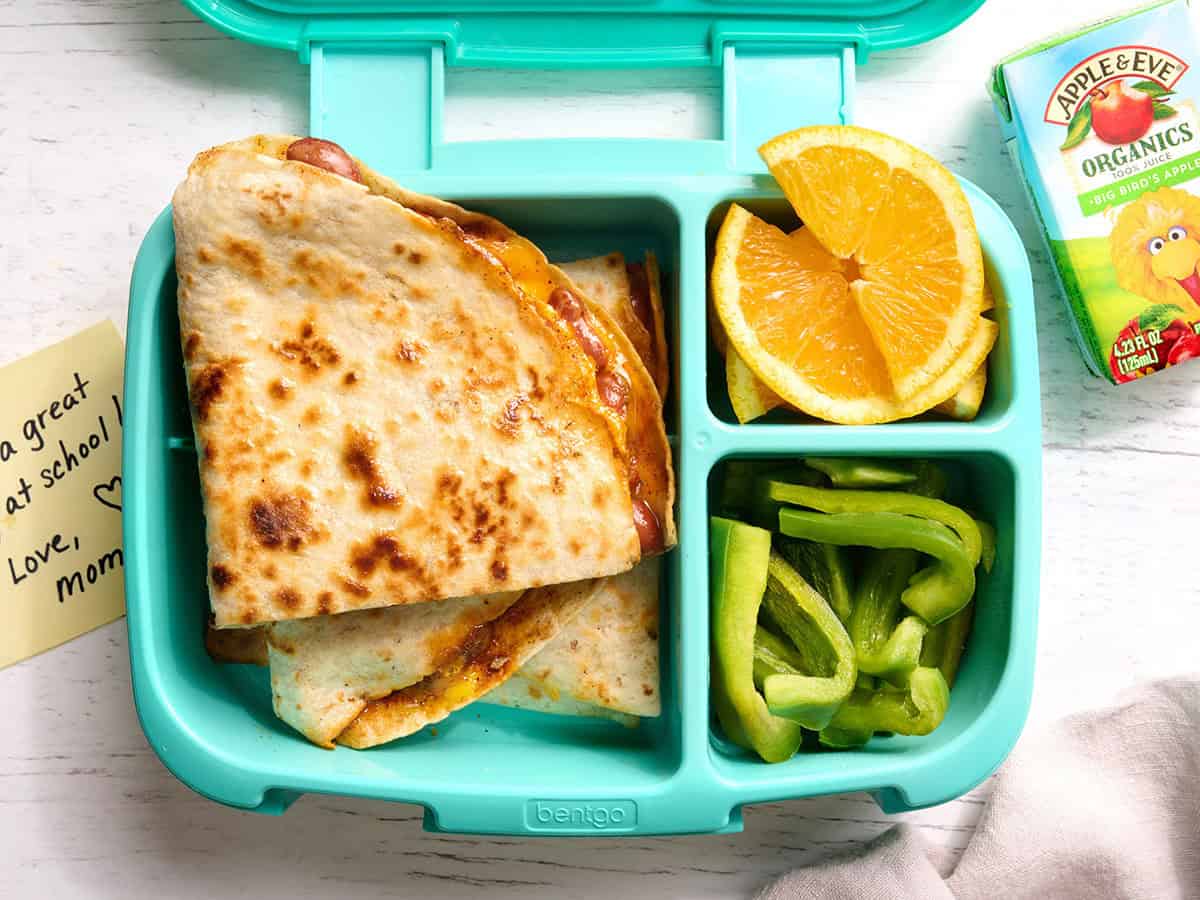
4. Plant-Based Efficiency: The Kidney Bean Quesadilla
Cost Estimate: $1.41
This option represents the pinnacle of budget-conscious nutrition. Canned kidney beans and tortillas cost mere pennies per serving. When mashed with a small amount of shredded cheese, the beans provide a significant dose of iron and fiber. This meal is particularly effective for "picky eaters" who may reject whole beans but accept them when incorporated into a familiar cheesy medium. Furthermore, these can be batch-cooked over a weekend and refrigerated, requiring zero morning assembly.
5. The Hummus and Pita Mediterranean Box
Cost Estimate: $1.66 – $1.91
Hummus serves as a versatile, nutrient-dense plant protein. While store-bought versions are convenient, homemade white bean or chickpea hummus can further drive down costs. The use of pita triangles and raw vegetables provides a high-volume, low-calorie meal that maintains its integrity in a bento-style container. This model is frequently cited by nutritionists as an ideal way to introduce children to diverse flavor profiles beyond the standard American deli meat palette.
Institutional Responses and Labor Challenges
The shift toward home-packed lunches is not merely a preference but a reaction to the operational realities of modern schools. In recent statements, school nutrition directors have highlighted that labor shortages are the primary barrier to meeting the goals of the Healthy, Hunger-Free Kids Act. With fewer staff members available to prep fresh produce, many schools have been forced to rely on pre-packaged, shelf-stable items that may not satisfy the appetite or nutritional needs of developing children.
"The system is currently working against the cafeteria staff," notes culinary expert Jess Rice. "Packing at home gives families the variety and satisfaction that a strained institutional system cannot always guarantee." This sentiment is echoed by parent advocacy groups who argue that the "standardized tray" often fails to account for the sensory preferences of neurodivergent children or those with specific dietary restrictions.
Broader Implications and Safety Protocols
As families move toward the bento-box model, safety remains a paramount concern. School districts across the United States have increasingly implemented "no-glass" policies to prevent injury in crowded cafeterias. This has spurred a secondary market for durable, BPA-free plastic and stainless steel containers.
The broader impact of this shift is two-fold:
- Household Economics: By lowering the per-meal cost to approximately $1.50 through plant-based options like the kidney bean quesadilla, a family with two children can save upwards of $600 per school year compared to the national average for packed lunches.
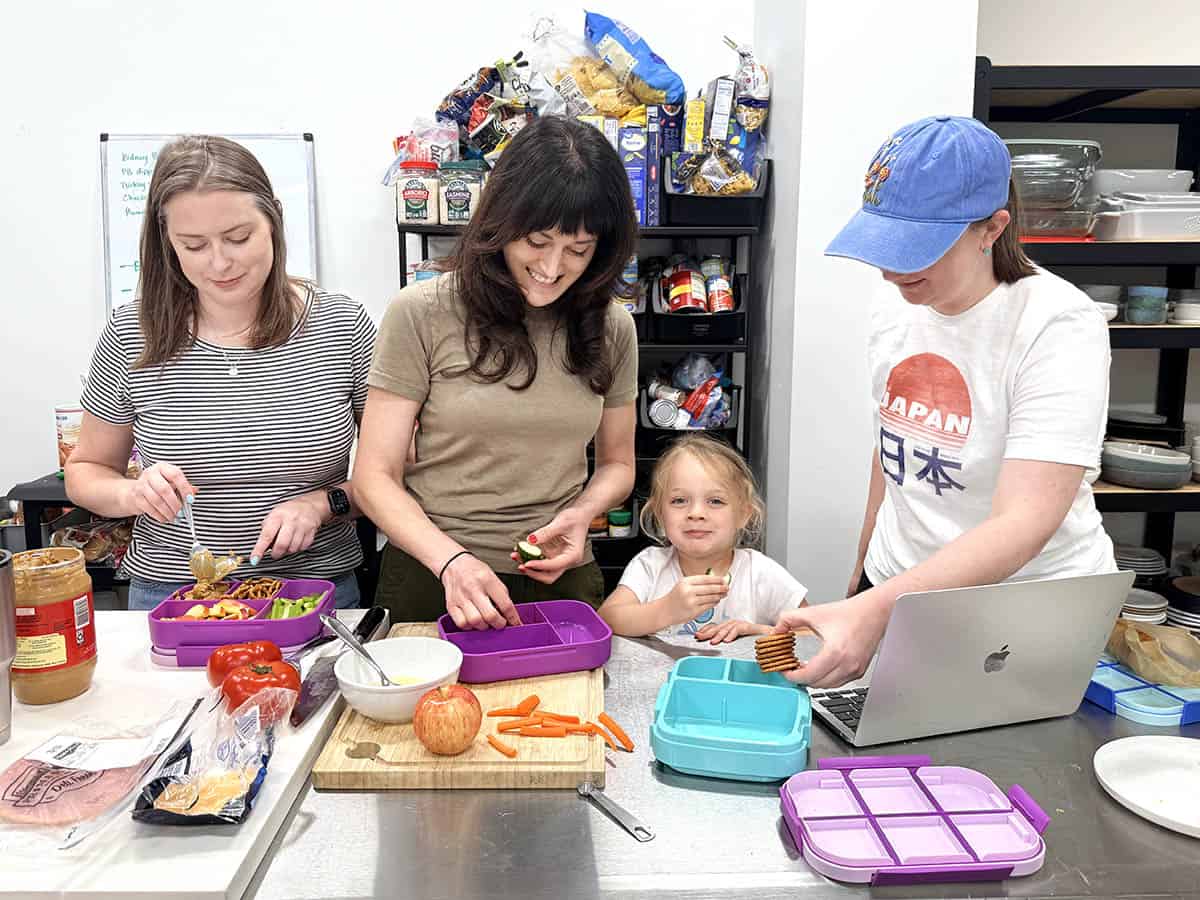
- Nutritional Education: Involving children in the "assembly line" of bento-packing serves as a practical lesson in food groups and portion control. Data suggests that children who participate in meal prep are 20% more likely to consume the vegetables provided.
Conclusion
The state of school lunches in 2026 is a reflection of a broader economic transition. As the gap between federal nutritional goals and local budgetary reality persists, the responsibility for high-quality mid-day nutrition has shifted back to the household. By adopting a "simple, fresh, and balanced" philosophy and leveraging the cost-efficiencies of plant-based proteins and bulk staples, parents can navigate the time-crunch of 7:00 AM while ensuring their children remain fueled for academic success. The bento box, once a niche culinary trend, has now solidified its place as an essential tool for economic resilience in the modern American education system.
