

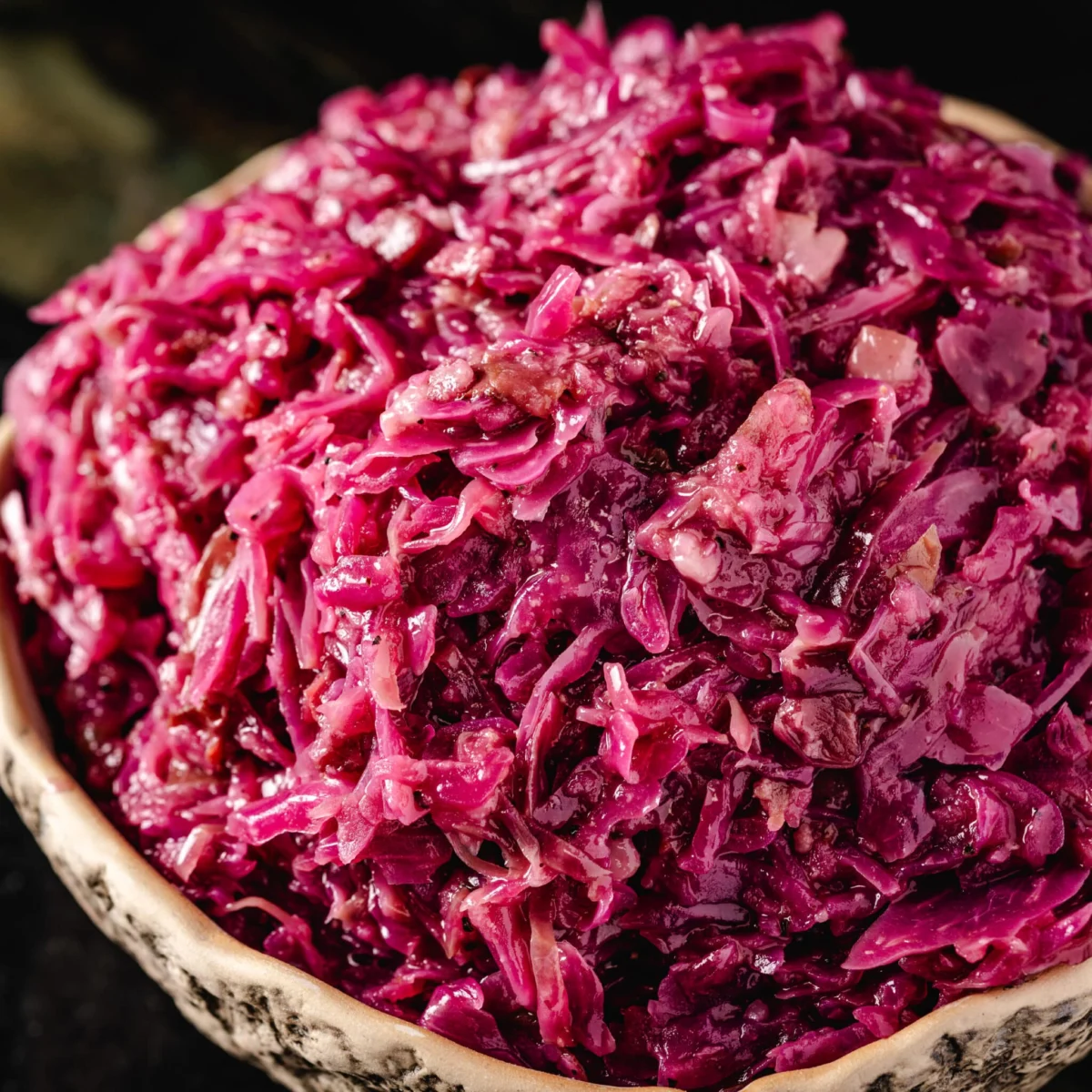
Rotkohl, a cornerstone of German gastronomic tradition, has emerged as a significant accompaniment in the modern American barbecue circuit, offering a sophisticated balance of sweetness, acidity, and warmth to heavy, smoked proteins. This slow-simmered red cabbage dish, characterized by its deep purple hue and complex flavor profile, represents a fusion of Old World preservation techniques and contemporary outdoor cooking culture. As demonstrated by culinary experts like Susie Bulloch on platforms such as Food Network’s Pitmasters, the integration of traditional European side dishes into the American BBQ repertoire highlights a broader trend toward globalized flavor profiles in domestic grilling.
The Culinary Composition of Rotkohl
The preparation of Rotkohl—pronounced "wrote-coal"—is an exercise in patience and chemical synergy. Unlike a standard coleslaw, which relies on raw crunch and creamy dressings, Rotkohl is defined by its braised, almost jammy texture. The fundamental ingredients include shredded red cabbage, yellow onions, and tart apples, which are simmered together to create a cohesive flavor unit.
The use of bacon grease as a primary fat source introduces a smoky, savory depth that bridges the gap between the vegetable and the meat it typically accompanies, such as German pork chops (Schwenkbraten) or bratwurst. Red wine vinegar and lingonberry jam provide the necessary acidity and sugar to facilitate the breakdown of the cabbage’s fibrous structure, while cloves offer a subtle, warming spice note that is synonymous with Central European winter cuisine.

Historical Context and Botanical Properties
The cultivation of red cabbage (Brassica oleracea var. capitata f. rubra) dates back centuries in Europe, where it was favored for its hardiness and ability to be stored through long winters. Historically, the color of the dish served as an indicator of the regional soil’s pH levels or the ingredients used in the pot. In acidic environments, created by the addition of vinegar or tart apples, the cabbage retains a vibrant red or magenta color. In more alkaline environments, the cabbage can turn blue or even green. The name "Rotkohl" (red cabbage) is used primarily in Northern Germany, whereas in Southern regions, it is often referred to as "Blaukraut" (blue cabbage), reflecting these regional variations in preparation and chemical reaction.
In the context of the 21st-century culinary landscape, the dish has seen a resurgence as pitmasters seek to move beyond traditional American sides like potato salad or coleslaw. The inclusion of Rotkohl in high-stakes cooking competitions, such as Food Network’s Pitmasters, underscores its utility as a "palate cleanser." The vinegar-forward profile cuts through the heavy fats found in smoked brisket, pork shoulder, and sausages, providing a refreshing contrast that allows the diner to experience the nuances of the meat more clearly.
Chronology of the Modern BBQ Evolution
The journey of Rotkohl from a rural German staple to a featured recipe on American television follows a specific timeline of culinary cross-pollination:
- Early 20th Century: German immigrants in the American Midwest and Texas integrate traditional cabbage dishes into local foodways, though often relegated to home kitchens or ethnic festivals.
- 1990s – 2000s: The "BBQ Revolution" begins in the United States, with a renewed focus on regional techniques and the professionalization of competition barbecue.
- 2010s: Digital platforms like Hey Grill Hey begin to democratize professional BBQ secrets. Susie Bulloch, a prominent figure in this movement, starts advocating for a more diverse array of side dishes to complement traditional low-and-slow meats.
- 2024: The appearance of Bulloch and Christie Vanover on Food Network’s Pitmasters (Episode 4) solidifies the status of "German-inspired" BBQ sides as a mainstream interest for outdoor cooking enthusiasts.
Scientific and Nutritional Data
From a nutritional standpoint, Rotkohl offers a dense profile of vitamins and antioxidants, making it a functional addition to a meal often dominated by calorie-heavy proteins. According to nutritional analysis, a standard serving of Rotkohl contains approximately 156 calories, with a significant concentration of Vitamin C (86 mg) and Vitamin A (1728 IU).

The deep purple color of the cabbage is derived from anthocyanins, a type of flavonoid with antioxidant properties. Research suggests that the bioavailability of these nutrients can be enhanced through the slow-cooking process, particularly when paired with a fat source like bacon grease or butter. Furthermore, the inclusion of apples and onions provides 6 grams of dietary fiber per serving, aiding in digestion—a crucial factor when consuming the "heavy BBQ meats" for which the dish is recommended.
Preparation and Texture Analysis
The technical execution of Rotkohl relies on the transition of the cabbage from "crisp to soft." Culinary professionals emphasize that this process typically requires approximately two hours of simmering on low heat. The objective is to achieve a texture that is tender but not mushy, where the liquid has reduced to a glaze that coats the cabbage strands.
Industry experts suggest that the dish is highly forgiving; as long as the heat remains low and the moisture levels are monitored, it is difficult to overcook. This makes it an ideal "set and forget" side dish for pitmasters who are simultaneously managing the temperamental temperatures of a smoker or charcoal grill.
Market Trends and Economic Impact
The rise in popularity of recipes like Rotkohl is reflective of the booming outdoor cooking market. According to reports from the Hearth, Patio & Barbecue Association (HPBA), the grilling industry saw a significant surge in consumer engagement over the last five years, with more homeowners investing in high-end smokers and accessories. This has created a secondary market for "gourmet" side dish content.

The demand for authentic, culturally rooted recipes has also influenced the retail sector. Ingredients such as lingonberry jam, once a niche item found primarily in specialty European markets or IKEA food halls, have seen increased shelf space in mainstream American grocery stores. This availability allows home cooks to replicate professional-grade Rotkohl with greater ease, further fueling the dish’s popularity.
Industry Implications and Professional Reactions
The integration of Rotkohl into the BBQ circuit has met with positive reactions from culinary critics and professional chefs. The general consensus is that the "sweet-and-sour" profile of German cuisine aligns perfectly with the "sweet-and-heat" profile of American BBQ.
"The brilliance of a dish like Rotkohl in a competition setting is its ability to provide a bright, acidic counterpoint to the smoke and salt of the meat," notes one culinary analyst familiar with the Pitmasters series. "It shows a level of sophistication and an understanding of palate balance that goes beyond the basics of fire and smoke."
Furthermore, the collaboration between female pitmasters like Susie Bulloch and Christie Vanover on national television has been highlighted as a progressive step in a historically male-dominated industry. Their focus on comprehensive meal planning—including complex sides like German red cabbage—has redefined what it means to be a "master of the pit."

Broader Impact on Global Food Culture
The popularity of Rotkohl in the United States is a micro-example of a larger global trend: the "de-regionalization" of food. As digital creators and television personalities share specialized recipes, the barriers between ethnic cuisines and local traditions dissolve. Rotkohl is no longer just a German dish; it is a "BBQ dish," a "holiday dish," and a "health-conscious side" all at once.
This evolution has implications for how future generations will perceive traditional foods. By adapting Rotkohl for the grill—using bacon grease and pairing it with smoked chops—creators are ensuring the survival of the recipe by making it relevant to modern tastes and cooking methods.
Conclusion and Future Outlook
As the American BBQ landscape continues to evolve, the inclusion of traditional European sides like Rotkohl is expected to grow. The dish’s ability to be prepared in advance, its vibrant visual appeal, and its nutritional benefits make it a permanent fixture in the modern pitmaster’s arsenal. Whether served at a backyard gathering or featured on a televised cooking competition, Rotkohl stands as a testament to the enduring power of slow-simmered traditions in a fast-paced culinary world.
For those looking to expand their outdoor cooking repertoire, the transition from standard salads to braised cabbage represents a significant step toward culinary maturity. As the industry moves forward, the focus will likely remain on these "bridge" recipes—dishes that honor historical roots while serving the practical needs of the contemporary griller.
