

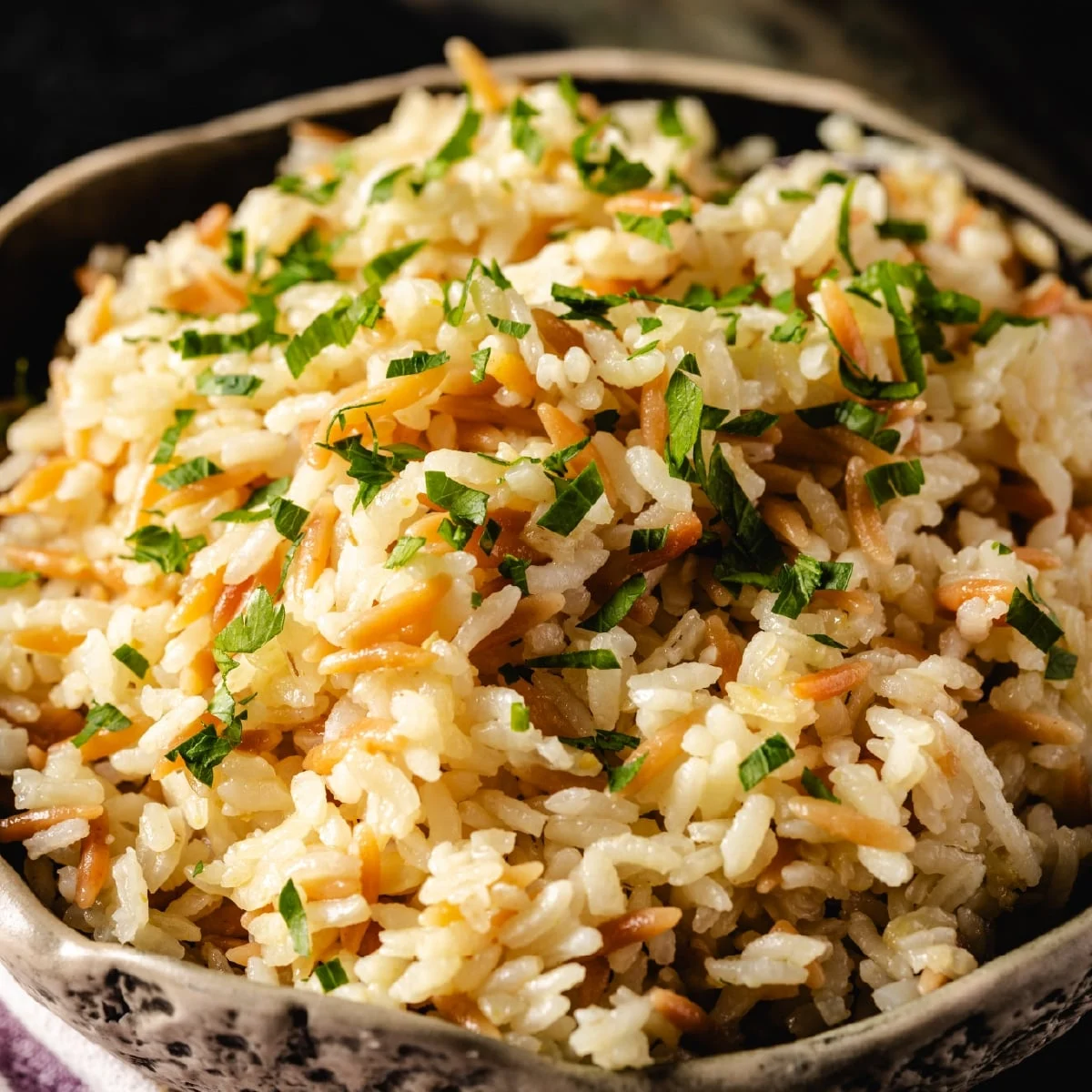
The landscape of outdoor cooking has undergone a significant transformation in recent years, moving beyond the singular focus on proteins to encompass a more holistic approach to the meal. Central to this evolution is the emergence of sophisticated side dishes that provide a structural and flavor-based foundation for smoked and grilled meats. Among these developments, the five-ingredient Garlic Rice Pilaf has gained traction as a premier accompaniment, prized for its logistical simplicity and its ability to be prepared entirely within an outdoor kitchen environment using a single cast-iron skillet. This culinary preparation utilizes a combination of medium-grain rice and orzo pasta, toasted to a golden hue to introduce nutty notes that complement the robust profiles of traditional American barbecue.
The Technical Foundation of Pilaf Construction
To understand the significance of this specific recipe, one must examine the "pilaf" method, a technique with deep historical roots in Middle Eastern, Central Asian, and South Asian cuisines. Unlike standard steamed rice, which relies on moisture to soften the grain, the pilaf method begins with the sautéing of grains in a fat source—in this case, butter. This initial step serves a dual purpose: it initiates the Maillard reaction on the surface of the grains and coats each kernel in lipid, preventing the release of excess starch during the simmering process. The result is a dish characterized by distinct, non-clumpy grains with a firm, "al dente" texture.

The inclusion of orzo, a small pasta shaped like large grains of rice, introduces a textural contrast. When subjected to the dry heat of a cast-iron skillet, the orzo browns more rapidly than the rice, creating a variegated aesthetic and a complex flavor profile. Culinary analysts suggest that the interplay between the starch of the rice and the semolina-based structure of the orzo provides a more satisfying mouthfeel than traditional white rice, making it an ideal "bed" for meats with high fat content, such as smoked brisket or pulled pork.
Chronology of Preparation and Execution
The execution of the Garlic Rice Pilaf is designed for efficiency, fitting within a 30-minute window that aligns with the final resting period of most smoked meats. The process follows a strict chronological sequence to ensure optimal texture and flavor development:
- Thermal Preparation and Toasting (0-10 Minutes): The process begins with the heating of a cast-iron skillet over a medium-high flame. Butter is melted until it reaches a shimmering state, at which point the orzo and medium-grain rice are introduced. Constant agitation is required during this phase to ensure even browning. The goal is to achieve a deep golden color in the orzo, which signals the development of toasted, nutty aromatic compounds.
- Aromatic Integration (10-12 Minutes): Minced garlic is added to the toasted grains. This timing is critical; garlic has a low burn threshold, and introducing it too early would result in bitterness. By adding it only after the grains are toasted, the heat of the skillet mellows the garlic’s pungency without scorching it.
- The Simmering Phase (12-27 Minutes): Stock—typically chicken or vegetable—is added to the skillet. The liquid is brought to a boil, then the heat is reduced to a low simmer. The skillet is covered, allowing the grains to absorb the moisture through a combination of absorption and steam.
- The Resting Period (27-30 Minutes): Once the liquid is fully absorbed, the heat is extinguished. A brief resting period allows the remaining steam to distribute evenly through the pan, ensuring the top layer of rice is as tender as the bottom. The dish is then fluffed with a fork to separate the grains before serving.
Statistical and Nutritional Profile
From a nutritional standpoint, the Garlic Rice Pilaf offers a balanced profile for a carbohydrate-heavy side dish. Based on a standard serving size for eight individuals, the nutritional data reveals a caloric density that supports its role as a primary energy source in a meal.

- Total Calories: 286 kcal
- Carbohydrates: 50g
- Protein: 8g
- Fat Content: 5g (with 2g of saturated fat)
- Sodium: 240mg (subject to the type of stock utilized)
- Fiber: 1g
- Sugar: 3g
The relatively low sodium count (240mg) is notable, as it allows the cook to control the salt levels, a necessary feature when pairing the rice with heavily rubbed or brined meats. Furthermore, the 8 grams of protein per serving, derived largely from the orzo and stock, provides more nutritional value than standard parboiled rice.
Market Context and Consumer Trends
The rise of recipes like the Garlic Rice Pilaf coincides with a broader trend in the outdoor living sector. Data from the Hearth, Patio & Barbecue Association (HPBA) indicates that more consumers are viewing their backyard spaces as "full-service kitchens" rather than just locations for a grill. This shift has led to an increased demand for "one-pot" recipes that can be executed on side burners or directly on grill grates.
Industry experts observe that the simplicity of the five-ingredient list—rice, orzo, butter, garlic, and stock—appeals to the "minimalist gourmet" demographic. This group seeks high-quality flavor results without the need for extensive grocery lists or complex indoor preparation. The Garlic Rice Pilaf fits this niche perfectly, utilizing pantry staples that are almost universally available.

Expert Analysis: Synergy with Smoked Proteins
Culinary professionals emphasize that the Garlic Rice Pilaf serves a functional purpose beyond mere sustenance. When serving barbecue, the high fat and salt content of the meat requires a neutral yet flavorful "cleanser" to balance the palate.
"The brilliance of a garlic pilaf lies in its ability to absorb the rendered fats and sauces from the primary protein," states one food science researcher. "When a slice of smoked brisket is placed atop this rice, the au jus or barbecue sauce seeps into the grains. The toasted orzo provides enough structural integrity to keep the dish from becoming mushy, while the garlic provides an aromatic bridge between the smoky meat and the neutral starch."
Suggested pairings for this dish include:

- Smoked Chicken Thighs: The garlic notes in the rice complement the poultry’s natural flavors.
- Grilled Shrimp Skewers: The light, fluffy texture of the pilaf provides a delicate base for seafood.
- Beef Tri-Tip: The nutty flavor of the toasted grains matches the beefy intensity of the steak.
Logistical Implications for Meal Prepping and Storage
Beyond the immediate dinner service, the Garlic Rice Pilaf demonstrates significant utility in the context of modern meal prepping. While the dish is at its peak quality immediately after cooking—retaining the crispness of the toasted orzo—it remains stable under refrigeration.
According to food safety guidelines and storage tests, the pilaf can be stored in an airtight container for three to four days. While the distinct textures of the rice and pasta may slightly homogenize during cooling, the flavor profile remains intact. For optimal reheating, culinary experts recommend adding a tablespoon of water or stock before microwaving or reheating in a pan to restore the moisture balance. This longevity makes it a viable option for individuals looking to integrate high-quality side dishes into their weekly nutritional planning.
Broader Impact on Backyard Culinary Culture
The democratization of professional-grade techniques, such as the pilaf method, is empowering home cooks to elevate their weekend gatherings. The "Backyard BBQ Hero" movement, popularized by figures like Susie Bulloch of Hey Grill Hey, focuses on removing the intimidation factor from outdoor cooking. By providing a reliable, repeatable framework for a side dish that rivals restaurant quality, the Garlic Rice Pilaf contributes to the increasing sophistication of the American cookout.

As outdoor cooking continues to evolve from a hobby into a comprehensive culinary discipline, the emphasis on versatile, high-performance side dishes will only grow. The Garlic Rice Pilaf stands as a testament to the idea that with minimal ingredients and a focus on fundamental techniques—toasting, aromatics, and controlled simmering—the home cook can achieve a level of gastronomic excellence that enhances the entire barbecue experience. This shift represents a move away from the "plate filler" mentality toward a more intentional, flavor-first approach to outdoor dining.
