

The latest compilation from Bon Appétit magazine highlights a diverse array of recipes that have captured the attention and culinary aspirations of home cooks nationwide this week, showcasing a dynamic interplay between convenience, comfort, and international flavors. The featured selection, derived from the platform’s most-saved recipes, offers insights into current food trends, ranging from practical breakfast solutions to sophisticated baked goods that defy seasonal expectations. This week’s chart-toppers underscore a prevailing interest in both nourishing starts to the day and indulgent creations that promise a rewarding culinary experience.
The Enduring Appeal of Breakfast: Convenience Meets Nutrition
Breakfast, often heralded as the most important meal of the day, continues to evolve, reflecting contemporary demands for both health and efficiency. Bon Appétit’s recent spotlight on "Breakfasts worth rolling out of bed for" directly addresses this trend, emphasizing dishes that are either quick to prepare or designed for make-ahead convenience. These selections resonate with individuals seeking to optimize their morning routines without compromising on taste or nutritional value. The platform’s analytics indicate a consistent interest in recipes that simplify daily meal preparation, a trend that has gained considerable momentum in recent years.
One standout on the list is the Morning Glory Baked Oatmeal. This particular recipe embodies the growing popularity of meal prepping and healthy eating. Loaded with grated carrots, crisp apples, and plump raisins, it offers a fiber-rich and naturally sweetened option for a wholesome start. The "make-ahead" aspect is a significant draw, allowing individuals to prepare a nutritious breakfast in advance, thereby saving precious time during busy mornings. Baked oatmeal, a category that has seen a resurgence, provides a heartier, more satisfying alternative to traditional stovetop oats. Its genesis can be traced back to the concept of "morning glory" muffins, which similarly combine fruits, vegetables, and spices for a wholesome treat. The nutritional profile of baked oatmeal is often lauded by dietitians for its complex carbohydrates, providing sustained energy, and the vitamins and antioxidants contributed by its fruit and vegetable components. Its convenience aligns perfectly with the lifestyle of modern consumers who prioritize both wellness and efficiency. The ability to customize ingredients also contributes to its broad appeal, allowing for variations that cater to different dietary preferences and seasonal produce availability.
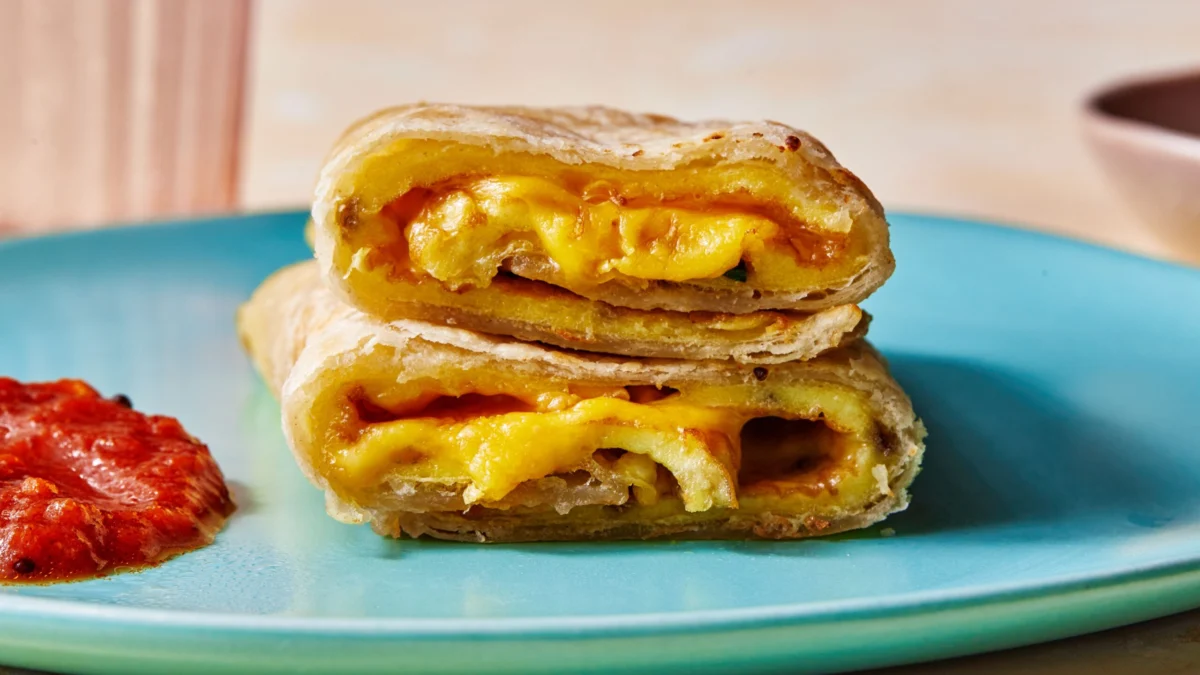
Complementing the baked oatmeal in the breakfast category is the Quick and Cheesy Omelet Roll-Up. This recipe caters to the segment of the population that demands immediate gratification without sacrificing flavor. Touted for mornings when one has "five minutes—tops," it underscores the increasing value placed on speed and simplicity in cooking. Omelets, a classic breakfast staple, are inherently versatile, serving as a canvas for a myriad of fillings. The "roll-up" format introduces an element of novelty and portability, making it suitable for on-the-go consumption. The emphasis on cheese suggests a comfort food angle, providing a savory and satisfying option that is both quick to assemble and rich in protein, a key macronutrient for satiety and muscle maintenance. Data from culinary trend reports frequently highlight a preference for high-protein breakfast options, particularly among fitness-conscious individuals and those managing blood sugar levels. The simplicity of the omelet roll-up also appeals to novice cooks, demonstrating that delicious and nutritious meals can be achieved with minimal effort and time investment. This balance of quick preparation and substantive nutrition makes it a perennial favorite.
Defying the Summer Heat: Indulgent Bakes Take Center Stage
While the inclination to switch on the oven typically wanes during warmer months, Bon Appétit’s trending list reveals that certain baked goods possess an irresistible allure, prompting home cooks to brave the heat. This phenomenon suggests that comfort food and celebratory bakes transcend seasonal limitations, particularly when the recipes offer unique flavors or a sense of accomplishment. The magazine explicitly acknowledges the paradox, stating, "while turning on the oven in summer may not be your first instinct (we don’t blame you), these two bakes are actually worth it." This statement itself serves as an endorsement of the exceptional quality and appeal of the chosen recipes.
One such captivating bake is the Plum Karpatka, a Polish cream puff cake ribboned with a vibrant magenta plum compote. Karpatka, affectionately known as "Carpathian Mountain Cake" due to its craggy choux pastry top resembling mountain peaks, is a beloved dessert in Polish cuisine. It traditionally consists of two layers of choux pastry (the same dough used for éclairs and cream puffs) filled with a rich, vanilla-flavored custard cream. The addition of a plum compote introduces a seasonal and tangy element that perfectly balances the sweetness of the cream and the richness of the pastry. Plums, typically abundant in late summer and early autumn, lend a beautiful color and a refreshing tartness to the dessert, making it particularly appealing during this transitional period. The inclusion of a sophisticated European dessert like Karpatka on a trending list highlights a growing curiosity among home cooks to explore global culinary traditions. This interest has been amplified by global travel and the pervasive influence of international food media, encouraging individuals to experiment with flavors and techniques from diverse cultures. Preparing choux pastry, while requiring precision, is a rewarding baking endeavor, further appealing to those who enjoy more involved kitchen projects.
The second baked item making waves is an all-time favorite: blistered Tomato Focaccia. Focaccia, an ancient Italian flatbread, has enjoyed a significant resurgence in home baking circles, especially in the wake of increased interest in bread-making during recent global lockdowns. This particular recipe stands out for its simplicity and the exquisite visual and flavor impact of blistered tomatoes. The process involves pressing ripe cherry or grape tomatoes into the dough before baking, allowing them to burst and caramelize, releasing their sweet and savory juices directly into the bread. The result is a fragrant, tender, and slightly chewy focaccia with a perfectly golden, olive oil-rich crust and pockets of intensely flavored tomatoes. The reader’s enthusiastic feedback, "My partner and I ate almost half of it in the first 15 minutes," perfectly encapsulates the addictive quality of a well-made focaccia. This anecdotal evidence underscores the profound satisfaction derived from baking and sharing such a universally adored bread. Focaccia’s historical roots trace back to ancient Rome, where it was often baked under embers, serving as a foundational element of the Italian diet. Its versatility allows for various toppings, but the simple tomato and olive oil combination remains a timeless classic. The appeal of home-baked bread extends beyond mere sustenance; it’s often viewed as a meditative and comforting activity, contributing to a sense of well-being.
Behind the Trends: Bon Appétit’s Influence and Methodology
Bon Appétit, a cornerstone of culinary journalism since its inception, has consistently played a pivotal role in shaping food culture and guiding home cooks. Founded in 1956, the magazine has evolved from a niche publication for wine and food connoisseurs into a mainstream authority on cooking, dining, and lifestyle. Its digital platform and social media presence have significantly expanded its reach, allowing for real-time engagement with a global audience.
The "most-saved recipes" metric employed by Bon Appétit is a powerful indicator of genuine user interest and future cooking intentions. Unlike simple page views, a "save" implies a deliberate act of bookmarking a recipe for later use, signaling a higher level of commitment and intent from the user. This methodology provides a robust, data-driven insight into what recipes resonate most deeply with its readership, reflecting not just fleeting curiosities but sustained culinary interest. These weekly lists serve as a dynamic barometer of current culinary preferences, revealing shifts in dietary habits, ingredient popularity, and cooking techniques. A culinary director at Bon Appétit might hypothetically comment on the "thrilling diversity of this week’s list, which perfectly encapsulates our readers’ desire for both practical, nourishing everyday meals and adventurous, celebratory bakes. It’s a testament to the enduring curiosity and skill of the home cook."
Broader Culinary Landscape and Consumer Insights
The trends observed in Bon Appétit’s weekly hotlist offer valuable insights into the broader culinary landscape. The simultaneous popularity of quick breakfast solutions and more involved bakes points to a multifaceted consumer base that values both efficiency and indulgence.
- Demand for Convenience: The prominence of "make-ahead" and "5-minute" recipes directly reflects the accelerated pace of modern life. Consumers are constantly seeking ways to save time without sacrificing quality or health benefits, driving innovation in meal preparation and ingredient sourcing.
- Interest in Comfort Food: Despite the summer heat, the strong performance of Karpatka and focaccia underscores the timeless appeal of comfort foods. These dishes provide psychological warmth, nostalgia, and a sense of indulgence that transcends seasonal preferences.
- Exploration of International Cuisines: The inclusion of Polish Karpatka and Italian Focaccia highlights a continued and growing enthusiasm for global flavors. Home cooks are becoming increasingly adventurous, eager to replicate authentic dishes from around the world, often inspired by travel, media, and diverse culinary communities.
- Focus on Fresh, Seasonal Ingredients: The use of plums in Karpatka and ripe tomatoes in focaccia emphasizes a prevailing desire for fresh, seasonal produce. This trend is driven by an awareness of flavor, nutritional value, and sustainability, with consumers increasingly seeking ingredients at their peak.
- The Enduring Appeal of Home Baking: The strong showing of two significant baking projects, even in summer, reaffirms the enduring joy and satisfaction derived from home baking. For many, baking is a therapeutic activity, a creative outlet, and a way to connect with food on a deeper level. A food trend analyst might interpret these findings as "a clear indication that while efficiency is paramount, consumers are also making intentional choices to invest time in culinary pursuits that offer profound satisfaction and cultural enrichment. The kitchen remains a sanctuary for creativity and comfort."
The Business of Culinary Content
In an era of abundant free online content, the call for a digital subscription, positioned at the conclusion of the article, highlights the business model that supports high-quality culinary journalism. Subscribing to publications like Bon Appétit provides readers with exclusive access to meticulously tested recipes, expert culinary advice, and in-depth articles that go beyond superficial trends. This model ensures the continued production of authoritative content, fostering a community of engaged home cooks and food enthusiasts. For subscribers, it represents an investment in a curated culinary resource that promises reliability and inspiration, enabling them to "start saving (and eating) their way through this list" and countless others.
In conclusion, Bon Appétit’s latest trending recipes offer a compelling snapshot of contemporary culinary interests. From the practical nourishment of Morning Glory Baked Oatmeal and the rapid satisfaction of an Omelet Roll-Up to the rich cultural tapestry of Plum Karpatka and the timeless allure of Tomato Focaccia, the list reflects a discerning audience eager to explore the full spectrum of gastronomic delights. These selections not only inspire home cooks but also serve as valuable indicators for food professionals, ingredient suppliers, and the broader culinary industry, demonstrating the dynamic evolution of what we choose to cook and eat.
