

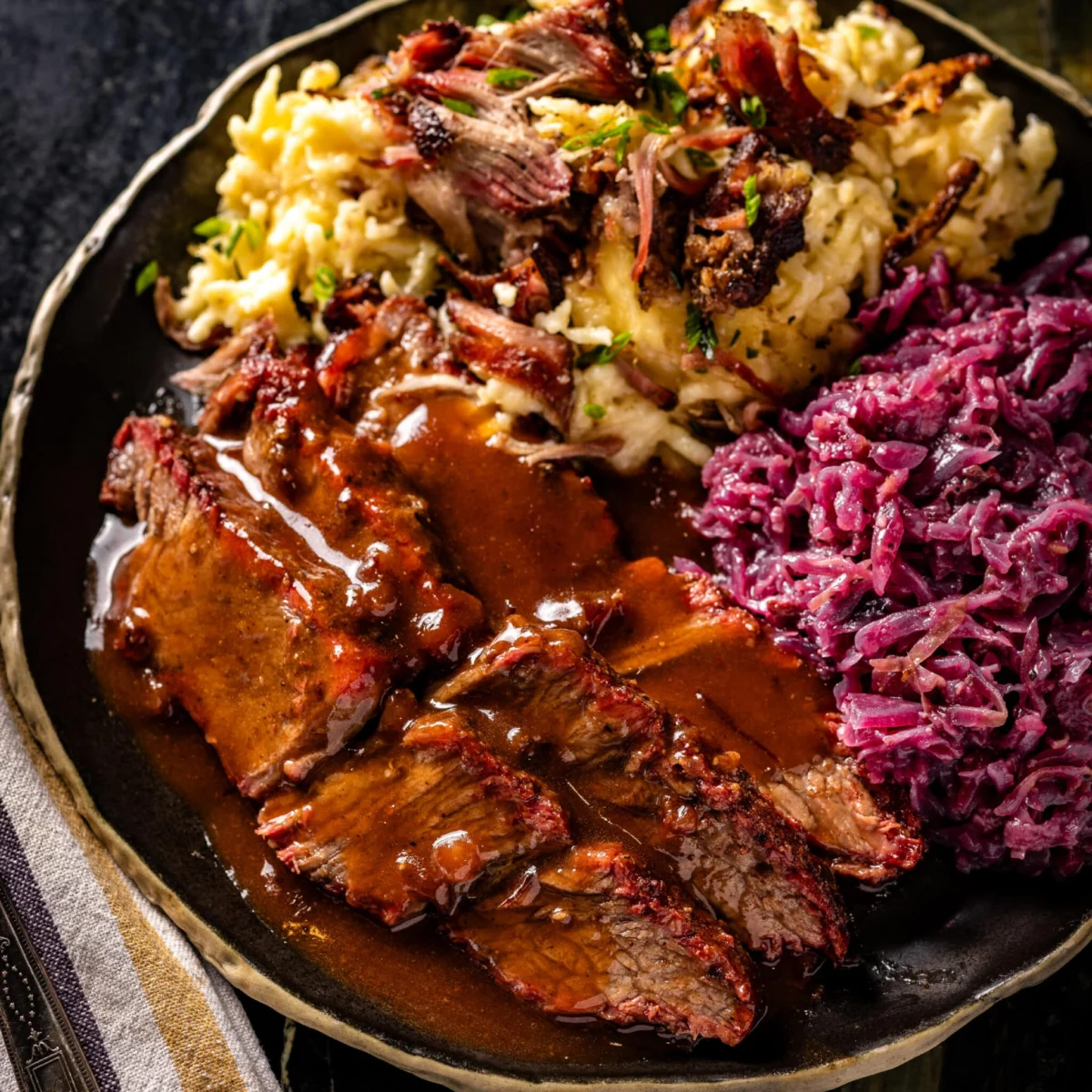
The convergence of traditional European culinary heritage and modern American smokehouse techniques has reached a new milestone with the release of a specialized Smoked Sauerbraten recipe, a dish that reinterprets Germany’s national pot roast through the lens of low-and-slow barbecue. Traditionally a staple of the Rhine region, Sauerbraten is defined by its lengthy marination process and its distinct sweet-and-sour flavor profile. By introducing hardwood smoke into the preparation, culinary experts are bridging the gap between Old World preservation methods and contemporary outdoor cooking trends. This evolution of the dish, popularized by Susie Bulloch of Hey Grill Hey in collaboration with Sophie Sadler of Dirndl Kitchen, represents a broader movement toward global fusion in the backyard grilling community.
The Historical and Cultural Evolution of Sauerbraten
Sauerbraten, which translates literally to "sour roast," has a history that stretches back several centuries. While modern iterations almost exclusively utilize high-quality beef—specifically chuck or rump roast—historical accounts suggest that the dish originated as a method for tenderizing tougher meats, including horse. Legend often attributes the dish to Julius Caesar, who supposedly sent amphorae of beef marinated in wine over the Alps to Roman colonies, though most food historians place its true development in the 9th century during the reign of Charlemagne.
The primary function of the Sauerbraten marinade was originally preservation. Before the advent of refrigeration, soaking meat in a highly acidic liquid—usually vinegar or wine—inhibited bacterial growth and allowed the meat to be stored for several days. This process had the secondary benefit of breaking down the tough connective tissues (collagen) found in leaner cuts of meat. In the modern context, the acidity serves a purely gastronomic purpose, providing a sharp contrast to the rich, fatty nature of the beef and the heavy, often ginger-snap-thickened gravy that accompanies it.

The transition of this dish to the smoker is a logical progression in the "Americanization" of ethnic recipes. By replacing the traditional browning in a Dutch oven with an initial phase of smoke exposure, the meat develops a "smoke ring" and a depth of flavor that complements the tanginess of the marinade. This fusion aligns with the rising popularity of Oktoberfest celebrations across North America, where home cooks increasingly seek to replicate authentic biergarten flavors in their own backyards.
Technical Analysis of Ingredients and Chemical Processes
The Smoked Sauerbraten recipe is a multi-phase operation requiring a sophisticated balance of acids, aromatics, and proteins. To understand the success of the dish, one must analyze the components of its four distinct stages: the marinade, the seasoning, the braise, and the gravy.
The Marinade: Acidic Tenderization
The marinade is the foundational element of any Sauerbraten. This recipe utilizes a blend of dry red wine (such as Cabernet or Merlot) and red wine vinegar. The pH level of this mixture is critical; the acid begins to denature the proteins on the surface of the beef, allowing moisture and flavors from the aromatics—onions, carrots, celery, garlic, peppercorns, juniper berries, and cloves—to penetrate the muscle fibers. The inclusion of juniper berries is a hallmark of the German style, providing a piney, gin-like astringency that cuts through the richness of the beef.
The Seasoning: The Maillard Reaction and Smoke Adhesion
Following the marination period, which can last anywhere from three to five days, the beef is seasoned with a signature rub. In a professional smokehouse setting, the rub serves two purposes: it enhances the flavor and provides a surface texture that allows smoke particles to adhere. The salt in the rub draws out a small amount of moisture, creating a tacky surface known as a pellicle, which is essential for smoke absorption.

The Braise: Collagen Breakdown
The braising liquid consists of the reserved marinade combined with beef stock and additional aromatics. During the braising phase, the temperature is maintained at a level that allows the internal collagen to convert into gelatin. This transformation typically occurs between 160°F and 180°F. Because the meat is smoked prior to being submerged in the braising liquid, it retains a smoky exterior while achieving the "fall-apart" tenderness associated with traditional pot roasts.
The Gravy: Emulsification and Flavor Concentration
The final component is a rich gravy made from the strained braising liquid. The use of a roux (flour and butter) provides the necessary thickness and a nutty undertone. This stage represents the concentration of all the flavors developed over the previous several days, resulting in a sauce that is simultaneously savory, tart, and slightly sweet.
Chronological Preparation and Execution Timeline
The production of Smoked Sauerbraten is a time-intensive process that cannot be rushed, as the chemical changes required for flavor development and tenderization are time-dependent.
Phase 1: The Marination (Days 1–5)
The beef roast is submerged in a mixture of red wine, vinegar, and aromatics. It must be kept refrigerated and turned daily to ensure even penetration of the acid. Culinary professionals recommend a minimum of three days, though five days is considered optimal for maximum flavor infusion.

Phase 2: Preparation and Smoking (Day of Serving, Hours 1–3)
The meat is removed from the marinade and patted dry. It is then coated in a beef-specific dry rub. The smoker is preheated to 225°F, using hardwoods such as oak, hickory, or fruitwoods like cherry, which adds a reddish hue to the meat. The beef is smoked until it reaches an internal temperature of approximately 135°F, a process that typically takes two to three hours depending on the thickness of the roast.
Phase 3: The Braise (Hours 4–7)
The smoked beef is placed in a heavy-duty aluminum pan or a Dutch oven. The reserved marinade (strained) and beef stock are added until the liquid reaches halfway up the side of the roast. The container is sealed tightly with foil and returned to the smoker or an oven set to 300°F. The beef is braised until it reaches an internal temperature of 205°F, signaling that the connective tissues have fully liquefied.
Phase 4: Resting and Gravy Production (Final Hour)
The meat is removed from the liquid and allowed to rest for at least 20 minutes to allow the juices to redistribute. Simultaneously, the braising liquid is strained and simmered with a roux to create the gravy. The meat is then sliced against the grain and served with the hot sauce.
Nutritional Data and Dietary Implications
A standard serving of Smoked Sauerbraten (approximately 6 ounces) provides a significant nutritional profile, though it is high in sodium due to the traditional brining and seasoning methods.

- Calories: 619 kcal
- Protein: 47g (providing essential amino acids for muscle repair)
- Total Fat: 28g (with 12g of saturated fat)
- Cholesterol: 156mg
- Sodium: 4,368mg (notably high, reflecting the preservation origins of the dish)
- Potassium: 1,257mg
- Vitamin A: 3,549 IU (largely derived from the carrots in the braise)
- Iron: 7mg (contributing to 39% of the recommended daily intake)
While the dish is high in protein and iron, the sodium content suggests it should be consumed in moderation, particularly by individuals monitoring their blood pressure. The use of red wine and vinegar contributes antioxidants, specifically polyphenols from the grape skins used in wine production.
Industry Reactions and Culinary Analysis
The introduction of smoke into the Sauerbraten process has drawn praise from both BBQ enthusiasts and traditionalists. Culinary analysts suggest that the smoky element fills a "flavor gap" that exists in the traditional boiled or oven-roasted versions.
"The addition of smoke provides a bridge between the sharp acidity of the marinade and the deep umami of the beef," says one industry observer. "It modernizes a dish that many younger consumers might otherwise view as antiquated."
Furthermore, the collaboration between Susie Bulloch and Sophie Sadler highlights a growing trend of "expert-led fusion." By combining Bulloch’s technical mastery of wood-fired cooking with Sadler’s authentic German background, the recipe maintains cultural integrity while pushing technical boundaries. This approach has been identified as a key driver in the current growth of the outdoor cooking market, which saw a significant surge in the early 2020s as consumers invested more in high-end pellet grills and offset smokers.

Broader Implications for the Backyard BBQ Market
The Smoked Sauerbraten recipe is more than a seasonal novelty; it is indicative of the diversifying American palate. As home cooks become more proficient with smoking technology, they are moving beyond standard brisket and ribs into more complex, multi-day projects.
This shift has economic implications for the retail sector. There is an increasing demand for "specialty" cuts like high-quality chuck roasts and for international pantry staples such as juniper berries and high-quality wine vinegars. Additionally, the success of "signature rubs" mentioned in the recipe points to the lucrative nature of the BBQ accessory market, where proprietary spice blends have become a multi-million dollar industry.
Culturally, the dish serves as a centerpiece for community and family gatherings. By positioning Smoked Sauerbraten as a "neighborhood potluck" standout, the creators are tapping into the social aspect of barbecue. The dish represents a celebration of heritage that is accessible to the modern cook, proving that even the most ancient recipes can be revitalized through technological and creative innovation.
In conclusion, Smoked Sauerbraten stands as a testament to the enduring nature of German cuisine and its ability to adapt to new environments. Through careful marination, precise smoke application, and a deep understanding of meat science, this recipe offers a sophisticated alternative to standard roast beef, ensuring that the spirit of Oktoberfest remains a vibrant, evolving part of the global culinary landscape.
